Security in Messaging Apps: What You Need to Know
The Vital Role of Security in Messaging Applications
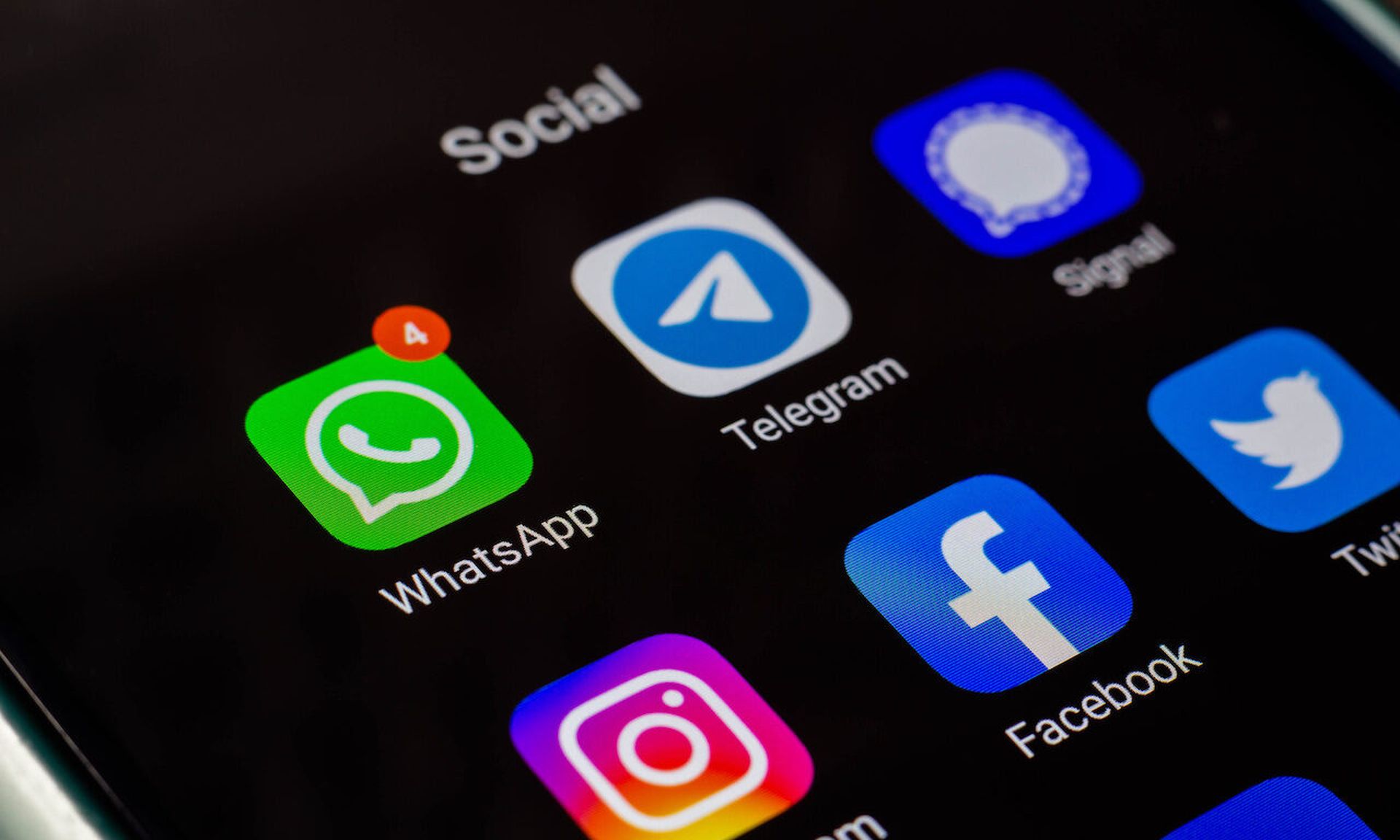
In an era where communication technology is advancing at breakneck speed, messaging apps have become the primary medium for interaction among friends, families, and colleagues. According to recent statistics, over 2.5 billion people worldwide engage on platforms like WhatsApp, Facebook Messenger, and Signal. This widespread use brings to light the importance of understanding the inherent security risks associated with these platforms.
Have you ever contemplated the vulnerabilities that accompany popular messaging apps? Let’s dive into some of the most pressing concerns:
- Data Encryption: It’s crucial to question whether your messages are genuinely private. End-to-end encryption is a feature praised by many, claiming that only the sender and recipient can read the messages. However, not all apps implement it uniformly. For instance, Telegram offers optional encryption, while WhatsApp encrypts messages by default, ensuring a more secure communication channel.
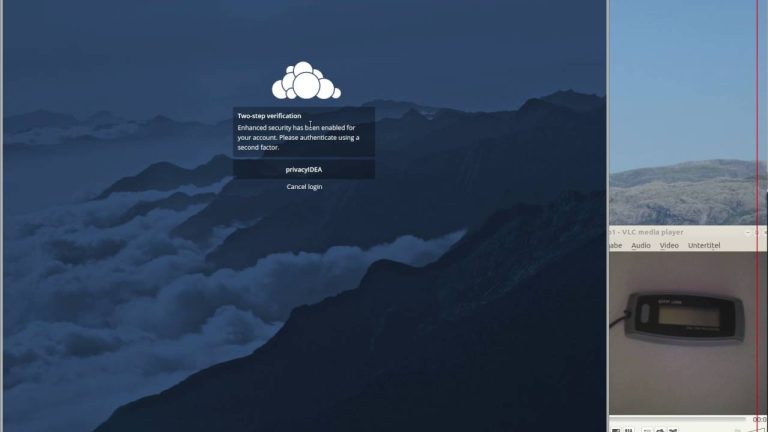
- User Authentication: The security of your account from unauthorized access is paramount. One common method is two-factor authentication (2FA), which adds an extra layer of security. This feature is offered by platforms such as Google Messenger and Signal, requiring a secondary verification step for logging in.
- Data Retention Policies: Different platforms have varied policies regarding how long they store your messages. For instance, Snapchat is known for its ephemeral messaging style, where messages disappear after being viewed, while others may keep messages indefinitely unless manually deleted by the user.
As technology evolves, so do the threats associated with it. The rise of malicious software, along with sophisticated phishing schemes, poses significant risks to users. Alarmingly, studies reveal that over 60% of U.S. adults report experiencing some form of cyber threat, and messaging apps have been implicated in 70% of recent data breaches.
Understanding security features and best practices is vital for anyone using these platforms. Awareness of potential risks can empower users to take proactive steps to protect their personal information, such as regularly updating apps, utilizing strong passwords, and enabling privacy settings.
In this article, we will comprehensively explore the functionalities of various messaging apps, the associated risks, and effective measures to secure your communications. Join us as we navigate the complex landscape of digital communication, arming yourself with knowledge that can enhance your online safety.
DISCOVER MORE: Click here to learn how to save on cloud storage
Understanding the Security Landscape of Messaging Apps
The rapid adoption of messaging apps in both personal and professional settings highlights the pressing need for robust security measures. As individuals rely on these platforms for sharing sensitive information, being informed about potential vulnerabilities becomes essential. So, what security features should users prioritize when choosing a messaging app?
One of the foremost aspects to consider is data encryption. This process encodes messages to ensure that only authorized parties can read them. While many messaging apps advertise encryption, the type and implementation can significantly impact user safety. For instance, highly regarded platforms like Signal and WhatsApp employ end-to-end encryption (E2EE) by default, providing assurance that even the service providers cannot access the content of your messages. In contrast, apps like Facebook Messenger offer encryption only in their “Secret Conversations” mode, which requires users to activate this feature manually.
Apart from encryption, another critical consideration is user authentication. The ability to verify identity plays a vital role in protecting messaging accounts. While traditional usernames and passwords may be a common entry point, they are often insufficient against sophisticated cyber threats. In this landscape, the implementation of two-factor authentication (2FA) becomes imperative. Platforms such as Google Messenger and Signal enhance security by requiring not just a password but also an additional verification step, such as a text message or authentication app code. This dramatically reduces the risk of unauthorized access.
Additionally, it’s crucial to examine each app’s data retention policies. Understanding how long your data is stored can alert users to potential privacy invasions. For example, while platforms like Snapchat boast self-destructing messages, not all messaging apps have such features. Apps like Telegram retain messages on their servers unless users delete them, raising questions about long-term data privacy.
Moreover, amid increasing cyber threats, users need to remain vigilant against potential risks manifested through malicious software and phishing scams. Alarmingly, a study showed that about 60% of U.S. adults have faced some form of cyber threat, with messaging apps often serving as gateways for attackers. These threats underline the importance of not only choosing secure apps but also adopting best practices in personal security.
As you navigate the digital realm, consider implementing the following security best practices when using messaging apps:
- Enable two-factor authentication to further shield your accounts.
- Regularly update applications to fix vulnerabilities and improve security features.
- Utilize strong, unique passwords for each account.
- Adjust privacy settings to limit who can contact you and see your information.
- Be cautious of suspicious links and unsolicited messages.
By being proactive and informed, users can better protect themselves and their communication in an increasingly complex digital environment.
Understanding Messaging App Security
As communication has transitioned to digital platforms, security in messaging apps has emerged as a critical concern for users. With the rise of privacy breaches and data leaks, understanding how these apps safeguard your information is vital.
| Security Feature | Description |
|---|---|
| End-to-End Encryption | This feature ensures that messages can only be read by the sender and the recipient, preventing unauthorized access. |
| Multi-Factor Authentication | Adds an extra layer of security by requiring additional verification steps to access your account. |
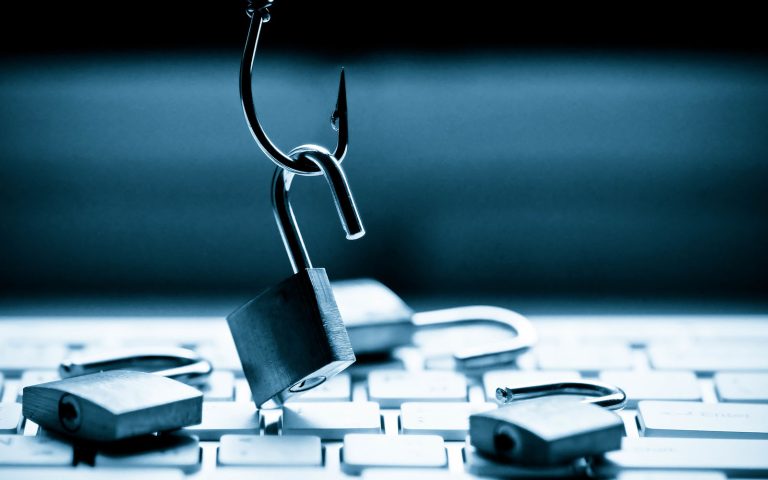
Many messaging apps employ strong security protocols to protect user data, yet being aware of the potential vulnerabilities is equally important. For example, phishing attacks can still compromise accounts, regardless of the app’s built-in protections. Thus, users must remain vigilant and adopt safe messaging practices.
By utilizing features like end-to-end encryption and multi-factor authentication, users can significantly enhance their privacy and security in messaging apps. This knowledge not only fortifies personal security but also fosters an environment of trust in digital conversations.
LEARN MORE: Click here to discover cost-saving strategies
Examining Popular Messaging Apps: A Comparative Analysis
For individuals seeking to navigate the multifaceted world of messaging app security, it is essential to delve deeper into how major platforms stack up against each other. With a vast array of options available, understanding the strengths and weaknesses of each app can help users make informed decisions tailored to their needs.
Telegram, for instance, has gained immense popularity for its user-friendly interface and extensive features. However, despite its promise of security, it is important to highlight that only its “Secret Chats” utilize end-to-end encryption. Regular chats are encrypted server-client, meaning that while the data is protected in transfer, Telegram retains the keys to decrypt stored messages. This presents a potential vulnerability for users concerned about privacy.
On the other hand, iMessage, Apple’s exclusive messaging service, embraces end-to-end encryption as a default setting, ensuring that only the sending and receiving devices have access to the messages. Furthermore, iMessage benefits from Apple’s robust security ecosystem, which includes features like secure enclave technology that aids in protecting user data. However, users should remain vigilant about the potential risks associated with iCloud backup, where messages may be stored unencrypted.
WhatsApp also stands at the forefront, merging a user-friendly experience with strong encryption policies. By implementing end-to-end encryption as a default, it ensures that messages cannot be intercepted or read by third parties, not even by WhatsApp itself. Despite its solid encryption framework, controversies surrounding data sharing with parent company Meta (formerly Facebook) have raised concerns among users regarding privacy implications.
Interestingly, research by CSID highlights that even supposedly secure messaging apps are susceptible to phishing attacks that can lead to account breaches. A staggering 75% of respondents in a recent survey reported receiving suspicious links through their messaging apps, underlining the necessity for users to be discerning about the sources of such communications.
Another noticeable trend in messaging apps is the integration of self-destructing messages, a privacy feature that allows users to send messages that disappear after a set period. Apps like Snapchat and even Telegram offer such functionality, appealing to users who prioritize discretion. However, it’s critical to note that while these features increase temporary privacy, they do not provide immunity from screenshotting or other forms of content capturing.
Furthermore, users often overlook the implications of location sharing within messaging apps. Apps like WhatsApp and Facebook Messenger offer location sharing features, which can be useful but carry privacy risks if misused. It’s crucial for users to understand their permissions and the potential consequences of sharing real-time location data, as this can expose them to unwanted interactions or stalking.
Lastly, the growing concept of privacy by design focuses on developing apps that prioritize security from the outset. As users become more knowledgeable about the importance of data security in messaging apps, the demand for such privacy-centric solutions is likely to increase, pushing developers to prioritize user safety.
Ultimately, navigating the terrain of messaging app security demands awareness and vigilance from users. By understanding the nuances and varying levels of security across platforms, individuals can take charge of their digital communications and safeguard their privacy in an ever-evolving landscape.
DIVE DEEPER: Click here to discover smart ways to optimize your cloud storage costs
Conclusion: Informed Decisions for a Secure Messaging Experience
As we navigate the digital age, messaging apps have become the cornerstone of our communication, offering both convenience and connectivity. However, with this reliance comes the critical need to prioritize security and privacy. The growing instances of data breaches and phishing attacks emphasize that understanding the security features and limitations of various platforms is no longer a luxury, but a necessity.
Through our examination of popular messaging apps, it is clear that no single app can claim complete security. While platforms like WhatsApp and iMessage provide robust end-to-end encryption, they are not immune to data-sharing controversies and external threats. Conversely, apps like Telegram may offer appealing features, yet they require users to remain cautious about default encryption settings. Highlighting the need for users to be proactive, it is vital to educate oneself on how self-destructing messages and location sharing can enhance privacy, while also recognizing their potential implications.
The landscape of messaging app security is constantly evolving, driven by user demand for better privacy and the principles of privacy by design. As users, taking a stand on these issues and advocating for higher security standards is essential. By doing so, we not only protect ourselves but also contribute to a wider culture that values and prioritizes user privacy. In this realm of evolving technology and threats, staying informed is your best defense. So take control of your digital interactions, and ensure your messaging experience is secure and private.

Beatriz Johnson is a seasoned tech writer and digital tools expert with a passion for simplifying the complexities of technology and mobile applications. With over a decade of experience in the tech industry, she specializes in topics like productivity apps, software reviews, and emerging digital trends. Through her work, Beatriz empowers readers to make informed technology choices and stay ahead in the ever-changing world of apps and innovation.