
How to Protect Your Online Privacy: Effective Tools and Strategies
Understanding the Importance of Online Privacy
In an era defined by digital interconnectivity, understanding the significance of online privacy is paramount. Every day, vast amounts of personal data are exchanged online. We navigate numerous digital spaces, from social media to e-commerce platforms, often without a second thought about who might be watching or what might be at stake.
Statistics reveal the alarming reality facing internet users. In 2019 alone, more than 4 billion records were breached globally, leading to significant financial and emotional fallout for individuals and corporations alike. Additionally, a survey indicated that around 70% of Americans harbor concerns about their personal information being mishandled. Surprisingly, only 30% feel a sense of control over their digital identities. This disparity underscores the growing need for individuals to empower themselves with knowledge and tools to better protect their online personas.
Tools to Enhance Your Online Privacy
To effectively preserve your online privacy, it is essential to explore an array of available solutions and techniques. Here’s a closer look at some critical tools:
- Virtual Private Networks (VPNs): VPNs create a secure connection to another network over the internet. By encrypting your internet connection, they not only protect your online activities from prying eyes but also help circumvent geographical restrictions on content. For instance, accessing streaming services available only in certain countries becomes feasible with a VPN.
- Password Managers: Utilizing a password manager allows you to store and create complex passwords securely. Given that many data breaches occur due to weak or repeated passwords, these managers can generate unique passwords that are difficult to crack, thereby reinforcing your accounts’ defenses. Some popular options include LastPass and 1Password.
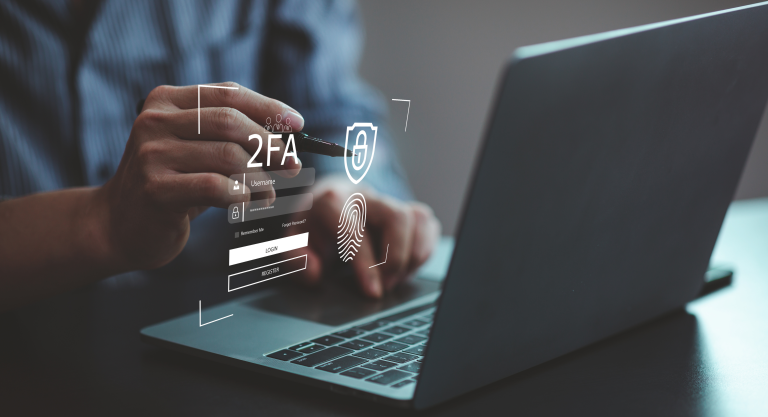
- Two-Factor Authentication (2FA): This method adds an extra layer of security to your online accounts by requiring not only a password and username but also something that only the user has on them, such as a physical token or a mobile device. This significantly reduces the risk of account takeover, a common threat faced by internet users.
- Ad Blockers: These tools prevent intrusive advertisements and tracking scripts from collecting data about your online behavior. By using ad blockers like uBlock Origin or AdGuard, not only do you enjoy an uncluttered browsing experience, but you also reduce the chances of being targeted by unwanted marketing campaigns.
As our lives become increasingly intertwined with the digital realm, understanding and implementing these privacy-enhancing tools can significantly diminish the threats lurking in cyberspace. Each of these strategies contributes to a larger framework of online security, allowing individuals to regain control over their personal information. By exploring these resources further, you can take actionable steps toward a safer digital experience.
DISCOVER MORE: Click here for essential tips

Essential Strategies for Protecting Your Online Privacy
In addition to leveraging specific tools, adopting informed practices is crucial for safeguarding your online privacy. Understanding the measures you can take to enhance your digital wellbeing not only provides peace of mind but also actively protects your sensitive information from potential breaches. Here are some effective strategies that can significantly improve your online privacy:
- Regularly Update Software: Keeping your operating systems, applications, and antivirus software updated is a fundamental yet often overlooked aspect of online security. Software developers frequently release updates that patch security vulnerabilities, making it imperative for users to remain vigilant. Failing to update can leave your devices exposed to malware and hacks, thus jeopardizing your personal data.
- Be Cautious with Public Wi-Fi: While public Wi-Fi provides convenience, it also poses significant risks to your online privacy. Hackers often exploit unprotected networks to intercept personal information. Whenever possible, refrain from accessing sensitive sites, such as online banking, when connected to public Wi-Fi. If use is necessary, always connect through a Virtual Private Network (VPN) to shield your data.
- Review Privacy Settings: Many social media platforms and apps have customizable privacy settings that allow users to manage their data sharing preferences. Users should review these settings regularly to determine what information they are comfortable sharing publicly and adjust settings to restrict access accordingly. Taking the time to familiarize yourself with these options can greatly enhance your personal security.
- Think Before You Share: The impulsive nature of social media can lead to oversharing personal information. Consider the potential consequences of sharing details like your location, phone number, or vacation plans. Always ask yourself if you would be comfortable with this information being accessible to anyone online. Establishing boundaries around what you share can significantly mitigate risks.
- Use Encrypted Messaging Apps: Traditional SMS and email communications are often not secure, making them vulnerable to interception. Switching to end-to-end encrypted messaging applications, such as Signal or WhatsApp, can provide an extra layer of privacy for your conversations, ensuring that only you and the intended recipient have access to the messages.
By incorporating these effective strategies into your daily online habits, you can create a more secure digital environment. Understanding the dynamic landscape of internet privacy helps encourage proactive behavior, fostering a sense of empowerment over your personal data. As you integrate these practices alongside the previously discussed tools, you can better navigate the complexities of the online world while minimizing exposure to potential threats.
Effective Tools for Enhancing Your Online Privacy
In today’s digital age, protecting your online privacy has become more crucial than ever. With increasing incidents of data breaches and tracking, knowing the right tools and strategies can be your first line of defense. Here, we introduce several effective tools that can help you safeguard your information, ensuring a safer online experience.
| Privacy Tools | Key Features |
|---|---|
| VPN Services | Encrypts your internet connection and masks your IP address. |
| Password Managers | Stores and generates complex passwords for enhanced security. |
| Ad Blockers | Reduces privacy-invasive ads and tracking scripts from websites. |
Utilizing a VPN can help shield your online activities from prying eyes by encrypting your data. Moreover, password managers simplify your digital life by ensuring that your passwords are not only secure but also unique, potentially preventing unauthorized access to your accounts. Meanwhile, ad blockers significantly reduce the risk of being tracked by preventing unwanted advertisements from loading. Fostering a proactive approach to your online privacy can lead to a more secure digital existence.
These tools represent just the beginning of a comprehensive privacy strategy. As you delve deeper, you will uncover additional methods and techniques tailored to your specific needs. Continuous learning and adapting to new privacy measures is essential in maintaining control over your personal information.
DISCOVER MORE: Click here for tips on optimizing cloud storage and reducing costs
Advanced Techniques for Enhancing Your Online Privacy
Beyond the foundational strategies mentioned earlier, adopting advanced techniques can further bolster your protection against various online threats. In a world where privacy breaches are alarmingly common, employing these sophisticated measures can significantly reduce your vulnerabilities. Let’s explore some of these advanced strategies that can be crucial to your online privacy:
- Utilize a Password Manager: The complexity of managing numerous online accounts often leads to weak or repetitive passwords. A password manager not only securely saves your passwords but also generates strong, unique passwords for each of your accounts. This tool minimizes the likelihood of unauthorized access through password cracking or phishing attacks. Popular password managers like LastPass and 1Password offer features that enhance security while simplifying your login experience.
- Enable Two-Factor Authentication (2FA): Adding an additional layer of security through two-factor authentication can be a game-changer for your online accounts. By requiring a second form of verification—such as a text message code or authentication app—2FA makes it significantly harder for hackers to gain access, even if they acquire your password. Many major online services, including Google and Dropbox, support this security measure, encouraging users to take full advantage of it.
- Consider Anonymous Browsing: Browsing the web anonymously can greatly enhance your online privacy. Tools like the Tor browser route your Internet traffic through a series of servers to mask your IP address, making it difficult for websites and potential snoopers to track your online activities. While this may slow down your browsing speed, the increased anonymity can be worth it, especially for users concerned about tracking or surveillance.
- Regularly Review Your Digital Footprint: It is essential to periodically assess what information about you is publicly accessible online. Conducting a search of your name can reveal unexpected information that may be compromising your privacy. Many individuals find sensitive data on websites that aggregate personal information. Taking steps to remove this data from sites like Spokeo or Whitepages can help mitigate vulnerabilities.
- Educate Yourself on Phishing Scams: Awareness is a powerful tool against cyber threats. Familiarize yourself with common phishing techniques, which often involve deceptive emails or messages attempting to lure you into revealing sensitive information. For example, a scam email may appear to be from your bank, prompting you to click a link that leads to a counterfeit website. Recognizing these red flags equips you with the skills necessary to ensure that your personal data remains secure.
Embracing these advanced techniques alongside basic privacy strategies can empower users in their quest to create a more secure online presence. As privacy concerns continue to escalate, knowledge and proactive measures are your best allies in protecting essential personal information. By integrating these practices into your digital habits, you diminish risks and cultivate a more enjoyable internet experience devoid of fear over online security threats.
DON’T MISS: Click here to discover cost-saving strategies
Conclusion: Empowering Your Online Privacy
In an increasingly digital world, safeguarding your online privacy has become a fundamental necessity. With the right blend of effective tools and proactive strategies, you can create a formidable defense against common privacy intrusions and cyber threats. The combination of using a password manager, enabling two-factor authentication, and employing anonymous browsing techniques plays a crucial role in securing your personal information.
Moreover, regularly reviewing your digital footprint and staying informed about phishing scams are essential components of a holistic approach to online privacy. As technology evolves, so too do the tactics employed by those seeking to undermine your privacy. Staying one step ahead requires an ongoing commitment to education and adaptation. This commitment empowers you to identify potential risks and take affirmative action to protect your sensitive data.
As you explore and implement these strategies, remember that an informed user is a powerful ally in the battle for privacy. It is vital to remain curious and vigilant about emerging technologies and trends that could impact your online safety. By continuously refining your privacy practices and leveraging advanced tools, you cultivate an online existence that not only prioritizes security but also fosters confidence in your digital interactions.
Ultimately, the choices you make today regarding your online privacy can lead to a brighter and more secure tomorrow. With knowledge as your ally, take charge of your privacy journey and navigate the digital landscape with assurance.

Beatriz Johnson is a seasoned tech writer and digital tools expert with a passion for simplifying the complexities of technology and mobile applications. With over a decade of experience in the tech industry, she specializes in topics like productivity apps, software reviews, and emerging digital trends. Through her work, Beatriz empowers readers to make informed technology choices and stay ahead in the ever-changing world of apps and innovation.