
Sustainable Minimalism: Eco-Friendly Practices for Maximizing Space Efficiency
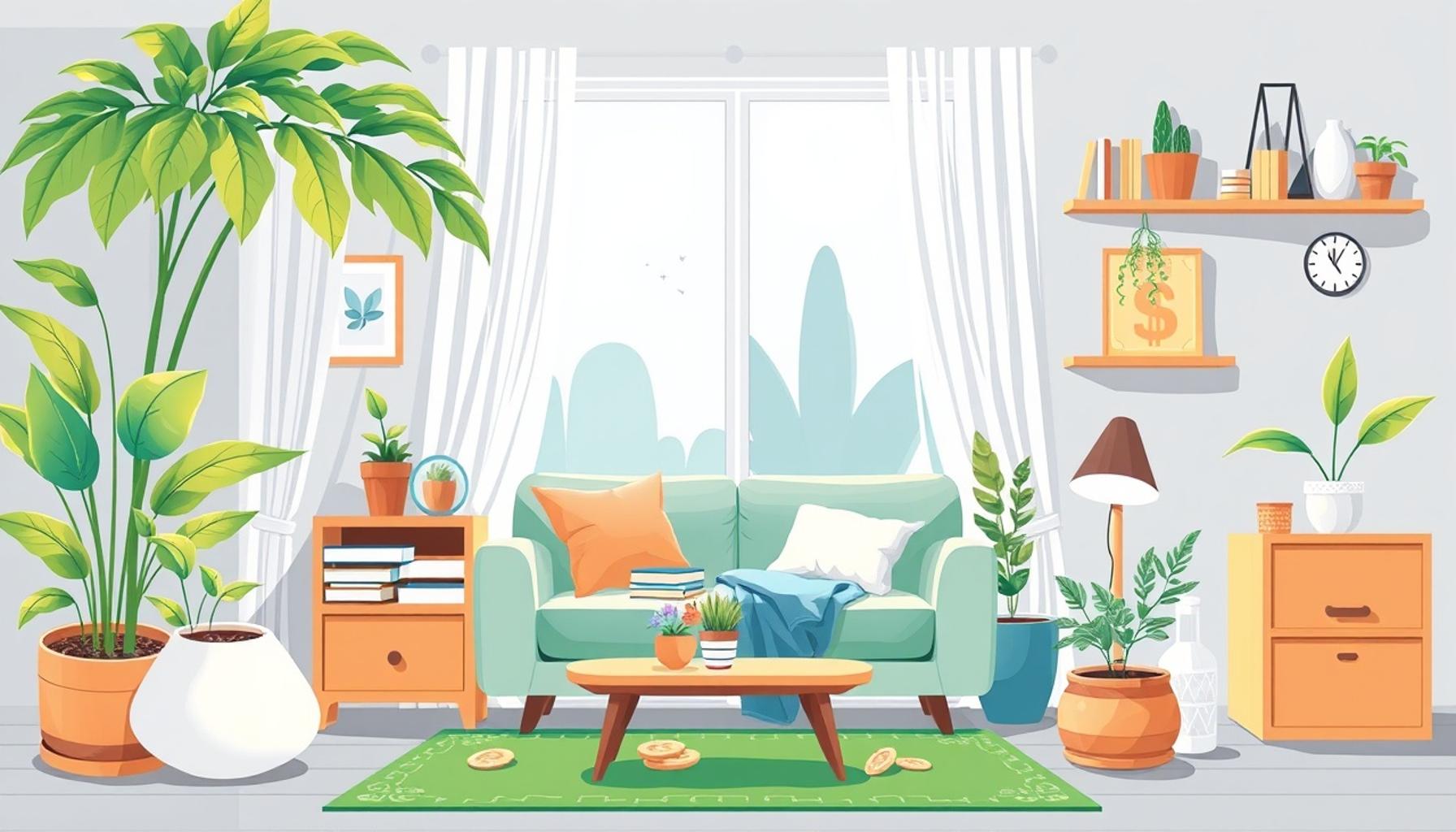
The Rise of Sustainable Minimalism
In today’s fast-paced world, the concept of sustainable minimalism is gaining traction, offering a unique approach to living harmoniously with our environment. This lifestyle emphasizes eco-friendly practices while prioritizing space efficiency, allowing individuals to coexist with nature while decluttering their homes and minds. As we navigate the complexities of modern life, the allure of a simpler, more intentional existence becomes increasingly appealing.
Why Choose Sustainable Minimalism?
There are several compelling reasons to embrace sustainable minimalism. Firstly, it reduces waste. By adopting a minimalist mindset, individuals naturally decrease consumption. This translates into fewer purchases, which subsequently reduces the amount of clutter in your life. For example, consider the amount of clothing many Americans accumulate over the years. According to the Environmental Protection Agency (EPA), textiles accounted for about 11.3 million tons of waste in 2018. Choosing to buy fewer, higher-quality clothing items can significantly diminish this issue.
Secondly, embracing sustainable minimalism encourages conscious living. It compels individuals to make intentional decisions about the items they own and the space they occupy. When every item serves a clear purpose or brings joy, it fosters an environment of appreciation and mindfulness. This frame of mind can lead to more thoughtful consumer behavior, encouraging individuals to support eco-conscious brands or local artisans instead of contributing to mass-produced goods that often harm the environment.
Finally, sustainable minimalism fosters creativity. Maximizing space efficiency can lead to innovative solutions for downsizing and organizing. For instance, many people are turning to modular furniture or floating shelves that not only save space but also create an aesthetically pleasing environment that invites creativity.
Practical Strategies to Implement
As you embark on your journey into sustainable minimalism, consider integrating these practical strategies into your life:
- Decluttering: Regularly assess your belongings. Challenge yourself to keep only those items that add value or serve a purpose. This could mean following Marie Kondo’s popular decluttering method, which suggests asking whether each item sparks joy.
- Multipurpose furniture: Invest in items that serve several functions to optimize space. For example, consider a sleeper sofa that doubles as seating during the day and a bed at night, allowing for efficient use of smaller living areas.
- Eco-friendly materials: Choose sustainable materials for home improvements and decor to align with your values. Bamboo, reclaimed wood, and recycled materials are just a few examples of resources that contribute to a more sustainable lifestyle.
Broader Implications of Embracing Sustainable Minimalism
Embracing sustainable minimalism not only transforms your living space but also contributes to a larger ecological impact. By rethinking how we utilize our spaces, we open up opportunities for a lifestyle that is both fulfilling and environmentally responsible. The shift towards minimalism has been reported to reduce stress and increase overall satisfaction, making it a win-win situation in terms of mental health and environmental sustainability. As individuals within communities across the United States adopt this philosophy, a collective movement emerges, leading to a greener future for all.
DIVE DEEPER: Click here to discover the benefits of time blocking
Practical Strategies to Implement Sustainable Minimalism
As you embark on your journey into sustainable minimalism, consider integrating these practical strategies into your life to enhance space efficiency while reducing your ecological footprint:
- Decluttering: One of the first steps towards sustainable minimalism is to regularly assess your belongings. By challenging yourself to keep only those items that add value or serve a purpose, you begin to clear the clutter that accumulates over time. This process can involve the popular decluttering method inspired by Marie Kondo, wherein each item is evaluated based on whether it “sparks joy.” This not only simplifies your living space but also aids in developing a more intentional relationship with your possessions.
- Multipurpose furniture: In a world where space is often at a premium, investing in multipurpose furniture can significantly enhance your living environment. Items that serve several functions, such as a sleeper sofa that doubles as seating or a coffee table with built-in storage, allow you to optimize space. By selecting furniture that meets multiple needs, you promote efficiency while minimizing unnecessary purchases, contributing to sustainability.
- Eco-friendly materials: Incorporating eco-friendly materials into your home is a powerful step towards a sustainable lifestyle. Consider choosing sustainable resources like bamboo, reclaimed wood, or recycled materials for home improvements and decor. Not only do these materials diminish your environmental impact, but they also add unique character to your space. Many environmentally conscious brands are now readily available, making it easier than ever to furnish your home responsibly.
- Digital decluttering: While physical items often dominate discussions of minimalism, digital clutter can be equally overwhelming. Taking time to organize your digital files, emails, and photos can free up mental space and improve productivity. Consider setting aside regular intervals to evaluate your digital landscape, removing files that no longer serve you and consolidating important information.
- Community sharing: Embrace the idea of community sharing as a sustainable practice. Instead of purchasing new items that you may only use occasionally, consider borrowing or renting from neighbors or local organizations. Platforms like neighborhood groups can facilitate resource sharing, whether it’s tools, equipment, or even hosting skills. This not only maxims space but also fosters community connections.
By integrating these strategies into daily life, individuals can create a harmonious balance between personal space and sustainability. Each decision made in favor of sustainable minimalism echoes through community circles, inspiring others to seek a conscientious approach to living. As you explore these practices, remember that even small changes can lead to significant progress toward maximizing both space efficiency and environmental responsibility.
| Advantage | Description |
|---|---|
| Space Optimization | Implementing eco-friendly design techniques allows you to maximize usable areas in your home, reducing clutter and enhancing functionality. |
| Resource Efficiency | Adopting sustainable practices not only lessens carbon footprints but also significantly lowers utility costs and conserves natural resources. |
The principles of sustainable minimalism advocate for transformative lifestyle changes that can lead to remarkable improvements in both personal living spaces and the broader environment. By focusing on space optimization, individuals create a serene atmosphere uncluttered by unnecessary items, promoting mental clarity and peace.Equally important is the aspect of resource efficiency. Utilizing every inch of available space can drive down utility expenditures while fostering an eco-conscious mindset. As you embrace these practices, you’re not merely enhancing your living environment, but you are actively participating in the global movement towards sustainability. These methods invite curiosity, urging readers to explore how small changes in their living spaces can lead to impactful benefits both personally and environmentally.
DIVE DEEPER: Click here to learn about the power of time blocking
Embracing a Sustainable Lifestyle Through Thoughtful Choices
As the conversation around sustainable minimalism continues to evolve, it becomes evident that our choices play a pivotal role in shaping a more eco-conscious future. Here are additional strategies that can enhance your space efficiency while contributing to a healthier planet:
- Conscious consumption: In a society fueled by consumerism, making conscious purchasing decisions is vital. Before buying anything new, ask yourself: “Do I truly need this?” or “Will this add lasting value to my life?” Adopting a one-in, one-out rule can also be effective; for every new item you bring into your home, an old item should be donated or recycled. This approach not only curbs unnecessary accumulation but reinforces the habit of making more thoughtful purchases.
- Natural lighting: One of the simplest ways to enhance your living space sustainably is to maximize natural lighting. Well-lit spaces can reduce the need for electrical lighting during the day, thereby conserving energy. Consider using sheer curtains or strategically placing mirrors to reflect light. Additionally, indoor plants can improve air quality and contribute to a more vibrant atmosphere, merging aesthetics with eco-friendliness.
- Energy-efficient appliances: Investing in energy-efficient appliances pays off in the long run. These devices not only reduce your utility bills but also minimize energy consumption, narrowing your carbon footprint. Look for appliances with the Energy Star rating for assurance of their efficiency. Whether it’s a refrigerator, washing machine, or dishwasher, these appliances integrate seamlessly into a minimalist lifestyle while supporting sustainable practices.
- Upcycling and DIY projects: Embracing a spirit of creativity through upcycling can significantly impact both your space and the environment. Transforming old furniture or repurposing materials can not only breathe new life into your home but also reduce waste. For instance, using wooden pallets to build a unique coffee table or turning glass jars into decorative lighting can lead to functional and artistic solutions. These projects not only minimize waste but also foster a sense of accomplishment.
- Living walls and vertical gardens: When space is at a premium, consider introducing living walls or vertical gardens. These innovative installations not only optimize limited space but also enhance the aesthetics of your living area. They can be filled with herbs, flowers, and low-maintenance plants that contribute to your home’s air quality. Many DIY kits are available, making it easier for anyone to incorporate greenery into their décor.
Exploring these options can transform your approach to sustainable minimalism. By making small, intentional choices, you can reshape how you interact with your living space while remaining cradled in the folds of environmental stewardship. Remember, the essence of sustainable minimalism lies in enhancing your life without overly complicating it, striking a balance that is both efficient and responsible.
DISCOVER: Click here to unlock the benefits of time blocking
Conclusion: A Transformative Approach to Sustainable Living
In our rapidly evolving world, the notion of sustainable minimalism offers a refreshing perspective on how we inhabit our spaces while honoring our planet. By embracing eco-friendly practices, we not only enhance our physical surroundings but also cultivate a mindset that values purpose over excess. The strategies outlined, from conscious consumption to maximizing natural lighting, emphasize a holistic approach that harmonizes ethical living with aesthetic appeal.
Adopting energy-efficient appliances and engaging in creative upcycling projects highlight the actionable steps individuals can take toward reducing their environmental impact. Moreover, integrating living walls and vertical gardens serves as a visually striking way to reconnect with nature, even in confined spaces. This not only improves our air quality but also fosters a sense of well-being in our homes.
Ultimately, sustainable minimalism is more than a trend; it represents a significant shift towards a lifestyle that cherishes what truly matters. Each small, intentional choice contributes to a larger narrative of environmental stewardship, prompting us to rethink our relationship with material possessions. As we learn to mix efficiency with responsibility, we pave the way for a sustainable future—not just for ourselves, but for generations to come. Embrace this journey, and discover the beauty that arises from simplicity and sustainability.

Beatriz Johnson is a seasoned minimalist and writer with a passion for simplifying the complexities of personal organization and decluttering. With over a decade of experience in the field, she specializes in topics like minimalist living, efficient organization strategies, and creating intentional spaces. Through her work, Beatriz empowers readers to make mindful decisions about their belongings, streamline their lives, and embrace a more organized and fulfilling lifestyle.