Designing Multi-Functional Spaces: How to Embrace Space Efficiency in Minimalist Living
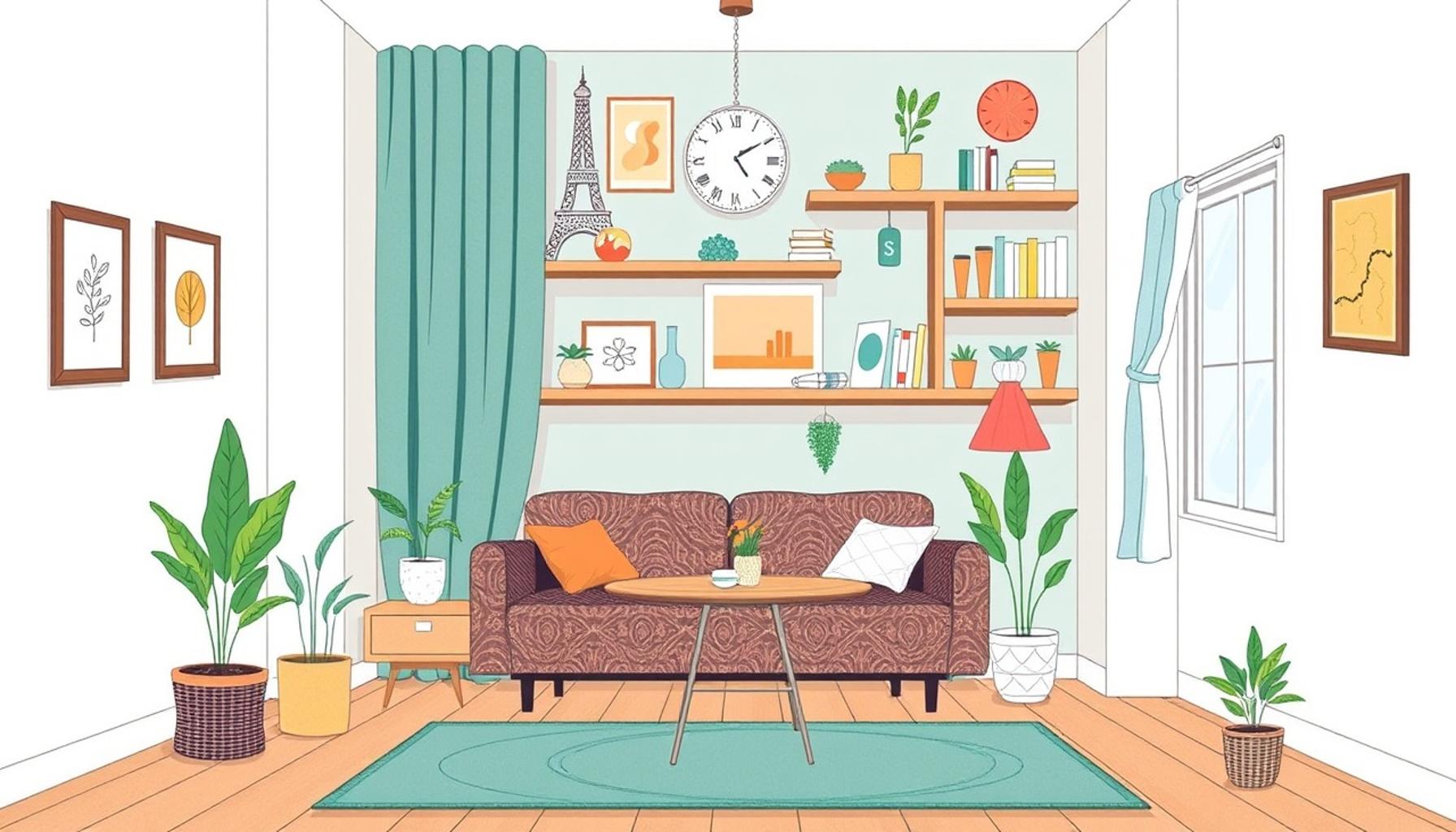
Embrace the Power of Multi-Functionality
In a world where urban living often equates to limited square footage, the notion of multi-functional spaces has become a game-changer. Maximizing every inch of your living environment isn’t just a trend—it’s a necessity for many homeowners and renters alike. Embracing this concept, especially within minimalist living, can lead to greater versatility and comfort without compromising style or functionality.
So, what exactly does designing multi-functional spaces involve? Here are some key features to consider:
- Convertible Furniture: Pieces that transform seamlessly from one use to another can save space and add versatility. For instance, a sofa bed serves as a comfortable couch during the day and can easily convert into a cozy sleeping space at night. Expandable dining tables can accommodate a small group for casual dinners but can be extended to host larger gatherings, making them ideal for both intimate meals and festive occasions.
- Smart Storage Solutions: In smaller spaces, storage is paramount. Utilizing vertical space with tall bookshelves or wall-mounted shelves can help draw the eye upward, creating the illusion of a larger area. Hidden compartments in furniture, such as ottomans with storage space inside, make it easier to stow away seasonal items or everyday clutter, keeping your home organized and aesthetically pleasing.
- Defined Zones: In a multi-purpose room, it is crucial to establish defined zones. This can be achieved through strategic furniture arrangement or the use of area rugs to delineate areas for work, relaxation, or dining. For example, a rug can separate a work-from-home zone from a living space, creating a mental boundary that enhances productivity and comfort.
The essence of space efficiency lies in its ability to cater to multiple needs without sacrificing aesthetics. By carefully selecting elements that serve dual purposes, you can achieve a home that feels both spacious and functional. Moreover, minimalism encourages the elimination of excess, fostering an environment that promotes peace and simplicity. To illustrate, a stylish nesting table set not only serves as a chic decoration but can also provide extra surface area when entertaining guests.
In our exploration of this innovative approach, discover how to transform your living area into a sanctuary of creativity, organization, and practicality. The benefits of adopting multi-functional designs extend beyond mere convenience; they can lead to savings in both cost and space, allowing for a more sustainable lifestyle. As you delve deeper into this concept, consider the potential of your current living situation, and identify how you can implement these strategies to maximize your space effectively.
DISCOVER MORE: Click here to learn about time blocking
Innovative Ideas for Multi-Functional Spaces
When it comes to designing spaces that serve multiple purposes, creativity is key. The integration of style and functionality is at the heart of space efficiency, transforming small living areas into multifunctional havens. Here are some innovative ideas to inspire your approach:
- Murphy Beds: Think of the classic Murphy bed as a prime example of how to maximize a small footprint. This foldable bed can be seamlessly tucked away in the wall, freeing up floor space during the day for activities such as yoga or home office setups. These beds often come with integrated shelves or desks, providing additional utility without sacrificing style.
- Modular Furniture: Consider investing in modular furniture pieces that can adapt based on your needs. Chairs that can be reconfigured into a sofa or individual ottomans that can be used as side tables or seating offer flexibility. This adaptability can transform an ordinary room into a dynamic space that can evolve along with how you use it.
- Folding Desks: Remote work has redefined living arrangements for many individuals. A folding desk can act as a dedicated workspace when needed and be neatly stored away when it’s time to switch gears. Pair this with a comfortable swivel chair that fits under the desk, and you have a workspace that doesn’t disrupt the flow of your home.
Embracing this notion of multi-functional spaces invites you to rethink how you utilize your environment. Space-efficient designs not only declutter your home but also promote a sense of calm and order, contributing to the core principles of minimalist living. Furthermore, a well-designed multi-functional area can enhance both aesthetic appeal and practicality, creating an atmosphere that is as inviting as it is functional.
One critical advantage of multi-functional spaces is their sustainable nature. By incorporating versatile elements, you can reduce the need for excessive furniture purchases, cutting down on waste and cost. For example, instead of buying separate pieces for eating, working, and relaxing, you can invest in fewer items that serve multiple roles. This isn’t just environmentally friendly; it also aligns with modern trends towards minimalism, which emphasize quality over quantity.
To truly embrace the concept of multi-functional living, homeowners must also focus on personalization. Infusing personality into your space through decor while ensuring that each piece serves a purpose can create a harmonious balance. Using a statement piece, like a piece of art that doubles as storage, exemplifies this blend of function and flair. With careful planning and creative thinking, you can cultivate an environment that not only meets your lifestyle needs but also reflects your individuality.
As we continue to explore the multifaceted benefits of designing multi-functional spaces, consider how these strategies can be applied to your unique living situation. The journey towards maximizing space efficiency is not merely about making do with less; it’s about discovering the beauty and functionality that can be achieved with innovative design thinking.
| Advantages | Details |
|---|---|
| Maximized Functionality | Incorporating multi-functional furniture allows rooms to adapt quickly to various needs, enhancing use without requiring extra space. |
| Aesthetic Appeal | Minimalist decor contributes to a calming environment, promoting mental clarity while maximizing the use of available space for better organization. |
| Cost Efficiency | Investing in fewer, quality pieces reduces overall spending, allowing homeowners to focus resources on durable and sustainable innovations. |
| Environmental Benefits | Utilizing space-efficient designs can lead to reduced consumption of resources, supporting a more sustainable lifestyle. |
The integration of multi-functional spaces is transforming modern living. By cleverly designing interiors that serve multiple purposes, residents can enjoy a streamlined lifestyle that champions efficiency. For example, consider a living room that doubles as a home office; this adaptive use not only maximizes the available area but also fosters productivity within an inviting and orderly space. Incorporating elements such as convertible sofas or extendable dining tables empowers homeowners to embrace versatility without sacrificing comfort or style. As minimalism becomes increasingly popular, the engagement with fewer belongings can lead to profound benefits, such as ease of maintenance and a more organized environment. By embracing such principles, individuals not only foster a coherent aesthetic but also cultivate serenity in their lives. The exploration of innovative storage solutions, like hidden compartments within furniture, further exemplifies this philosophy, proving that thoughtful design can yield both beauty and function. With an eye on these advantages, even the smallest spaces can be transformed into a harmonious living environment. Dive deeper into the world of minimalist living and uncover the myriad possibilities that await in your quest for space efficiency.
DISCOVER MORE: Click here to unlock the benefits of time blocking
Strategic Layouts for Enhanced Functionality
When creating multi-functional spaces, the arrangement of furniture and the overall layout play a pivotal role in maximizing efficiency. Thoughtful layouts can create defined zones within one cohesive space, providing just the right balance between functionality and aesthetic appeal. Here are some strategies to consider:
- Open Floor Plans: The rise of open concept living has transformed the way we perceive space. An open floor plan allows for a seamless transition from one area to another, making it easier to integrate living, dining, and working spaces. By using area rugs or furniture placement, you can delineate functional zones while maintaining a feeling of spaciousness.
- Vertical Storage Solutions: In a minimalist environment, every inch counts. Utilizing vertical space with tall shelves or wall-mounted cabinets can free up floor space while providing ample storage for books, decor, and everyday essentials. Consider adding decorative baskets or bins on higher shelves to keep items out of sight while adding visual interest to your walls.
- Multi-Purpose Dividers: Room dividers offer a creative solution for establishing boundaries without sacrificing light or openness. Choose modular walls, curtains, or bookcases to create temporary separations that can be adjusted as per changing needs. This is particularly useful for studio apartments or larger spaces where distinct areas are desired without permanent changes.
Integration of technology into your design can also elevate the efficiency of multi-functional spaces. Smart home features, such as automated lighting and thermostat controls, provide not only convenience but also energy savings. For instance, motion sensors can trigger lights in certain areas, optimizing use based on presence, thus enhancing both sustainability and functionality.
Another emerging trend is the shift towards zen-like minimalism, characterized by a focus on tranquility in design. This approach encourages homeowners to curate a collection of items that inspire calmness, such as plants or calming art pieces. Utilizing natural materials like wood and stone can further accentuate this peaceful ambiance, making each area feel both intentional and comfortable.
For those in smaller living arrangements, consider the tiny house movement, which champions the idea that less is more. Here, every square foot is utilized, with features like sliding walls or lofted beds layered into design. This movement can provide valuable insights and inspiration for those looking to maximize their living space while embracing a minimalist aesthetic.
Don’t overlook the importance of light in multi-functional spaces. Large windows or strategically placed mirrors can not only make rooms feel larger but also create an inviting atmosphere. Natural light enhances mood and energy, contributing to the overall effectiveness of a space when it serves dual purposes. Think about your arrangements in relation to where the light falls during different times of the day, optimizing for warmth and brightness.
In sum, designing multi-functional spaces requires a blend of innovative furniture solutions, strategic layouts, and a focus on your personal needs and style. By exploring these tactics, you can create spaces that not only function effectively but also cater to the art of living beautifully. As you envision your ideal home, think about how each element can work together harmoniously to promote both practicality and personal expression. Taking the time to develop these areas is a rewarding aspect of embracing space efficiency in today’s minimalist living trends.
DIVE DEEPER: Click here to discover the benefits of time blocking
Embracing the Future of Space Efficiency
As we’ve explored the art of designing multi-functional spaces, it becomes clear that implementing smart and versatile solutions can significantly enhance our living environments. In an era where urban living often comes with space constraints, maximizing efficiency has never been more crucial. By combining elements like open floor plans, vertical storage, and innovative dividers, homeowners can create seamless transitions between different functions, making the most out of limited square footage.
Moreover, the integration of technology not only fosters convenience but enhances sustainability, proving that modern living can be both eco-friendly and stylish. This evolution towards zen-like minimalism encourages a focus on serenity and functionality, reminding us that our living spaces should foster tranquility as well as provide practicality.
As the tiny house movement continues to inspire, it champions the belief that smaller can indeed be better. Each thoughtfully designed corner, whether through sliding walls or lofted designs, showcases how creativity and innovation can open up new living possibilities. By prioritizing light, incorporating natural elements, and utilizing smart layouts, we can cultivate spaces that offer both comfort and efficiency.
In conclusion, embracing space efficiency in minimalist living requires a shift in perspective, encouraging us to reimagine how we interact with our surroundings. By adopting the principles discussed, we can move towards a lifestyle that values simplicity, function, and aesthetic appeal—a rewarding journey towards creating homes that reflect our personal identities while optimizing the spaces we inhabit.

Beatriz Johnson is a seasoned minimalist and writer with a passion for simplifying the complexities of personal organization and decluttering. With over a decade of experience in the field, she specializes in topics like minimalist living, efficient organization strategies, and creating intentional spaces. Through her work, Beatriz empowers readers to make mindful decisions about their belongings, streamline their lives, and embrace a more organized and fulfilling lifestyle.