Rethinking Bedroom Layouts: Space Efficiency Techniques for a Restful Retreat
Maximizing Space in Your Bedroom
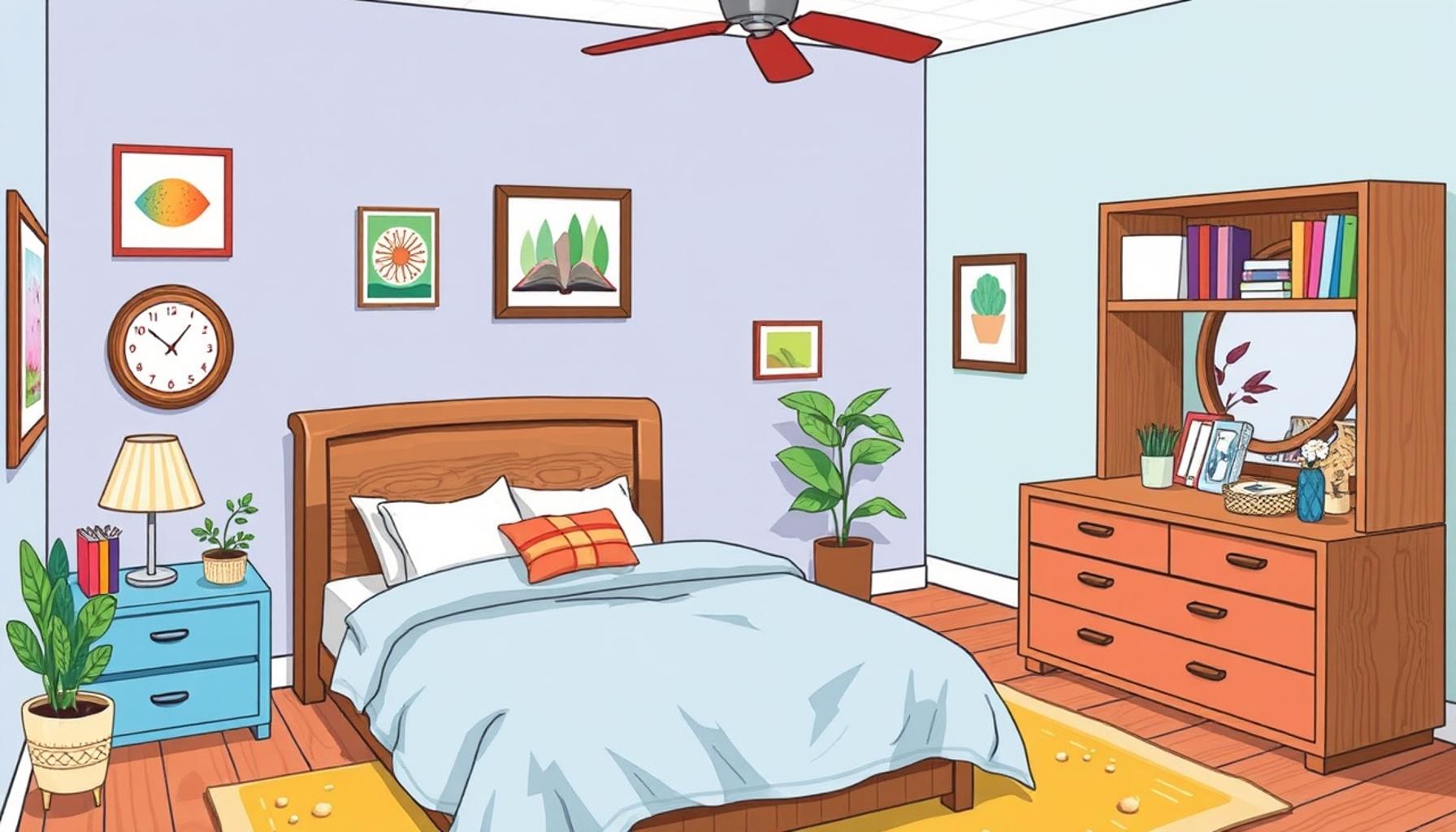
In today’s fast-paced urban environments, many individuals and families find themselves living in compact spaces. As a result, redesigning your bedroom to make the most of its available space becomes crucial in creating the ideal restful retreat. By rethinking bedroom layouts, not only can you enhance the overall aesthetics, but you can also significantly improve functionality. Let’s explore innovative strategies that can transform even the tightest quarters into serene sanctuaries.
When embarking on your bedroom design journey, consider the following key elements:
- Multi-Functional Furniture: Incorporating furniture that serves more than one purpose can greatly enhance your space efficiency. For instance, a bed with built-in drawers or a murphy bed that folds away can free up valuable floor space during the day. Consider adding a desk that can double as a nightstand, or ottomans that can serve both as seating and storage.
- Strategic Placement: The layout of furniture plays a significant role in creating a harmonious flow and ensuring accessibility. Placing your bed against the longest wall can open up pathways and allow for natural movement within the room. Use corner spaces wisely by placing shelving units or decorative elements that do not impede foot traffic.
- Color and Lighting: Employing a thoughtfully chosen color palette and proper lighting can dramatically alter the perception of space. Lighter colors such as soft whites and pastels can make a room feel larger and more airy, while mirrors can reflect light and enhance brightness. Layered lighting, including ambient, task, and accent lighting, can create a cozy atmosphere while maximizing visual space.
Transforming small bedrooms into oasis-like spaces is entirely attainable through the use of space efficiency techniques. Clever storage solutions like under-bed bins, wall-mounted shelves, and multifunctional closet systems not only declutter but also create an organized environment. Moreover, embracing minimalistic design principles encourages a clean aesthetic that can lead to a more calming atmosphere.
As we delve deeper into this topic, we will explore more tips and methods that can help turn your bedroom into a perfectly organized and soothing environment. From ingenious layout adjustments to the integration of smart technology for controlling lighting and heating, the possibilities are limitless. Stay with us to discover how you can create a bedroom that is not just a place to sleep, but a true sanctuary of rest and relaxation, even in the smallest of spaces.
DISCOVER MORE: Click here to dive deeper
Embracing Space-Saving Solutions
When it comes to creating your ideal bedroom atmosphere, space-saving solutions play a pivotal role in enhancing both functionality and comfort. Maximizing every square foot can lead to an environment that promotes relaxation and tranquility, allowing you to unwind after a long day. Understanding how to strategically utilize your space can transform an ordinary room into an extraordinary retreat. Here are some effective techniques to consider:
- Vertical Storage Options: One of the most effective ways to maximize space is to go vertical. Building upwards can free up floor space and help create a more open feel. Installing shelves above your bed or along walls can store books and decorative items without taking up much room. Consider using tall bookcases or wall-mounted cabinets to draw the eye upward, making the room appear taller.
- Use of Mirrors: Mirrors are not just decorative elements; they are powerful tools for expanding the perception of space. A strategically placed mirror can reflect light and make a small room feel larger and more inviting. Larger wall mirrors or mirrored furniture can also add a chic touch, combining functionality with aesthetics.
- Nesting Furniture: Nesting tables and stacking chairs are excellent space-efficient solutions, especially in smaller bedrooms. When not in use, these pieces can be tucked away neatly, allowing for more open space. They can easily be pulled out for guests or additional use, providing versatility without compromising style.
In addition to these strategies, maximizing natural light is crucial in small bedroom spaces. Large windows or strategically placed glass doors can create an illusion of larger dimensions, inviting the outdoors in and minimizing the sense of confinement. Layering sheer curtains can soften harsh light while still allowing brightness to fill the room.
It’s also essential to focus on the flow of the space. Creating a comfortable layout involves more than just putting furniture in the room; it incorporates ensuring there’s enough space to move effortlessly. Consider the placement of your bed, especially if it’s a larger model. A queen or king-size bed should ideally allow for at least two feet of walking space around it to facilitate movement and create a more relaxed environment.
Furthermore, integrating technology into your bedroom can serve both practical and aesthetic purposes. Smart devices can control lighting, temperature, and even curtains, promoting energy efficiency and convenience. How you arrange your electronics—like opting for wall-mounted TVs or consolidating charging stations—can eliminate clutter, further enhancing your restful retreat.
By using these space efficiency techniques, not only do you create a bedroom that feels open and relaxed, but you also cultivate an environment that is tailored to your lifestyle. Each decision contributes to a harmonious living space, allowing for both beauty and utility. As we proceed deeper into the nuances of bedroom layouts, prepare to explore more methods to enrich your sanctuary at home.
Exploring Innovative Space Efficiency Techniques
In today’s fast-paced world, optimizing your space is more important than ever, especially in the bedroom – a sanctuary for relaxation and restorative sleep. The layout of your bedroom can significantly influence both its functionality and ambiance. One key technique is to leverage vertical space. Adding tall shelving units not only provides storage but also draws the eye upward, giving an illusion of greater height and openness. Incorporating multi-functional furniture, such as beds with built-in drawers or couches that convert into beds, is another effective strategy. This approach maximizes utility while minimizing clutter, presenting a more serene environment conducive to a restful retreat.
Smart Storage Solutions
Utilizing smart storage solutions is essential in a compact bedroom layout. Consider under-bed storage boxes or utilizing the space behind the door for hanging organizers to keep essentials within reach yet out of sight. Furthermore, wall-mounted nightstands or floating shelves can free up valuable floor space, contributing to an overall organized look. This eliminates unnecessary distractions and promotes tranquility, thereby enhancing the atmosphere vital for restful nights.
Color and Lighting Considerations
The transformative power of color and lighting should not be overlooked. A light, neutral palette can make a small space feel airy and spacious, while mirrors can reflect light and create depth, enhancing the overall sense of openness. Soft, adjustable lighting options, such as dimmable lamps or string lights, can add warmth and intimacy, crucial for a cozy bedroom retreat. These techniques not only increase the aesthetic appeal but also significantly affect mood and sleep quality.
Personal Touches for a Restful Retreat
Finally, personal touches play a significant role in creating a restful retreat. Incorporating elements of nature through indoor plants not only beautifies the space but also improves air quality. Art pieces, photographs, or textiles that resonate with your tastes can transform a standard bedroom into a personal haven. By carefully curating your space, you foster an environment that supports relaxation, reflection, and restful sleep.
| Advantages | Benefits |
|---|---|
| Maximized Space | Efficient use of limited space enhances functionality without compromising style. |
| Improved Aesthetics | A well-organized and balanced layout promotes a calming atmosphere. |
Leveraging these effective space efficiency techniques will not only improve bedroom functionality but also create a serene environment vital for restorative relaxation. The result is not just a room but a personalized retreat that caters to both physical comfort and emotional well-being.
DIVE DEEPER: Click here to discover the power of time blocking
Flexible Layout and Multi-Functional Spaces
As the necessity for efficient living grows, so does the creativity in bedroom layouts. Multi-functional furniture is emerging as a game-changer for maximizing space while maintaining an inviting atmosphere. Investing in pieces that serve dual purposes can dramatically reconfigure your room’s dynamics. For instance, consider a bed with built-in storage drawers or a lofted bed that creates additional space beneath for a desk or lounge area. These options not only save space but also enhance organization and functionality.
Another innovative approach involves using furniture that offers adaptability. Foldable desks or wall-mounted workstations can transform your bedroom into a workspace whenever needed, and just as quickly revert to a relaxation zone. This transient functionality is particularly appealing for urban dwellers who may have limited space but diverse needs. Similarly, consider Murphy beds, which fold away into the wall when not in use, allowing for seamless transitions between day and night activities.
Designing your bedroom with flexibility in mind also invites the opportunity to create cozy corners tailored to varying moods or activities. For example, integrating a small armchair with a side table allows for a reading nook; or a padded bench at the foot of the bed provides both function and comfort. The creation of these specific zones can invite calmness and encourage leisure activities, making your bedroom more than just a place for sleep.
Thoughtful Color Schemes and Textures
Your choice of colors and textures can profoundly impact the perceived size and atmosphere of your bedroom. Light hues, such as soft whites, pale blues, or pastel greens, can make the room feel airy and open, while darker shades can create an intimate, cocoon-like feeling. Using a monochromatic color palette is also an appealing approach, as it can create a seamless look and enhance the sense of space.
Textures and patterns can play a crucial role in adding depth to your bedroom without overwhelming it. Layering various textures through bedding, rugs, and curtains can create visual interest while maintaining a cohesive look. For example, a plush throw over a sleek, modern duvet can provide warmth without taking up space. Furthermore, incorporating natural materials like wood or bamboo not only brings in environmental elements but can help create a calming atmosphere conducive to rest.
Lighting is another critical element to consider when rethinking layouts. Proper lighting can radically change a room’s feel. Opting for adjustable lighting options, such as dimmer switches or layered sources (overhead, task, and ambient lighting) can cater to different moods and needs throughout the day. Using soft white bulbs in bedside lamps can enhance relaxation, while brighter, cooler lights help energize the space during daylight hours.
Lastly, consider the integration of plants or greenery into your bedroom layout. Incorporating indoor plants not only adds visual appeal but also improves air quality and creates a more refreshing and vibrant atmosphere. Strategically placing small potted plants on shelves or hanging greenery can bring life and color to your space with minimal footprint, further enhancing your restful retreat.
DISCOVER MORE: Click here to unlock the secrets of time blocking in a minimalist lifestyle.
Final Thoughts on Maximizing Bedroom Space
Rethinking bedroom layouts through innovative design and functionality is paramount in creating a restful retreat that aligns with modern living. The integration of multi-functional furniture and adaptable spaces not only maximizes efficiency but also transforms the way we interact with our bedrooms. By incorporating pieces that serve more than one purpose—such as beds with storage or foldable desks—homeowners can enjoy a seamless blend of comfort and practicality.
In addition, color schemes and textures contribute significantly to the ambiance and perceived space in the room. Choosing lighter hues and layering textures can create an inviting environment conducive to relaxation. Furthermore, careful consideration of lighting and the addition of greenery can enhance both the aesthetic appeal and the overall atmosphere, fostering a sense of calm and rejuvenation.
Ultimately, the process of rethinking bedroom layouts is about embracing the possibilities within limited spaces. By prioritizing efficiency and personal comfort, each element can be thoughtfully curated to promote an atmosphere that is not only functional but also restorative. As we continue to adapt to evolving living situations, exploring these techniques offers a pathway to a more harmonious and enjoyable living experience. The bedroom is not just a place for sleep; it can be an oasis of tranquility with the right layout and design choices.

Beatriz Johnson is a seasoned minimalist and writer with a passion for simplifying the complexities of personal organization and decluttering. With over a decade of experience in the field, she specializes in topics like minimalist living, efficient organization strategies, and creating intentional spaces. Through her work, Beatriz empowers readers to make mindful decisions about their belongings, streamline their lives, and embrace a more organized and fulfilling lifestyle.