
How to Use Automation Resources to Increase the Efficiency of Mobile Devices
The Mobile Revolution: Embracing Automation
As the digital landscape evolves, mobile devices have transcended their traditional roles as mere communication tools. They have become essential components of our lives, facilitating everything from work to entertainment. To fully harness the capabilities of these devices, maximizing their performance is critical, and that’s where automation resources come into play.
Understanding Automation
Automation, in the context of mobile devices, refers to the use of technology to perform tasks automatically without specific user intervention at every step. The benefits are numerous and can significantly enhance user experience. Imagine never having to set reminders for recurring appointments; instead, automation can handle this for you with just a few settings.
Benefits of Automation
- Task Scheduling: One of the most powerful advantages of automation is the ability to schedule and automate repetitive tasks. For example, using apps like IFTTT (If This Then That) or Apple’s Shortcuts, you can program your phone to send out good morning texts at a specific time or remind you to drink water every hour. This not only saves time but also helps in forming beneficial habits.
- Resource Management: Mobile devices often struggle with battery life and performance due to numerous background processes. Automation tools like Tasker allow users to streamline resource usage by controlling which apps run and when they should be active. For instance, you can set your phone to limit background data while connected to Wi-Fi, preserving battery life significantly.
- Smart Integrations: Automation also enables the integration of different applications to create a cohesive user experience. For example, integrating your calendar and email apps can allow notifications for meetings to display promptly without cluttering your notifications. This seamless interaction can make multitasking more efficient than ever.
The Future of Automation in Mobile Technology
The landscape of mobile technology is continually advancing. Major smartphone manufacturers are investing heavily in automation features, such as Google’s Assistant and Apple’s Siri. These innovations not only assist in personal management but also centralize control, allowing users to adjust device settings through simple voice commands.
Moreover, as artificial intelligence continues to develop, we can expect even more sophisticated automation features that adapt and learn from our habits. This personalization will inevitably lead to enhanced user satisfaction, reducing frustration and creating remarkable fluidity in everyday tasks.
As users, understanding and adopting these automation strategies can provide a distinct advantage in navigating our increasingly fast-paced world. With the right tools and knowledge, mobile devices can become extensions of our own capabilities, making life easier, more organized, and certainly more enjoyable.

DISCOVER MORE: Click here to learn tips for optimizing your cloud storage
Unlocking the Potential of Mobile Automation
In a world where time equals productivity, utilizing automation resources on mobile devices is quickly becoming a necessity rather than a luxury. As users navigate their daily routines, the ability to automate tasks transforms mundane interactions into seamless experiences. Harnessing these resources can significantly contribute to a more efficient use of mobile devices, allowing users to focus on what truly matters.
Popular Automation Tools for Mobile Devices
With a myriad of automation tools available, understanding which ones to implement can be game-changing. Here are several widely recognized applications that can streamline tasks and enhance productivity:
- IFTTT (If This Then That): This robust platform connects various apps and services to trigger specific actions automatically. For instance, you can set it up so that every time you add a new photo to a particular album, it automatically backs up to cloud storage. This integration of services saves time and ensures data safety.
- Zapier: Similar to IFTTT, Zapier focuses on creating workflows between applications. For example, a busy professional can automate the process of logging email attachments to Google Drive simply by linking their email account with Zapier, ensuring files are always organized and accessible without manual input.
- Apple Shortcuts: A built-in feature for iOS users, Apple Shortcuts allows for extensive automation of tasks within the Apple ecosystem. Users can create custom shortcuts for frequently used actions, such as a “Good Morning” routine that adjusts settings, sends specific messages, and reads out calendar events for the day—all with a single trigger.
- Tasker: For Android users, Tasker opens up a world of capabilities by allowing complete customization of processes based on conditions and triggers. Users can automate everything from connection settings to notifications, further enhancing the efficiency of their devices.
Implementing Automation: Start Small
When venturing into automation, it’s advisable to start small. Beginners may find it overwhelming to integrate complex workflows immediately. Instead, focusing on one or two simple automation strategies can yield significant efficiency gains without overcomplicating the user experience. For instance, automating the reminder for your daily exercise can take only a few minutes to set up yet can have lasting effects on your productivity and health.
Additionally, by incrementally increasing automation tasks, users can identify which processes benefit most from automation and refine their approach. This way, individuals can develop a customized solution that meets their unique needs rather than relying on one-size-fits-all automation.
As mobile technology continues to evolve, the opportunities for enhancing efficiency through automation resources are boundless. Embracing these tools not only smooths the workflow but also enhances the overall experience of mobile technology, making our devices true companions in our busy lives.
Understanding Automation Resources
Automation resources play a pivotal role in enhancing the efficiency of mobile devices. By leveraging automated applications, users can significantly reduce manual tasks. These resources can be tools like task schedulers, automation scripts, or even built-in software features that perform repetitive functions seamlessly.
Key Advantages of Using Automation
The integration of automation within mobile devices not only saves time but also optimizes device performance. For example, features such as automated updates help ensure that operating systems and applications are always up to date without user intervention. Moreover, automation aids in energy efficiency; specific automations can disable unused applications during non-active hours, extending battery life when devices are not in use.
| Category | Advantages |
|---|---|
| Smart Scheduling | Effortlessly plan tasks for times when the device is most efficient. |
| Battery Management | Automated controls reduce power consumption by prioritizing active applications. |
Overall, the advantages of using automation resources can lead to notable improvements in productivity when utilizing mobile devices. Enhanced user experiences result from proactive application management and time-saving automation solutions.
DISCOVER MORE: Click here to enhance your cloud storage strategies
Expanding Automation: Beyond the Basics
Once you’ve grasped the fundamentals of mobile automation, it’s time to explore advanced techniques that can take your efficiency to new heights. By delving deeper into the capabilities of automation tools, you can create innovative solutions that cater specifically to your lifestyle and work demands.
Integrating with Smart Home Devices
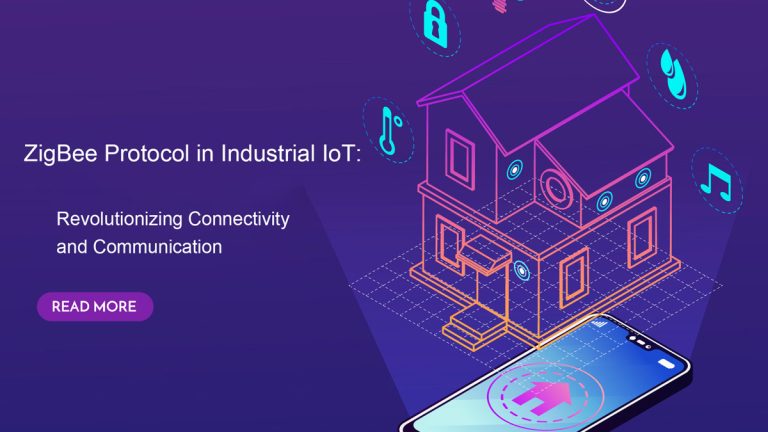
One of the most exciting advancements in mobile automation comes from the integration with smart home devices. Smart technology allows users to control their environment effortlessly, creating an ecosystem of automation. For instance, if you have a smart thermostat, pairing it with your mobile device allows you to adjust the temperature based on your location. With tools like Google Home and Amazon Alexa, users can set routines that trigger actions based on specific commands or time of day. Imagine waking up to a warm house, lights gently illuminating, and your favorite music playing—all automated with a simple voice command or scheduled routine on your phone.
Leveraging Machine Learning for Personalized Automation
The integration of machine learning into automation tools is also worth noting. More sophisticated applications, such as Google Assistant or Siri, use machine learning to understand users’ habits and preferences over time. This means not only can you automate tasks based on preset conditions, but the applications can also start to suggest automations based on your previous behavior. For example, if you routinely check your email at 9 AM, your assistant can offer to summarize unread emails or highlight important messages when it detects you are commuting to work.
Automating Regular Social Media Activities
Another area where automation shines is in managing social media activities. Tools like Buffer and Hootsuite allow users to schedule posts, track engagement, and generate analytics reports—streamlining the often time-consuming task of social media management. Moreover, automation can help in curating content. Through IFTTT or Zapier, users can establish alerts that notify them of trending topics or articles in their field of interest, ensuring they never miss an opportunity to engage with their audience. This not only saves time but also enhances online presence and strategy without needing constant oversight.
Utilizing Automation for Personal Finance
Efforts toward achieving financial literacy can also be enhanced with mobile automation. Applications like Breeze or Mint automate budgeting by categorizing expenses and tracking savings goals. Users can set reminders for bill payments or receive alerts on spending limits, reducing the likelihood of missed payments and aiding better financial decisions.
Monitoring Fitness and Health
In the realm of health and wellness, automation can serve as a vital companion. Apps such as MyFitnessPal and Fitbit sync with mobile devices to track calories consumed, exercise routines, and even sleep patterns. With automation features, users can receive reminders to take breaks during work, drink water, or even stand up and stretch—all personalized based on daily health analytics provided by the device. This fosters not only well-being but also productivity through better physical health, emphasizing the unbreakable liaison between efficiency and personal care.
By leveraging the vast array of automation tools and integrating them across various aspects of daily life, users unlock a world where efficiency becomes second nature. The ultimate goal is to create a seamless experience that reduces the burden of repetitive tasks, allowing individuals to channel their focus into deeper work and creativity. As more users adapt to these practices, the future of mobile device efficiency looks promising.
DISCOVER MORE: Click here to uncover tips for saving on cloud storage costs
Conclusion: Embracing a Smarter Future with Automation
As we navigate an increasingly digital world, the importance of leveraging automation resources to enhance the efficiency of mobile devices cannot be overstated. The methods highlighted—from integrating smart home devices and utilizing machine learning applications to automating finances and health tracking—are just the tip of the iceberg. As individuals and organizations adopt these technologies, they stand to gain not only in terms of time savings but also in overall productivity.
The rich landscape of automation enables users to create a tailored digital environment that supports their personal and professional goals. By employing tools that connect various aspects of life, from smart home interfaces to innovative budgeting apps, individuals can streamline their daily routines and focus on more impactful tasks. Furthermore, as automation becomes more intelligent and adaptive, users will find themselves equipped with solutions that evolve alongside their needs and behaviors.
Ultimately, the goal of incorporating automation resources is to foster a seamless experience that empowers users. It is about more than just technology; it is about creating a lifestyle where efficiency and convenience become ingrained habits. As advancements continue in mobile automation, now is the time to explore these resources and transform the way we interact with our devices. The future beckons with unparalleled potential waiting to be unlocked.

Beatriz Johnson is a seasoned tech writer and digital tools expert with a passion for simplifying the complexities of technology and mobile applications. With over a decade of experience in the tech industry, she specializes in topics like productivity apps, software reviews, and emerging digital trends. Through her work, Beatriz empowers readers to make informed technology choices and stay ahead in the ever-changing world of apps and innovation.