Gamification Strategies to Enhance User Experience in Applications
Understanding Gamification’s Role in User Engagement
As digital interactions become central to our routines, it’s essential for businesses to capture and maintain user attention. Gamification has emerged as an innovative approach that leverages game mechanics in non-game contexts to boost user involvement significantly. It transforms ordinary applications into engaging platforms where users feel motivated to participate actively and frequently.
The essence of gamification lies in its ability to tap into human psychology. By understanding the factors that drive motivation, developers design experiences that transition mundane tasks into exhilarating challenges. For instance, many fitness apps utilize gamification by allowing users to set personal goals while offering badges and rewards for reaching new fitness milestones. This approach not only adds an element of fun but also encourages consistency in users’ fitness journeys.
Key Techniques of Gamification
Several gamification strategies have proven effective in boosting engagement:
- Leaderboards: These create a sense of competition among users. For example, platforms like Strava show how users rank compared to friends and other athletes, fostering a community where individuals push each other to excel.
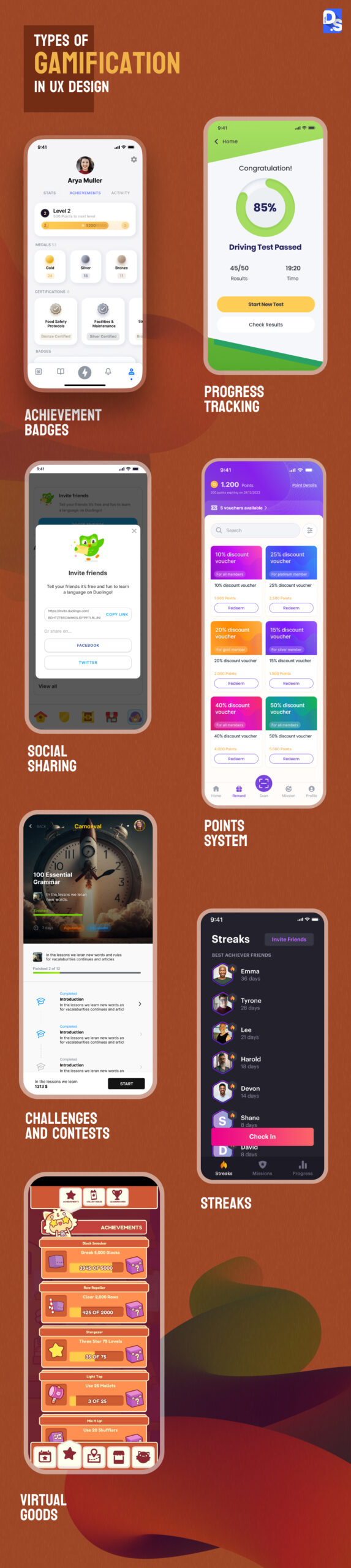
- Achievements and Badges: Rewarding users with visual tokens for their accomplishments keeps them motivated. Applications like Duolingo reward language learners with badges as they complete lessons, thus encouraging continual progress.
- Progress Tracking: Providing visual cues such as progress bars helps users see how far they have come. E-commerce platforms may use this by showing users how close they are to achieving a discount or reward, enticing them to complete their purchases.
- Challenges and Quests: Structured goals that users can work towards. In education apps, for instance, prompts that encourage students to complete specific learning tasks create a sense of accomplishment and foster engagement.
Numerous studies underscore the effectiveness of gamification. For example, a report by the *Journal of Business Research* found that gamified elements can increase user engagement by as much as 60%. The variability in user satisfaction associated with gamified experiences reflects a pivotal shift in how applications create value for their users. By understanding and employing gamification strategies, businesses can not only enhance user experience but also differentiate themselves in competitive markets.
As industries evolve, the adoption of gamification is likely to become even more prominent. Whether in mobile applications, educational platforms, or corporate training programs, the integration of game-like elements presents a significant opportunity to revolutionize how users interact with digital content. The time has indeed come for businesses to unearth the potential of gamification and reshape user engagement in ways that captivate and inspire loyalty.
DON’T MISS OUT: Click here for expert tips on saving costs
Implementing Effective Gamification Techniques
To truly harness the power of gamification, developers must implement strategies that effectively resonate with their audience. This involves not just adding game-like elements but understanding the motivations and behaviors of users to create an immersive experience. By focusing on psychological triggers and emotional responses, applications can evolve beyond basic functionalities into engaging environments that cultivate long-term loyalty.
Let’s explore some of the most impactful gamification strategies that can transform user experience in various applications:
- Personalization: Tailoring gamified elements to fit individual preferences enhances user satisfaction. For instance, apps like Spotify offer users personalized playlists and achievements based on their listening habits, encouraging them to explore new artists while feeling recognized for their choices.
- Storytelling: Incorporating narratives within the gamified experience can deeply engage users. Apps targeting education or fitness can create story arcs where users follow a character’s journey, improving retention rates. For example, the app Zombies, Run! immerses users in a storyline while they complete their runs, making exercise feel more rewarding.
- Social Interaction: Many successful applications utilize social features to enhance competition and collaboration. Platforms like Fitbit allow users to share their progress and compete in challenges with friends, fostering community engagement. This interaction not only motivates users but also creates a sense of belonging.
- Time-bound Challenges: Introducing limited-time offers or events can spur users into action. Gaming applications often host events where players must complete challenges within a specific timeframe, creating excitement and urgency. For example, mobile games frequently introduce seasonal challenges that encourage users to log in regularly to claim exclusive rewards.
Research supports the effectiveness of these techniques. A study published in the *International Journal of Human-Computer Interaction* revealed that personalized experiences could enhance user commitment by upwards of 30%. By leveraging gamification strategies, applications not only boost user satisfaction but also drive desired behaviors, such as increased usage frequency and retention.
Moreover, as the landscape of digital applications continues to evolve, the role of gamification is becoming increasingly crucial. Businesses that recognize the importance of these strategies can create a significant competitive advantage. For example, in the fintech sector, apps like Mint gamify budgeting by allowing users to set savings goals and earn rewards, transforming personal finance management from a chore into a game.
As we delve deeper into how businesses can successfully implement these gamification strategies, it becomes clear that the potential for enhancing user experience is vast. With the right approach, applications can not only engage users on a deeper level but also foster a loyal community that actively contributes to the platform’s growth and success.
Exploring Gamification Strategies
Gamification strategies offer innovative avenues to improve user experience in applications by integrating game mechanics into non-gaming contexts. These strategies foster engagement, motivation, and user retention, demonstrating significant outcomes in various fields, from education to customer service. Let’s dive deeper into some key advantages and framework elements driving these strategies.
| Advantage | Description |
|---|---|
| Enhanced Engagement | Gamification captures user attention through challenges, rewards, and interactive elements, making tasks more enjoyable. |
| Increased Retention | Users are more likely to return to applications infused with gamification techniques, turning sporadic users into loyal customers. |
By incorporating gamification strategies, developers can create an environment where users are not merely passive participants but active contributors to their own experience. The excitement brought about by levels, badges, and rewards transforms mundane interactions into thrilling challenges. Addressing user needs, feedback, and preferences through these strategies leads to higher satisfaction rates, making it imperative for organizations to adapt and innovate in the digital landscape.
Understanding the foundational elements of gamification can help in crafting tailored strategies that resonate with target audiences. The engagement levels achieved through these practices not only foster great user experiences but also improve the overall functionality of applications, paving the way for the future of software development.
DISCOVER MORE: Click here for tips on optimizing cloud storage
Leveraging Data and Feedback Loops
To maximize the effectiveness of gamification strategies, integrating data analytics and feedback mechanisms is essential. Applications can utilize data-driven insights to monitor user behavior, preferences, and engagement levels. This approach allows developers to refine their gamified elements continually, ensuring they remain relevant and appealing to users.
One effective strategy is the implementation of feedback loops. Feedback loops engage users by providing immediate responses to their actions, which is a powerful motivator. For instance, fitness apps like Strava allow users to log their workouts and immediately receive feedback through metrics and personal bests. This instant gratification reinforces the user’s commitment to their fitness goals while enhancing the overall experience. Furthermore, incorporating visual cues, such as progress bars or achievement badges, can give users a clear indication of where they stand in their journey, pushing them to strive for more.
Analytics play a critical role in understanding user engagement. Utilizing A/B testing allows developers to experiment with various gamification elements—such as points, badges, leaderboards, or levels—and analyze which features spur greater interaction rates. According to a study by Gartner, organizations that analyze user data effectively can increase user engagement by up to 25%. By identifying which gamified features resonate the most with users, applications can focus their resources on enhancing those elements, leading to improved satisfaction and retention rates.
Creating a Rewarding Ecosystem
Another pivotal aspect of successful gamification is the establishment of a rewarding ecosystem. To entice users to participate actively and explore the application, providing a variety of rewards is key. There are several approaches to this concept:
- Tiered Rewards: Implementing a tiered reward system can create a sense of progression. Users may begin with small rewards that incentivize initial engagement and, as they achieve specific goals, unlock larger rewards. For example, the language-learning app Duolingo offers virtual currency and additional features as learners progress through levels, fueling their desire to continue learning.
- Virtual Goods: Gamification can also include virtual goods, which can enhance the user’s experience within an app. Mobile games often allow players to earn skins, characters, or boosts that personalize their gameplay. This level of personalization not only fosters deeper engagement but can also prompt users to share their achievements on social media, promoting organic growth for the application.
- Real-World Rewards: Some applications take it a step further by offering tangible incentives. For example, consumer loyalty apps, like Starbucks Rewards, enable users to earn points for purchases that can be exchanged for real-world items like drinks, food, or exclusive merchandise. This strategy not only drives user retention but also increases the overall life cycle value of customers.
In a competitive landscape where users are inundated with options, leveraging effective gamification strategies backed by real-time data and rewarding ecosystems can significantly enhance user experience. By tapping into these techniques, developers stand not only to engage users but also to cultivate a community of advocates who contribute to the app’s ongoing success. As businesses continue to innovate, those that prioritize user engagement and experience through gamification will likely find a prosperous place in their respective markets.
DISCOVER MORE: Click here for essential tips on optimizing cloud storage
Conclusion
As the digital landscape becomes increasingly saturated, the implementation of gamification strategies presents a pivotal avenue for developers and businesses to enhance user experience in applications. By tapping into the innate human desire for achievement and competition, applications can not only engage users but also convert casual visitors into loyal advocates. The focused use of data analytics, tailored feedback loops, and a variety of rewards ensures that users feel appreciated and motivated throughout their interactions.
Moreover, creating an environment where users can progress through tiered rewards or earn virtual goods increases personalization, fostering a deeper connection with the application. Real-world rewards further amplify this connection, driving user retention and ultimately maximizing the application’s value in competitive markets. With findings suggesting that effective use of data can boost engagement by up to 25%, there lies an immense opportunity for businesses willing to adapt and innovate.
In summary, the potential benefits of employing gamification strategies are vast, not only enhancing user satisfaction but also promoting a thriving community around applications. As trends continue to evolve, staying abreast of user preferences and integrating these dynamic features will be essential. For businesses aiming to thrive in an ever-evolving digital environment, the question is not whether to embrace gamification, but how to do so effectively. The journey towards creating a unique user experience begins with understanding the fundamentals of gamification and leveraging them to captivate and retain users.

Beatriz Johnson is a seasoned tech writer and digital tools expert with a passion for simplifying the complexities of technology and mobile applications. With over a decade of experience in the tech industry, she specializes in topics like productivity apps, software reviews, and emerging digital trends. Through her work, Beatriz empowers readers to make informed technology choices and stay ahead in the ever-changing world of apps and innovation.