
Tips for Creating Effective Prototypes that Enhance User Experience
The Importance of Prototyping in Product Development
In today’s fast-paced digital landscape, creating effective prototypes is essential for developing products that resonate with users. Prototyping is not merely a step in the design process; it serves as a valuable bridge between ideas and user feedback. The right approach can significantly enhance the overall user experience.
To achieve this, consider a few key aspects when crafting your prototypes:
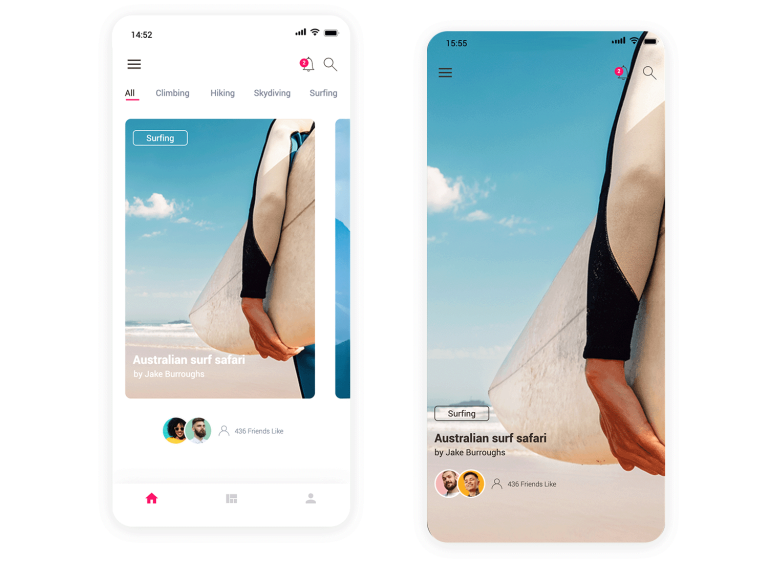
- Clarity of Purpose: Every prototype should clearly convey its intended function. For example, a mobile app prototype must effectively display the core features, such as navigation and user interactions, to ensure users understand the app’s utility right away.
- User-Centric Design: Involve real users early in the process to gather authentic feedback. Conducting focus groups or usability tests with potential consumers can unveil insights that even the best designers might overlook.
- Iterative Testing: Employ multiple iterations to hone in on the best design solutions. This process often involves creating mock-ups, testing them, and refining them based on rigorous user input, which continuously leads to improved designs.
Statistics reveal a compelling narrative about the impact of focusing on user experience. For instance, a study from the Design Management Institute illustrates that design-driven companies outperform the S&P 500 by an impressive 228%. This staggering figure emphasizes how investing in good design translates to tangible business success. Moreover, effective prototyping can significantly reduce development costs and time by proactively identifying usability issues. Early detection of these issues means that companies can avoid costly changes during later phases of development.
As we dive deeper into the strategies for creating effective prototypes, it is important to recognize the critical role of feedback loops. Engaging users throughout the prototyping process fosters a co-creation atmosphere where ideas can flourish and evolve. Additionally, utilizing tools like interactive wireframes or digital mock-ups can provide a hands-on way for potential users to experience functionality, thereby enriching their feedback and aligning the product more closely with their needs.
By integrating these approaches into your prototyping process, you can lead to innovative solutions that not only meet user needs but also create delightful interactions. The eventual goal is to conjure a product that is not just functional, but also engaging and enjoyable to use. As we explore the tips for creating effective prototypes, readers will discover how to navigate challenges and maximize user engagement, ensuring a more successful product launch.

DISCOVER MORE: Click here for essential tips
Understanding Your Users Through Effective Prototypes
Creating effective prototypes that enhance user experience starts with a deep understanding of your target audience. Identifying who will ultimately use your product lays the groundwork for a design that truly resonates. Conducting thorough user research—through surveys, interviews, and observation—can provide significant insights into the preferences, pain points, and expectations of potential users. By gathering this data, designers can mold prototypes that address genuine user needs rather than assumptions.
Moreover, it is essential to create personas—detailed profiles representing different segments of your user base. These personas should encapsulate vital demographic information, behavioral traits, and motivations. Thus, when prototyping, designers can refer back to these personas to ensure the design is tailored to user preferences, resulting in more meaningful interactions. For instance, designing a e-commerce platform requires an understanding of the user journey from product discovery to checkout. If your prototype effectively mirrors this journey, it increases the likelihood that users will find the product intuitive and enjoyable.
Incorporating User Feedback Early and Often
The most successful prototypes are those that are shaped by real-time user feedback. Implementing early testing phases with low-fidelity prototypes—think basic sketches or wireframes—allows you to gather user impressions before investing time into high-fidelity designs. The idea is to identify potential usability hurdles without extensive engineering resources. Feedback mechanisms can include:
- Usability Testing: During this phase, real users interact with your prototypes, which can highlight navigation issues or areas of confusion.
- Focus Groups: These sessions provide insights into users’ feelings about the product and can uncover features that resonate or fall flat.
- A/B Testing: Testing two variations against each other can indicate which design elements are more engaging or preferred by users.
It’s remarkable to note that a study by the Product Development and Management Association found that companies engaging in user-driven design improve their time-to-market by 30%. This statistic underscores the crucial role of gathering feedback in ensuring that prototypes align closely with user expectations and requirements.
Ultimately, the key to creating effective prototypes lies in maintaining an adaptive mindset. Embracing feedback and being willing to iterate your designs are pivotal steps toward enhancing user experience. It’s not unusual for initial designs to diverge significantly from the final product. Each round of testing and refinement builds upon the last, helping designers strike the right chords with users.
As we continue exploring more tips for creating prototypes, we will delve further into the use of technology and tools that can optimize the prototyping process, ensuring a smoother transition from concept to successful product launch.
| Prototype Type | Advantages |
|---|---|
| Low-Fidelity Prototypes | Quick Feedback and easy adjustments based on user input. |
| High-Fidelity Prototypes | Realistic Interactions that closely mimic the final product, allowing for a comprehensive user test. |
| Interactive Prototypes | Enhanced User Engagement leading to better insights on user behavior. |
Creating effective prototypes is crucial in the design process to enhance user experience. Different types of prototypes cater to various stages of development, providing unique advantages. Low-fidelity prototypes, like paper sketches or wireframes, enable quick iterations and encourage early feedback from users without requiring extensive resources. In contrast, high-fidelity prototypes, which include interactive elements, allow designers to simulate a nearly complete product. These prototypes facilitate in-depth usability testing, revealing how users interact with design in a realistic setting.Moreover, interactive prototypes employ tools that allow users to experience dynamic features. These prototypes not only gather data on user interaction but also help identify pain points in the user journey. Utilizing these varied prototype types not only streamlines the design process but also ensures that the final product resonates with the target audience. By focusing on user feedback and experience, designers can significantly improve usability and functionality in their projects.
DON’T MISS: Click here for essential tips on optimizing cloud storage
Utilizing the Right Tools and Technologies
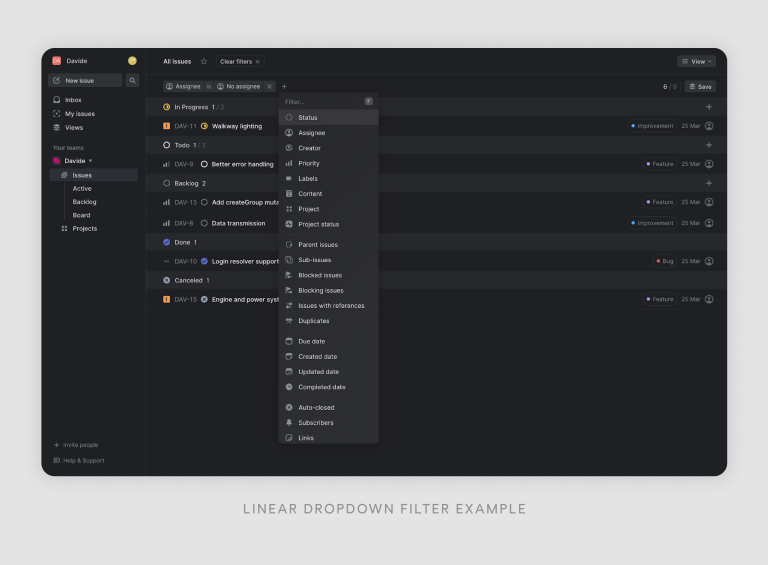
As the prototyping landscape has evolved, so too have the tools and technologies available to designers. Selecting the right software can significantly enhance the prototyping process, allowing for the seamless integration of user feedback and the ability to visualize ideas with precision. Popular prototyping tools such as Figma, Sketch, and InVision provide robust features that give designers the flexibility to experiment with different layouts and interactions while collaborating with team members in real-time.
But beyond merely creating static images, these tools enable the development of interactive prototypes that simulate a user’s journey through the application. This can be particularly vital when you’re exploring complex features, as interactive prototypes allow actual testing of how users navigate through functionalities—akin to navigating a full-fledged application. For instance, using Figma’s prototyping capabilities can help designers easily create transitions between screens, thereby offering stakeholders a more tangible sense of the user experience.
Moreover, utilizing design systems—centralized collections of design assets and guidelines—can promote consistency across all prototypes. By adhering to predefined styles, components, and behaviors defined in a design system, prototypes can maintain a cohesive look and feel that resonates well with users. Many organizations have begun to embrace this concept, especially those adopting an agile approach to development, as it streamlines collaboration between UX designers and developers, ensuring that the product is aligned both creatively and functionally.
Fostering Collaboration Across Teams
Effective prototyping is not solely a task for UI/UX designers; it requires input from various team members across disciplines. Collaborative workshops—often referred to as design sprints—allow cross-functional teams to collaborate effectively and generate ideas rapidly. These workshops encourage creativity and inclusiveness, ensuring that multiple perspectives are considered throughout the design process. For example, involving developers early on can help identify technical constraints or possibilities, while marketers can provide insights into user demographics and expectations.
Utilizing collaborative tools like Miro and Trello can facilitate brainstorming sessions and keep all stakeholders informed throughout the prototyping stages. By keeping communication channels open, teams can enhance the decision-making process and foster a sense of ownership around the design. Engaging the entire team, from inception to iteration, cultivates a culture of shared responsibility, ensuring the prototype evolves to meet collective goals.
Furthermore, when a prototype is reachable and transparent to various stakeholders, it encourages proactive engagement. Holding regular review sessions where team members can interact with the prototype and offer feedback can yield rich insights and lead to innovative refinements that may not have been evident initially. When users feel their opinions are valued, they are more likely to stay invested in the product’s development.
In conclusion, the fusion of appropriate tools, user-centric feedback, and cross-team collaboration sets the stage for prototypes that not only function effectively but also resonate deeply with the target audience. As we continue this exploration into effective prototyping, we will examine how to leverage emotional design principles to create compelling user experiences that foster lasting relationships with your product.
DISCOVER MORE: Click here for essential tips
Conclusion
In the ever-evolving realm of design, the potency of effective prototypes lies in their ability to deliver a compelling user experience. By integrating the right tools, fostering collaboration across various teams, and continuously seeking user feedback, designers can create prototypes that are not only visually appealing but also functionally enriching. The selection of advanced prototyping software, such as Figma or InVision, plays a crucial role in facilitating interactive designs that closely mimic the user journey, allowing for essential real-time testing and improvements.
Moreover, as highlighted, embracing a design system means maintaining consistency throughout the prototypes, thus reinforcing brand identity and streamlining the design process. The importance of cross-disciplinary collaboration cannot be overstated; engaging diverse team members leads to a more holistic perspective, enabling designers to understand user needs from multiple angles. This collaboration, when supported by efficient project management tools like Miro and Trello, accelerates the prototyping cycle, ensuring that every stakeholder remains engaged and informed.
Ultimately, the journey towards crafting prototypes that enhance user experience is iterative and dynamic. It necessitates a commitment to listening to users and iteratively refining ideas to meet their preferences. As we move forward, embracing elements of emotional design can further elevate these prototypes, forging deeper connections with users. By continually exploring new strategies and techniques, designers can create compelling user experiences that not only meet contemporary expectations but also anticipate future needs. The landscape of prototyping is rich with opportunities, calling for creativity, collaboration, and an unwavering focus on the user.

Beatriz Johnson is a seasoned tech writer and digital tools expert with a passion for simplifying the complexities of technology and mobile applications. With over a decade of experience in the tech industry, she specializes in topics like productivity apps, software reviews, and emerging digital trends. Through her work, Beatriz empowers readers to make informed technology choices and stay ahead in the ever-changing world of apps and innovation.