
How to Use User Feedback to Improve User Experience in Apps
Understanding the Value of User Feedback
In today’s digital landscape, improving user experience is crucial for the success of any application. One of the most effective methods to achieve this is by leveraging user feedback. This invaluable input can reshape app design, functionality, and overall engagement.
Why User Feedback Matters
User feedback provides critical insights into how real users interact with an app. Here are some key reasons why it matters:
- Identifies Pain Points: Users are often the first to highlight issues that developers may overlook. For instance, if a navigation button is unintuitive or a feature is difficult to access, users are likely to express frustration. This information allows developers to make necessary adjustments before losing valuable customers.
- Sparks Innovation: Fresh ideas can emerge directly from user suggestions, leading to enhanced features. Consider how social media platforms like Twitter and Facebook frequently roll out new functionalities requested by their user base, such as the introduction of reaction buttons or privacy settings, which keeps the platforms relevant and engaging.
- Builds Loyalty: Incorporating feedback fosters a sense of community, encouraging users to stay engaged. When users see that their ideas lead to tangible changes, they feel valued and are more likely to become loyal advocates for the brand, often spreading the word to peers and contributing to organic growth.
By understanding user sentiment, developers can make data-driven decisions, creating a more intuitive experience. For example, a study by Forrester Research found that a well-designed user experience can increase conversion rates by up to 200%. This statistic makes a compelling case for the integration of user feedback into the development lifecycle.
Getting Started with User Feedback
To effectively harness feedback, follow these strategies:
- Surveys and Polls: Collect structured feedback directly from users. Tools like SurveyMonkey or Google Forms can facilitate this process, allowing developers to ask specific questions and gauge user sentiments efficiently.
- Usability Testing: Observe users interacting with your app to identify bottlenecks. By conducting in-person or remote usability tests, developers can note where users struggle, providing vital insights into app navigation and functionality issues.
- In-App Feedback Tools: Enable users to share their thoughts while using the app. Implementing features such as feedback buttons or chat widgets can reduce friction, making it simple for users to report issues or suggest improvements right at the moment of frustration or excitement.
By strategically utilizing user feedback, developers can create applications that not only meet but exceed user expectations. Engaging with users not only enhances the product but also fosters a community around it, contributing to long-term success and user retention.

DISCOVER MORE: Click here for essential tips
Implementing Effective User Feedback Mechanisms
Once you’ve recognized the significance of user feedback, the next step involves establishing practical mechanisms to gather this invaluable information. Creating pathways for users to share their thoughts and experiences can significantly enhance the application’s effectiveness and user satisfaction. Here are some proven methods that can be employed:
1. Creating a Feedback Loop
Feedback should be seen as a continuous loop rather than a one-time collection process. Establishing a feedback loop means regularly asking for user insights and responding accordingly. This dialog not only enables users to feel heard but allows developers to consistently enhance the app. Consider introducing monthly in-app prompts, reminding users to share their experiences or suggestions.
2. Utilizing Analytics Tools
Metrics can often highlight user behavior that qualitative feedback might miss. By integrating analytics tools, developers can monitor user engagement and identify trends. Understanding how users navigate through your app can pinpoint whether specific features are successful or in need of revision. Tools like Google Analytics and Mixpanel can uncover critical user journeys and highlight points of drop-off, giving insights into where improvements are essential.
3. Engaging in Beta Testing
Before a full rollout of any feature, consider a beta testing phase. This approach invites a select group of users to test new functionality and provide feedback prior to releasing it to the broader audience. This method helps in identifying issues early on and refining the feature based on real-time user inputs. Platforms like TestFlight for iOS or Google Play Beta Testing make beta testing accessible and manageable.
4. Analyzing Social Media Sentiment
Social media serves as a treasure trove for user sentiments, providing unsolicited feedback about user experiences with your app. Regularly monitoring platforms like Twitter, Facebook, and Reddit can unveil broader trends and sentiments that might not be captured through direct feedback methods. Employ social listening tools that analyze mentions about your app, examining whether the conversations are positive, negative, or neutral. Tools like Hootsuite and Brandwatch can help track and analyze this feedback.
5. Creating an FAQ Section Based on User Queries
Analyzing frequently asked questions from users can help identify common pain points or misunderstandings, leading to enhancements in your app’s usability. By addressing these questions in an accessible FAQ section, not only do you assist users in navigating the app more effectively, but you also illustrate an understanding of their needs. This proactive approach not only boosts user satisfaction but reassures them that their difficulties are acknowledged and addressed.
Incorporating these methods allows developers to proactively engage with their user base, fostering an adaptive app development cycle geared toward enhancing user experience. As the application evolves, so too should the mechanisms to gather feedback, driving continued improvements aligned with user expectations.
| Category | Advantages |
|---|---|
| User Engagement | Enhanced interaction leads to more insightful feedback, which can shape your app’s features significantly. |
| Continuous Improvement | Regular updates based on user suggestions create a sense of ownership among users, fostering brand loyalty. |
The use of user feedback is pivotal in enhancing the experience within apps. Actively engaging users and soliciting their thoughts creates a two-way communication channel, ensuring your app evolves in tune with their needs. This approach not only identifies pain points but also opens avenues for new feature development.Moreover, implementing changes influenced by user suggestions promotes a culture of continuous improvement. Users feel valued when their input directly contributes to app enhancements, which not only sustains but amplifies their engagement. Through consistent interaction, apps can also cultivate a loyal user base that feels connected to the brand.It’s essential to analyze feedback trends regularly, as user behaviors can shift over time, influenced by factors such as technological advancements or changing preferences. By staying ahead of these trends, developers ensure their app remains relevant and competitive in the dynamic digital landscape.
DISCOVER MORE: Click here to find out how to save on cloud storage
Transforming Feedback into Actionable Insights
Gathering feedback is only half the battle; the real challenge lies in effectively analyzing and implementing the insights drawn from user perspectives. To truly enhance user experience, it’s vital to translate raw data into actionable strategies. Here are some methodologies that can assist in this transformation:
1. Prioritizing User Feedback for Impact
Given the multitude of feedback received, it’s essential to categorize and prioritize insights based on factors such as user impact and frequency. Employ matrices or scoring systems to assess which feedback could lead to the most significant enhancements. For example, if numerous users express difficulty navigating a particular section of your app, this should be considered a higher priority compared to less common suggestions, like seasonal color changes. This systematic approach ensures that development efforts align with user needs.
2. A/B Testing for Feedback Validation
One effective way to test whether modifications resonate with users is through A/B testing. This technique involves creating two variations of a feature and releasing them simultaneously to different user groups. By monitoring metrics like engagement rates and user satisfaction for each version, developers can identify which enhancements users prefer. A case in point is Spotify’s use of A/B testing when rolling out interface changes, which has helped them refine their features based on direct user responses.
3. Engaging Users in Co-Creation
Involving users in the development process can yield significant dividends. Invite active users to participate in focus groups or design sprints, where they can provide input on new features. This approach not only deepens user engagement but also strengthens loyalty and ensures that newly introduced functionalities align with user expectations. Companies like Airbnb have leveraged co-creation sessions to enhance their user experience, unveiling features that resonate with their audience and create a sense of ownership among users.
4. Continuous User Education and Guidance
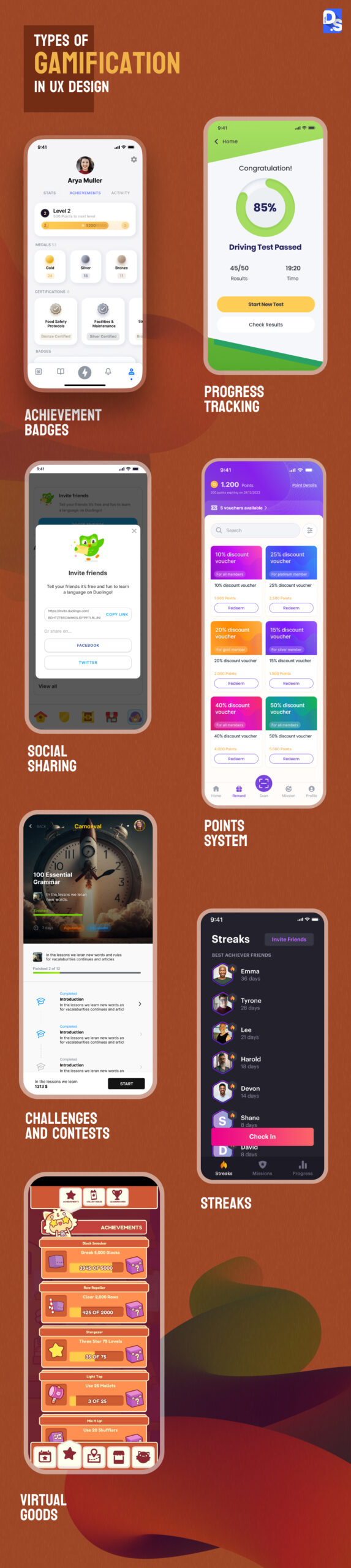
Sometimes, negative feedback arises not from actual app flaws but from user confusion or lack of understanding. Providing users with educational resources—such as tutorials, tip-of-the-day notifications, or comprehensive onboarding processes—greatly enhances usability. An accessible knowledge base can illuminate app features that users might struggle to grasp independently. Companies such as Duolingo have incorporated gamification and interactive walkthroughs as part of their onboarding, greatly improving user retention and satisfaction.
5. Regular Iterative Updates and Communication
The app development ecosystem thrives on continuous improvement. Regular iterations based on user feedback signal to users that their voices are valued. Furthermore, transparent communication about updates and changes fosters trust. Utilize in-app notifications, emails, or dedicated sections within the app to inform users about enhancements inspired by their feedback. A well-executed communication strategy can significantly bolster user loyalty, especially when they see tangible changes resulting from their suggestions.
Embracing these methods creates a dynamic loop where user feedback is not merely collected but actively shapes the development and evolution of the app. By making user feedback a cornerstone of the improvement strategy, developers can create applications that genuinely resonate with their audiences, ensuring enhanced satisfaction and sustained engagement.
DISCOVER MORE: Click here for tips on optimizing cloud storage
Conclusion: The Future of User-Centric App Development
In today’s fast-paced digital landscape, user feedback is not just an optional enhancement; it is a powerful catalyst for shaping superior user experiences. By systematically gathering insights, prioritizing impactful changes, and engaging users in the co-creation process, developers can foster a culture of continuous improvement. The steps outlined—from A/B testing to ensuring regular user education—not only empower developers to innovate but also reinforce the relationship between users and applications.
Moreover, it is essential for developers to maintain a transparent line of communication with their user base. Regular updates and visible adaptations convey that user input is valued and truly considered in the development process. As seen in the practices of industry leaders, like Spotify and Airbnb, the integration of user feedback can transform applications into more engaging, effective, and user-friendly platforms.
To stay competitive, companies must embrace the evolving expectations of users. Enhancing user experience should be a dynamic conversation, not a one-time task. As technology advances, so too should the methods of gathering and implementing feedback. By making a commitment to continually listen and adapt, developers can create apps that not only meet but exceed the evolving needs of their audience. The investment in user feedback today will pave the way for loyal customers and innovative solutions tomorrow.

Beatriz Johnson is a seasoned tech writer and digital tools expert with a passion for simplifying the complexities of technology and mobile applications. With over a decade of experience in the tech industry, she specializes in topics like productivity apps, software reviews, and emerging digital trends. Through her work, Beatriz empowers readers to make informed technology choices and stay ahead in the ever-changing world of apps and innovation.