The Importance of Two-Factor Authentication and How to Implement It
The Importance of Two-Factor Authentication in Today’s Digital Landscape
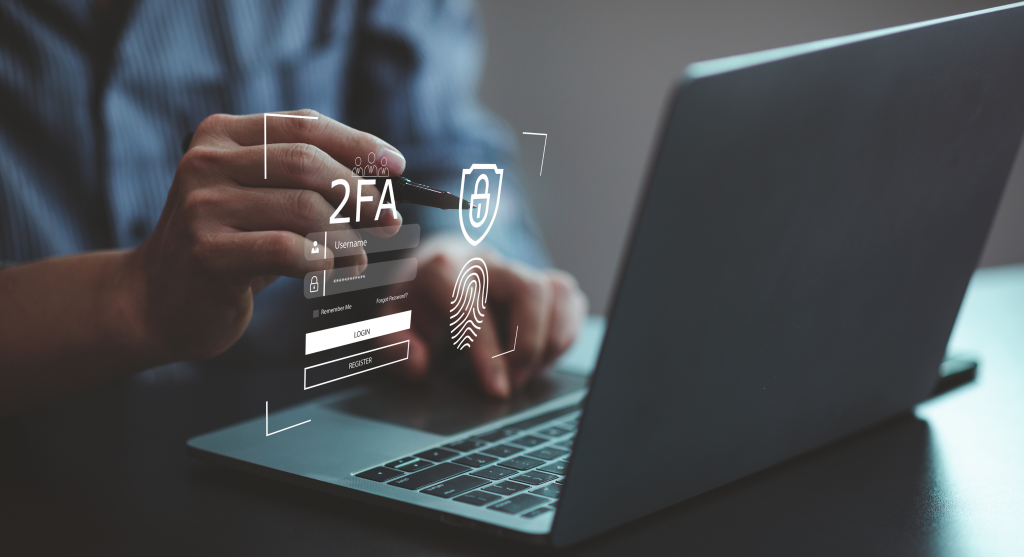
In an era marked by escalating cyber threats, securing personal and sensitive information is more crucial than ever. With data breaches occurring at an alarming rate—over 1,000 breaches reported just in the U.S. in 2022 alone—the reliance on traditional passwords has become increasingly unreliable. Two-Factor Authentication (2FA) emerges as a powerful tool to enhance digital security. By requiring two forms of verification, 2FA offers an additional safeguard against unauthorized access, making it an essential practice for online security.
Understanding the Benefits of 2FA
Comprehending the significance of 2FA starts with recognizing its numerous advantages:
- Enhanced Security: By adding an extra layer of protection beyond just passwords, 2FA ensures that even if a password is compromised, unauthorized users cannot gain access without the secondary verification.
- Data Protection: 2FA safeguards sensitive information like banking details and personal data by requiring verification from two distinct sources, thus significantly lowering the likelihood of data theft.
- Increased Control: Users have the power to manage access across varied platforms effectively, making it easier to monitor and control who can access their accounts.
How to Implement 2FA
The implementation of 2FA is both straightforward and effective. Users can employ several methods, including:
- SMS Verification: This involves receiving a unique code via text message. While convenient, be cautious as SIM swapping could compromise this method.
- Authenticator Apps: Mobile apps like Google Authenticator or Authy generate time-sensitive codes that users enter after their passwords. These apps are generally more secure than SMS as they do not rely on cellular networks.
- Email Verification: Some services will send a link or code to your registered email address upon a login attempt, adding an additional check before granting access.
Taking Proactive Measures Against Cyber Threats
By adopting 2FA, individuals can significantly reduce the risk of unauthorized access and protect themselves from the rising tide of cyber threats. As these threats evolve, it is imperative to stay ahead of cybercriminals through proactive security measures. Begin exploring resources and guides on setting up Two-Factor Authentication today. Discover how you can transform your online safety with simple yet effective steps that not only enhance your security but also provide peace of mind in an increasingly digital world.
Ultimately, implementing 2FA serves as a crucial step in safeguarding your digital life. With cyber threats on the rise, the defense offered by Two-Factor Authentication can make all the difference, highlighting why it should be a priority for everyone engaged in online activities today.
DISCOVER MORE: Click here for optimization tips
Understanding the Benefits of Two-Factor Authentication
As cyber threats continue to evolve and become more sophisticated, understanding the benefits of Two-Factor Authentication (2FA) is essential for anyone navigating the digital landscape. By integrating this extra layer of security into your online activities, you can greatly enhance the protection of your personal and financial information.
Why Two-Factor Authentication Matters
The significance of 2FA lies in its capacity to mitigate risks associated with data breaches. Cybercriminals are constantly developing new methods to hack into accounts, often relying on stolen passwords. A simple password can no longer be considered a robust defense. By requiring a second form of verification, 2FA drastically reduces the likelihood of unauthorized access, effectively adding a barrier that attackers must overcome.
Consider the following points that illustrate the importance of implementing 2FA:
- Protection Against Phishing Attacks: Even the most vigilant users can fall victim to phishing attempts. With 2FA in place, even if your password is compromised through a fraudulent email or website, the attacker will still be unable to access your account without the second factor of authentication.
- Securing Sensitive Transactions: For activities such as online banking or making purchases, 2FA becomes critical. It ensures that even if someone gains access to your account details, they cannot carry out transactions without the necessary two-step verification.
- Building Trust with Users: For businesses, adopting 2FA is not just about protecting their data; it fosters trust with customers. By demonstrating a commitment to security, companies enhance their credibility and reassure users that their information is safe.
Different Methods of Two-Factor Authentication
There are several methods for implementing 2FA, each providing unique security benefits:
- SMS or Text Message Verification: A common method where a unique verification code is sent to the user’s phone via text. While convenient, security experts recommend being cautious since this method can be susceptible to interception if attackers use techniques like SIM swapping.
- Authenticator Applications: Apps such as Google Authenticator or Authy generate time-sensitive codes that must be entered after the user’s password. These applications offer a more robust defense than SMS, as they function independently of cellular networks.
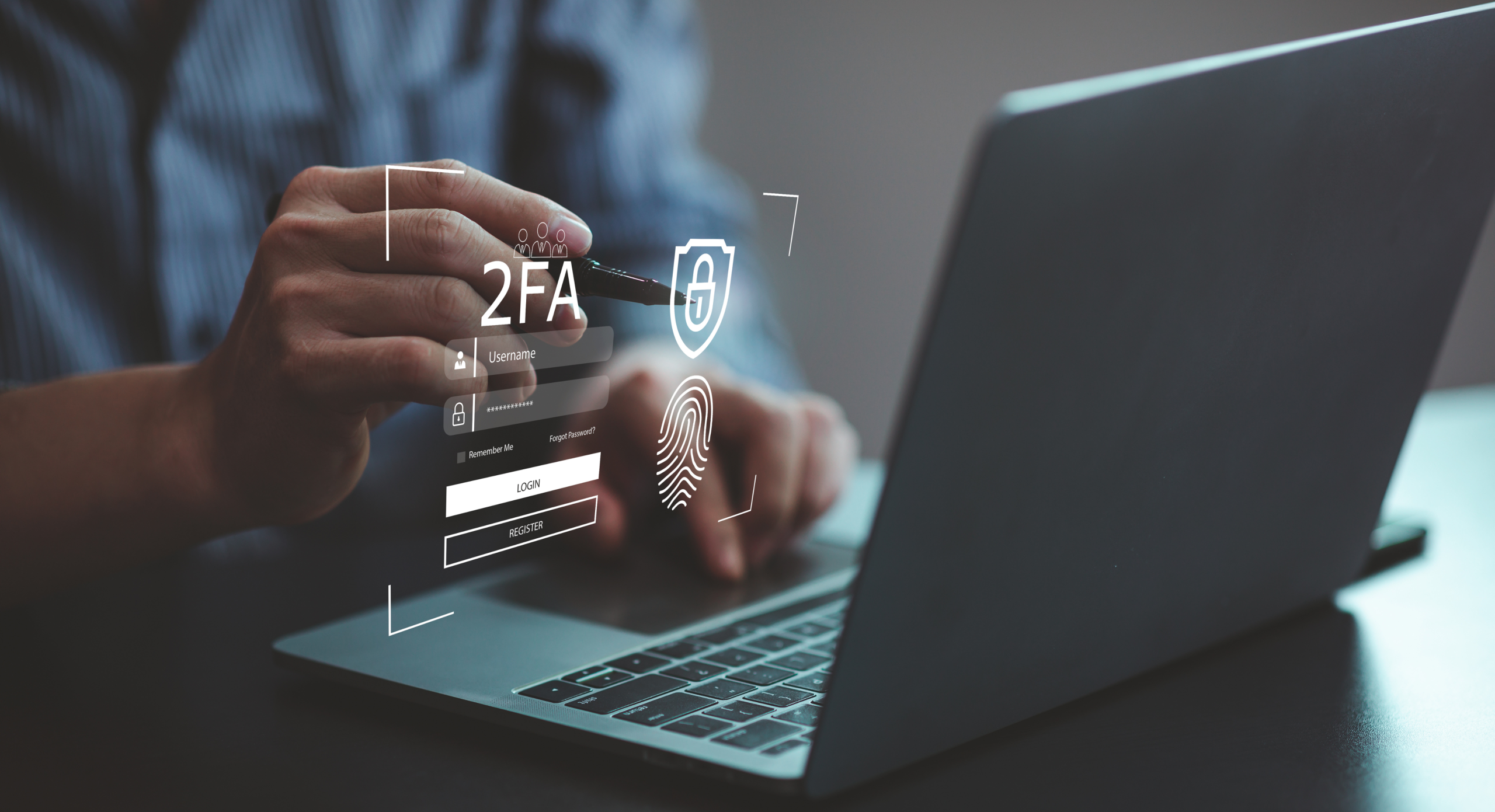
- Biometric Authentication: Utilizing facial recognition or fingerprints, biometric verification adds a cutting-edge layer of security. This method is particularly effective for protecting sensitive accounts on personal devices.
As you assess which method of 2FA suits your lifestyle or business needs, it’s crucial to consider their individual strengths. The goal is to find a balance between security and user convenience. Remember, the more layers you add to your security, the harder it becomes for intruders to gain access.
In conclusion, enhancing your online security through Two-Factor Authentication is no longer optional; it is a necessity in today’s digital age. By recognizing its benefits and methods of implementation, you can take concrete steps towards protecting your data in an increasingly interconnected world.
As cyber threats evolve, Two-Factor Authentication (2FA) has emerged as an essential layer of security that significantly enhances digital safety. By requiring not only a password but also a secondary form of verification, it reduces the likelihood of unauthorized access and helps protect sensitive information. This dual-layered approach ensures that even if a password is compromised, attackers cannot gain access without the second factor.
Implementing 2FA can be simple and user-friendly. Most platforms offer options such as using an authenticator app, receiving SMS codes, or deploying biometric verification. For example, applications like Google Authenticator or Authy generate time-sensitive codes that work offline, making them a reliable choice for users who prefer not to receive codes via text. Additionally, many email providers and social networks now offer built-in 2FA features, making it easier than ever for users to protect their accounts.
While it may seem like an inconvenience at first, the security provided by 2FA outweighs any minor hassle during the login process. As it requires the user’s physical device or presence, it offers peace of mind that mere passwords cannot match. Furthermore, organizations adopting 2FA not only protect their data but also foster a culture of security awareness among employees and customers alike.
In a world where data breaches are becoming alarmingly prevalent, implementing two-factor authentication is not just a recommendation; it is a necessity. Invest the time to set it up on your accounts and encourage others to do the same. The benefits of this practice extend beyond individual users, enhancing overall cybersecurity for businesses and communities.
| Advantages of 2FA | Description |
|---|---|
| Increased Security | Adds an extra layer of protection against unauthorized access. |
| Reduced Risk of Data Breaches | Significantly lowers the chance of personal and sensitive information being compromised. |
By understanding these advantages and the straightforward implementation processes available, individuals and organizations can equip themselves with a fundamental tool in the battle against cyber threats.
DISCOVER MORE: Click here for tips on reducing cloud storage costs
How to Successfully Implement Two-Factor Authentication
As we delve deeper into the implementation of Two-Factor Authentication (2FA), it becomes crucial to understand the practical steps needed to embed this protective measure into your digital life. Whether you’re an individual user or a business owner, following a structured approach will ensure a smooth transition that bolsters your online security.
Choosing the Right Services
When contemplating the use of 2FA, the first step is to assess which online accounts and services will benefit most from additional security. Major platforms like Google, Facebook, and Amazon offer this feature, and it is advisable to enable 2FA on accounts that hold sensitive information, such as email providers and banking apps. According to a 2021 study by Microsoft, enabling 2FA can potentially block over 99.9% of account compromise attacks. Prioritize protecting accounts with financial or personal data.
The Setup Process
Once you’ve identified your essential accounts, the setup process typically follows a straightforward pathway:
- Log in to Your Account: Access the security settings or account settings section of your profile. Most services provide a clear option for enabling 2FA.
- Select Your Preferred Method: Choose from available options such as SMS, authenticator apps, or biometric verification. It’s advisable to opt for authenticator apps or biometrics as your primary methods due to their enhanced security.
- Receive and Enter Verification Codes: Follow the prompts to receive verification codes or set up your authentication app. For authenticator apps, you may need to scan a QR code to link your account.
- Backup Codes: Upon setup completion, ensure you save any backup codes provided. These codes are essential for account recovery if you lose access to your primary 2FA method.
Educating Yourself and Users
If you are a business owner, fostering a security culture among your employees is paramount. Conduct workshops or training sessions on the importance and mechanics of 2FA. Statistics from the Cybersecurity & Infrastructure Security Agency (CISA) indicate that organizations with comprehensive security training programs can significantly lower their vulnerability to cyber threats. Encourage employees to implement 2FA on all accounts, and provide resources to help them understand the setup process.
Staying Informed and Evolving
As the digital landscape continues to change, it is important to stay informed about the latest 2FA options and security trends. New technologies such as hardware-based tokens, like those offered by Yubikey, are emerging as viable alternatives to traditional methods. Furthermore, the use of mobile device management (MDM) solutions can streamline 2FA for organizational accounts, providing seamless security enhancements. Regularly revisiting your security protocols ensures they are up-to-date against emerging threats.
Managers and IT professionals should also consider integrating risk-based authentication approaches that evaluate user behavior to determine the necessity of further verification. These evolving strategies can help refine your 2FA efforts while minimizing user friction.
In essence, implementing Two-Factor Authentication is not merely a technical task but a holistic approach that requires awareness, education, and adaptation to safeguard digital identities comprehensively. By emphasizing continual improvement and vigilance, you can strengthen defenses against increasingly sophisticated cyber threats.
DISCOVER MORE: Click here for expert tips
Conclusion
In a world where cyber threats are more prevalent than ever, implementing Two-Factor Authentication (2FA) has become an essential practice for protecting sensitive information. By relying on a second layer of security, users can significantly reduce the likelihood of unauthorized access to their accounts. The data speaks volumes; with studies showing that 2FA can thwart over 99.9% of account compromise attempts, it is clear that this simple yet effective strategy is key in enhancing your digital security.
Successful implementation of 2FA requires a systematic approach. By identifying critical accounts, choosing appropriate services, and educating oneself and others on 2FA mechanics, both individuals and organizations can foster a culture of security. As technology evolves, options such as hardware tokens and risk-based authentication methods present new opportunities to streamline and strengthen security measures. Staying informed about these advancements ensures that you remain one step ahead of potential threats.
Ultimately, the integration of Two-Factor Authentication should be viewed not just as an additional hurdle but as a vital barrier against the rising tide of cybercrime. It encourages a proactive stance on security, prompting users to take charge of their digital safety. By prioritizing and regularly updating your 2FA practices, you contribute to a safer online environment for yourself and countless others. Explore further into the world of digital security—every step towards enhancing your protection counts.

Beatriz Johnson is a seasoned tech writer and digital tools expert with a passion for simplifying the complexities of technology and mobile applications. With over a decade of experience in the tech industry, she specializes in topics like productivity apps, software reviews, and emerging digital trends. Through her work, Beatriz empowers readers to make informed technology choices and stay ahead in the ever-changing world of apps and innovation.