User Experience Trends for 2024: What to Expect in Tech & Apps
Understanding the Shifts in User Experience
The landscape of user experience (UX) is constantly evolving, and 2024 is poised to bring exciting innovations. As technology becomes increasingly integrated into our daily lives, understanding upcoming trends is crucial for developers and users alike. This year, expect to see significant shifts driven by emerging technologies, changing user behaviors, and heightened expectations.
Personalization: A Tailored UX Experience
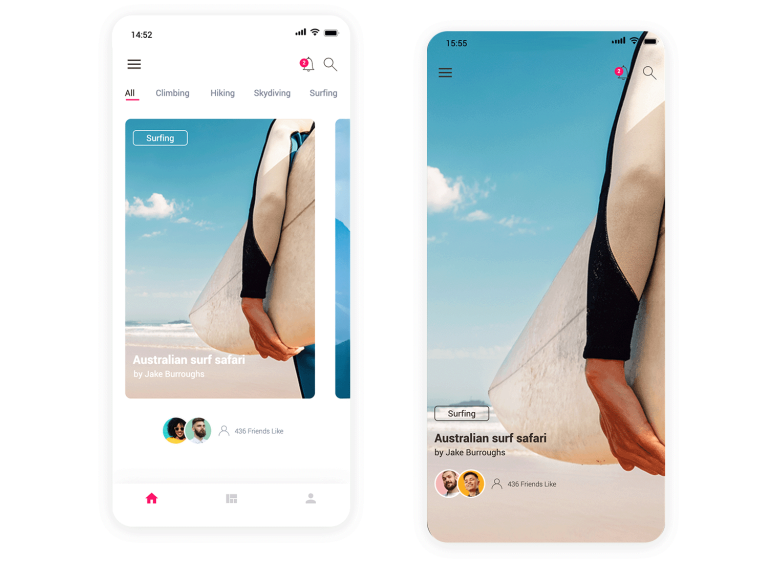
Personalization is one of the standout trends for 2024, fueled by advancements in artificial intelligence. Enhanced algorithms analyze user behavior and preferences, allowing for the customization of user interfaces in real time. This means interfaces can change based on individual preferences, creating a unique interaction for every user. For instance, streaming services like Netflix and Spotify already use sophisticated algorithms to recommend shows and music, and this level of personalization will only deepen. By utilizing data such as frequently watched genres or skipped songs, apps can create a more engaging environment that resonates with users’ tastes.
Voice User Interfaces (VUIs) on the Rise
The growth of Voice User Interfaces (VUIs) is another transformative trend set to define the UX landscape in 2024. As smart speakers and voice-activated assistants become commonplace in homes and on-the-go devices, the demand for hands-free experiences is rising. Applications that leverage voice commands allow users to navigate without lifting a finger, making tasks like shopping or searching for information quicker and more intuitive. Companies like Amazon with Alexa and Google with Assistant are already paving the way, enabling more interactive conversations with technology.
Immersive Augmented Reality Experiences
Furthermore, the integration of Augmented Reality (AR) into everyday applications is expected to surge this year. Businesses, particularly in retail, are increasingly utilizing AR to enhance user experiences by allowing customers to visualize products in their own environments before making a purchase. For instance, furniture retailers like IKEA have incorporated AR apps that let users place virtual furniture in their homes through their smartphones, thereby enriching the decision-making process.
A Focus on Sustainability and Eco-Friendly Design Choices
The trend toward sustainability will also play a critical role in UX design. With growing awareness of environmental issues, users are seeking out applications and platforms that reflect their values. This has led developers to consider eco-friendly design choices, such as optimizing energy consumption during app operation and utilizing sustainable materials in product development. Brands that successfully communicate their commitment to sustainability are likely to build stronger connections with eco-conscious consumers.
Enhancements in Microinteractions and Accessibility
The incorporation of microinteractions—small, subtle animations that provide feedback—will enhance the engagement factor for applications. These delightful touches, such as a heart animation when liking a post on social media, create a sense of connection and satisfaction among users. Additionally, a continued emphasis on accessibility ensures that technology is inclusive, catering to various abilities. Designing apps to be usable for people with disabilities not only fosters a broader user base but also aligns with legislative requirements and societal expectations.
As 2024 unfolds, staying on top of these trends will be essential for anyone involved in tech and app development. Embracing these changes may determine an app’s success in an increasingly competitive marketplace. Challenged by rapidly shifting user expectations and the integration of cutting-edge technologies, developers must prioritize an engaging and personalized user experience to thrive.
DISCOVER MORE: Click here for practical tips
The Digital Transformation of User Engagement
As we plunge into 2024, the user experience (UX) landscape is more than just a shifting paradigm—it is a digital transformation that shapes how users interact with technology across various platforms. One of the most significant aspects driving this transformation is the evolution of user-centric design. Companies have begun to recognize the importance of not merely delivering functional products but creating engaging interfaces that foster emotional connections with users. This year, we can anticipate a myriad of trends that not only enhance the way applications function but also redefine the overall experience for users.
Data Privacy and Security: A New User Expectation
As users become increasingly aware of data privacy, the integration of security features into UX design will be an essential consideration for developers in 2024. With high-profile data breaches making headlines and growing concerns about personal information leaking, consumers are not just looking for innovative features; they demand robust security protocols. Expect applications in 2024 to prioritize clear communication about data usage, access permissions, and encryption methods. This transparency is poised to enhance user trust and loyalty, leading to a heightened emphasis on user safety and privacy aspects in design.
Multimodal Interactions: Bridging Complex Impressions
The trend toward multimodal interactions—combining voice, touch, and gesture inputs—will likely gain traction this year. Application developers will focus on creating seamless multi-channel experiences that optimize user interactions. For instance, a user might start shopping by voice command through their smart home device but later switch to their smartphone to finalize the purchase. This smooth transition between different modes of engagement not only caters to user preferences but also enhances overall satisfaction and efficiency. Companies recognizing and implementing these systems could significantly improve their market positioning.
Adaptive User Interfaces: Adjusting to Context
As customer journeys become more intricate, the need for adaptive user interfaces has never been more pressing. These interfaces utilize context-awareness to adjust the layout and functionality according to various factors such as location, time, and user preferences. This innovative approach not only makes navigation smoother but also boosts user engagement by ensuring that applications respond intelligently to the surrounding environment. Consider how navigation apps can recommend alternate routes based on real-time traffic data or how fitness apps might adjust workout suggestions based on the weather. This adaptability is set to become a hallmark of advanced user interfaces this year.
Enhanced Focus on Mental Well-being in UX Design
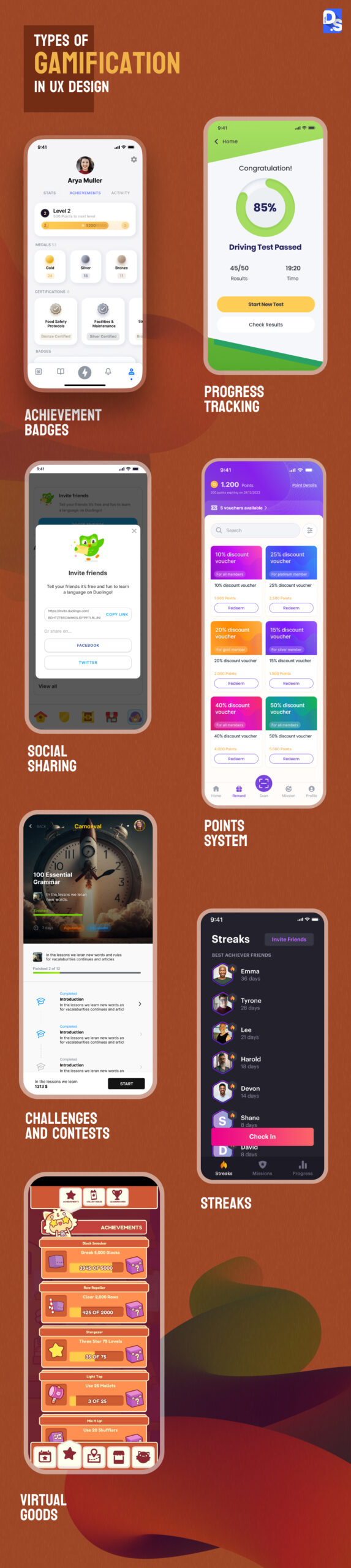
Moreover, user experience trends in 2024 will reflect a growing emphasis on mental well-being. As digital fatigue and productivity burnout become pressing concerns, applications that promote mindful engagement are expected to emerge. Features promoting breaks, reducing notifications, and creating calming interfaces can all contribute to a healthier tech interaction. Apps that incorporate elements of gamification while encouraging users to take meaningful pauses or reflect on their activity could be particularly successful. This trend is not merely a buzzword; it aligns with broader societal movements advocating for healthier digital consumption.
These initial explorations into user experience trends for 2024 signal significant shifts that developers should adapt to as the demands of the modern user evolve. Understanding these factors not only prepares businesses for success in a competitive landscape but also enhances user satisfaction and retention. In this rapidly shifting environment, staying ahead means embracing these transformative insights to cultivate enriching experiences for users.
User Experience Trends for 2024: What to Expect in Tech & Apps
As we delve deeper into the realm of user experience (UX) for 2024, it’s critical to understand how the technological landscape continues to reshape our interactions with apps and devices. This year, the focus is on several pivotal trends poised to enhance usability and increase user satisfaction.One of the most significant advancements that will emerge in 2024 is the integration of artificial intelligence (AI) into everyday applications. AI-powered UX will enable apps to deliver personalized experiences by analyzing user data to anticipate needs and preferences. This capability not only streamlines interactions but also fosters a sense of familiarity and connection that users crave, making technology feel more accessible.Moreover, the rise of voice interfaces is expected to significantly influence UX. As voice recognition technology advances, applications will soon offer hands-free interactions, accommodating users who prefer auditory engagement over traditional tapping and swiping. This change will cater to a broader demographic, including those with disabilities, ultimately enhancing inclusivity within the tech environment.Additionally, with the increasing attention on mental health and wellbeing, apps that prioritize user mindfulness are likely to gain traction. From reminders for breaks to features that promote digital wellbeing, applications are set to incorporate functionalities that help manage screen time and reduce cognitive overload. This notion underscores a pivotal shift in user experience, where fostering mental health becomes as critical as functionality itself.
| User Experience Focus | Key Advantages |
|---|---|
| AI Integration | Delivers tailored recommendations, enhancing user satisfaction. |
| Voice Interfaces | Offers hands-free usage, making technology more accessible. |
| Mindfulness Features | Encourages healthier technology interactions, prioritizing mental wellbeing. |
In 2024, organizations that prioritize these emerging UX trends will not only meet the expectations of modern users but will also pave the way for groundbreaking innovations in technology. As apps evolve to become more intuitive, responsive, and considerate of user wellbeing, they will redefine the standards of user experience in an increasingly demanding digital landscape.
DISCOVER MORE: Click here for tips on optimizing cloud storage and reducing costs
Immersive Technology and User Experience: A New Frontier
As the world advances into 2024, the integration of immersive technologies, such as virtual reality (VR) and augmented reality (AR), is poised to redefine the user experience landscape. Companies are no longer limited to conventional interfaces; they are beginning to explore how immersive experiences can engage users in ways that traditional screens cannot. From virtual try-ons in fashion apps to AR overlays in digital real estate tours, these technologies offer users interactive and engaging ways to connect with products and services, fostering a deeper emotional investment than ever before.
The Rise of Personalization Through AI
In 2024, the role of artificial intelligence (AI) in enhancing user experience cannot be overstated. Personalized experiences, powered by AI, are expected to become the cornerstone of app development. Businesses will leverage user data to tailor content, recommendations, and functionalities to individual preferences, creating a sense of uniqueness for each user. For instance, streaming platforms like Netflix will continue adapting their algorithms to surface precisely curated content based on viewing history, making their interfaces more engaging and user-friendly. This shift towards personalization not only improves user satisfaction but also drives customer loyalty, as users feel valued and understood by brands.
Short-form Content: Engaging Consumers in an Instant
The appetite for short-form content is expected to dominate user interactions in 2024. Social media platforms like TikTok have paved the way for brief, engaging video formats that captivate users quickly. As applications evolve, we can expect more integrations of quick-hit content designed to grab attention immediately and convey messages succinctly. This trend may push apps to incorporate features that allow users to interact with micro-content—be it through quick polls, mini-stories, or ephemeral messaging—thus enhancing engagement while catering to the shrinking attention spans of modern users.
Voice User Interface: Through the Echoes of Convenience
Voice user interfaces (VUIs) will play an increasingly significant role in the UX innovations of 2024. With the proliferation of smart speakers and AI assistants, users are becoming accustomed to issuing commands and receiving responses via voice rather than touch. Expect applications to integrate VUIs not just as an auxiliary feature but as a primary mode of interaction. This transformation will streamline user engagement, allowing for hands-free navigation or transaction processes. For example, financial management apps can leverage voice commands to retrieve account balances or make transactions, thereby catering to a user base that values efficiency and accessibility.
Peer-to-Peer Connections: Social UX Redefined
The shift towards peer-to-peer connections will redefine how social experiences are integrated within applications this year. Messaging apps and social networks are increasingly focusing on community-building features, enhancing inclusivity and collaboration. For example, new functionalities that allow users to share experiences in real-time, such as co-watching movies or group fitness challenges, are gaining traction. This focus on social engagement within app experiences fosters a sense of belonging and connection among users, reinforcing loyalty and driving new user acquisition through organic, shared experiences.
The trajectory of user experience trends in 2024 illustrates a comprehensive rethinking of how technology and applications engage users. As the demands of the modern user become more nuanced, businesses must prioritize understanding and responding to these shifts to stay relevant in an ever-evolving digital landscape.
DON’T MISS: Click here for essential tips on optimizing cloud storage
Conclusion: Embracing the Evolving User Experience Landscape of 2024
As we delve into 2024, the future of user experience (UX) in technology and applications presents a rich tapestry of innovation and insight. The convergence of immersive technologies, such as VR and AR, with AI-driven personalization signifies a pivotal shift in how users interact with digital environments. By crafting engaging, tailor-made experiences, companies not only enhance user satisfaction but also create emotional connections that foster long-term loyalty.
The growing prominence of short-form content will further reshape engagement strategies, compelling developers to adapt rapidly to meet the demands of a fast-paced audience. This evolution towards succinct, impactful interactions aligns seamlessly with the rise of voice user interfaces (VUIs), providing a more fluid, accessible means of communication with technology. The emphasis on hands-free convenience reflects a broader trend towards prioritizing user efficiency and satisfaction in our increasingly connected lives.
Finally, the shift towards peer-to-peer connections encapsulates a fundamental desire for community amidst digital interactions. As applications embrace social engagement features fostering real-time connections, businesses can expect a resurgence of loyalty fueled by shared experiences.
In conclusion, navigating the user experience landscape of 2024 requires businesses to remain agile and responsive, continuously adapting to the evolving preferences and behaviors of their users. By embracing these trends, organizations can position themselves at the forefront of innovation, ensuring they not only meet but exceed user expectations in an ever-changing digital world.

Beatriz Johnson is a seasoned tech writer and digital tools expert with a passion for simplifying the complexities of technology and mobile applications. With over a decade of experience in the tech industry, she specializes in topics like productivity apps, software reviews, and emerging digital trends. Through her work, Beatriz empowers readers to make informed technology choices and stay ahead in the ever-changing world of apps and innovation.