How Psychology Influences User Experience in Applications
Psychological Principles That Enhance User Experience
In the fast-evolving world of application development, understanding how psychology shapes user experience can prove vital. Every click, swipe, and tap is influenced by cognitive principles that dictate human behavior. Advances in technology have made it easier to study these behaviors, leading to a deeper investigation into how apps can be designed not only to meet functional needs but also to resonate emotionally with users. Given the vast array of options consumers are faced with, providing a superior user experience can be the differentiating factor that sets an app apart in a crowded marketplace.
Psychological factors affect user experience in various ways, including:
- Behavioral Responses: Users’ interactions with an app depend greatly on their perception of its usability. When an app is consistently easy to use, users are more likely to return. For example, the popular ride-sharing app Uber uses straightforward navigation and ride requests that align with users’ intuitive behaviors, enabling them to book rides with minimal effort.
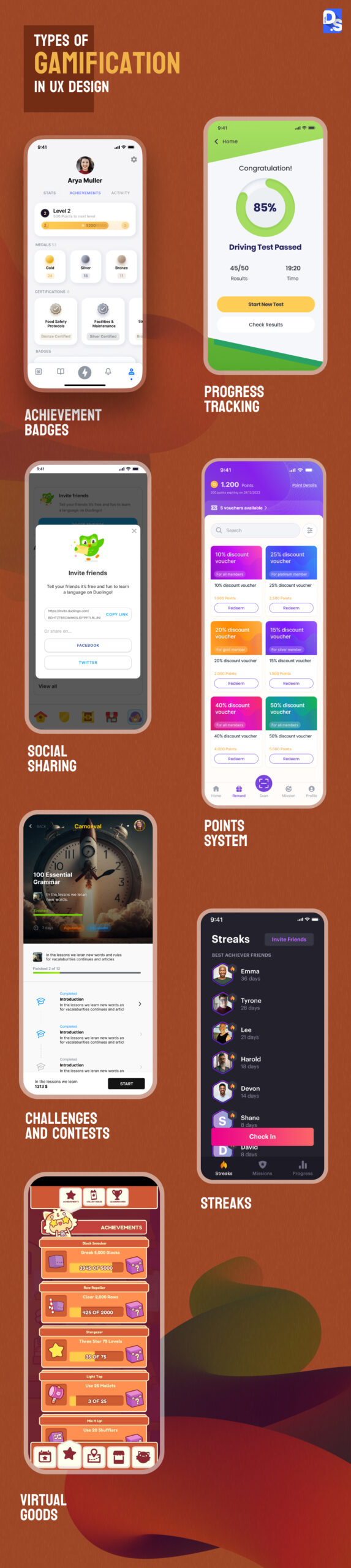
- Cognitive Load: Minimizing the effort a user must exert can enhance satisfaction. A low cognitive load can be achieved through simple designs, clear calls-to-action (CTAs), and intuitive information architecture. Research shows that users prefer designs that feel effortless and are quick to understand. Consider how apps like Duolingo utilize gamification; the design elements are intentionally structured to streamline the learning process while keeping the overall effort required from users to a minimum.
- Emotional Design: Crafting an app’s interface to evoke specific emotions can lead to increased engagement. A great example of this is the social media platform Instagram, where the striking visuals and minimal distractions are designed to inspire joy and creativity. Emotional responses can be triggered through color psychology, animation, and even sound design, fostering a more engaging user experience.
The integration of these elements leads to a more intuitive and enjoyable interaction. Utilizing familiar symbols and layouts can ease navigation, while personalized experiences can create a sense of connection. For instance, apps like Spotify leverage personalization algorithms to create custom playlists, enhancing the emotional bond between the user and the platform while improving user retention.
As the user base expands, the need for applications that account for psychological considerations becomes increasingly critical. By embracing psychological principles, developers can create applications that not only captivate users but also foster loyalty. This exploration sheds light on essential strategies that leverage user psychology to enhance user experience (UX), making the complex link between mind and interface a topic worth understanding.
In conclusion, as more apps crowd the digital landscape, intelligent design informed by psychology is key to creating experiences that feel seamless and rewarding to users. This attention to mental and emotional considerations ensures that app developers remain at the forefront of innovation while sustainably engaging their audience.
DISCOVER MORE: Click here for essential tips
Key Psychological Concepts Shaping User Engagement
The dynamic interplay between psychology and user experience (UX) is increasingly pivotal in designing applications that not only attract but also retain users. As developers strive to decode the intricate motivations behind user behavior, numerous psychological concepts have emerged as cornerstones for creating compelling app experiences. By harnessing these principles, application designers can cultivate environments that are both user-friendly and emotionally resonant.
One of the most significant concepts in this area is cognitive dissonance. This principle refers to the mental discomfort experienced when a user’s behavior conflicts with their beliefs or values. In the context of applications, it suggests that when users find an app difficult to navigate or use, this dissonance can lead to frustration or disengagement. For instance, apps that bombard users with excessive notifications may trigger cognitive dissonance, subsequently leading users to uninstall the app altogether. To counter this, developers must ensure that each feature aligns clearly with user expectations and preferences, thereby minimizing dissonance and enhancing overall satisfaction.
Another vital aspect revolves around the concept of heuristics, which are mental shortcuts that help individuals make decisions quickly. Leveraging heuristics can significantly streamline the application experience. Users often rely on these shortcuts when navigating applications, which is why elements such as recognizable icons and predictable layouts matter. Familiar frameworks and design patterns can create a sense of comfort and ease, allowing users to engage with the app confidently. For instance, the use of a shopping cart icon in e-commerce applications immediately signals to users where they can view their selected items, streamlining the purchasing process.
Furthermore, the concept of social proof plays a crucial role in the success of applications today. This psychological phenomenon refers to individuals’ tendency to rely on the actions and feedback of others when making decisions. Apps that prominently feature user reviews, ratings, or testimonials can effectively bolster a new user’s confidence to engage. For example, platforms like Yelp and TripAdvisor harness social proof by showcasing ratings and reviews front and center, influencing potential users through the experiences of others. This technique not only enhances usability but also contributes to building trust within an app’s community.
Moreover, the impact of reward systems cannot be understated. Psychology tells us that humans are motivated by rewards, and incorporating gamification elements can significantly enhance user engagement. Applications like Habitica and Fitbit utilize reward systems to incentivize user behaviors, transforming mundane tasks into enjoyable challenges. By implementing points, badges, or streaks, developers can create a sense of achievement that encourages users to return to the app regularly.
Incorporating these psychological concepts into app design can lead to an experience that feels natural and gratifying. By acknowledging the factors that influence user perception and behavior, developers can foster deeper connections and create applications that not only meet functional requirements but also enrich the digital lives of their users.
When exploring the intricate web of psychology and its significant impact on user experience (UX) within applications, it becomes essential to understand how cognitive biases and emotional triggers play pivotal roles in design and interaction. The meticulous crafting of user interfaces that resonate with human emotions can enhance engagement and satisfaction, ultimately driving higher retention rates.For instance, the principle of reciprocity in psychology indicates that users are more likely to engage with an app if they feel they are receiving something of value, such as personalized content or exclusive offers. Designers can leverage this principle by providing tailored experiences that make users feel special and appreciated, fostering a deeper connection with the application.Moreover, the concept of cognitive load suggests that applications should be designed to minimize cognitive strain on users. By creating intuitive navigation and clear call-to-action buttons, developers can enhance usability. This not only improves the overall experience but also increases users’ willingness to spend time within the app. Understanding the balance of information overload versus essential features is crucial in retaining user interest. Incorporating visual hierarchy is another psychological principle that can direct users’ attention effectively. For example, using contrasting colors and sizes can guide users toward important information or actions, ultimately streamlining their experience within the app.Encouraging exploration and engagement can also be significantly influenced by design elements rooted in psychological principles. By integrating gamification elements—like rewards, progress tracking, and challenges—developers can motivate users to interact more frequently and deeply with the app. The thrill of achievement and the potential for reward tap directly into human psychology, making applications more engaging and enjoyable.By applying these psychological principles diligently, developers can create applications that not only fulfill functional needs but also connect emotionally with users, ultimately paving the way for a more rewarding user experience.
DISCOVER MORE: Click here to optimize your cloud storage costs
The Emotional Drivers of User Experience
Beyond cognitive processes, the emotional landscape is equally vital in shaping user interactions within applications. Emotions drive decisions, and understanding this aspect can significantly enhance user experience (UX). The psychological concept of affect, which encompasses feelings and emotions, plays a pivotal role in application design. When users feel good about an app—whether due to aesthetic design, engaging content, or positive feedback—they are more likely to remain loyal. For instance, applications that incorporate color psychology can impact users’ moods and feelings towards the app, with warm colors often evoking excitement and cool colors promoting calmness and trust.
Another crucial emotional driver is the principle of reciprocity. This psychological concept suggests that when users receive something of value for free, they are inclined to give something back, often in the form of time or loyalty to an application. For example, apps that offer introductory discounts, complimentary features, or valuable content such as tutorials or e-books effectively leverage this principle. Users may feel a sense of obligation to continue engaging with the app, resulting in sustained usage as they seek to reciprocate the perceived favor.
Moreover, the principle of FOMO (Fear of Missing Out) is increasingly relevant in today’s digital landscape. This social anxiety arises when individuals believe others may be having rewarding experiences from which they are absent. Application developers utilize this psychological insight by creating alerts for limited-time offers, exclusive content, or community events, which can compel users to engage more frequently. Apps like Instagram leverage FOMO by notifying users of activity among their friends, urging them to check back regularly and engage with their social circles.
Furthermore, loss aversion—the tendency to prefer avoiding losses over acquiring equivalent gains—can be a powerful motivator within user experience design. Users often fear the possibility of losing something they value more than they anticipate gaining something new. Apps that integrate loss aversion tactics by reminding users of incomplete actions, such as abandoned shopping carts or unfinished learning modules, can prompt users to return and complete tasks. For instance, e-commerce platforms that send reminders about products left in a cart effectively utilize loss aversion to drive conversions.
User onboarding is another area where psychological insights can significantly enhance experience. The Zeigarnik effect, which posits that people remember uncompleted tasks better than completed ones, highlights the importance of helping users progress through an app effectively. Apps that utilize methodical onboarding processes can enhance engagement by creating a sense of incompleteness that encourages users to return and finish tutorials or onboarding tasks. For instance, Duolingo uses this effect by giving users streak counts, motivating them to engage daily to keep their learning momentum.
Integrating these emotional drivers into application design not only improves usability but also creates a richer, more engaging environment for users. By tapping into the underlying emotions and psychological principles, developers can create applications that resonate on a profound level, inviting users to connect and commit over the long term.
DIVE DEEPER: Click here for expert tips
Conclusion: The Intersection of Psychology and User Experience
In an era where digital applications are ubiquitous, understanding how psychology influences user experience (UX) has become essential for developers and designers alike. As we have explored throughout this article, emotional drivers like affect, reciprocity, and debilitating feelings of FOMO play a crucial role in shaping how users interact with software. Recognizing that user decisions are often fueled by emotional responses rather than purely rational thought allows for deeper engagement and loyalty.
Moreover, behavioral principles such as loss aversion and the Zeigarnik effect can significantly enhance application design, prompting users to return and complete desired actions. By thoughtfully integrating these psychological insights into the design process, developers are not just creating functional software, but are crafting immersive experiences that resonate with users on multiple levels.
As technology continues to evolve, the melding of psychology and UX design will become increasingly critical. By fostering environments that address both cognitive and emotional needs, applications can cultivate stronger user connections and encourage sustained interaction. For those interested in how psychology influences user experience in applications, continuous exploration of these psychological principles can offer new avenues for enhancing user satisfaction and driving success in an ever-competitive market. Engaging with these insights opens the door to not only developing better applications but also understanding the complex human behaviors that drive modern interactions in the digital age.

Beatriz Johnson is a seasoned tech writer and digital tools expert with a passion for simplifying the complexities of technology and mobile applications. With over a decade of experience in the tech industry, she specializes in topics like productivity apps, software reviews, and emerging digital trends. Through her work, Beatriz empowers readers to make informed technology choices and stay ahead in the ever-changing world of apps and innovation.