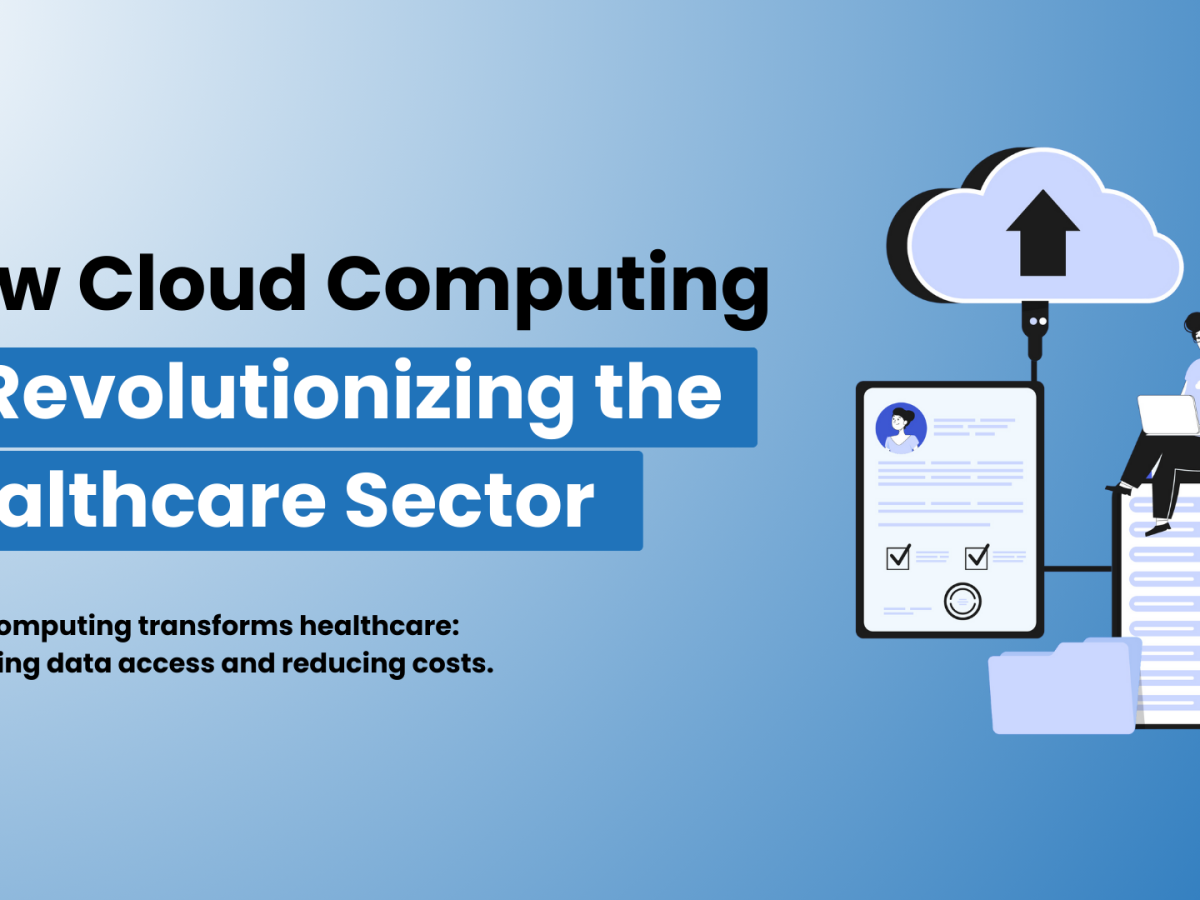
How Cloud Solutions Are Revolutionizing the Healthcare and Telemedicine Industry
The Transformation of Healthcare through Cloud Solutions
In recent years, the integration of cloud solutions into the healthcare and telemedicine sectors has been nothing short of revolutionary. With the rise of digital technology, these solutions have become essential, enabling healthcare professionals to provide efficient, high-quality care for patients both in person and remotely. The shift from traditional healthcare infrastructures to cloud-based systems signifies a major transformation, fundamentally altering how patient information is stored, accessed, and utilized.
Data Accessibility
One of the most compelling advantages of cloud solutions in healthcare is data accessibility. Healthcare providers can access patient records in real time, irrespective of their location. This is particularly crucial during emergencies, where quick access to a patient’s medical history can make a significant difference. For instance, emergency responders can pull up a patient’s allergy information or previous health issues on their mobile devices, ensuring that they provide the most informed care possible. The ability to access this data seamlessly is not only a testament to improved patient safety but is also a catalyst for rapid decision-making in critical moments.
Cost-Effectiveness
Furthermore, cloud solutions contribute to cost-effectiveness within healthcare facilities. By minimizing reliance on physical infrastructure, hospitals and clinics can reduce overhead costs associated with maintenance, security, and hardware upgrades. For example, major healthcare systems like the Mayo Clinic have reported significant savings after transitioning to cloud technology. These savings can subsequently be reinvested into patient care, staff training, and technology enhancements, thereby creating a cycle of continuous improvement in services provided.
Collaboration Among Professionals
The collaboration between healthcare professionals has also seen marked improvement due to cloud solutions. Enhanced communication channels allow for real-time discussions among doctors, nurses, specialists, and even patients. This not only fosters a culture of teamwork but also ensures that patients receive well-rounded and comprehensive care. For instance, a primary care physician can easily consult with a specialist located miles away, sharing patient information and treatment plans instantly, thereby circumventing delays and enhancing continuity of care.
Impact of Telemedicine
The rise of telemedicine further exemplifies the impact of cloud solutions in healthcare. As more patients seek convenience and accessibility in their care, the telemedicine market in the United States is projected to grow exponentially. User convenience plays a pivotal role; patients can attend consultations from the comfort of their homes, saving time and eliminating travel barriers. Data from the American Medical Association indicates that approximately 70% of patients are likely to use telehealth services if it means less travel and waiting time.
Supporting Policies and Technological Advances
Additionally, regulatory support for telehealth adoption is becoming stronger, with many states relaxing restrictions on telemedicine practices. This legislative shift is bridging gaps in healthcare access, particularly for populations in rural or underserved areas. Moreover, technological advances such as improved internet connectivity and the proliferation of digital health tools are paving the way for more efficient systems. As telehealth platforms integrate more advanced features—like artificial intelligence to assist in diagnosis—the potential for high-quality care accessible to all becomes near limitless.
In conclusion, as we explore the profound implications of cloud solutions in healthcare and telemedicine, it is clear that they are not simply optimizing existing processes but are truly revolutionizing the landscape of patient care. As these technologies continue to evolve, they promise to make quality care widely accessible, shaping the future of healthcare in the United States and beyond.
DISCOVER MORE: Click here to learn how to save on cloud storage costs
Unleashing the Power of Data with Cloud Solutions
The unprecedented growth of cloud solutions is paving the way for a transformational shift in the healthcare and telemedicine industry. Among the most notable benefits is the unprecedented capability for data management and utilization. Unlike traditional systems, which often struggled with data silos and limitations in accessibility, cloud-based solutions offer a streamlined approach that enhances both the quality and efficiency of care delivery.
Enhanced Patient Care through Data Integration
At the heart of this transformation lies the integration of patient data. Cloud solutions enable healthcare providers to centralize patient information, integrating electronic health records (EHR), lab results, and imaging files into one accessible platform. This comprehensive approach allows healthcare professionals to leverage patient data more effectively, leading to more accurate diagnoses and tailored treatment plans. Patients benefit from the seamless flow of information, significantly enhancing the quality of care received.
Scalability and Flexibility
Another significant advantage offered by cloud solutions is their scalability and flexibility. Healthcare institutions, regardless of size, can adapt their cloud infrastructure to fit their specific needs. This is particularly beneficial for smaller practices or rural health clinics, which may not have the capital to invest in extensive IT infrastructures. By utilizing cloud technology, these institutions can access cutting-edge tools and services that were previously accessible only to larger healthcare systems.
Engaging Patients through Digital Health
Patient engagement is another area where cloud solutions have made a profound impact. As healthcare shifts more towards a patient-centric model, cloud technology facilitates better communication and involvement. Digital health tools—such as patient portals and mobile health applications—enable patients to access their records, book appointments, and even engage in video consultations. This increased level of access encourages patients to take charge of their health, leading to improved health outcomes overall.
The Role of Analytics in Decision-Making
Cloud solutions empower healthcare providers not only to store and access vast amounts of data but also to analyze it for effective decision-making. With advanced analytics capabilities, healthcare institutions can identify trends, improve forecasts, and optimize resource allocation. For example, predictive analytics powered by machine learning can anticipate patient influx and adjust staffing levels accordingly, ensuring that resources are utilized effectively and wait times are minimized. By making data-driven decisions, healthcare providers can enhance both operational efficiency and patient care.
Security and Compliance Challenges
While the advantages of cloud solutions in healthcare are extensive, it is crucial to address the security and compliance challenges associated with data management. Healthcare organizations must navigate complex regulations such as HIPAA, ensuring that patient information remains confidential and secure in the cloud environment. As cyber threats continue to evolve, organizations must invest in robust encryption protocols and security measures to protect sensitive data against unauthorized access, forging a path of trust between providers and patients.
In summary, the emergence of cloud solutions in healthcare and telemedicine signifies a shift towards a more efficient, accessible, and patient-centered model. The impact on data integration, patient engagement, scalability, and decision-making is substantial, but as with any groundbreaking change, it comes with its own set of challenges that must be carefully managed. As technology continues to evolve, so will the possibilities for revolutionizing how healthcare is delivered across the nation.
Exploring the Integration of Cloud Solutions in Healthcare
The integration of cloud solutions within the healthcare and telemedicine industry has unlocked unprecedented opportunities for innovation and efficiency. Healthcare providers are increasingly adopting cloud-based platforms for storing, sharing, and managing patient data securely. This transition not only facilitates real-time access to patient records but also enhances the accuracy of diagnoses through better data availability.
Moreover, cloud computing capabilities enable seamless integration with various healthcare applications, including electronic health records (EHR) systems and telehealth platforms. By leveraging cloud technology, healthcare organizations can scale their operations swiftly to accommodate varying patient volumes, particularly during critical situations such as pandemics. Telemedicine, in particular, greatly benefits from these solutions, as it allows healthcare providers to conduct consultations and monitor patients remotely, thereby reducing the burden on physical healthcare facilities.
Additionally, cloud-based analytics tools are transforming patient care by providing insights derived from large volumes of health data. Predictive analytics can enhance clinical decision-making while identifying trends that can help in preventive care. As a result, healthcare professionals are better equipped to deliver personalized treatment plans.
| Advantage Type | Detail |
|---|---|
| Data Accessibility | Cloud solutions enable real-time access to patient data for healthcare professionals, enhancing decision-making. |
| Cost Efficiency | Reduced operational costs for healthcare organizations with scalable and flexible cloud resources. |
This transformative shift towards cloud solutions in the healthcare sector not only improves operational efficiency but also significantly enhances patient outcomes. The ongoing development of telemedicine coupled with cloud technology presents a promising future for healthcare accessibility and affordability.
DISCOVER MORE: Click here for tips on optimizing your cloud storage
Transforming Communication and Collaboration in Healthcare
To further illustrate the revolution of cloud solutions in healthcare and telemedicine, one must appreciate their role in transforming communication and collaboration among stakeholders. Historically, the healthcare industry has faced substantial challenges in achieving effective collaboration between diverse healthcare providers, from primary care physicians to specialists, and even within multidisciplinary teams. However, cloud-based platforms have emerged as a game changer in overcoming these obstacles.
Seamless Inter-Provider Collaboration
Cloud solutions foster a seamless flow of information between different healthcare providers, enhancing collaboration and ensuring that patient care is coordinated. For instance, when a primary care physician refers a patient to a specialist, cloud-based solutions offer a secure mechanism to share patient histories, treatment plans, and real-time updates, reducing the need for redundant tests and procedures. This interconnectedness not only streamlines communication but also accelerates the pathway to treatment, improving patient satisfaction and outcomes.
Telemedicine: Expanding Access to Care
The rise of telemedicine, significantly accelerated by the COVID-19 pandemic, has showcased the transformative potential of cloud solutions. By utilizing cloud technology, healthcare providers can conduct virtual visits, consultations, and follow-ups without the constraints of geographical barriers. This accessibility is particularly crucial for rural or underserved populations who often encounter challenges accessing quality healthcare services. Studies have shown that telemedicine platforms can increase patient engagement and satisfaction rates, highlighting the importance of cloud infrastructure in bridging gaps in care delivery.
Remote Monitoring and Chronic Disease Management
Cloud solutions also play an essential role in remote patient monitoring (RPM) and chronic disease management. Devices like wearables and at-home health monitoring tools often rely on cloud technology to transmit data in real-time to healthcare providers. This functionality allows providers to monitor patients’ health metrics—such as heart rate, blood glucose levels, or oxygen saturation—from afar. According to a report by the American Hospital Association, RPM has been found to lead to a 35% reduction in hospital readmissions for patients with chronic conditions.
Cost-Effectiveness through Enhanced Operations
Cost-effectiveness is a significant consideration for healthcare organizations seeking to adopt new technologies. Cloud solutions provide a potential pathway to streamline operations and reduce overhead costs associated with traditional IT infrastructures. For example, by leveraging cloud-based tools for administrative tasks such as patient scheduling or billing, healthcare organizations can reduce manual labor, which in turn frees up staff to focus more on patient care. Furthermore, cloud solutions operate on a pay-as-you-go basis, allowing institutions to scale their services according to their operational needs without incurring exorbitant upfront costs.
Driving Innovation with Cloud Solutions
The incorporation of cloud solutions also fosters a culture of innovation within healthcare organizations. As more healthcare providers migrate to cloud-based systems, a myriad of innovative applications and solutions emerges, from integrated patient management systems to AI-driven diagnostic tools. For instance, startups and established firms alike are harnessing cloud computing to develop applications that harness artificial intelligence (AI) for early disease detection, predictive analytics for patient care, and personalized medicine. This innovative landscape signals a rapidly evolving healthcare market that increasingly integrates technology at its core.
In this context, the role of cloud solutions extends beyond mere operational benefits; they become the framework through which the entire healthcare landscape can innovate, collaborate, and ultimately improve the quality of care delivered to patients.
DON’T MISS: Click here to discover valuable tips
Conclusion: A New Era for Healthcare and Telemedicine
In conclusion, cloud solutions are undeniably revolutionizing the healthcare and telemedicine industry, serving as the backbone for enhanced communication, collaboration, and patient care. By enabling seamless inter-provider collaboration and facilitating telemedicine, these solutions are breaking down geographical barriers and expanding access to essential services for patient populations that previously faced significant obstacles. The implementation of remote patient monitoring systems and cloud-based tools exemplifies how healthcare organizations can not only prioritize patient health metrics but also reduce hospital readmissions effectively.
Moreover, the cost-effectiveness of cloud solutions allows healthcare entities to scale their operations without prohibitive investments, enabling a greater focus on delivering high-quality care. This operational efficiency, coupled with a culture of innovation fostered by cloud infrastructure, paves the way for groundbreaking advancements in medical technology—from AI-driven diagnostic tools to personalized treatment plans. As the landscape of healthcare continues to evolve, the integration of cloud solutions will likely remain at the forefront, shaping the future of patient care.
It is essential for healthcare professionals, organizations, and policymakers to embrace these transformative technologies and explore the myriad of possibilities they unlock. In doing so, we can look forward to a future where healthcare is not only more accessible but also more efficient, effective, and centered around the needs of patients. As the telemedicine industry continues to thrive, understanding and leveraging cloud solutions will be crucial in driving the next wave of innovations that promise to enhance lives across the United States and beyond.

Beatriz Johnson is a seasoned tech writer and digital tools expert with a passion for simplifying the complexities of technology and mobile applications. With over a decade of experience in the tech industry, she specializes in topics like productivity apps, software reviews, and emerging digital trends. Through her work, Beatriz empowers readers to make informed technology choices and stay ahead in the ever-changing world of apps and innovation.