
The Importance of Software Updates for Cybersecurity
The Importance of Keeping Software Current
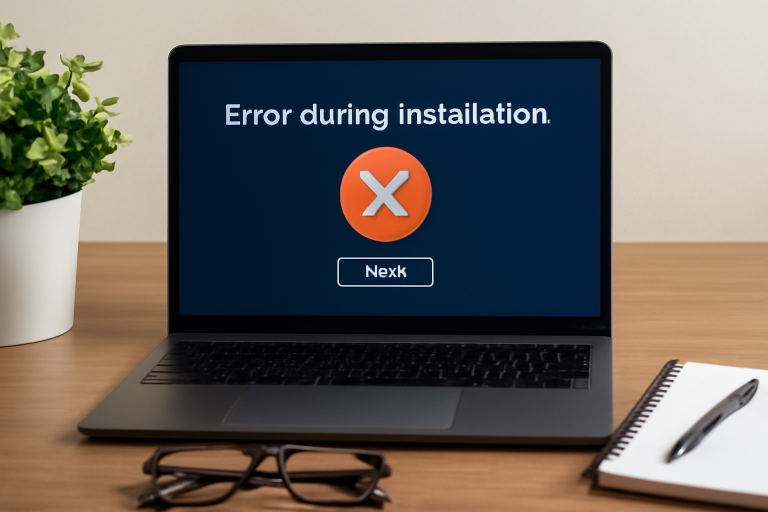
In a world where technology evolves at lightning speed, the significance of staying up-to-date with software applications cannot be overstated. Every day, billions of people around the globe rely on software for communication, work, and entertainment. However, few pause to consider the security implications of using outdated applications. Outdated software can serve as an open invitation to cybercriminals, potentially compromising personal data and privacy. Software updates are not merely enhancements; they are a vital line of defense against a myriad of cyber threats.
Software developers are constantly monitoring for vulnerabilities and security risks that could put users at risk. To combat these issues, they release updates designed to address both bugs and security flaws. Regularly prioritizing these updates is crucial for several reasons:
- Protection Against Malware: Cybercriminals frequently exploit loopholes in outdated software to inject malware. For instance, a commonly known variant, ransomware, can cripple entire systems if updates that patch vulnerabilities are not installed.
- Enhanced Performance: Many software updates do more than just fix security issues; they also optimize performance. This can lead to a smoother user experience, reducing crashes and slowdowns that hinder productivity. For example, the latest updates to popular operating systems often improve memory management, allowing applications to run more efficiently.
- Access to New Features: Developers strive to innovate continuously. By staying updated, users can access the latest tools and functionalities that enhance productivity. For instance, collaboration tools like Microsoft Teams regularly add features aimed at improving remote work capabilities, underscoring the importance of updates in enabling effective team communication.
In the United States, where data breaches and cyberattacks are alarmingly common, neglecting to maintain updated software can have dire financial and reputational consequences. Recent statistics reveal that a staggering 60% of small businesses close within six months of falling victim to a cyberattack. This figure illustrates just how crucial staying current with software updates can be for both individuals and enterprises.
As we explore deeper into the implications of neglecting software updates, it is vital to recognize that ignoring this essential practice can lead to severe repercussions, including identity theft and permanent data loss. Maintaining updated software is not merely a recommended practice; it is an imperative step toward securing your digital environment. Understanding the intrinsic connection between software updates and cybersecurity is fundamental for navigating the digital landscape safely and effectively.
DIVE DEEPER: Click here to learn how to save on cloud storage

Understanding the Threat Landscape
The rapidly changing digital environment presents a complex landscape rife with threats, making software updates an essential tool in the fight for cybersecurity. Hackers constantly develop new techniques to exploit vulnerabilities in outdated software versions. According to the Cybersecurity & Infrastructure Security Agency (CISA), nearly 90% of successful cyber attacks originate from well-known vulnerabilities, many of which can be mitigated through timely updates. Failing to update software not only increases the chances of a breach but also leaves users highly exposed to sophisticated malware attacks. Understanding these risks allows individuals and organizations alike to appreciate the importance of maintaining current software.
One of the most notorious forms of cyberattack that preys on unpatched software is ransomware. This type of malicious software encrypts files on a user’s device, rendering them inaccessible until a ransom is paid. High-profile cases like the Colonial Pipeline attack in 2021 illustrate how debilitating these attacks can be, causing significant operational disruptions and millions in ransom payments. Such incidents underscore the necessity of swift software updates to address vulnerabilities that malware searches to exploit.
In addition to ransomware, outdated software can facilitate various other cyber threats, including:
- Phishing Attacks: Vulnerabilities in email clients and web browsers can enable attackers to bypass security measures and impersonate trusted sources, tricking users into divulging sensitive information.
- Denial-of-Service (DoS) Attacks: Exploiting outdated network software can lead to service outages, crippling businesses and organizations, and impacting their reputation.
- Data Breaches: Older software often lacks the advanced encryption and authentication features found in newer versions, increasing the likelihood of unauthorized access to sensitive data.
Regular software updates are paramount in creating a proactive defense against such threats. They serve as a fundamental part of an organization’s cybersecurity strategy, helping to safeguard critical business information and personal data. Data from the Verizon 2022 Data Breach Investigations Report reveals that unpatched vulnerabilities contributed to over 60% of all data breaches investigated last year. Therefore, addressing these vulnerabilities promptly by adhering to software updates holds the key to mitigating risks.
Moreover, organizations that prioritize software updates often experience reduced downtime and improved overall productivity. By decreasing the chances of falling victim to cyber threats, businesses can focus on their core operations instead of dealing with the repercussions of a security breach. Investing in a robust update management strategy not only strengthens cybersecurity defenses but also enhances operational efficiency, proving that the costs of neglecting updates can outweigh the perceived inconveniences of implementing them.
| Advantages | Details |
|---|---|
| Enhanced Security | Regular updates patch vulnerabilities that cybercriminals exploit, significantly reducing the risk of breaches. |
| Improved System Performance | Updates often come with bug fixes and optimizations that enhance overall system efficiency and user experience. |
| Compatibility with New Technologies | The latest versions of software offer support for new hardware and protocols, ensuring seamless integration and functionality. |
| Enhanced Features | Updates frequently introduce new tools and functionalities, keeping a software program competitive and user-friendly. |
Maintaining cybersecurity requires continuous vigilance, and keeping your software up to date is one of the cornerstones of a robust defense strategy. As threats evolve, so too must the defenses against them. Software updates are not merely a routine; they represent a commitment to protecting vital data from potential catastrophes caused by malware and intrusion attempts.Additionally, businesses that prioritize regular updates often benefit from improved trust with their clients and stakeholders. Data breaches can lead to loss of reputation, legal challenges, and financial repercussions. By showcasing a proactive approach to software management, organizations can strengthen their cybersecurity posture and foster confidence in their systems. Regular updates represent both a shield against threats and a means to enhance operational capabilities, making them essential in today’s digital landscape.
DIVE DEEPER: Click here for expert tips
The Role of Software Updates in Strengthening Cybersecurity
As cyber threats continue to evolve, the importance of software updates for cybersecurity cannot be overstated. Not only do these updates patch known vulnerabilities, but they also often introduce new security features and improvements that help to keep systems safe from emerging threats. In essence, regular updates are an essential component of a comprehensive cybersecurity strategy.
Sophisticated cybercriminals constantly deploy automated tools to scan networks and software for vulnerabilities. An outdated operating system or application can often be likened to leaving an open door for intruders. According to a report by Cybersecurity Ventures, cybercrime is expected to account for $10.5 trillion in damages globally by 2025, emphasizing the importance of staying vigilant through software updates. By delaying or overlooking these updates, organizations are not only jeopardizing their own data security but also that of their customers and partners.
Moreover, software updates often include fixes for other operational issues that can indirectly enhance cybersecurity. For instance, performance improvements in a system can reduce transaction times, allowing for quicker detection and response to unusual activities which could signify a breach. This interplay highlights how software updates contribute to a more dynamic and responsive security posture. Organizations that integrate regular maintenance schedules for updates often find that they can react to potential threats much more swiftly.
Another vital aspect of software updates is their role in regulatory compliance. Various industries, particularly those dealing with sensitive data such as healthcare and finance, are subject to regulations like the Health Insurance Portability and Accountability Act (HIPAA) and the Gramm-Leach-Bliley Act (GLBA). These regulations often mandate specific cybersecurity measures, including keeping software current. Noncompliance can not only result in hefty fines but can also severely damage an organization’s reputation. The Federal Trade Commission (FTC) has repeatedly emphasized the need for companies to implement reasonable security measures, which directly links to software updates.
For individuals, maintaining updated software is equally essential. The increasing prevalence of smart devices in homes—ranging from refrigerators to security cameras—leaves consumers vulnerable if these devices are not adequately secured. Cybersecurity experts caution that consumers can overlook the importance of updating firmware on such devices, thereby providing cybercriminals with easy access points into their systems. A recent study by ARPANSA revealed that nearly 70% of Australian households with smart devices did not perform necessary updates, raising the alarm for similar trends in the U.S. as smart technologies become ubiquitous.
Ultimately, investing in software updates reaps long-term benefits. Organizations that prioritize routine updates often report greater customer trust and loyalty, as clients increasingly recognize the importance of data protection practices. A proactive approach towards software management not only secures data but also strengthens brand integrity. By viewing software updates as a crucial part of an organization’s investment in cybersecurity, businesses can fortify their defenses against an ever-evolving threat landscape.
DISCOVER MORE: Click here for expert tips
Conclusion: The Imperative of Regular Software Updates
In a digital landscape where cyber threats are more sophisticated and pervasive than ever, the importance of software updates for cybersecurity stands front and center. These updates serve as a crucial line of defense, effectively sealing vulnerabilities that cybercriminals look to exploit. Ignoring updates is akin to leaving a key to your front door under the mat—it invites unnecessary risk and threat. According to the Cybersecurity and Infrastructure Security Agency (CISA), timely updates can mitigate the impact of over 90% of security vulnerabilities, underscoring their critical role in safeguarding organizational data as well as personal information.
Moreover, the dual benefits of operational improvements and regulatory compliance, as explored in previous sections, further bolster the argument for persistent updates. Companies that prioritize their software security enjoy enhanced functionality and boost their reputation, reassuring customers that their data is safe. This not only fosters greater consumer trust but also promotes an organizational culture of accountability and proactive management.
As technology continues to evolve, so too do the methods and means employed by hackers. Thus, maintaining updated software is imperative not only for immediate security but as part of a long-term strategy against the ever-evolving threat landscape. For individuals and businesses alike, the message is clear: commit to a schedule of regular updates and cultivate a cybersecurity culture that prioritizes vigilance. Taking a proactive stance today can greatly minimize risks tomorrow, and it is this commitment that will ultimately drive progress and innovation in cybersecurity practices across sectors.

Beatriz Johnson is a seasoned tech writer and digital tools expert with a passion for simplifying the complexities of technology and mobile applications. With over a decade of experience in the tech industry, she specializes in topics like productivity apps, software reviews, and emerging digital trends. Through her work, Beatriz empowers readers to make informed technology choices and stay ahead in the ever-changing world of apps and innovation.