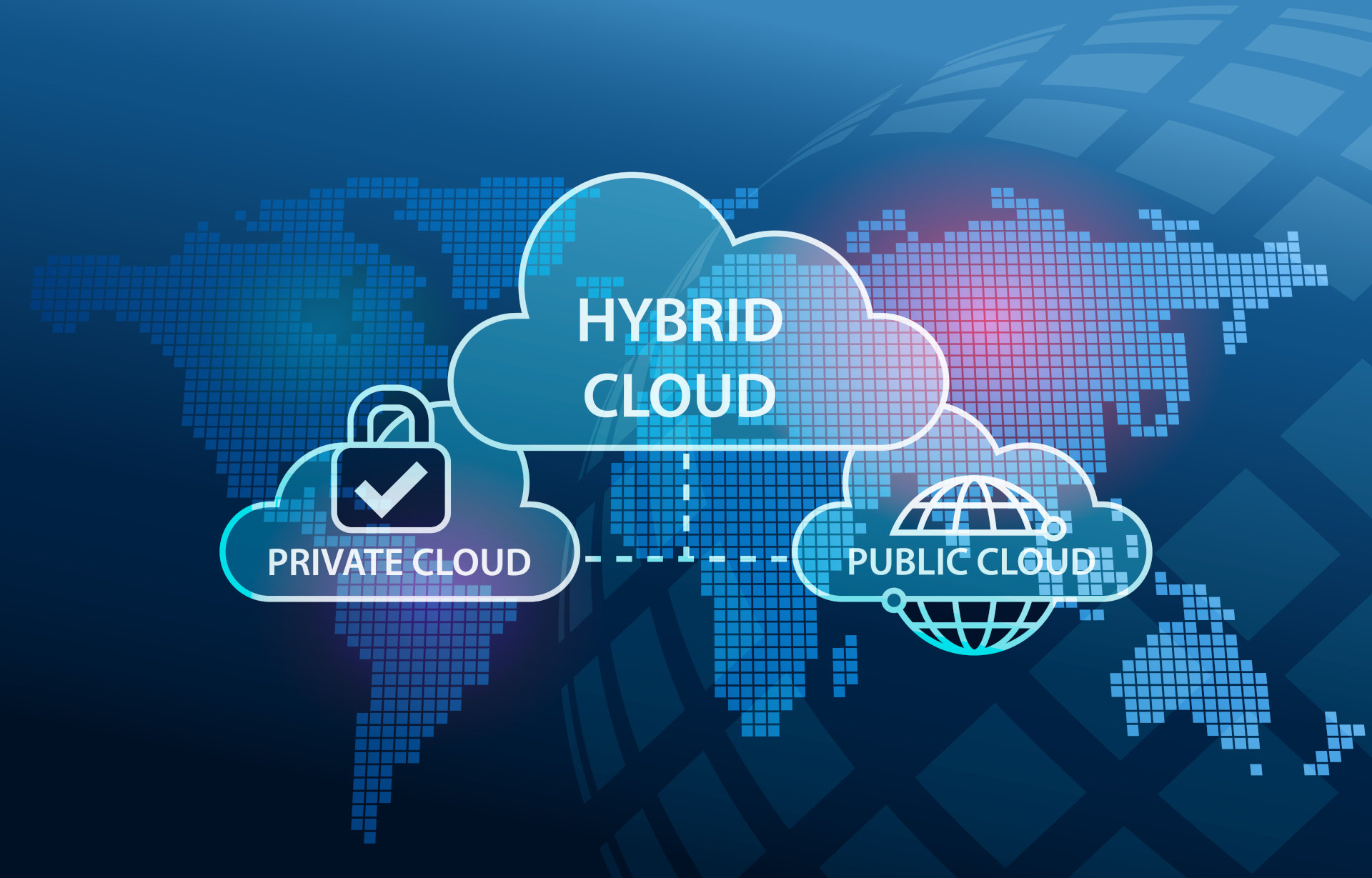
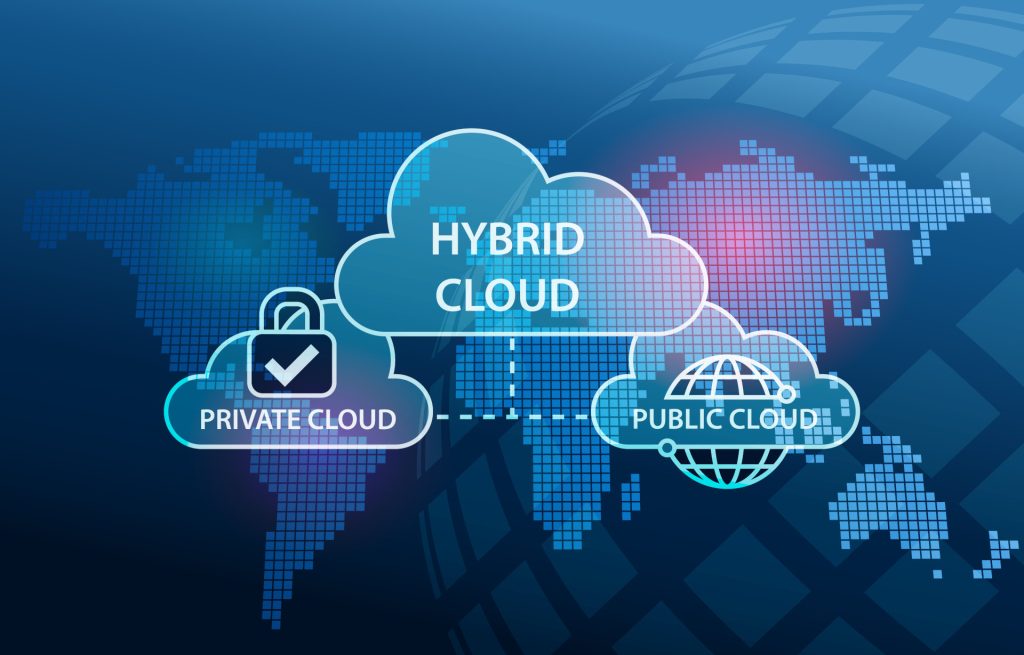
Comparison of public, private, and hybrid cloud solutions for different sectors
The Growing Importance of Cloud Solutions in Various Industries
As technology progresses, cloud computing has emerged as a pivotal resource for businesses aiming to enhance their operational efficiency. The landscape of cloud solutions is diverse, comprising public, private, and hybrid clouds, each designed to cater to specific organizational needs. Grasping these distinctions is essential for businesses striving to adopt the right cloud strategy that aligns with their goals and industry requirements.
When considering cloud solutions, it is vital to evaluate several key factors:
- Public Cloud: Offers an economical option characterized by its scalability and accessibility, making it particularly suitable for startups and small businesses that may not have extensive IT resources. Public cloud providers, such as Amazon Web Services (AWS) and Google Cloud Platform (GCP), enable companies to rapidly scale their operations without the burden of managing physical infrastructure.
- Private Cloud: Designed for organizations that prioritize security and regulatory compliance. This option is often favored by industries such as finance and healthcare, where sensitive data protection is paramount. Companies like IBM and Microsoft Azure provide tailored private cloud solutions that allow for greater control over data handling and privacy.
- Hybrid Cloud: This model merges the advantages of both public and private clouds, providing flexibility that larger enterprises frequently require. For instance, a company may use a public cloud for non-sensitive operations while retaining proprietary information on a private server. This approach is becoming common among corporations looking to maintain security while leveraging the scalability of public options.
Different sectors have unique demands that significantly impact their choice of cloud solutions. Consider the following examples:
- Healthcare: With requirements for stringent security protocols and compliance with regulations such as HIPAA, many healthcare organizations gravitate toward private clouds. These systems help safeguard patient data while ensuring that medical records and sensitive information are securely managed.
- Retail: Retail businesses experience fluctuations in demand, especially during holiday seasons or promotional events. To manage sudden spikes in website traffic and transaction volume, many retailers utilize the scalability offered by public clouds, ensuring that they can deliver a seamless shopping experience.
- Government: Agencies often deal with vast amounts of sensitive data. Their cloud strategies frequently include hybrid cloud solutions, which allow for the secure storage of classified information while simultaneously enabling public access for non-sensitive applications. This balance is crucial in maintaining transparency while protecting national security interests.
As organizations embark on their digital transformation journeys, comparing and contrasting cloud solutions becomes critical. An informed choice will not only enhance operational efficiency but also foster innovation across various sectors. By examining cloud capabilities relative to their unique industry needs, businesses can position themselves for future growth and technological advancement.
DISCOVER MORE: Click here to optimize your cloud storage costs
Understanding the Unique Cloud Needs Across Industries
To make informed decisions regarding cloud solutions, organizations must assess their specific sector requirements and operational challenges. Each industry presents unique obstacles that can significantly influence their choice between public, private, and hybrid clouds. Below, we delve into the characteristics of various sectors and how they determine the best cloud model to leverage their strengths while mitigating potential risks.
Financial Services: The Demand for Security and Compliance
The financial sector is one of the most heavily regulated industries, demanding the highest levels of security and compliance with laws such as the Gramm-Leach-Bliley Act and various anti-money laundering regulations. Consequently, many financial institutions are gravitating towards private cloud solutions. This allows them to have complete control over their data and compliance processes while benefiting from tailored infrastructure designed to handle sensitive financial data. Private clouds can be optimized to meet the specific security needs required by international regulations, thus reducing the risk of data breaches and ensuring robust customer protection.
Education: A Balancing Act of Access and Budget
In the modern educational landscape, institutions must balance budget constraints with the need for efficient technology solutions. Many educational organizations are exploring public cloud services due to their cost-effectiveness and scalability. With providers like Google Cloud and Microsoft Azure offering educational discounts and tools, schools can implement collaborative software and learning management systems without substantial upfront investments. Moreover, public clouds can easily accommodate the surges in web traffic that typically occur during enrollment seasons, ensuring that resources are readily available to both educators and students.
Manufacturing: Streamlining Operations with Hybrid Clouds
The manufacturing sector is increasingly adopting hybrid cloud solutions to create more agile and responsive production systems. By combining on-premises resources with public cloud capabilities, manufacturers can optimize their supply chain management and streamline operations. For instance, sensitive production data might be maintained on a private cloud, while customer relationship management (CRM) tools are run through a public cloud. This flexibility allows manufacturers to quickly adapt to changes in demand and improve overall efficiency, ultimately driving profitability and growth.
Media and Entertainment: Navigating Content Delivery with Public Clouds
The media and entertainment industry thrives on high-quality content delivery and real-time streaming services. Public cloud solutions are particularly appealing in this field due to their ability to support massive amounts of data and user access during peak times. Companies leverage the scalability of public clouds to accommodate fluctuating viewership, particularly during major events such as sports competitions or movie premieres. By utilizing services such as Amazon Web Services or Netflix’s own cloud architecture, media companies can ensure a seamless experience for their audiences while minimizing potential downtime.
As we continue to explore the implications of cloud solutions across diverse sectors, it becomes increasingly clear that the choice between public, private, and hybrid clouds is not merely a matter of preference but rather a strategic decision influenced by industry-specific demands. The right cloud solution can empower organizations to advance their operational capabilities, foster innovation, and ultimately thrive in a competitive landscape.
Understanding Cloud Deployments: Public, Private, and Hybrid
As organizations navigate their digital transformation journeys, the choice between public, private, and hybrid cloud solutions remains pivotal. Each cloud model presents distinct advantages, tailored to specific requirements across various sectors. For enterprises evaluating these models, here’s an in-depth look at their unique offerings.
| Category | Advantages |
|---|---|
| Public Cloud | Cost-effectiveness and easy scalability are core benefits, enabling businesses to optimize their expenditure. |
| Private Cloud | Enhanced security and control provide superior compliance solutions, critical for sensitive sectors like finance and healthcare. |
| Hybrid Cloud | Flexibility allows for data to be processed across both public and private clouds, offering a balanced approach tailored to varying workloads. |
| Multi-Cloud Strategy | Diverse options and redundancy reduce risks of downtime, optimizing service reliability and availability across multiple platforms. |
Understanding these distinctions is crucial for organizations in regulated environments or those with fluctuating computing demands. For instance, educational institutions may favor a hybrid model to support different needs ranging from student data storage to collaborative applications. Conversely, startups might prefer a public cloud solution to minimize initial costs while gaining access to advanced technological infrastructure.
Determining the most suitable cloud strategy involves careful consideration of security requirements, budget constraints, and business objectives. As such, organizations across sectors must thoroughly analyze the implications of each cloud model to align their IT strategy accordingly.
DIVE DEEPER: Click here for essential tips
Assessing Sector-Specific Cloud Adoption Strategies
As the digital transformation accelerates across sectors, the adoption of cloud computing solutions has become pivotal for enhancing operational efficiency and fostering innovation. However, choosing the right cloud model—be it public, private, or hybrid—demands careful consideration of each industry’s unique dynamics. Let’s deepen our exploration into additional sectors to uncover how their distinct needs shape their cloud strategies.
Healthcare: Balancing Privacy with Innovation
The healthcare sector operates under strict privacy regulations like the Health Insurance Portability and Accountability Act (HIPAA), making the choice of cloud solutions particularly nuanced. Healthcare organizations often prefer private clouds to maintain the stringent privacy and security required to protect patient data. However, as new technologies like telemedicine and AI-driven diagnostic tools gain traction, there’s a growing interest in hybrid cloud solutions. These allow healthcare providers to leverage the innovation and flexibility of public clouds while keeping sensitive data safeguarded in a private environment. For instance, a health provider might use a private cloud for electronic health records while employing a public cloud to analyze anonymized patient data for research and quality improvement.
Retail: Enhancing Customer Experiences with Public Clouds
The retail industry is experiencing a seismic shift towards online shopping, with consumer expectations skyrocketing. Retailers often opt for public cloud solutions to scale their operations efficiently and deploy applications that improve customer engagement. By utilizing services like Shopify and Salesforce on public platforms, retailers can manage everything from inventory to customer relations without the burden of maintaining heavy infrastructure. For example, during peak shopping seasons such as Black Friday or Cyber Monday, a public cloud can effortlessly accommodate traffic spikes and ensure seamless transactions, all while providing analytic tools that drive marketing strategies.
Government: Compliance Heaviness Fuels Private Cloud Solutions
Government entities face a maze of compliance requirements that dictate how they manage citizen data. As a result, many government organizations lean toward private cloud solutions to preserve rigorous control over information security and data sovereignty, ensuring that sensitive data remains within national borders. However, some progressive agencies are exploring hybrid cloud models to improve service delivery and foster innovation. For example, DNS records or publicly available APIs can be deployed on the public cloud, allowing these agencies to leverage shared resources without compromising the confidentiality of sensitive governmental data.
Telecommunications: The Push for Next-Gen Services
The telecommunications industry is striving to meet consumer demand for faster and more reliable services, leading many carriers to adopt hybrid cloud infrastructures. By combining their internal data centers with public cloud capabilities, telecom companies can enhance network agility and deploy solutions like 5G services more efficiently. For example, a telecom provider may process real-time data analytics in the public cloud while maintaining customer billing and account information securely in a private cloud. This dual approach enables them to quickly adapt to market changes and customer needs while ensuring operational stability.
Understanding the diverse cloud requirements of each sector reveals the complex interplay between technology and business needs. As organizations assess their unique challenges and opportunities, they must carefully navigate the decision-making process to determine the optimal cloud solution that can drive long-term success in an increasingly dynamic landscape.
DON’T MISS: Click here for savvy strategies
Conclusion: Navigating the Cloud Landscape for Sector-Specific Success
The choice between public, private, and hybrid cloud solutions is not just a technical decision but a strategic imperative that varies greatly across sectors. As we have observed, the unique demands and regulatory environments of healthcare, retail, government, and telecommunications shape how organizations leverage cloud technology to drive innovation and efficiency. In the healthcare sector, where patient privacy is paramount, private clouds provide necessary security, yet the flexibility of hybrid clouds is gaining traction as technology evolves. Retailers thrive on the scalability of public cloud solutions to enhance customer experiences during high-demand periods, while government entities often default to private cloud solutions to meet stringent compliance requirements.
Furthermore, the rise of hybrid cloud infrastructures reflects a growing trend across various industries, enabling organizations to harness the agility and scalability of public clouds while safeguarding sensitive information in private environments. As businesses continue to adapt to the fast-paced digital landscape, understanding these nuances becomes crucial for informed decision-making. Innovating while ensuring compliance and operational security is the common thread among these diverse sectors. The journey towards effective cloud adoption requires a thorough assessment of sector-specific needs, regulatory obligations, and emerging technology trends.
As organizations forge their paths in cloud adoption, the exploration of how these different models can be integrated and optimized will remain a pivotal area of focus. Looking ahead, a well-informed and tailored approach to cloud solutions will not only strengthen operational capabilities but will also unlock new avenues for growth and innovation across all sectors.

Beatriz Johnson is a seasoned tech writer and digital tools expert with a passion for simplifying the complexities of technology and mobile applications. With over a decade of experience in the tech industry, she specializes in topics like productivity apps, software reviews, and emerging digital trends. Through her work, Beatriz empowers readers to make informed technology choices and stay ahead in the ever-changing world of apps and innovation.