
Transforming Spaces: Practical Tips for Creating a Minimalist Home Environment
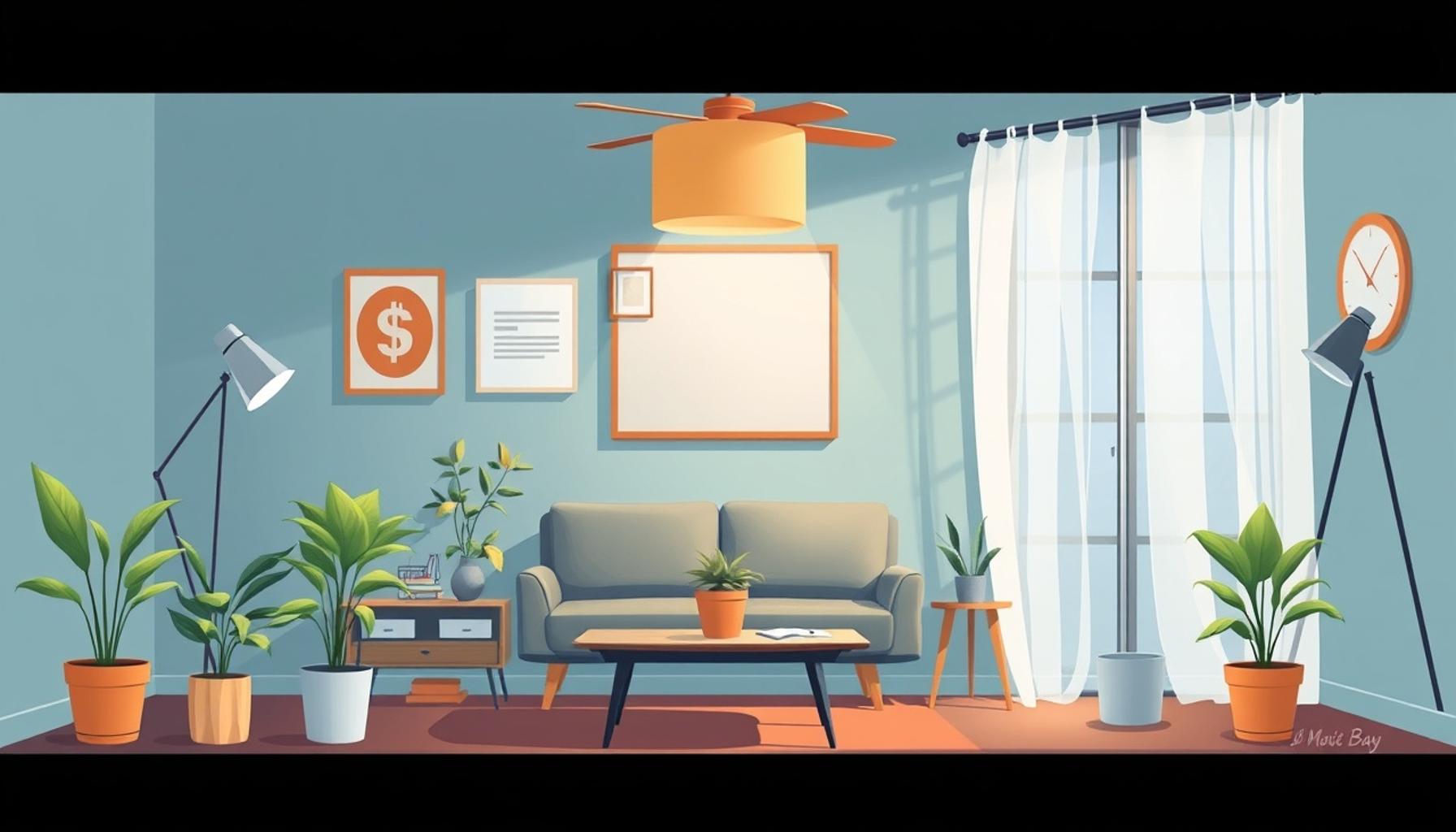
Discovering the Benefits of a Minimalist Lifestyle
In an age characterized by consumerism and an incessant bombardment of stimuli, the appeal of a minimalist home environment continues to resonate with a growing number of individuals. Many are finding solace in living spaces that champion simplicity, functionality, and harmony. Are you curious about the ways minimalism can enhance your life at home? Let’s explore its transformative potential.
A minimalist approach is rooted in the philosophy of “less is more.” This mindset encourages individuals to declutter their lives and prioritize what truly matters. By embracing minimalism in your home, you can:
- Reduce clutter: By removing unnecessary items, you can create an open, airy feel that not only makes your space more inviting but also eases the mind. According to a study by the Princeton University Neuroscience Institute, clutter can significantly impede your ability to focus and process information.
- Enhance focus: In a simplified environment, distractions are minimized, allowing for heightened productivity. This is particularly important in today’s world where remote work is becoming increasingly prevalent. Creating a dedicated workspace with minimal distractions can enhance work performance and creativity.
- Encourage mindfulness: Streamlined surroundings help cultivate an awareness of what truly matters in life, shifting focus from material possessions to experiences and relationships. Practicing mindfulness in such an environment can reduce stress and promote overall mental well-being.
Transforming your home into a minimalist sanctuary goes beyond mere aesthetics. It’s about creating a space that nurtures the mind and spirit. Here are some essential tips to consider during your journey:
- Choose quality over quantity: Invest in timeless, high-quality pieces that not only elevate your space but also resonate with your personal style. For instance, a well-crafted wooden dining table can serve as a central gathering point, encouraging family dinners and meaningful conversations.
- Play with colors: Opting for a neutral palette—think soft whites, serene greys, and earthy tones—can evoke tranquility and promote relaxation. These hues work particularly well in regions like the Pacific Northwest, where natural landscapes inspire a connection with nature.
- Optimize functionality: Every item in your space should serve a distinct purpose. This principle not only minimizes clutter but also ensures that your living area is efficient and practical. For example, multifunctional furniture, such as a sofa bed or coffee tables with built-in storage, can significantly maximize space.
Embark on this rewarding journey towards a more serene and intentional home. By incorporating these practical tips into your living environment, you can create a sanctuary that reflects your values and enhances your overall well-being. Discover the profound impact that a minimalist lifestyle can have on your life, leading to greater peace, clarity, and contentment in today’s fast-paced world.
Embracing Minimalism: The First Steps to an Intentional Space
Setting out on the journey to create a minimalist home environment can feel overwhelming, especially in a culture that often equates material wealth with success. The key to effectively embracing minimalism is to approach it as a gradual and intentional process. Here, we break down practical strategies that can help you reshape your living space into a reflection of your values and lifestyle preferences.
Start with Decluttering
The cornerstone of a minimalist home is decluttering. Begin by assessing each room and categorizing your belongings into three groups: keep, donate, and discard. This method allows you to take inventory of what truly serves a purpose in your life. Research suggests that people often underestimate the emotional weight of items they hold onto, and a conscious decision to release these can be liberating.
- Set a timeline: Allocate specific days or weekends for decluttering different areas. Trying to tackle everything at once may lead to burnout.
- Use the “Four-Box Method”: Use four boxes labeled: trash, give away, keep, and relocate. This visual organization aids in decision-making.
- Be ruthless: If an item hasn’t been used in the last year, it’s likely you can live without it. Remember, minimalism is about making room for what you love.
Rethink Your Space
Once you’ve decluttered, it’s essential to rethink the functionality of your space. Each room should reflect how you live and serve your needs effectively. A well-organized space will not only enhance your environment but also your mood and productivity. Consider these tips:
- Room purpose: Define what you want each room to achieve. For example, if your living room is for relaxation, create a seating arrangement that promotes comfort and conversation.
- Flow of movement: Ensure that there’s a natural flow through your spaces. Avoid overcrowding furniture, and leave pathways clear to maintain an open feel.
- Flexible furniture: Invest in stand-alone pieces that can serve multiple purposes, like ottomans that can serve as seating or storage, reflecting the philosophy of minimalism where every item tells a story.
Incorporating Nature
Another significant aspect of creating a minimalist home is incorporating elements from nature. Studies show that natural light and greenery can uplift mood and improve clarity. By integrating natural elements, you not only beautify your space but also ground it in tranquility. Here’s how to do it:
- Maximize natural light: Use sheer curtains or strategically placed mirrors to reflect light and create an inviting ambiance.
- Indoor plants: Incorporating a few carefully chosen plants can enhance air quality and provide an organic touch to your decor. Succulents or snake plants are great low-maintenance options.
- Natural materials: Opt for furnishings made from wood, stone, or organic fabrics to create a harmonious connection with the outdoors.
Transforming your home environment into a minimalist sanctuary is not just an aesthetic choice; it profoundly influences your emotional and mental well-being. By implementing these practical tips, you create not just a space that looks good, but a home that feels good and fosters a lifestyle of intentionality and peace.
Transforming Spaces: Practical Tips for Creating a Minimalist Home Environment
As you embark on your journey towards creating a minimalist home, understanding the fundamental principles that guide this design philosophy is essential. Minimalism goes beyond mere aesthetics; it involves a strategic approach to selecting what truly matters in your living space. Here are some practical tips that can help you transform your environment into a serene sanctuary.
1. Embrace Decluttering
The first step in achieving a minimalist home is to embrace decluttering. Begin by assessing each room and identifying items that serve no purpose. This process involves not only discarding unnecessary possessions but also determining what you want to keep. Consider adopting a “one in, one out” rule to maintain your space.
2. Opt for Neutral Colors
Using a calm and neutral color palette is instrumental in creating a minimalist environment. Shades such as whites, beiges, and light grays can make your space feel more open and inviting. These colors allow natural light to reflect beautifully, contributing to a tranquil atmosphere.
3. Focus on Functionality
When choosing furniture and décor, prioritize function over form. Select pieces that offer practicality without compromising style. Multi-functional furniture is an excellent solution for maximizing space while maintaining a clean aesthetic. For example, a coffee table with storage can keep living areas tidy and organized.
4. Create Open Spaces
Minimalism thrives on space. Aim to create open areas within your home by arranging furniture thoughtfully. Allow for clear pathways and ensure that furniture does not overcrowd the room. This open layout fosters a sense of calm and enhances the feeling of spaciousness.
| Category | Key Features |
|---|---|
| Decluttering | Clears mental space and promotes mindful living. |
| Neutral Colors | Creates harmony and enhances natural light throughout the home. |
By implementing these basic principles, you will begin to see a transformation in your home environment. Minimalism is not about deprivation; it’s about enriching your life with space and clarity. Stay tuned for more insightful tips that will guide you further down this rewarding path.
5. Limit Decorative Items
Decorative items can contribute to unnecessary clutter. To maintain a minimalist aesthetic, limit the number of decorative pieces on display. Opt for a few high-impact items that reflect your personality or have special meaning. This strategy ensures your decor doesn’t overwhelm your space while still adding character.
Continuing to refine your minimalist approach will empower you to cultivate a home environment that is both functional and aesthetically pleasing. From decluttering to mindful decoration, each step contributes to a serene and balanced living space.
Creating a Harmonious Atmosphere: Design and Decor Tips
While decluttering and rethinking the functional aspects of your space are critical steps in minimalist transformation, the design and decor of your home also play a vital role in creating a serene and intentional environment. Every choice you make should contribute to a sense of calm and clarity, allowing space for personal expression without overwhelming your senses. Here are essential design strategies to consider:
Color Palette Matters
The colors you choose for your walls and decor can significantly impact the mood of your home. A minimalist approach often leans towards a neutral color palette that promotes tranquility. Consider the following options:
- Soft whites, greys, and beiges: These colors reflect light and can create an airy feel, making spaces look larger and more welcoming.
- Accent walls: Use subtle tones for most walls while incorporating a slightly bolder color on one wall to add dimension without chaos.
- Textured fabrics: Incorporate different textures within the same color scheme, such as linen cushions or wool throws, to create interest without clutter.
Thoughtful Decor Selection
In a minimalist home, every piece of decor should be meaningful or serve a functional purpose. When it comes to decoration, consider the impact of each item you bring into your space:
- Choose statement pieces: Instead of filling walls with multiple paintings or photographs, opt for one or two larger art pieces that resonate with you. This draws the eye and creates a focal point.
- Limit ornamental objects: Use decorative items sparingly. Consider using items that also serve functionality, such as a beautiful vase that can hold fresh flowers or a stylish timer in the kitchen that enhances practicality.
- Mindful sourcing: Invest in decor from local artisans or handmade goods that tell a story. This not only supports the community but ensures your space is unique and personal.
Maximizing Space with Smart Storage Solutions
An essential aspect of minimalism is the clever use of storage solutions that keep clutter hidden while maintaining an organized look. Here are some ideas:
- Built-in furniture: Custom furniture solutions such as benches with storage or wall-mounted shelves can save space and reduce the need for additional furniture.
- Multi-functional items: Consider pieces like a bed with drawers underneath or a coffee table that can expand for dining. These intelligent choices can accommodate more functionality without sacrificing style.
- Vertical storage: In smaller spaces, utilize wall space effectively with floating shelves and hooks for displaying items while keeping the floor area clear.
As you implement these design and decor elements, remember that less is often more. By curating a collection of intentional items that enhance the serenity of your space, you not only adhere to minimalist principles but also create a home that fosters creativity and inspiration. Minimalism is about making conscious choices that reflect your lifestyle, ensuring that each element brings value to your daily life.
Embracing Minimalism: The Journey to a Transformed Space
In conclusion, adopting a minimalist home environment is not merely about reducing physical possessions, but rather an intentional journey toward crafting a space that embodies peace, clarity, and purpose. As we’ve explored throughout this article, effective decluttering and thoughtful design choices combine to create an atmosphere that enhances well-being and creativity. By implementing a neutral color palette that promotes tranquility, selecting meaningful decor that tells your unique story, and utilizing smart storage solutions to maintain organization, you can transform your living space into a haven of harmony.
Furthermore, it’s important to recognize that minimalism isn’t a one-size-fits-all solution. It invites individual expression and should reflect your lifestyle, values, and preferences. This means continuously reassessing your space and shedding any items that no longer serve a purpose. The process encourages a mindset shift toward conscious consumption—whether it’s sourcing handmade items from local artisans or carefully considering each new acquisition.
As you embark on this transformative journey, remember that the minimalist lifestyle is about finding a balance that feels right for you. It enables you to embrace simplicity without sacrificing warmth or functionality. By cultivating an environment focused on clarity and intention, you not only enhance your personal space but also invite a greater sense of peace and mindfulness into your daily life. So take those first steps, and let minimalism guide you towards creating a home that truly resonates with who you are.