The Role of Minimalist Lighting in Creating Open and Airy Spaces
Embracing Minimalist Lighting in Interior Design
In the contemporary design landscape, the quest for simplicity and tranquility has emerged as a cornerstone of effective home decor. The intentional use of minimalist lighting plays a pivotal role in creating inviting spaces that feel both spacious and serene. By employing a design philosophy that emphasizes clean lines and understated illumination, homeowners can cultivate environments that resonate with calm and clarity.
Natural Light Maximization: One of the most effective strategies in minimalist lighting design is the maximization of natural light. Large windows and thoughtfully placed skylights help to draw in sunlight, seamlessly blending indoor and outdoor environments. For instance, a home in California’s coastal areas often features expansive glass walls that not only provide breathtaking views of the Pacific but also infuse interiors with an abundance of natural light. This technique not only brightens a space but also fosters a strong connection with nature, thereby enhancing residents’ emotional well-being.
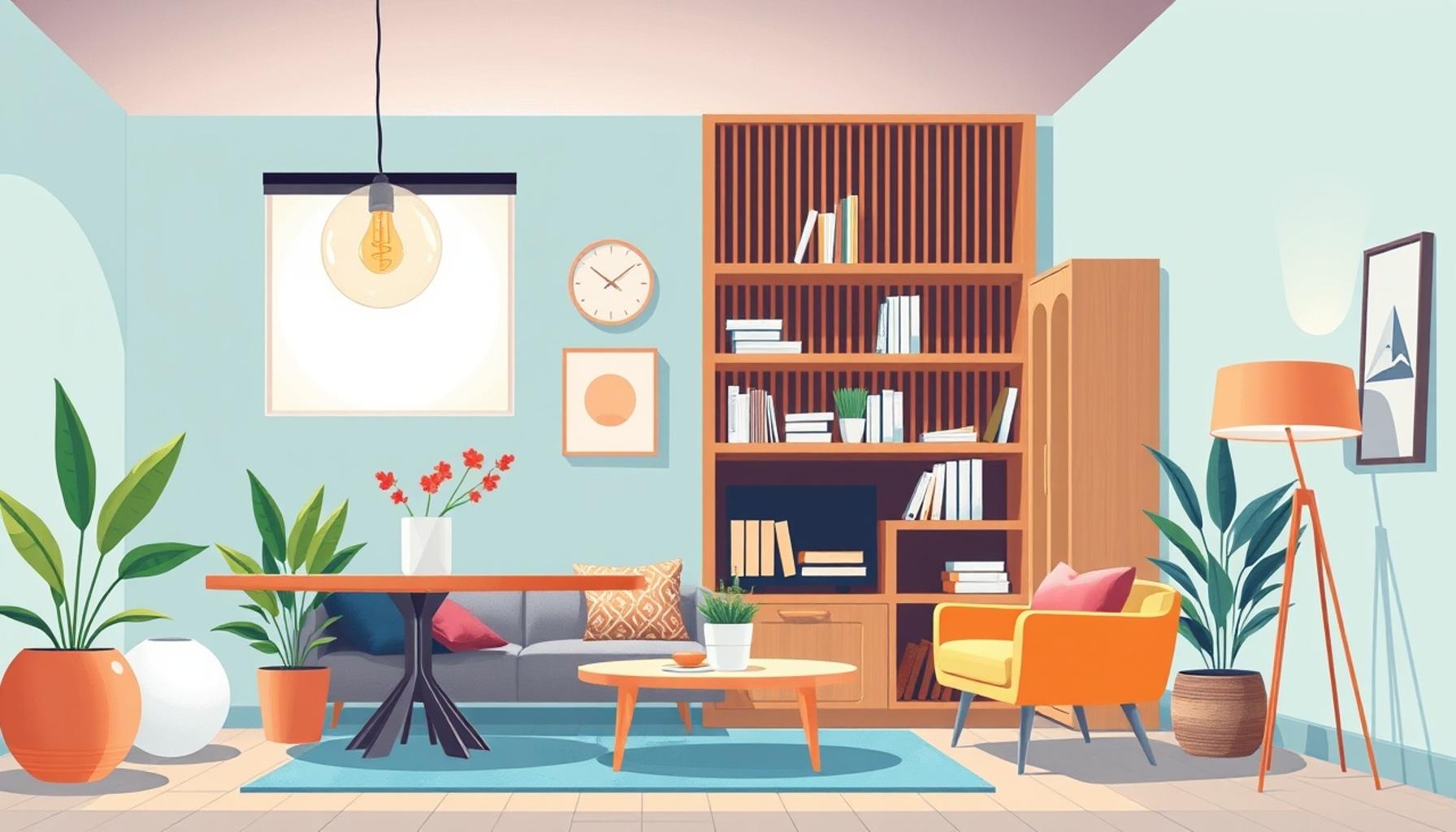
Functional Yet Elegant Fixtures: The choice of lighting fixtures in minimalist design is crucial. Opting for streamlined pendant lights or recessed lighting can create an elegant yet unobtrusive aesthetic. Take, for example, the use of mid-century modern-inspired fixtures with sleek metals and simple shapes. These pieces can serve as functional art, enhancing a room without overwhelming it with visual clutter. Such lighting choices are perfect for urban apartments, where space is often at a premium, and elegance is a necessity.
Layering Light: Another essential aspect of minimalist lighting is the technique of layering light. By combining ambient, task, and accent lighting, homeowners can add depth and warmth to their spaces while keeping them uncluttered. Ambient lighting, such as indirect lighting from wall sconces, establishes a base level of illumination. Supplementing this with task lighting, like a well-placed desk lamp, allows for functionality, while accent lighting, such as LED strip lights highlighting artwork, adds a touch of personality. This harmonious blend not only elevates the visual appeal of a room but also enhances its practicality.
By adopting a minimalist approach to illumination, homeowners can transform their environments into sanctuaries that promote relaxation and creativity. The artful balance of light not only enriches the aesthetic but also supports psychological health by instilling a sense of order and tranquility. As individuals increasingly seek to escape the chaos of modern life, minimalist lighting offers a simple yet profound solution.
Diving deeper into minimalist lighting reveals innovative designs and materials that play a significant role in shaping user experience. For instance, the rise of eco-friendly lighting technologies has led to the development of energy-efficient LED fixtures, which can be both striking and sustainable. By exploring effective placement techniques—like positioning lights at varying heights or using reflective surfaces—homeowners can further enhance the feeling of openness in their living areas.
As the exploration of minimalist lighting continues, it invites design enthusiasts to embrace simplicity without sacrificing style, providing an opportunity to create homes that are both functional and aesthetically pleasing. The impact of thoughtful lighting choices cannot be overstated; they are crucial in crafting a space that feels tranquil and uplifting, ultimately promoting a lifestyle of clarity and calm.
Natural Light: The Foundation of Minimalist Spaces
When discussing minimalist lighting, it is essential to emphasize the significance of natural light as the primary source of illumination in creating open and airy spaces. Natural light not only brightens interiors but also enhances the overall aesthetic of a home. In regions such as the Southwestern United States, where abundant sunshine is prevalent, maximizing daylight becomes a vital aspect of interior design.
Architects and designers often advocate for the use of large windows and glass doors. By strategically positioning these elements, they allow homeowners to reap the benefits of sunlight while providing expansive views of nature. For instance, consider the influence of homes in cities like Phoenix or Los Angeles, where expansive glass walls and bi-fold doors create seamless transitions between indoor living areas and outdoor patios. This design choice not only floods the space with light but also visually enlarges the room, fostering a sense of connection with the environment.
Choosing the Right Fixtures for Minimalist Illumination
The selection of lighting fixtures is a key element in maintaining a minimalist aesthetic while simultaneously enhancing open spaces. Homeowners can achieve this by exploring various styles and materials that reflect their personal taste without overwhelming the design. Here are some lighting fixture styles that align with minimalist principles:
- Sleek Pendant Lights: These fixtures can act as focal points without being overly elaborate. Their simple designs often feature geometric shapes and materials like metal and glass, complementing open spaces.
- Recessed Lighting: Installed into the ceiling, recessed lights create an unobtrusive source of illumination. They work exceptionally well in areas with high ceilings, providing ambient light without disrupting the visual flow.
- Wall Sconces: Ideal for narrow spaces or hallways, wall sconces can add depth and create a warm glow. Choosing fixtures with a streamlined design ensures they harmonize with the minimalist theme.
Opting for fixtures that blend in rather than stand out allows the natural light to be the star of the show, contributing to that airy, unconfined feeling characteristic of minimalistic designs.
The Art of Light Layering
To truly harness the power of lighting in establishing a spacious environment, homeowners should explore the concept of layering light. Layering light combines various types of illumination—ambient, task, and accent—creating depth and warmth while maintaining a clutter-free aesthetic. Each layer plays a vital role in achieving balance within a room:
- Ambient Lighting: This foundational lighting type provides overall illumination and creates a comfortable atmosphere.
- Task Lighting: Essential for specific activities, such as reading or cooking, task lighting offers focused brightness where needed.
- Accent Lighting: This adds character and visual interest, highlighting artwork or architectural features
By effectively layering these lighting styles, spaces can feel more dynamic while staying true to the minimalist ethos of simplicity and clarity. This approach not only enhances functionality but also allows the overall tranquility of the space to shine through.
The role of minimalist lighting extends beyond mere aesthetics; it is fundamentally about creating environments that feel expansive and serene. As we continue to explore the implications of lighting in design, it is clear that thoughtful illumination holds the key to cultivating open and airy interiors.
| Advantages | Description |
|---|---|
| Enhanced Spatial Perception | Minimalist lighting creates illusion of space by reducing visual clutter, making rooms feel larger and more inviting. |
| Mood Elevation | Quality of light impacts psychological well-being, fostering a calm and serene environment that enhances relaxation. |
| Energy Efficiency | Utilizing minimalist lighting often involves LED technology, which reduces energy consumption and lowers utility costs. |
| Focus on Design Elements | Minimalist lighting accentuates sophisticated design features, allowing art and architectural elements to shine without distraction. |
The fascinating aspect of minimalist lighting lies in its ability to redefine spaces, channeling light in a way that not only illuminates but also transforms all facets of an environment. By focusing on the beauty of simplicity, it provides an opportunity to create settings that are as functional as they are pleasing to the eye. In addition to the aforementioned benefits, natural daylight is paramount in embracing the principles of minimalism. It allows spaces to breathe, making the boundaries between indoor and outdoor almost disappear. When integrated with well-planned artificial lighting, it ensures a harmonious balance that encourages fluidity and openness. Seeing how these elements interact can truly inspire homeowners and designers alike to rethink their approach to illumination in their projects.
The Importance of Color Temperature in Minimalist Lighting
Another fundamental aspect that contributes to the creation of open and airy spaces through minimalist lighting is color temperature. The right color temperature can dramatically influence the mood and perception of space within a home. Color temperature refers to the warmth or coolness of light, expressed in Kelvin (K), and ranges from warm tones around 2700K to cooler, bluish tones exceeding 5000K.
In minimalist design, utilizing warmer color temperatures creates a cozy, welcoming ambiance. For instance, a warm light fixture placed in a living area can promote relaxation and enhance the feeling of spaciousness—providing soft illumination that complements the natural light entering through large windows. On the other hand, cooler color temperatures, typically found in contemporary spaces, can evoke a more energetic environment. These are particularly effective in spaces like kitchens or work areas, where task lighting demands clarity and focus.
Balancing color temperatures throughout a home is crucial for maintaining cohesiveness in your space. The combination of warm natural light during the day and cooler artificial lighting in the evening can emulate an inviting transition, supporting spatial freedom while adapting to the functional needs of each area. Designers often recommend mixing different light sources—such as warm LED bulbs in recessed fixtures combined with cooler task lighting in workspaces—to form layers of varying brightness and warmth.
The Role of Smart Lighting in Minimalism
As technology evolves, smart lighting solutions are increasingly influencing the minimalist approach to illumination. Smart lighting allows homeowners to customize and control their lighting environments precisely, significantly enhancing the sense of space. Systems can be programmed to adjust the intensity and color temperature based on the time of day or specific activities, enabling users to optimize their lighting effortlessly.
For example, a smart lighting setup can gradually brighten throughout the morning, mimicking the natural progression of daylight. This makes waking up feel less abrupt and contributes to a more spacious atmosphere. In the evening, lights could be dimmed to create a soothing environment, further enhancing the airy feel of the home. Additionally, dimmable fixtures allow homeowners to regulate brightness, which can help maintain that open feeling without sacrificing functionality.
Moreover, integrating smart lighting with home automation systems can streamline your environment. Voice-activated controls or smartphone applications can manage lighting without adding clutter to surfaces, maintaining the minimalist principle of clean lines and open spaces. A well-implemented smart lighting system not only increases the versatility of a home’s design but also reinforces the alignment with minimalist values by promoting simplicity and efficiency.
Utilizing Shadows to Define Space
Incorporating light into your design isn’t only about the illumination; it’s also about the shadows created in the process. Minimalist lighting can expressively define and sculpt spaces through strategically placed fixtures. Shadows can contribute to spatial perception, enhancing the architecture of a room and bringing dimensionality. For instance, a high wall sconce can project soft shadows that accentuate large, blank walls, creating visually interesting areas without the need for additional decor.
Homeowners can experiment with different angles and heights to see how lighting and shadows interact throughout the day. This technique leads to dynamic visual engagement while preserving the essence of a minimalist approach. The interplay between light and shadow fosters a sophisticated environment that feels both expansive and intimate at the same time.
Conclusion
In conclusion, the role of minimalist lighting in crafting open and airy spaces cannot be overstated. By emphasizing simplicity, balance, and innovation, minimalist lighting not only enhances the aesthetic of a home but also profoundly impacts its ambiance and functionality. The integration of carefully chosen color temperatures contributes to a harmonious flow throughout the space, allowing each room to serve its purpose while maintaining a cohesive atmosphere that feels expansive.
Incorporating smart lighting solutions amplifies this effect by providing homeowners with the flexibility to adjust their environment effortlessly, creating the ideal setting for every occasion. The ability to manipulate light intensity and shadow adds depth to areas that might otherwise feel stark, encouraging a dynamic interplay between illumination and design. As light engages with various surfaces, it has the power to transform ordinary spaces into extraordinary ones, making the architecture speak through its shadows and highlights.
Moreover, embracing a minimalist lighting approach empowers individuals to make conscious design decisions that align with contemporary values of sustainability and efficiency. As you consider redesigning your space, remember that each choice you make—whether it be the fixture type, color temperature, or layering of lights—can significantly enhance the overall perception of openness and airiness. By viewing lighting as a transformative tool rather than mere functionality, you can create an environment that is not only beautiful but also inviting, relaxed, and distinctly personal. The journey into minimalist lighting is a step towards greater clarity and serenity in your home.