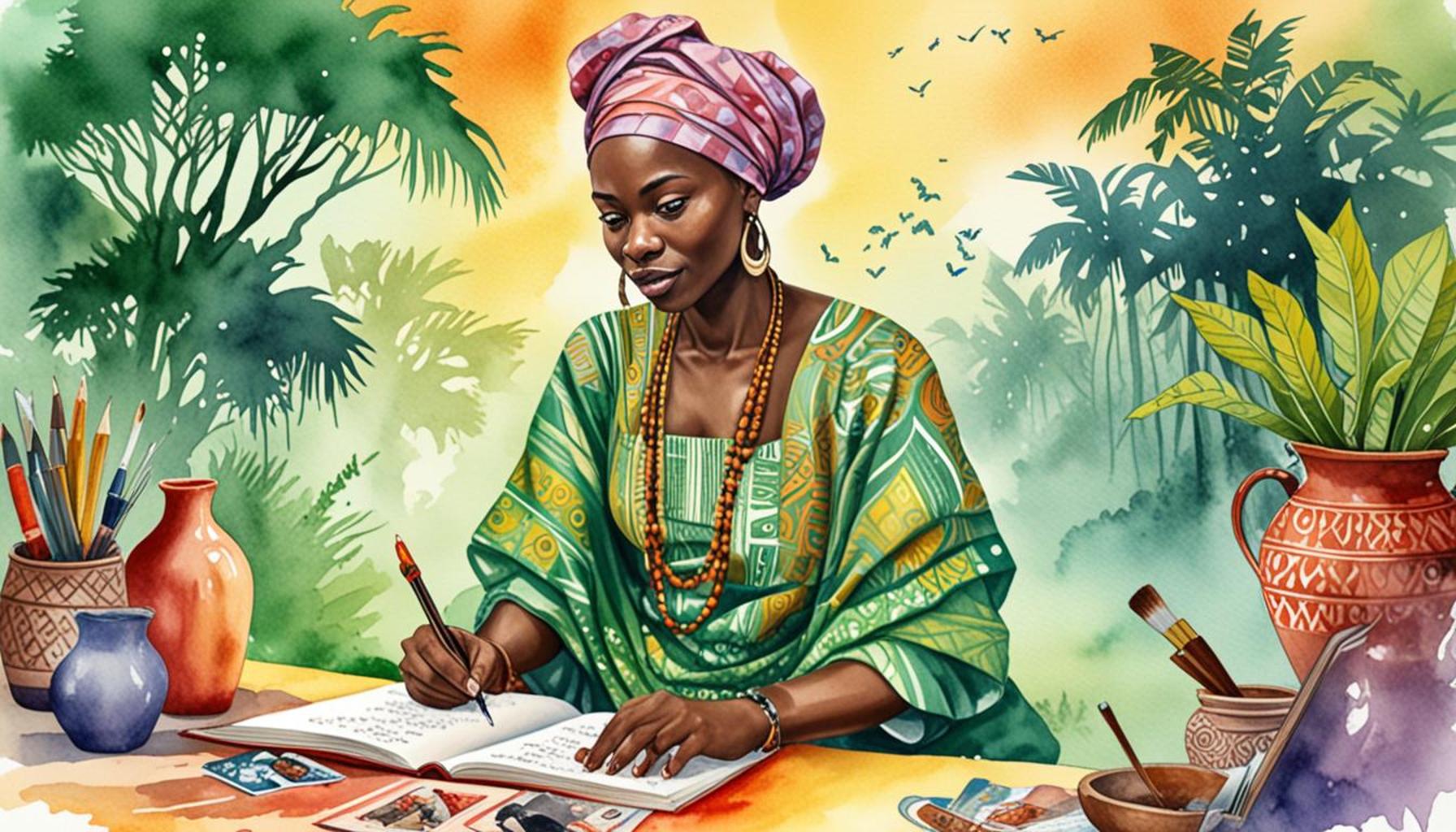
The Role of Creative Writing in Nigerian Cultural Expression
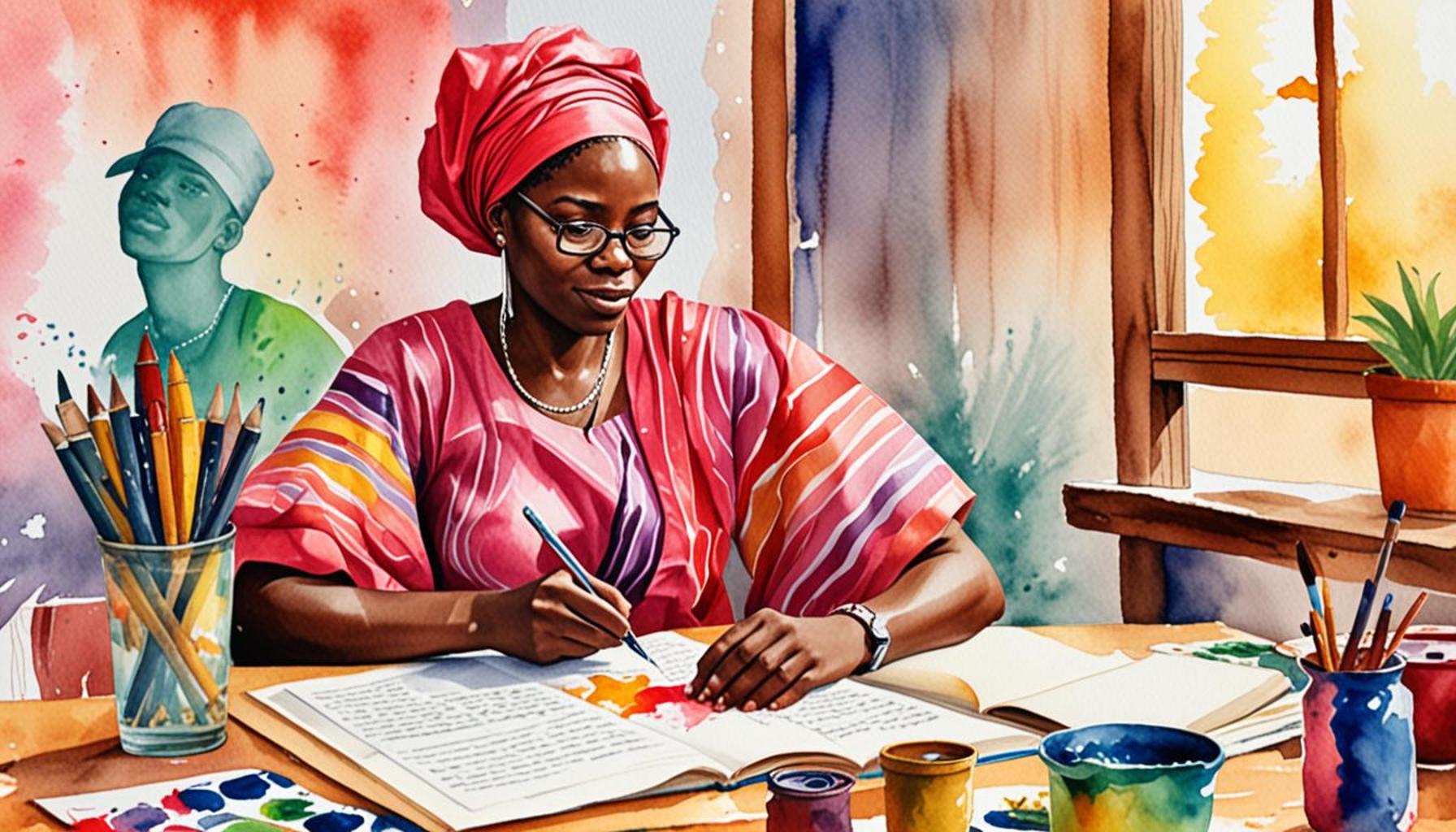
In Nigeria, the vibrant tapestry of culture finds a formidable voice through creative writing. This powerful medium serves not only as a form of artistic expression but also as a vital link to the nation’s rich heritage and diverse narratives. As many individuals engage in creative hobbies, it becomes evident how storytelling plays a pivotal role in shaping and reflecting cultural identity.
The significance of creative writing in Nigeria cannot be overstated; it encompasses a range of genres, from poetry to fictional storytelling, offering insight into social issues, traditions, and personal experiences. This exploration reveals how Nigerian writers harness their craft to challenge societal norms, celebrate collective history, and foster community connection. Moreover, creative writing becomes a means of preserving indigenous languages and storytelling techniques, enriching both local and global audiences.
To enhance our understanding of this cultural phenomenon, we will delve into the Top 5 reasons why creative writing is essential to Nigerian cultural expression. Each point will illustrate the impact of this art form and encourage further exploration of Nigeria’s literary landscape.
The Importance of Creative Writing in Nigerian Cultural Expression
Nigeria’s rich tapestry of cultures, traditions, and languages is beautifully woven together through the medium of creative writing. From folklore to modern narratives, the power of the written word dramatically shapes and influences the Nigerian identity. In this exploration, we delve into the top five ways in which creative writing plays an integral role in the cultural expression of Nigeria. These insights lead us to discover new perspectives and appreciations for this vibrant nation’s literary landscape.
5. Preservation of Oral Traditions
One of the most vital contributions of creative writing to Nigerian culture is the preservation of oral traditions. Oral storytelling is a cornerstone of Nigerian heritage, passed down through generations. Creative writing translates these narratives into accessible written forms, ensuring they are not lost to time.
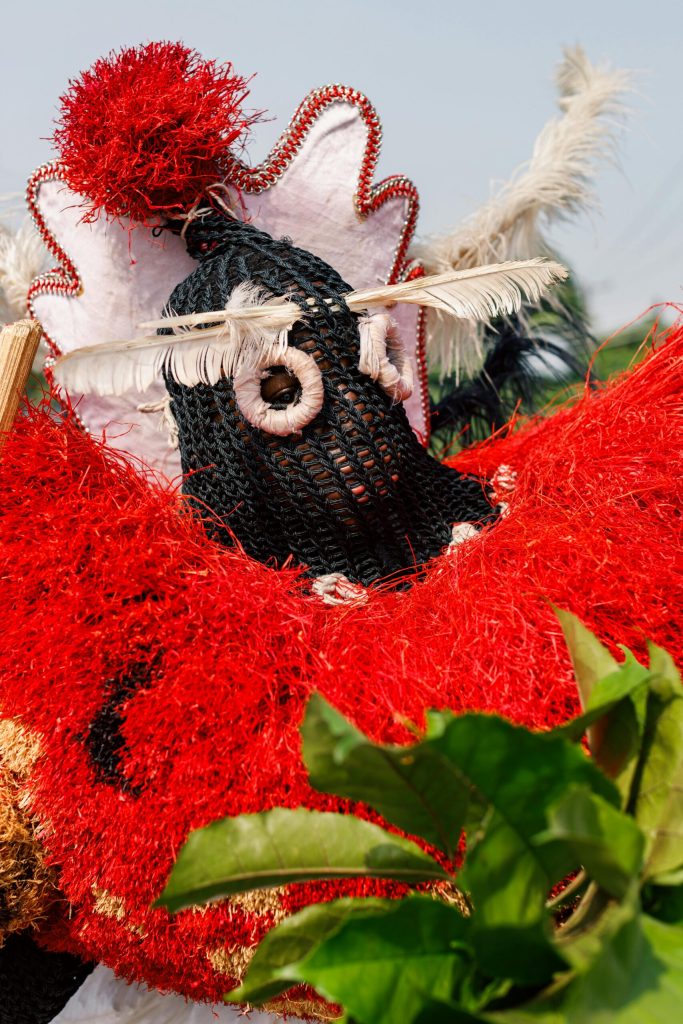
Nigeria boasts over 250 ethnic groups, each with unique stories that reflect communal values, history, and morals. By documenting these oral traditions, creative writing provides a reference point for younger generations who might be disconnected from their roots due to modernization. It serves as a living repository of wisdom and experience.
- Folktales that teach moral lessons and encapsulate societal norms
- Proverbs conveying the richness of Nigerian wisdom through concise and memorable phrases
- Myths that explain cultural phenomena and embody spiritual beliefs
Through such mechanisms, creative writing not only preserves crucial cultural elements but also allows for the adaptation of these stories in contemporary contexts, giving them relevance and resonance with today’s audiences.
4. Expression of Identity and Diversity
Creative writing provides a powerful platform for the expression of identity within Nigeria’s diverse societies. As a country characterized by an intricate mosaic of languages, customs, and worldviews, Nigeria’s narrative is enriched by authors who explore their ethnic backgrounds and distinct cultural experiences through poetry, novels, and essays.
In writing about their unique perspectives, these authors contribute to a broader narrative of what it means to be Nigerian. By doing so, they celebrate individual stories that might not always align with the mainstream culture, thereby fostering a richer and more inclusive understanding of the nation’s identity. This literary exploration challenges readers to appreciate Nigeria’s multiplicity and the depth it brings to national discourse.
3. Social Commentary and Awareness
The art of creative writing allows for potent social commentary that provokes thought and inspires change. Many Nigerian writers use their craft to address pressing social issues, such as poverty, corruption, and inequality. Through novels, short stories, and plays, they challenge societal norms and encourage readers to confront uncomfortable truths.
Prominent figures like Chinua Achebe, Chimamanda Ngozi Adichie, and Wole Soyinka have masterfully utilized their narratives to reflect on political climates and gender roles within Nigeria. Their works highlight societal issues not just to entertain but to enlighten, inspiring a sense of responsibility among readers to engage in dialogue and take action.
Through these narratives, creative writing becomes a mirror in which society can see its imperfections and, hopefully, find a path to transformation.
2. Uniting People through Shared Experiences
Creative writing acts as a bridge that unites people across varying cultural landscapes. In Nigeria, literature offers a shared experience that transcends ethnic and language barriers. When readers engage with stories that echo their realities, there emerges a mutual understanding that enhances the sense of belonging and community.
Literary festivals, book clubs, and reading circles facilitate dialogue and discussions around written works, creating spaces where diverse voices converge. This interaction fosters appreciation for differences, leading to a sense of camaraderie among individuals who might otherwise remain isolated within their cultural confines.
By acknowledging shared human experiences through literature, creative writing serves as a catalyst for empathy and unity.
1. Innovation and Inspiration for Future Creatives
At the pinnacle of the importance of creative writing in Nigerian culture is its role in inspiring future creatives. The diverse narratives produced by contemporary writers encourage budding authors, poets, and playwrights to explore their own voices and innovate within their craft. The success of established figures in the literary scene serves as motivation for new writers to contribute their unique narratives and embrace their heritage.
Moreover, the rise of digital media has significantly amplified the reach of Nigerian literature, allowing creators to share their work with a global audience. Platforms such as social media and online publishing have made it easier for emerging voices to be heard, thus further enriching Nigeria’s vibrant literary ecosystem.
In conclusion, the significance of creative writing within Nigerian cultural expression cannot be overstated. It plays a fundamental role in preserving traditions, sparking social change, and inspiring future generations. The written word remains a crucial thread that connects the past, present, and future of Nigeria’s diverse and vibrant cultures, ensuring they continue to thrive and evolve.
The importance of creative writing in the cultural expression of Nigeria extends far beyond mere storytelling. It serves as a vital mechanism for preserving history, promoting identity, and addressing contemporary social issues. This body of work, rich in tradition and contemporary relevance, offers insights into the diverse narratives that shape Nigeria’s cultural landscape.One of the most significant roles of creative writing is its ability to *preserve cultural heritage*. Through poetry, novels, and folklore, storytellers capture the essence of Nigerian traditions, languages, and experiences, ensuring they are passed down through generations. This is particularly vital in a country with over 250 ethnic groups and over 500 languages, as written word enables future generations to engage with their heritage, allowing the nuances of each culture to be documented and celebrated.Creative writing also plays a crucial role in promoting *national identity*. Nigerian authors often weave their personal and societal experiences into their works, providing a mirror that reflects the complexities of living in Nigeria. This reflective practice fosters a sense of belonging among readers, helping them navigate their own identities within the larger national narrative. The works of renowned authors like Chinua Achebe and Chimamanda Ngozi Adichie have not only put Nigerian literature on the global map but have also encouraged national pride and awareness.Moreover, creative writing serves as a platform for social commentary and *advocacy against socio-political issues*. Writers often address pressing issues such as corruption, gender inequality, and environmental challenges through their narratives, bringing attention to these matters in a manner that resonates emotionally with readers. The courageous voices of activists-turned-writers like Sefi Atta and Teju Cole highlight the effectiveness of storytelling as a means of enacting social change, urging readers to reflect and act upon their realities.Additionally, the infusion of *modern themes and technology* into creative writing practices has enhanced the accessibility and reach of Nigerian literary works. The rise of social media platforms and online publishing allows for a diverse array of voices to be heard, introducing fresh perspectives that resonate with younger audiences. This evolution not only democratizes literature but also fosters a sense of community among writers and readers, thus enhancing the vibrancy of Nigerian cultural expression.Creative writing is indeed a multifaceted instrument that yields benefits for individuals and society alike. By championing culture, identity, social awareness, and innovation, it continues to play a pivotal role in shaping the narrative of Nigeria and amplifying the voices of its people. Through the lens of creative expression, the rich tapestry of Nigeria’s cultural heritage is not just preserved but also continually redefined, inviting exploration and celebration by future generations.
FAQs on the Importance of Creative Writing in Nigerian Cultural Expression
What role does creative writing play in preserving Nigerian culture?
Creative writing serves as a dynamic tool in preserving Nigerian culture by showcasing the nation’s rich traditions and tales through various narratives and storytelling styles. Authors utilize novels, poems, and plays to depict elements of Nigerian heritage, thus ensuring they are passed down to future generations. These creative works highlight cultural diversity and detail folklores, customs, and societal values intrinsic to different Nigerian communities, making them a crucial repository of national identity.
How has creative writing influenced modern Nigerian society?
In modern Nigerian society, creative writing has become pivotal in fostering national consciousness and unity through literature that engages with contemporary issues. Writers address themes such as politics, gender, and social justice, encouraging discourse and reflection. Creative writing also provides a platform for emerging voices to explore and challenge societal norms, thereby influencing public opinion and contributing significantly to social change and development.
Can creative writing contribute to Nigeria’s global cultural footprint?
Absolutely. Through creative writing, Nigeria has cemented a notable presence on the global cultural stage, with authors like Chimamanda Ngozi Adichie and Chinua Achebe gaining international acclaim. Their works transcend borders, offering insights into Nigerian life, history, and philosophy, consequently enhancing global understanding and appreciation of Nigerian culture. This global recognition not only amplifies Nigeria’s cultural impact but also boosts its soft power on the international scene.
What are some challenges faced by Nigerian writers in cultural expression?
Nigerian writers often face numerous challenges, including limited access to publishing platforms, which can stifle the dissemination of their works. There are also concerns over censorship and the complex political landscape, which can influence the freedom of expression. Despite these obstacles, many continue to find innovative ways to express their creativity and highlight important cultural themes within their literature.
How can young Nigerians be encouraged to engage with creative writing?
Encouraging young Nigerians to engage with creative writing can be achieved through educational programs that emphasize the importance of literature and storytelling. Workshops, literary festivals, and writing competitions can inspire and nurture budding writers. Additionally, leveraging digital technologies to create online platforms for sharing and critiquing work can build vibrant literary communities, sparking a renewed interest and appreciation for the craft amongst Nigerian youth.
The Enduring Impact of Creative Writing on Nigerian Cultural Expression
Creative writing serves as a powerful conduit for cultural expression in Nigeria, offering both a mirror and a lens through which the rich tapestry of Nigerian life is depicted and preserved. At its core, creative writing plays a critical role in the articulation of Nigeria’s diverse cultures, languages, and experiences. Through storytelling, poetry, and drama, Nigerian writers craft narratives that capture the complexities of identity, history, and contemporary issues, enabling both local and global audiences to gain insight into the cultural dynamics of the nation.
In examining the impact of Nigerian creative writing, it is critical to underscore the ways it fosters communal identity and social commentary. Writers like Chinua Achebe and Chimamanda Ngozi Adichie have utilized their craft to address pressing socioeconomic issues, challenge stereotypes, and promote cultural pride. Moreover, creative writing serves as an invaluable tool for education and preservation, ensuring that indigenous languages and oral traditions continue to thrive in the modern era.
But why does this matter? The endeavor of creative writing brings into light the ability of literature to transcend mere entertainment; it becomes a vehicle for understanding and dialogue. For individuals engaged in creative hobbies, such as writing, this practice not only hones artistic skill but also enriches cultural knowledge and awareness. By amplifying these unique voices, creative writing not only enriches Nigerian cultural expression but also contributes significantly to the global literary landscape.
In conclusion, the importance of creative writing in Nigerian cultural expression can hardly be overstated. It provides a platform for exploration, celebration, and critical reflection, influencing the way cultures are perceived and understood. As interest in Nigerian literature continues to grow, it invites us to delve deeper into a world where stories are not just told but experienced, encouraging a future generation of writers to engage with and transform the cultural narrative.