
The Role of Clutter in Creating Stress and Anxiety in Family Environments
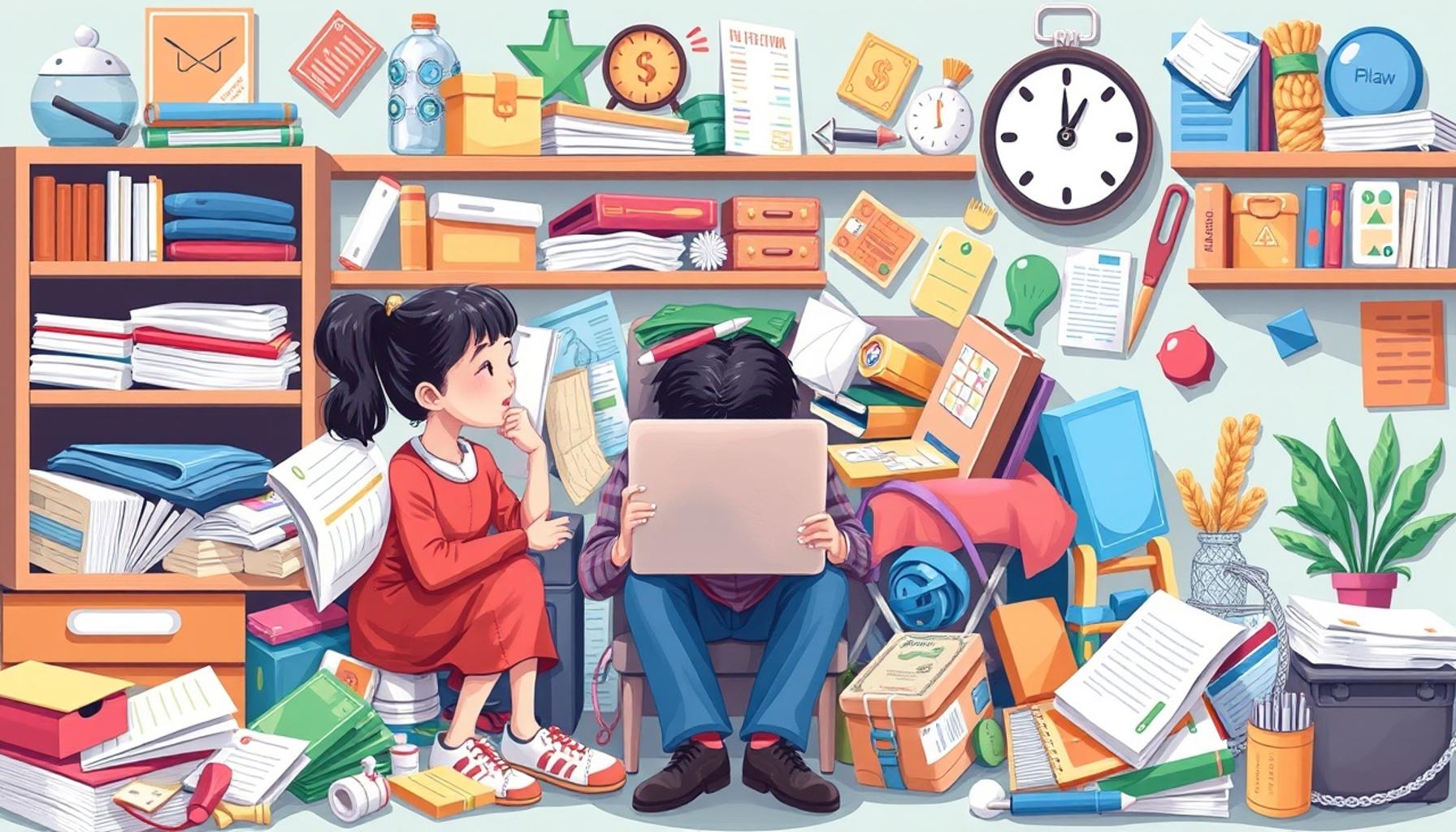
The Hidden Weight of Clutter
In many American homes, clutter seems to accumulate effortlessly. This gradual buildup brings about a shift from mere disorganization into a profound source of stress and anxiety for family members. Understanding how this chaotic environment impacts mental well-being is crucial for healthier family dynamics, especially in a fast-paced society where the balance between work, family, and personal time can often feel unattainable.
Research indicates that clutter not only affects the physical environment but also carries significant psychological ramifications. Studies reveal that clutter can induce feelings of being overwhelmed and anxious. Here are some ways clutter can disrupt tranquility in family environments:
- Visual Distraction: Messy spaces can divert attention, making it difficult to focus on tasks. For instance, a kitchen crowded with unwashed dishes and scattered papers can distract a parent trying to prepare dinner or help a child with homework, ultimately leading to frustration and reduced productivity.
- Emotional Overload: An unkempt space may evoke feelings of guilt, shame, or frustration. The ongoing presence of clutter can create a mental burden, leading individuals to feel as though they are constantly fighting an uphill battle. This emotional strain can take a toll on relationships, with loved ones becoming irritable or distant.
- Conflict Among Family Members: Clutter can lead to disagreements about responsibilities and priorities. For example, a spouse may feel resentful towards another who neglects tidying shared spaces, creating tension and disagreements that impact overall family harmony and communication.
One compelling study published in the “Psychological Science” journal found that messy homes can elevate cortisol levels, a well-known stress hormone. This physiological response suggests that emotional states are intertwined with physical environments. The implications are profound: a chaotic home directly correlates with the mental health of its inhabitants, making it vital to address clutter for personal and family well-being.
As families navigate busy schedules filled with work, school, and extracurricular activities, it becomes increasingly critical to recognize how their environment influences their overall well-being. The relationship between clutter and stress is intricate and multi-layered, prompting many to explore strategies for creating clearer, calmer spaces.
In tackling the challenge of clutter, families can adopt various strategies such as establishing regular decluttering routines, setting designated storage spaces for items, and even practicing minimalism. Engaging children in the decluttering process can turn it into a valuable lesson in responsibility and organization, fostering a sense of teamwork within the household.
Understanding the hidden weight of clutter not only opens the door to individual and relational healing but also highlights the importance of nurturing a peaceful home environment—one where all family members can thrive.
DIVE DEEPER: Click here to discover the benefits of time blocking
Understanding the Psychological Impact of Clutter
When we think about clutter, many may associate it with a disorganized room or a messy basement. However, the implications extend far beyond aesthetics. The pervasive presence of clutter in family environments can have detrimental effects on mental health, catalyzing stress and anxiety that ripple through household dynamics. Exploring how clutter influences emotional health reveals a complex relationship that warrants attention and action.
To grasp this connection, it’s essential to consider how clutter acts as a physical manifestation of a chaotic mind. Psychologists suggest that our habitats reflect our internal states. A cluttered home may peak into emotional turmoil, manifesting not only through physical stacks of belongings but also as turmoil within family relationships. Clutter can evoke a variety of psychological responses, including:
- Increased Anxiety: When surrounded by clutter, individuals may feel a constant sense of pressure, akin to living in a perpetual state of disorganization. This can lead to higher levels of anxiety, making small tasks appear overwhelming.
- Impaired Decision-Making: Clutter can cloud judgment and make it difficult to think clearly. With numerous items demanding attention, decision-making can become stunted, leading to frustration and indecisiveness.
- Difficulty in Relaxation: The presence of clutter can make it challenging for family members to unwind. Instead of finding solace at home, clutter creates an environment that feels uninviting and chaotic, leaving individuals restless.
According to a study published in the “Environment and Behavior” journal, individuals living in cluttered homes reported feelings of being more overwhelmed and stressed. Furthermore, the presence of clutter is known to trigger the body’s fight-or-flight response, leading to a heightened state of alertness that can manifest as irritability and mood swings among family members.
While some individuals may thrive in a more chaotic environment, for many families, a cluttered space can stifle creativity and productivity. Home should be a sanctuary, yet clutter transforms it into a source of tension. The cumulative nature of clutter translates into a shared family burden, where every unorganized space adds to the collective stress felt by all household members.
As we navigate personal and family obligations, it is crucial to recognize the significance of our environments. Clutter’s role in creating stress and anxiety is not to be underestimated. Thus, it becomes vital for family members to engage in practices that promote a cleaner, calmer atmosphere. Not only does this enhance individual peace, but it also fosters healthier interactions among family members.
Establishing a habit of decluttering as a family unit can transform the emotional climate within a home. Whether it involves organizing a shared space or dedicating time to sort through belongings, these practices not only clear physical space but also pave the way for emotional clarity. As we delve deeper into the topic, it becomes clear that understanding and addressing clutter isn’t just about tidying up; it is about reclaiming peace of mind in family life.
As clutter pervades the family environment, its impact on mental well-being becomes increasingly evident. Research indicates that individuals living in disorganized spaces often experience heightened levels of stress, which can trigger a range of emotional disturbances, including anxiety and irritability. This phenomenon is not merely anecdotal; studies have shown that clutter can lead to chronic stress responses in individuals, affecting both their mental and physical health. For families, the implications can be more profound. Children raised in cluttered environments are more likely to struggle with focus and emotional regulation, while adults may face strain in their personal relationships. A survey conducted by the Psychology of Popular Media Culture found that families living in organized spaces reported significantly lower stress levels than those in cluttered homes. The presence of chaos can serve as a constant reminder of unfinished tasks, leading to feelings of being overwhelmed.Moreover, the emotional burden of clutter often extends beyond individual stress. In family dynamics, conflict can arise as members struggle with differing perceptions of organization and cleanliness. One study highlighted that clutter can lead to disagreements among family members about household management, exacerbating tensions and affecting communication. In an era where mental health awareness is paramount, recognizing the role of physical space in mental wellness is crucial. Indeed, the clearing of clutter not only provides a more peaceful living environment but also cultivates a sense of control and accomplishment, positively influencing emotional health. Parents can foster healthier family dynamics by actively engaging in decluttering exercises, promoting teamwork and communication in establishing a serene living space. Understanding the psychological impact of clutter can help families initiate change. Initiatives to create a less chaotic environment are worth exploring not just for their aesthetic benefits, but for the enhanced emotional well-being they promise. As we delve deeper into the correlation between environment and mental health, it becomes clear that tackling clutter is an essential step toward fostering a healthier family dynamic.
DISCOVER MORE: Click here to learn about the power of time blocking
The Impact of Clutter on Family Dynamics
Clutter not only affects individual mental health but also plays a significant role in family dynamics. As family members navigate their daily routines, the environment they inhabit can either foster harmony or exacerbate conflict. The tension created by clutter can lead to misunderstandings, disagreements, and a breakdown of communication within the household.
One of the most profound effects of clutter is its ability to stifle communication among family members. A disorganized space can lead to miscommunication when it comes to shared responsibilities, such as household chores or financial obligations. Parents who struggle to maintain an organized environment may inadvertently project feelings of chaos onto their children, which can impede the development of important life skills. A 2021 study published in the “Journal of Family Psychology” highlights that children raised in cluttered environments often struggle with time management and organizational skills, ultimately impacting their performance in school and social settings.
Moreover, clutter can directly affect relationship dynamics between spouses or partners. In many families, differing ideas about organization can lead to conflict. One partner might view certain items as essential while the other sees them as unnecessary clutter, creating a chasm that can escalate into larger disputes. Research from the “Psychological Science” journal indicates that households where both individuals value a tidy space tend to report higher levels of relationship satisfaction. Thus, aligning on organization standards can eliminate unnecessary discord stemming from clutter.
Children and adolescents in cluttered homes may also experience feelings of inadequacy and frustration. Distraction and disorganization can inhibit their ability to succeed academically and socially, leading to anxiety about their performance. For example, a child with a cluttered study space may struggle to focus on homework or find necessary materials, which can culminate in poor grades and increased stress. Observational studies show that children in tidy environments often demonstrate better focus, leading to enhanced creativity and increased motivation.
The impact of clutter on emotional bonds within a family is equally profound. A cluttered environment can lead to a collective sense of defeat, where family members feel overwhelmed by the persistent chaos around them. This can result in a lack of enjoyment in shared family time, as the feeling of being trapped in a cluttered space undermines the joy of togetherness. When families are unable to enjoy their home, it can lead to emotional withdrawal, as family members may prefer to retreat to their rooms rather than come together.
Statistics from the American Psychological Association reveal that nearly 70% of individuals who reported high levels of stress attributed some of their anxiety to their home environment. Among these, clutter was a major contributing factor, indicating that the negative effects of clutter transcend mere aesthetics. Thus, it is clear that clutter contributes to both individual stress and relational tension within families.
Understanding how clutter impacts family dynamics leads to the recognition that solutions must also be family-oriented. By engaging all members in the decluttering process, families can strengthen their emotional connections while tackling the sources of stress together. This unified approach can transform not just physical spaces but also interpersonal relationships, laying the groundwork for healthier family interactions.
DISCOVER MORE: Click here to learn about the power of time blocking
Concluding Thoughts on Clutter’s Influence in Family Environments
Clutter within family environments is more than just a physical nuisance; it is a significant contributor to stress and anxiety for all family members. As we’ve explored, the chaos of disorganization can lead to miscommunication, conflict, and even emotional withdrawal among loved ones. The home, ideally a sanctuary, can instead become a source of tension when clutter reigns supreme. The correlation between a cluttered environment and the emotional well-being of family members is striking, emphasizing the critical need for families to address this issue collectively.
As studies suggest, the implications of living in a cluttered space can hinder children’s developmental skills and create discord between partners. Recognizing this, families are encouraged to engage in proactive approaches to decluttering, fostering a sense of teamwork and shared responsibility. By creating a more organized living space, families can transform not only their physical environment but also their interpersonal relationships, leading to heightened satisfaction and emotional connection.
In conclusion, it is essential to remember that the journey toward a decluttered home is an ongoing process and requires mutual support and understanding. Families proactively embracing this challenge can pave the way for improved communication, enhanced emotional bonds, and a notable reduction in stress. By prioritizing organization, families can reclaim their space, resulting in a more harmonious and nurturing environment for all. Therefore, taking action against clutter is not simply about tidiness—it’s a way to foster a healthier, happier family life.

Beatriz Johnson is a seasoned minimalist and writer with a passion for simplifying the complexities of personal organization and decluttering. With over a decade of experience in the field, she specializes in topics like minimalist living, efficient organization strategies, and creating intentional spaces. Through her work, Beatriz empowers readers to make mindful decisions about their belongings, streamline their lives, and embrace a more organized and fulfilling lifestyle.