The Psychology of Clutter: How Reducing Disorder Affects Our Well-Being

The Impact of Clutter on Mental Health
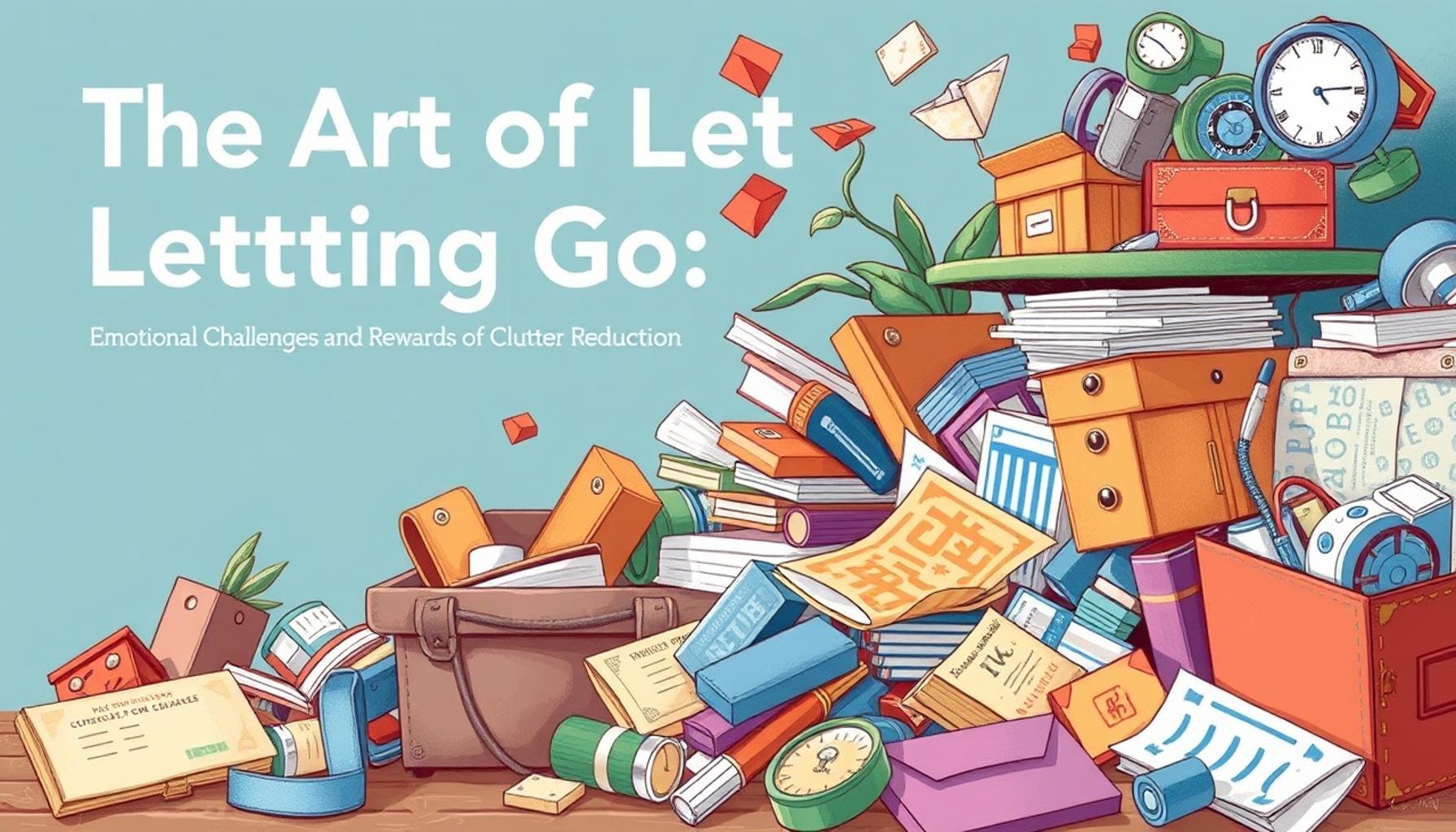
In the fast-paced culture of the United States, disorder and clutter have become unavoidable aspects of modern life. Yet, research shows that the state of our surroundings can significantly influence our mental well-being. Clutter not only encompasses physical objects strewn about our living spaces but also includes the mental load we carry from unresolved issues, contributing to a pervasive sense of chaos.
Understanding the connection between clutter and psychology sheds light on why many individuals feel overwhelmed and anxious in their environments. Here are some key points to consider:
- Visual Overload: A cluttered environment bombards our senses, creating a feeling of chaos that can lead to heightened stress levels. For instance, in a home crowded with belongings, a person may struggle to focus on a simple task, overwhelmed by the distractions surrounding them.
- Decision Fatigue: The abundance of choices presented by clutter can lead to mental fatigue. Psychologists have found that having to make countless decisions, such as where to begin cleaning or which items to keep, can drain mental energy, making it harder to concentrate on what truly matters.
- Emotional Attachment: Clutter often symbolizes unresolved emotions or past experiences, turning into an emotional burden rather than a mere inconvenience. For example, piles of old photographs or gifts from former relationships can evoke feelings of nostalgia and sadness, complicating the decluttering process.
As people strive for a sense of peace and clarity, many find that decluttering leads to profound positive changes in their lives. Evidence suggests that those who minimize disorder often report:
- Improved Concentration: A tidy environment fosters a clear mind, promoting productivity. Studies indicate that individuals working in organized spaces can maintain focus for extended periods and produce higher-quality work.
- Enhanced Mood: Reducing clutter can boost feelings of happiness and satisfaction, as individuals often experience a sense of accomplishment when they create a more inviting and serene space. This can lead to a noteworthy improvement in overall mental health.
- Better Sleep: A calm, decluttered bedroom can significantly promote restful sleep. Research shows that a clutter-free environment helps signal to the brain that it’s time to relax, leading to deeper and more restorative sleep cycles.
Ultimately, reducing disorder is not just about maintaining a clean space; it’s a psychological journey toward better well-being. This article explores the intricate relationship between clutter, mental health, and actionable strategies for reclaiming your space—and your mind. Embracing a decluttered life may involve steps like setting small goals for organizing, adopting minimalist philosophies, or even seeking professional help to navigate emotional attachments to possessions. Through these actions, individuals can cultivate a healthier relationship with their environments and, by extension, themselves.
DISCOVER MORE: Click here to learn about time blocking
Understanding the Psychological Roots of Clutter
As we delve deeper into the psychology of clutter, it’s essential to recognize that disorganization often stems from more than just a busy lifestyle; it reflects underlying emotional and cognitive processes. Research indicates that our external environment can mirror our internal state, and a cluttered space may be a signal of mental disarray. Exploring this connection reveals fascinating insights into how our brains process clutter and its effects on our mental wellness.
The Clutter Connection: Memory and Emotions
One of the most significant psychological aspects of clutter is its relationship with memory and emotions. Our possessions often carry stories and emotional weight, which can complicate the decision to let go of them. Cognitive psychologists have noted that many individuals struggle with sentimental attachments to items that may no longer serve a purpose in their lives. This phenomenon can lead to emotional paralysis when attempting to declutter. The more emotionally charged a possession is, the more challenging it becomes to part with it, creating a cycle of accumulation that can intensify feelings of overwhelm.
- Nostalgia and Regret: Items such as old clothing, memorabilia, or gifts can evoke nostalgia, prompting individuals to hold onto them as a way of preserving memories. This emotional tie can lead to regret when attempting to declutter, resulting in stress rather than catharsis.
- Fear of Loss: Another significant psychological barrier is the fear of losing memories associated with certain objects. This fear can manifest as anxiety, making individuals reluctant to declutter, thereby perpetuating the cycle of disorder.
- Decision Fatigue: Each item in a cluttered space can require decision-making, leading to cognitive overload. The human brain has limited energy for decision-making, and an excess of belongings can lead to mental fatigue, further exacerbating feelings of stress and distractibility.
Clutter and Stress: The Physiological Impact
The implications of a cluttered environment extend beyond mental health; they can influence our physiological state as well. Studies have shown that individuals living in disorganized spaces often experience elevated levels of the stress hormone cortisol. The presence of clutter triggers a fight-or-flight response that can affect long-term health if not addressed. Chronic stress, fueled by disorder, can lead to headaches, digestive issues, and even heart disease. Recognizing this connection emphasizes the urgent need for effective strategies to combat clutter—not just for aesthetic purposes, but for holistic well-being.
By understanding how disorder impacts our psychological state, we can approach decluttering with greater awareness and intentionality. Addressing these emotional and cognitive factors is crucial not only for creating a more organized space but also for enhancing our overall mental health. The journey of decluttering, therefore, is not merely about achieving a tidy home; it is about fostering a healthier mindset and reclaiming our peace of mind. This article will continue to explore practical techniques for reducing clutter while understanding the deeper psychological currents that fuel our attachment to disorder.
The Impact of Clutter on Mental Health
When our surroundings are filled with clutter, it can lead to feelings of overwhelm and anxiety. The excess items in our space create visual distractions that can disrupt our focus, making it challenging to concentrate on important tasks or even enjoy leisure activities. Research suggests that individuals who live in cluttered environments report higher levels of stress, and this chronic stress can have a negative impact on both physical and mental health. One of the most intriguing aspects of this relationship is the psychological burden that clutter imposes. Psychologists have found that decluttering can alleviate feelings of guilt associated with unused items or the emotional baggage that certain possessions may carry. By simply letting go of unnecessary belongings, individuals often experience a sense of liberation, enhancing their overall emotional well-being. Additionally, reducing clutter has been shown to foster a more focused mindset. Spaces that are organized and serene promote creativity and productivity, enabling individuals to better engage with their goals and aspirations. By transforming one’s environment, it is possible to nurture a healthier mental state, encouraging clearer thinking and a more positive outlook on life.It’s also important to recognize how the act of decluttering itself can serve as a therapeutic exercise. The physical activity involved, paired with the decision-making process regarding what to keep or discard, can provide a cathartic release that benefits mental health. This intersection of psychology and the physical space around us underscores the deep connection between environment and emotional states.
Exploring the Benefits of a Decluttered Life
In addition to alleviating stress, reducing clutter can have profound long-term benefits for an individual’s overall well-being. A more organized living area can lead to a significant improvement in personal and professional relationships. People tend to feel more at ease in clean, orderly spaces, creating a welcoming environment for interactions with friends and family. Moreover, embracing minimalism can contribute to saving time and money, as individuals become more mindful about their purchases and commitments. This shift in perspective allows for intentional living, focusing on what truly brings joy and satisfaction. Subsequently, this practice not only fosters emotional growth but also opens avenues for self-discovery and personal development.Ultimately, addressing the psychology of clutter goes hand in hand with understanding how to cultivate a balanced lifestyle. As research continues to explore this dynamic, many individuals are discovering that the journey toward minimalism is not simply a trend but a pathway to enhanced well-being.
DIVE DEEPER: Click here to discover the power of time blocking
Reclaiming Mental Clarity: The Benefits of Decluttering
Once we understand the psychological implications of clutter, it becomes clear that actively engaging in decluttering can yield significant benefits for our mental and emotional well-being. Beyond merely creating aesthetically pleasing spaces, reducing disorder can promote mental clarity, boost productivity, and enhance overall life satisfaction. Acknowledging these advantages encourages individuals to take actionable steps towards a more organized environment.
Enhanced Focus and Productivity
Several studies highlight a direct correlation between a decluttered workspace and improved focus. The configuration of our physical environment has profound effects on our cognitive capabilities. According to research from the Princeton Neuroscience Institute, clutter competes for our attention, thereby reducing our ability to concentrate. Individuals in tidy settings report clearer thinking and greater ease in completing tasks. This phenomenon is especially critical for professionals working from home or students engaged in online learning, where a cluttered space can hinder motivation and productivity.
- Minimized Distractions: Removing unnecessary items from our work environment can streamline our focus on the task at hand. By creating a distraction-free zone, we empower ourselves to engage fully in our work, leading to higher-quality outcomes.
- Increased Efficiency: A systematic approach to organizing not only declutters physical spaces but also organizes thought processes. With fewer items demanding our attention, we can prioritize tasks effectively, minimizing procrastination and enhancing efficiency.
The Therapeutic Value of Decluttering
Engaging in decluttering can serve as a therapeutic exercise, offering individuals an opportunity to reflect on their values and priorities. The act of sorting through possessions often leads to self-discovery and can clarify what truly matters in one’s life. This introspective process can be therapeutic, as individuals confront their relationships with material goods, confront memories, and reaffirm their identity.
- Catharsis through Letting Go: The decision to part with certain items can provide a sense of liberation. When people successfully curate their belongings, they often report feelings of relief and lightness. This cathartic experience can contribute to enhanced emotional resilience through the mastery of self-discipline.
- Mindfulness Practice: Decluttering can also act as a form of mindfulness practice. Engaging fully with the task allows individuals to immerse themselves in the present moment, promoting a sense of calmness. This mindfulness can help mitigate anxiety and foster mental well-being.
Impact on Relationships
The effects of clutter extend beyond the individual; disorder can permeate interpersonal relationships. Studies suggest that cluttered environments can lead to increased conflict and tension among family members or roommates. By creating a more organized living space, individuals can foster a more harmonious environment that enhances interactions and reduces stress. A cooperative approach to decluttering can even strengthen bonds, as family members work together towards a common goal.
As we uncover the multifaceted advantages of reducing clutter, it becomes evident that this endeavor transcends mere organization. By embracing the power of decluttering, individuals can not only cultivate a physical space that reflects their values but also nurture their mental health, enhance productivity, and foster stronger relationships. These insights reveal that the journey to eliminate clutter is not just a chore; it is an opportunity for holistic growth and revitalization in our lives.
DISCOVER MORE: Click here to unlock the benefits of time blocking
Conclusion: The Transformative Power of Decluttering
In summary, the psychology of clutter reveals profound insights into how our environments shape our mental states. The act of decluttering is far more than a mere organizational task; it is a powerful tool for enhancing well-being. By recognizing that our surroundings impact our focus, productivity, and emotional resilience, we can take proactive steps to restore order in our lives. The benefits of a clutter-free space extend beyond the individual, affecting family dynamics and interpersonal relationships as well.
Moreover, the therapeutic value of decluttering fosters self-reflection and mindfulness, offering individuals a pathway to confront their attachments to material goods and discover what truly matters. As we let go of unnecessary items, we also release mental burdens, paving the way for a lighter, more fulfilling life. This journey of transforming our physical environments can become a catalyst for personal growth, promoting clarity, and engendering a sense of peace.
As we navigate a world often defined by chaos and distraction, embracing the principles of decluttering can serve as a vital strategy to enhance our overall well-being. As such, we should encourage ourselves and others to embark on the rewarding journey of decluttering, recognizing it as an opportunity to reshape our mental landscapes and nurture our emotional health. Ultimately, the psychological benefits of reducing disorder are undeniable, making it an essential aspect of a balanced and thriving lifestyle.

Beatriz Johnson is a seasoned minimalist and writer with a passion for simplifying the complexities of personal organization and decluttering. With over a decade of experience in the field, she specializes in topics like minimalist living, efficient organization strategies, and creating intentional spaces. Through her work, Beatriz empowers readers to make mindful decisions about their belongings, streamline their lives, and embrace a more organized and fulfilling lifestyle.