
The Minimalist Workspace: Designing an Office That Maximizes Space and Focus
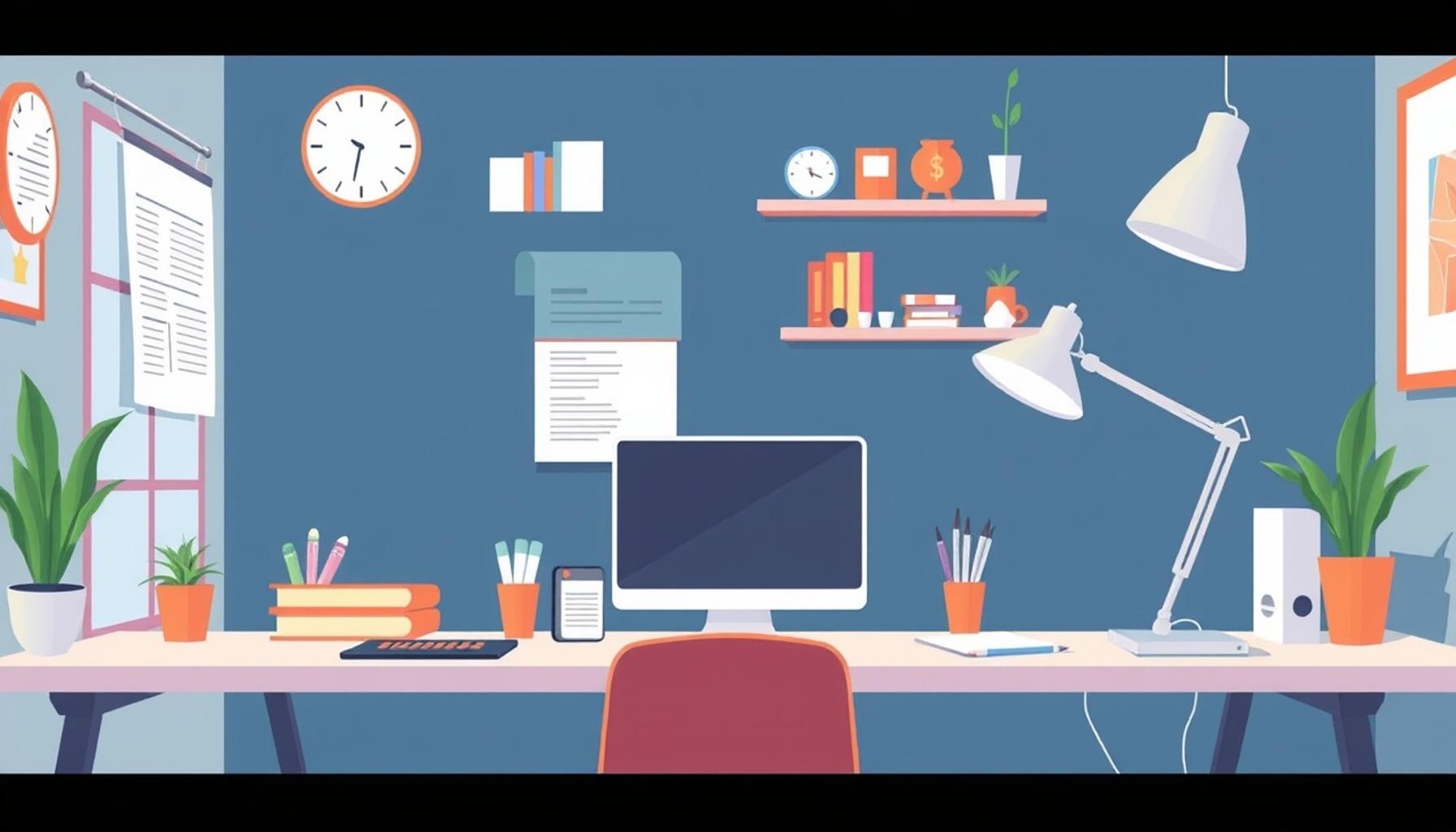
Creating an Effective Minimalist Workspace
Modern life often overwhelms us, making it essential to carve out spaces that foster creativity and focus. A minimalist workspace can be the key to achieving this balance. By stripping away distractions, you can create an environment that promotes productivity and mental clarity. These spaces not only look visually appealing but also serve a functional purpose in enhancing our work experience.
Why Choose Minimalism?
Adopting a minimalist approach to your office design can yield remarkable benefits. Consider the following advantages:
- Improved Concentration: With fewer items on your desk, there are fewer distractions vying for your attention. Research shows that a clutter-free environment can lead to enhanced focus, allowing you to direct your energy toward tasks that matter.
- Enhanced Space: A decluttered desk creates an illusion of a larger area, making you feel less confined. In smaller living spaces, like those often found in urban settings such as New York City or San Francisco, this perception can significantly boost your overall mood and efficiency.
- Increased Creativity: A serene environment encourages innovative thinking. Without the chaos that comes from a cluttered workspace, your mind is free to wander and explore new ideas, fostering creativity and problem-solving ability.
In the hustle and bustle of the United States, many are discovering the power of a simplistic approach. Office spaces that promote calm can improve not just focus but also overall well-being. Studies have shown that employees in minimalist environments report lower stress levels and higher job satisfaction.
Key Features of a Minimalist Workspace
When designing your perfect minimalist office, keep in mind these essential elements:
- Neutral Color Schemes: Utilize whites, grays, or muted tones. These colors not only make a space feel more expansive but also promote a calming atmosphere. Think of how a light gray wall could create a serene backdrop for a quick brainstorming session.
- Functional Furniture: Invest in multi-purpose pieces that save space. For example, a desk that doubles as a storage unit can keep essentials tucked away while providing a clean surface for work. Ergonomic chairs that provide comfort without excess embellishments can also prevent discomfort and distractions during long hours.
- Effective Lighting: Ensure good natural light and select appropriate fixtures. Studies have indicated that natural light improves mood and promotes alertness, making skylights or large windows a smart choice. When natural light is scarce, consider LED lights that mimic daylight to keep your workspace vibrant.
Intrigued? A minimalist workspace can pave the way for increased productivity and satisfaction in your daily routine. Discover how you can transform your office into a haven for focus and creativity. By implementing these strategies, you not only optimize your work environment but also contribute to a healthier, more balanced lifestyle. Embrace the minimalist ethos and watch as your work life flourishes in this newfound simplicity.
Elements to Consider for a Minimalist Workspace
As you embark on the journey to create the ideal minimalist workspace, you’ll want to pay careful attention to several key elements that can significantly influence your productivity and focus. The aim is to foster an environment that both inspires and empowers. Below are critical aspects to consider when designing your minimalist office:
Furniture Selection
The right furniture can make or break your workspace. Choose pieces that serve multiple functions, combining aesthetics with practicality. For instance, consider a desk that not only provides a surface for work but also integrates storage compartments that can keep essential supplies hidden yet accessible. Opt for ergonomic designs that prioritize comfort without unnecessary frills; this can include chairs that support posture while being visually unobtrusive.
Decluttering Strategies
In any minimalist workspace, decluttering is paramount. Start by assessing your workspace and identify items that are truly essential. You can implement various strategies to streamline your environment:
- The Four-Box Method: Label four boxes as ‘Keep,’ ‘Donate,’ ‘Trash,’ and ‘Re-evaluate.’ As you sort through your belongings, assign each item to its respective box, which will help to declutter and make decisions easier.
- Digitize Documents: With the digital age, there is little need to hold onto physical papers. Scan important documents and emails, keeping only what is absolutely necessary in physical format.
- Limit Desktop Items: Keep only the most essential items on your desk—perhaps a notebook, a writing instrument, and a computer. Everything else should have a designated storage space.
Creating Zones for Focus
A simplistic yet effective layout can create dedicated zones within your workspace that promote focus and efficiency. Consider the following layout options:
- Task Zones: Designate specific areas for different tasks. For example, a corner for creative brainstorming with a whiteboard, and another section for concentrated work without distractions.
- Relaxation Nook: Incorporate a small seating area or a beanbag where you can take brief breaks. This will not only break the monotony but also refresh your mind.
- Collaboration Space: If your work involves teamwork, create a minimalist area equipped with essentials for discussions, like a round table and a single display screen. Streamlining these collaborative spots will avoid clutter while promoting effective communication.
In the pursuit of a clutter-free workspace, remember that the central theme of minimalism is about maximizing both physical and mental space. By carefully curating the items you keep and organizing your tasks, you lay the foundation for a workspace that is not only functional but also invites creativity. As you implement these strategies, you might be surprised to find that the simplicity fosters a profound enhancement in your focus and productivity.
When it comes to creating a workspace that fosters productivity, minimalism plays a pivotal role. The philosophy behind a minimalist workspace is not merely about reducing clutter; it’s about enhancing focus and efficiency. By adopting a design that prioritizes essential elements, individuals can cultivate an environment conducive to deep work and creativity. Here are several foundational elements to consider when designing your minimalist workspace.
| Category | Advantages |
|---|---|
| Space Optimization | By eliminating unnecessary items, more room is allocated for workflow essentials, leading to a more organized and functional environment. |
| Enhanced Focus | A clean and simplified aesthetic reduces distractions, enabling a greater concentration on tasks at hand—ultimately boosting productivity. |
Furthermore, utilizing multifunctional furniture can maximize the limited space within the home office. Pieces that serve dual purposes not only save space but also promote a more streamlined aesthetic. For instance, a desk that doubles as a storage unit or a foldable chair can be ideal solutions.
Incorporating elements of natural light and greenery into your workspace also significantly impacts focus and well-being. Plants not only enhance air quality but can also lead to improved mood and cognitive function. Ensuring access to natural light can help regulate your circadian rhythms, making the workspace feel more vibrant and alive.
These foundational principles guide the transformation of any workspace into a minimalist haven, promoting productivity while preserving essential comfort and practicality. Consider implementing these strategies to unlock new levels of focus and space management in your office design.
Incorporating Technology Wisely
In today’s fast-paced world, technology plays a pivotal role in enhancing workplace productivity. However, in a minimalist workspace, it is crucial to incorporate technology thoughtfully to avoid overwhelming your environment. Opt for streamlined devices that blend seamlessly into your office aesthetic. For instance, consider using a modern all-in-one computer instead of bulky towers and monitors, which can consume space and visual attention.
Wireless accessories, such as a mouse and keyboard, can significantly reduce cable clutter. Multiple charging solutions that centralize power outlets can make your workspace tidier. Furthermore, apps and software designed to boost productivity—like project management tools or collaboration platforms—can keep your workflow organized without cluttering your physical space.
Color Palette and Natural Elements
When it comes to a minimalist workspace, the color palette can dramatically affect your mood and concentration. Choose a harmonious mix of soft hues and neutral tones to create a serene environment. Shades of white, gray, and beige can promote a sense of calm and focus. You could add splashes of color through artwork or plants, which serve both aesthetic and functional purposes.
Incorporating natural elements, such as greenery or wood textures, helps break the sterile feel often associated with offices. Plants not only purify the air but also improve overall well-being, leading to increased productivity. Additionally, consider maximizing natural light by placing your desk near windows, where possible, to create an energizing atmosphere.
Personalization with Restraint
While a minimalist workspace emphasizes decluttering, personalization isn’t off the table—it just requires a balanced approach. Curating a few meaningful decorative items or personal touches can motivate and inspire without detracting from the minimalist ethos. Consider displaying one or two framed photographs or a single piece of meaningful art that resonates with your work philosophy.
However, it’s essential to keep personalization understated. Too many items can quickly lead to a cluttered appearance. Aim for a focus on items that bring joy or inspire creativity; this will enhance your workspace rather than distract from it.
Flexibility and Adaptability
A minimalist workspace should also allow for flexibility and adaptability. The way you work may change over time, and your environment should reflect that evolution. Utilize modular furniture that can be adjusted or reconfigured as needed, whether to accommodate a growing workload, apply new collaborative techniques, or simply to refresh your workspace. Folding desks or movable partitions can easily alter the space layout without overwhelming visual noise.
Furthermore, adopting a flexible mindset regarding task approaches and work routines will encourage you to embrace minimalism fully. Experiment with different modes of work—like batching similar tasks together or adhering to focused work sprints followed by short breaks, which can optimize both time and space in your fluid work environment.
By applying these principles when designing your minimalist workspace, you foster an atmosphere that not only maximizes physical and mental space but also nurtures a culture of focus and productivity. Embrace this journey toward simplicity, and you may discover a newfound ability to concentrate, create, and thrive.
Final Thoughts on the Minimalist Workspace
In conclusion, a minimalist workspace represents more than just an aesthetic choice; it embodies a transformative approach to enhancing productivity and focus in our increasingly cluttered lives. By prioritizing essential items, embracing a curated collection of accessories, and incorporating technology deliberately and seamlessly, we can foster an environment that not only looks pleasing but also functions effectively.
Moreover, the strategic use of color palettes and natural elements creates a refreshing atmosphere, which can have remarkable effects on our mental well-being. In aligning these principles with a personal touch—while maintaining restraint and simplicity—we create spaces that inspire creativity and motivate engagement.
Importantly, designing a workspace that is flexible and adaptable ensures that it can evolve with our changing work habits and increasing demands. Whether through modular furniture options or varied working techniques, cultivating an adaptable environment prepares us for future challenges while minimizing distractions.
As you embark on the journey of creating your own minimalist workspace, remember that simplicity is a powerful ally in the battle against overwhelm. By embracing a thoughtful and intentional design, you can unlock the hidden potential of your workspace—inviting clarity of thought, dedication to tasks, and ultimately, a boost in productivity. Take the first step today, and discover how a minimalist approach can redefine your professional landscape.