The Influence of Visual Art on Modern Nigerian Culture
Visual Art as a Reflection of Cultural Identity
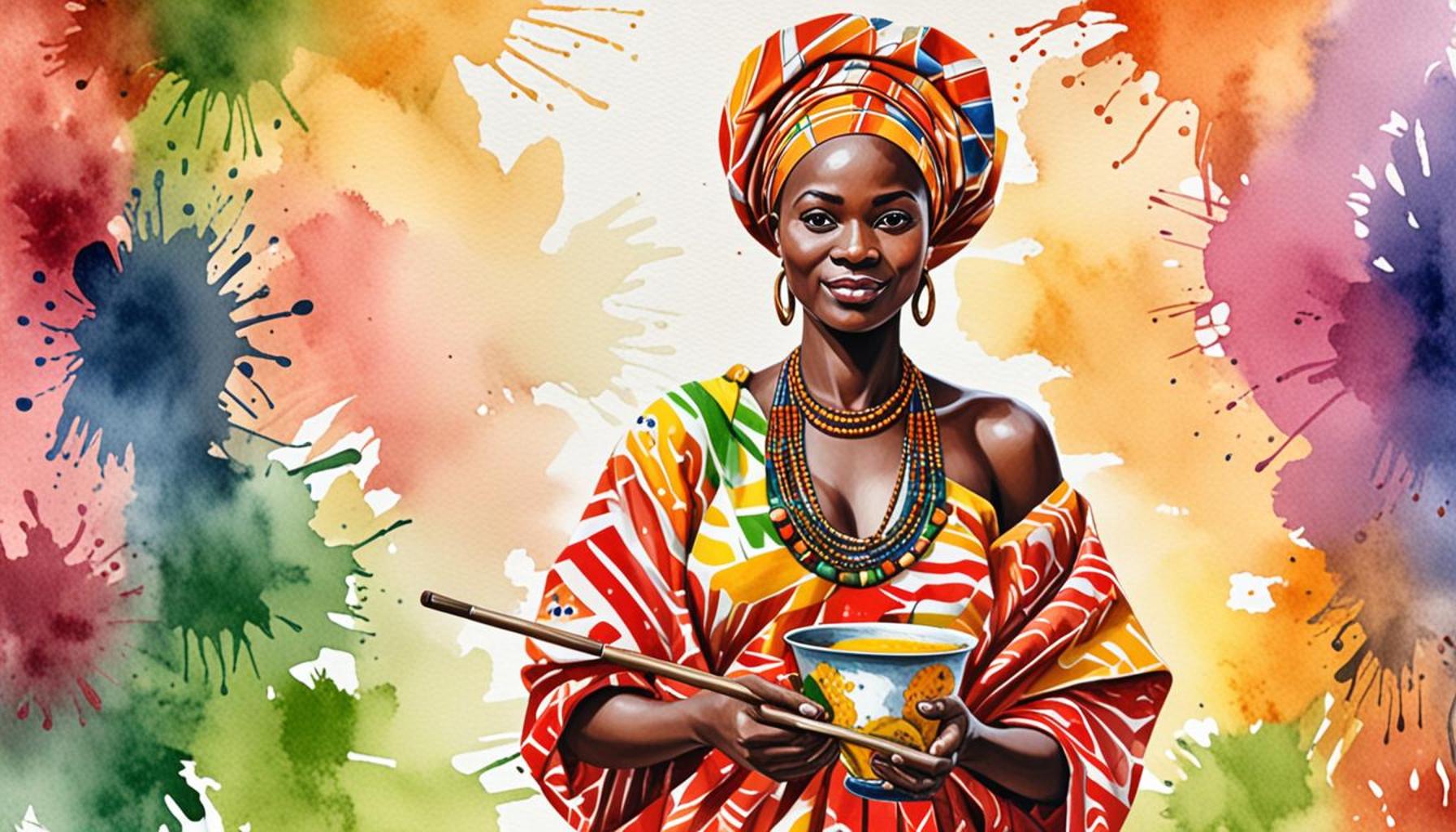
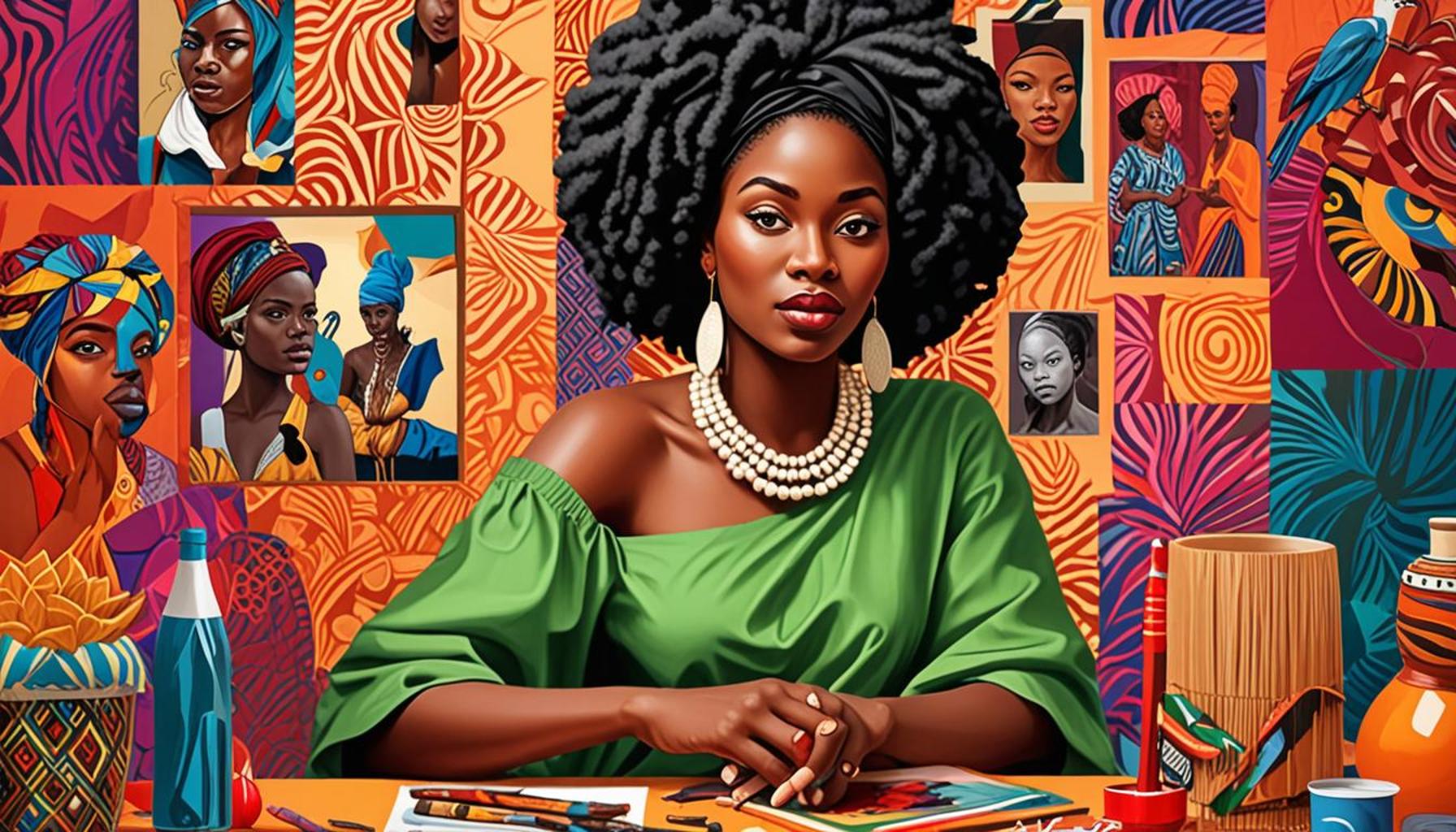
Visual art serves as a powerful medium that reflects and shapes various aspects of modern Nigerian culture. Artists across the country express their identities and heritage through their work, paying homage to Nigerian folklore, traditional practices, and communal values. For instance, the use of colors, patterns, and motifs in Igbo and Yoruba art communicates a rich narrative embedded in the community’s history and cultural practices. An example is the use of ukodo in art pieces, which depict the traditional food of yam porridge, a staple in Nigerian households, symbolizing unity and shared heritage.
Art as a Tool for Social Commentary
Nigerian artists are not shy about using their art to tackle pressing societal issues. Through their creations, they address topics such as corruption, inequality, and environmental concerns. For example, the works of artists like Osi Audu often challenge the status quo by critiquing governmental neglect and societal decay. Audu’s pieces highlight the struggles faced by everyday Nigerians, making a poignant statement on the socio-political landscape. Such art not only raises awareness but also encourages dialogue among citizens, making it a pivotal source of social reflection.
Global Recognition and Cultural Export
In recent years, Nigerian artists, such as Njideka Akunyili Crosby, have gained international fame, allowing local narratives to resonate on a global scale. Crosby’s works beautifully blend traditional Nigerian imagery with Western influences, highlighting the cultural interplay that defines contemporary Nigerian society. The globalization of art has created a platform for Nigerian culture to be celebrated worldwide, paving the way for future artists to gain recognition beyond national borders.
Driving Economic Development through Art
The impact of visual art extends beyond aesthetics; it significantly contributes to economic development in Nigeria. The art sector fosters creativity and innovation, impacting various industries. For instance, the fashion industry often draws inspiration from traditional art forms, creating unique styles that merge cultural significance with modern trends. Designers like Deola Sagoe incorporate traditional fabrics and patterns in contemporary fashion, showcasing Nigeria’s cultural richness.
Art’s Interplay with Advertising and Tourism
Furthermore, visual art plays a crucial role in advertising. Powerful visuals crafted by Nigerian artists enhance branding and marketing efforts, making cultural references that resonate deeply with local consumers. Art is increasingly becoming a vehicle for storytelling in advertising, connecting brands with their audience on an emotional level.
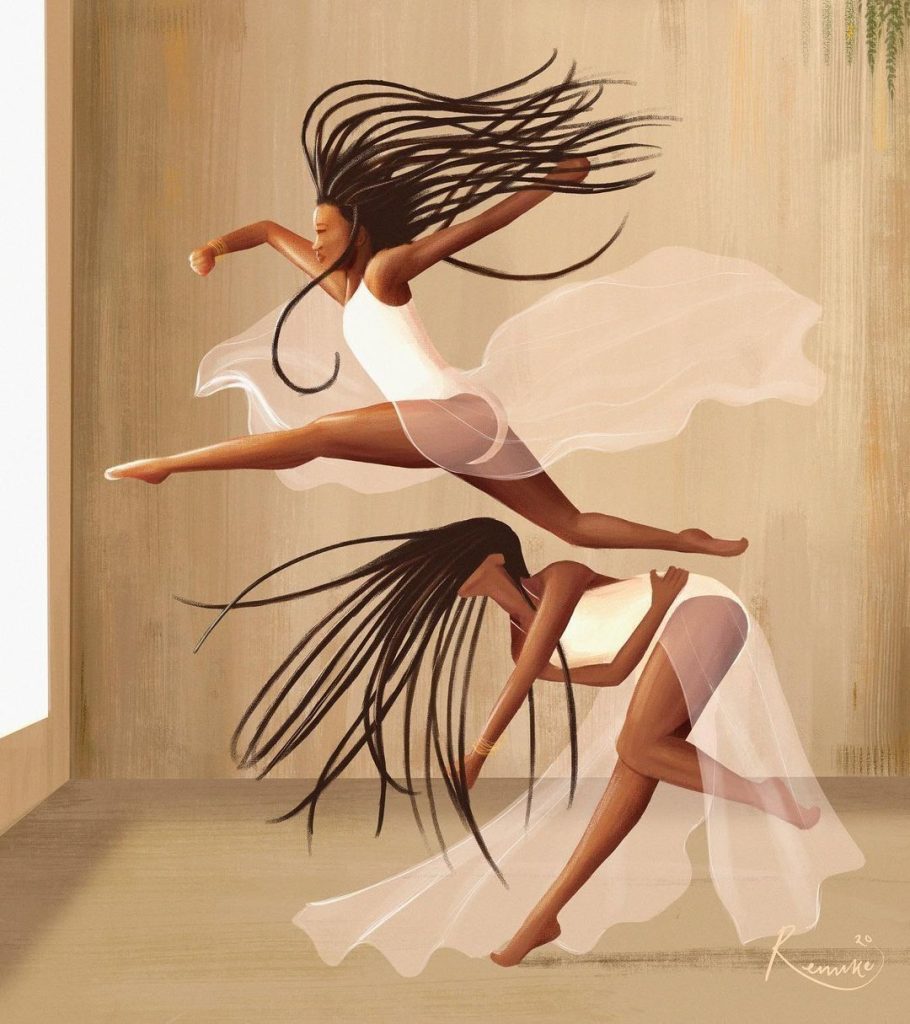
Moreover, art exhibitions and festivals, such as the Art Twenty One and the Nike Art Gallery in Lagos, attract visitors from across the globe. These events not only showcase Nigeria’s rich artistic landscape but also contribute significantly to the local economy, encouraging tourism and generating income for artists and local businesses.
As we explore how visual art shapes modern Nigerian culture, it becomes increasingly clear that it serves not only as a reflection of our society but also as an instrument of change, empowerment, and connection. Understanding this dynamic invites deeper exploration into the vital role art plays in influencing the future of Nigeria.
YOU MAY ALSO LIKE: Read read another article
Visual Art as a Catalyst for Cultural Dialogue
Visual art in Nigeria serves as a dynamic catalyst for cultural dialogue, facilitating conversations about identity, heritage, and collective experiences. The ability of Nigerian artists to communicate complex cultural narratives through their work has fostered a creative renaissance that resonates throughout society. Painters, sculptors, and multimedia artists alike draw inspiration from Nigeria’s rich history, incorporating elements that speak to both traditional and contemporary life.
Embracing Indigenous Techniques and Materials
Many contemporary Nigerian artists are rediscovering and reinterpreting indigenous techniques and materials to create pieces that reflect their cultural pride and engagement. This revival not only honors local customs but also invites appreciation from a global audience curious about Nigeria’s artistic legacy. Some artists use natural pigments derived from local sources or employ traditional weaving techniques, which imbue their work with authenticity and cultural significance. By blending these traditional art forms with modern themes, artists can create a harmonious connection between the past and now.
Community Engagement through Art
Art in Nigeria extends beyond individual expression to foster community engagement. Art initiatives and workshops across urban and rural areas encourage collaboration among artists and community members, reinforcing social ties. Programs such as Art in the Park and Art for the People facilitate educational endeavors, allowing individuals to explore their creativity while building a sense of community ownership over their cultural identity. This participatory approach often results in artwork that embodies the collective voice of the community, reflecting shared values and aspirations.
Narrating Stories of Resilience and Hope
Artistic movements in Nigeria frequently narrate stories of resilience, hope, and transformation. Through their work, artists like Yinka Shonibare tackle issues of post-colonial identity and the complexities of globalization, using vivid textiles as a metaphor for cultural fusion. Shonibare’s sculptures, made from Dutch wax fabrics, confront Western perceptions of African culture while celebrating the rich tapestry of Nigeria’s heritage. This ability to engage with challenging themes while promoting dialogue is pivotal in shaping modern Nigerian culture.
- Preservation of Oral Narratives: Artists play a crucial role in documenting oral histories and folklore, drawing upon myths and legends that have shaped Nigerian societies for generations.
- Exploration of Urban Life: Many contemporary pieces illustrate the hustle and bustle of Nigeria’s urban environments, exploring the juxtaposition between tradition and modernity.
- Global Collaborations: Nigerian artists increasingly participate in international art fairs and exhibitions, thereby presenting their work in collaborative global contexts, enhancing cultural exchange.
As we delve deeper into the influence of visual art on modern Nigerian culture, it becomes evident that art is not merely a form of aesthetic expression but a vital instrument for fostering understanding, preserving heritage, and bridging divides. The growing recognition of Nigerian art as a voice for the people underlines its potential to inspire transformative changes not only within Nigeria but also on the world stage.
Visual art in Nigeria has transcended its traditional roots, evolving into a powerful conduit for contemporary expression and cultural dialogue. The influence of global art movements has intertwined with indigenous aesthetics, creating a vibrant tapestry that reflects the complexities of Nigerian identity. Artists are now blending traditional motifs with modern techniques, showcasing a dynamic interplay between history and innovation. This fusion is particularly evident in the proliferation of art exhibitions across major cities, where galleries serve as platforms for both established and emerging artists. These spaces not only celebrate individual creativity but also stimulate conversations around social issues such as gender equality, political unrest, and urbanization. Through visual narratives, artists are tackling controversial topics, using their work to challenge perceptions and inspire change within their communities.Moreover, the resurgence of popular art forms, such as street art and murals, has further democratized the art scene. These public displays bring art to the masses, fostering a collective appreciation and awareness of artistic endeavors. This grassroots movement not only reflects the vibrancy of modern Nigerian life but also encourages participation from all walks of life, turning urban spaces into open-air galleries.Additionally, the impact of digital media cannot be overstated. Social media platforms are providing artists with unprecedented exposure, enabling them to reach global audiences. Contemporary Nigerian artists are now able to showcase their work to a broader audience, breaking geographical barriers. This connectivity allows for cultural exchange and collaboration, fueling a renaissance in Nigerian visual art that resonates beyond national borders. As the influence of visual art continues to permeate various facets of Nigerian culture, it becomes increasingly clear that art is not only a reflection of society but also a catalyst for transformation. The narrative being woven by these artists speaks to a collective consciousness, urging society to engage with its rich past while embracing a progressive future. Each brush stroke and design is a testament to the resilience and creativity of the Nigerian spirit, inviting further exploration and appreciation of a culture that is as diverse as it is dynamic. To illustrate the significant advantages of this artistic evolution, the following table highlights key aspects:
| Category | Description |
|---|---|
| Cultural Synthesis | The blending of traditional Nigerian art forms with contemporary techniques and global influences. |
| Social Commentary | Artworks that address pressing social issues, encouraging dialogue and reflection within society. |
This exploration of the evolving landscape of visual art in Nigeria not only underscores its significance but also invites readers to delve deeper into the cultural implications of these artistic endeavors.
LEARN MORE: This related article may interest you
Visual Art as a Reflection of Social Change
In recent years, visual art in Nigeria has increasingly emerged as a powerful medium reflecting the social changes occurring within the nation. Artists are not just creators; they also serve as commentators on pressing societal issues, including governance, human rights, and environmental challenges. Through a variety of expressions, they articulate the hopes and frustrations of the populace, serving as a mirror to societal dynamics and a voice for the marginalized. The art community has taken an active stance in advocating for social justice, influencing public discourse and policies.
The Role of Street Art and Graffiti
One of the most tangible expressions of this artistic evolution can be seen through street art and graffiti, which have sprung up in urban centers like Lagos and Abuja. These forms of art are often brimming with political messages and social commentary, capturing the sentiments of a younger, more engaged generation. For instance, artists such as Bola Adebayo have transformed walls into canvases that depict the struggles against corruption and inequality. The vibrant explosions of color and impassioned messaging serve to provoke thought and inspire action, often reaching an audience that may not frequent traditional art galleries.
Art as a Tool for Environmental Awareness
The rich tapestry of modern Nigerian art also encompasses a growing concern for environmental issues. Artists, recognizing the impact of climate change and the degradation of natural resources, have begun to incorporate themes of sustainability and conservation into their work. Initiatives like the Green Art Project have seen artists utilize recycled materials to create stunning installations that communicate the urgent need for environmental protection. Such efforts not only educate but also resonate deeply with communities that are directly affected by environmental degradation. This intersection of art and environment paves the way for broader discussions on sustainable living and community responsibility.
Digitization and the Expanding Art Scene
The advent of digital technology has transformed how Nigerian artists create, promote, and sell their work. Online platforms allow for the easy dissemination of art, with social media serving both as a gallery and a marketplace. This democratization of access fosters increased visibility for emerging artists and opens opportunities for collaborations beyond geographical borders. A platform like ArtTwentyOne enables artists to reach international audiences, enhancing their influence on modern global art trends while simultaneously honoring their Nigerian roots. Furthermore, digital art has become a medium of expression in itself, with artists exploring virtual reality and augmented reality installations to engage communities in innovative ways.
Educational Impact: Fostering Future Generations
Educational programs focusing on visual arts have mushroomed across Nigeria, nurturing the next generation of artists and art enthusiasts. Institutions such as The School of Art, Design and Printing and various community art centers are cultivating talent by providing access to resources and mentorship. By showcasing local artists and incorporating traditional techniques into the curriculum, these educational efforts inspire creativity and build a deeper appreciation for cultural heritage. Involvement with professional organizations, like the Nigerian Association of Artists, offers networking opportunities and platforms for showcasing new talents, ensuring that the legacy of visual art continues to thrive.
- Cultural Workshops: Many artists host workshops that engage local communities in artistic processes, encouraging cultural exchange and skill transfer.
- Public Art Projects: Initiatives that integrate art into public spaces enhance community identity, prompting collaboration among residents and local artists.
- Art & Activism: The blending of art with activism remains a vigorous movement, with visual art often serving as a catalyst for societal change and legislative reform.
With these various strands weaving through the vibrant tapestry of Nigerian society, it is clear that visual art plays a crucial and multifaceted role in shaping modern culture. By continuing to innovate while honoring tradition, artists significantly contribute to the discourse and development of contemporary Nigerian identity.
ADDITIONAL INSIGHTS: Expand your understanding here
Conclusion: The Transformative Power of Visual Art in Nigeria
The evolving landscape of visual art in Nigeria serves as a profound testament to the country’s rich cultural tapestry and dynamic societal shifts. As artists continue to engage with critical themes such as governance, social justice, and environmental sustainability, they not only reflect the realities of modern Nigerian life but also inspire meaningful conversations among the populace. From the streets of Lagos to intimate gallery spaces, visual art emerges as a vital force, challenging norms, sparking dialogue, and fostering community engagement.
Moreover, the impact of digital technology has democratized art in unprecedented ways, allowing emerging talents to carve out niches in both local and global markets. This era of accessibility empowers artists to connect with broader audiences, transcending geographical barriers while remaining grounded in their cultural identities. Programs that nurture the next generation of creators ensure the longevity of this artistic dialogue, fostering innovation through education and community involvement.
Ultimately, the influence of visual art on modern Nigerian culture is multifaceted and transformative, acting as both a mirror and a catalyst for change. It invites inquiry into the pressing issues of our time while celebrating the vibrant heritage that shapes the nation. As Nigeria continues to evolve, visual art will remain an essential pillar, reflecting its complexities, aspirations, and indomitable spirit. To truly appreciate the depth of Nigeria’s cultural narrative, one must engage with its visual art — a journey that promises insights into not just the art itself, but the soul of the nation.