The influence of traditional Nigerian music on modern creativity
The Rich Legacy of Nigerian Musical Influence
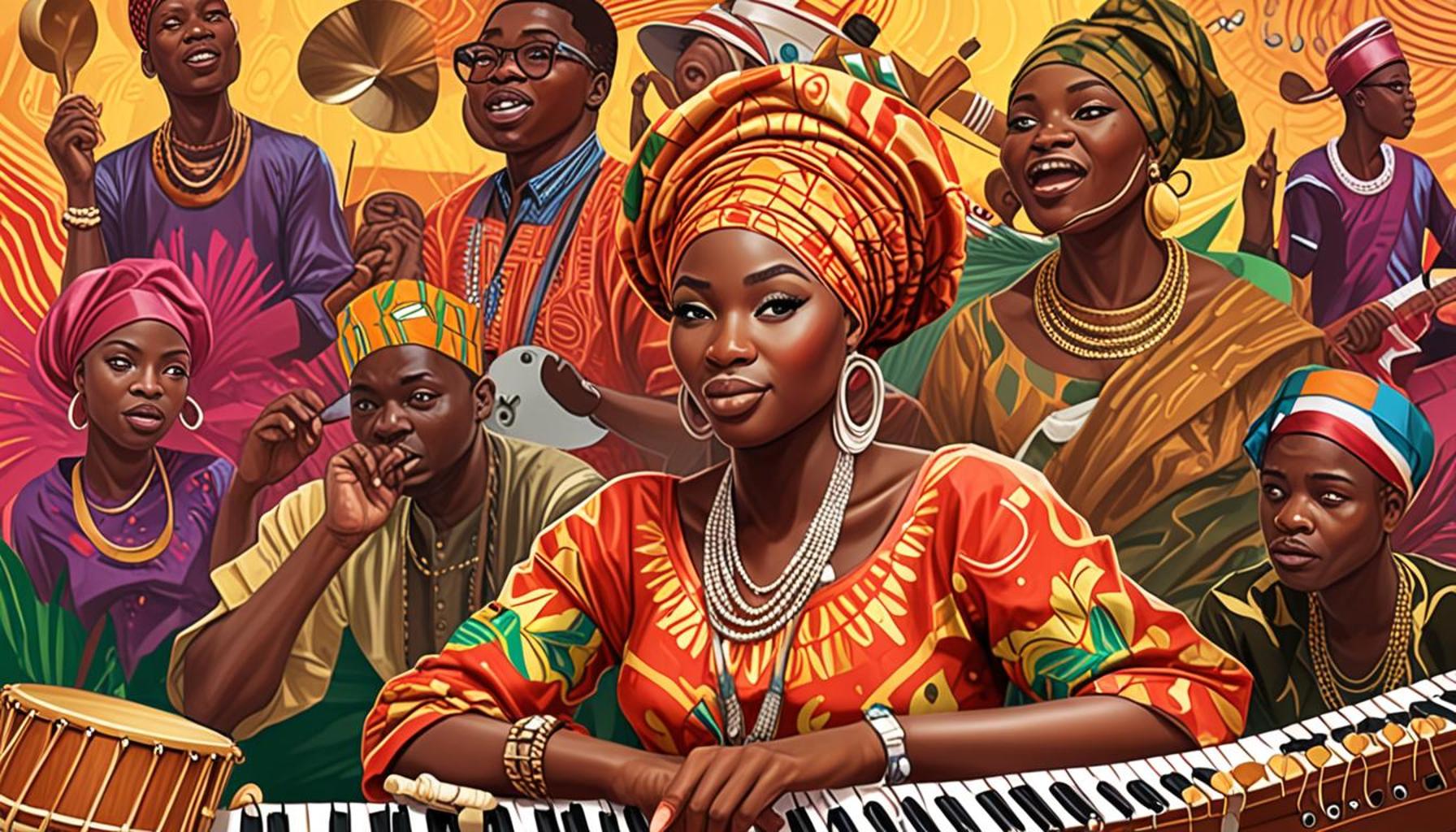
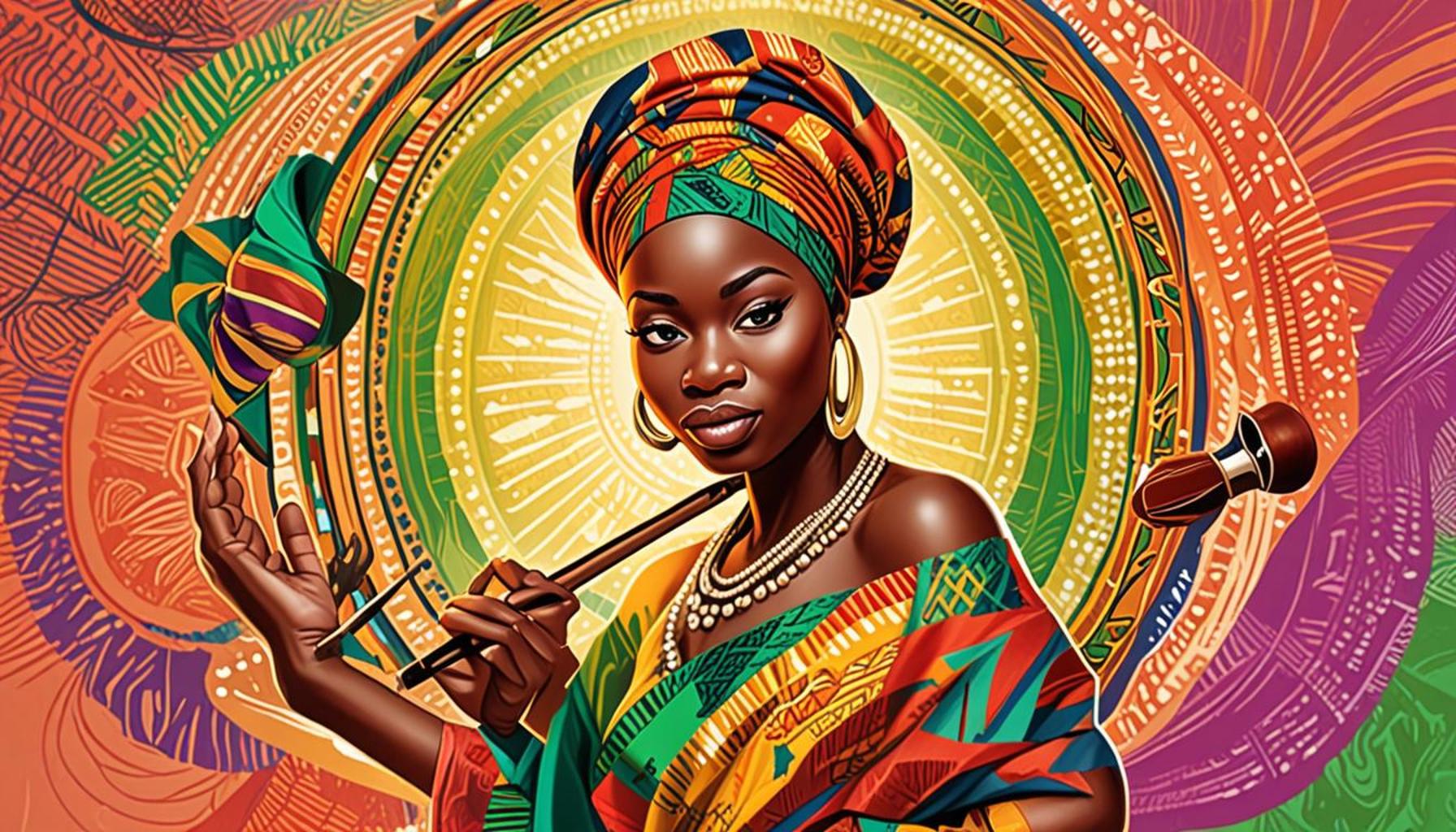
Nigerian traditional music embodies more than just rhythmic patterns; it is a profound expression of history, heritage, and identity that resonates deeply within various forms of modern creativity. This unique sound has been a source of inspiration for artists across disciplines, melding ancestral rhythms with contemporary innovation to create captivating works that echo the vibrancy of Nigerian culture.
Elements of Traditional Nigerian Music
- Instruments: The diverse range of instruments like the talking drum (dundun), the flute (ogboni), and traditional stringed instruments such as the kora and the sekere, play a crucial role in establishing the musical ambiance. Each instrument carries its unique timbre and historical significance, contributing to the overall sonic experience.
- Styles: Genres such as Afrobeats, which combines elements of Highlife and hip-hop, Fuji music that reflects the Yoruba culture, and the soulful sounds of Highlife itself are not mere musical styles; they are cultural touchstones that promote social conversations and collective identity.
- Ritual and Performance: Music often serves a purpose beyond entertainment; it is intertwined with celebrations such as weddings, festivals, and religious ceremonies. These live performances amplify the emotional connection between the listeners and the performers, embedding music deeply within the communal experience.
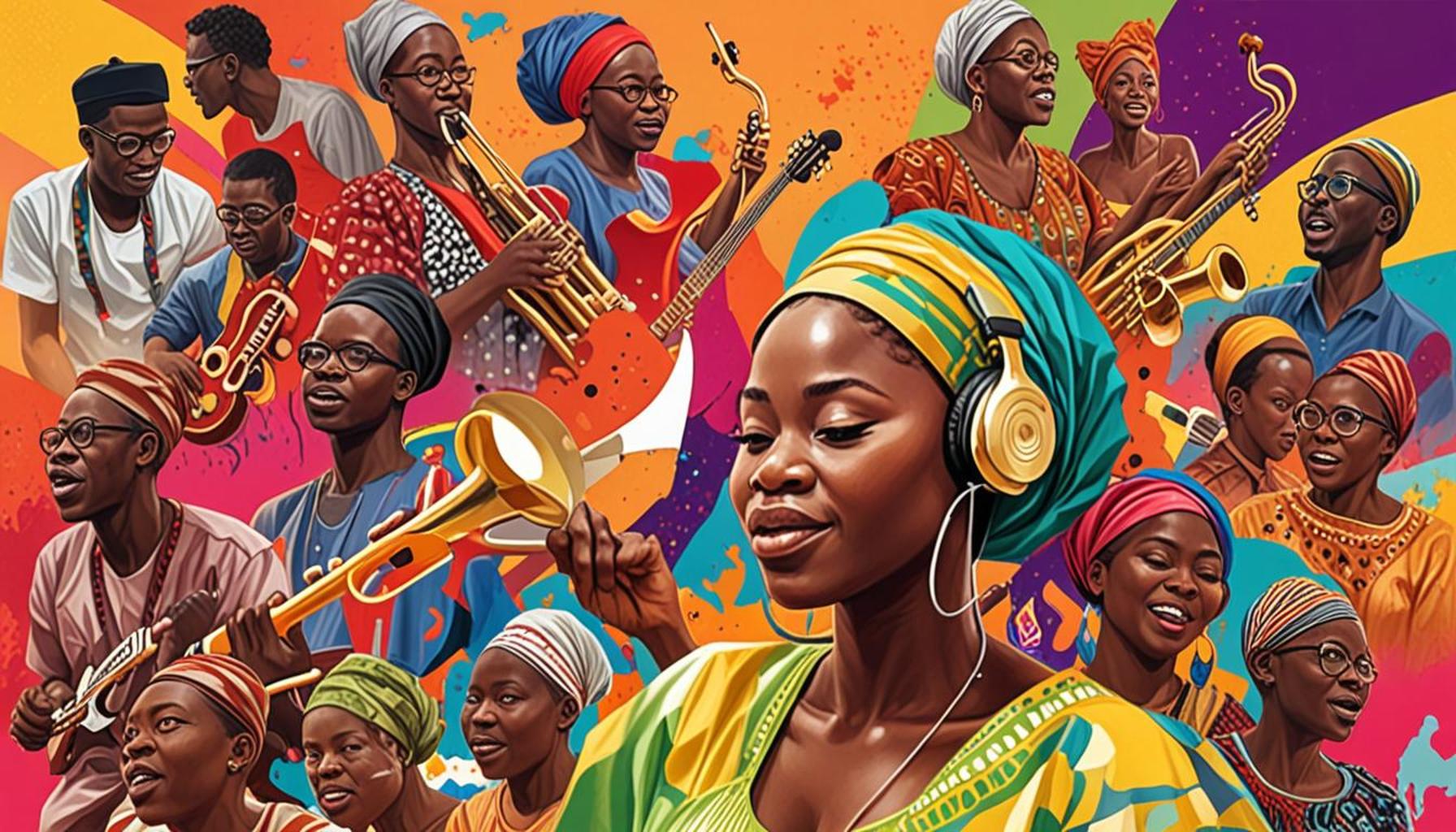
This complex interplay between instruments, styles, and ritualistic expressions fuels the creativity of contemporary artists. Many Nigerian musicians expertly fuse traditional elements with modern genres, leading to an innovative artistic scene that captivates both local and international audiences.
Impact on Contemporary Creativity
- Fashion Design: The use of traditional prints like Aso Oke and Ankara fabric has influenced modern fashion designers, who create stunning collections that resonate with cultural pride while appealing to global fashion trends.
- Visual Arts: Contemporary artists draw on traditional music as inspiration for their visual narratives, often using vivid imagery and symbolism that reflect the stories embedded in the music. Paintings and sculptures become mediums that tell deeper tales, celebrating Nigeria’s rich heritage.
- Cinematic Productions: Filmmakers are increasingly incorporating traditional soundscapes into their works, using music to evoke nostalgia and represent cultural authenticity in storytelling. The use of traditional themes in modern cinema has garnered international acclaim, bridging cultural gaps.
The dynamic dialogue between Nigeria’s past and present showcased through these art forms reveals the enduring influence of traditional music. By examining this modern creative landscape, one can appreciate how deeply rooted music continues to mold and inspire artistic visions today, ensuring that cultural heritage remains vibrant and relevant for future generations.
YOU MAY ALSO LIKE: Read read another article
The Transformation of Contemporary Artistic Expression
The legacy of Nigerian traditional music significantly influences and transforms modern artistic expression across various domains. This cultural connection is particularly evident in the realm of music itself, where contemporary Nigerian artists are pushing creative boundaries while remaining rooted in their musical heritage. The seamless fusion of traditional sounds and modern genres has led to groundbreaking innovations, encouraging a new generation of musicians to explore their roots and embrace their identity.
Musical Fusion and Genre Evolution
In recent years, the integration of traditional Nigerian musical elements into contemporary genres has redefined the sonic landscape. Musicians like Burna Boy, Wizkid, and Tiwa Savage exemplify this trend by incorporating elements from traditional genres, such as Afrobeat and Juju, into their modern sounds. This blending not only preserves their cultural roots but also opens up opportunities for international acclaim.
- Afrobeats: A genre that combines traditional African rhythms with global pop influences, Afrobeats has transcended borders and captivated audiences worldwide. The resurgence of artists like Fela Kuti has sparked renewed interest in this genre, showing how traditional sounds can resonate even in the fast-paced modern world.
- Traditional Instruments: The use of indigenous instruments like the talking drum and shekere in contemporary music adds depth and authenticity. These instruments bring a unique texture, connecting modern compositions to a rich cultural narrative.
- Crossover Appeal: Collaborations between Nigerian artists and international musicians illustrate the cross-cultural appeal of traditional music. For instance, recent partnerships between Nigerian artists and global superstars showcase the versatility and richness of Nigerian musical lineage.
The influence of traditional Nigerian music extends beyond just sound; it shapes the very storytelling within contemporary music. Lyrics often capture themes of love, struggles, and communal experiences, echoing the historical narratives found in traditional songs. Such storytelling creates a profound emotional connection between the artist and the audience, reinforcing the relevance of these cultural roots today.
Visual Representation of Musical Narratives
Moreover, the impact of traditional music on modern creativity can also be seen in visual arts, where artists like El Anatsui and Njideka Akunyili Crosby draw inspiration from the rhythms and stories of Nigerian music. Traditional music serves as a powerful muse for visual storytellers, influencing the themes, colors, and mediums they choose to express their art. This intersection fosters a rich dialogue between different forms of creativity, allowing audiences to engage with the cultural heritage in multifaceted ways.
As these artists explore the intricate ties between sound and vision, they create a vibrant tapestry that pays homage to their roots while innovating for the future. The ongoing influence of traditional Nigerian music on modern creativity not only enriches the artistic landscape but also serves as a reminder of the enduring power of cultural identity and expression.
The Influence of Traditional Nigerian Music on Modern Creativity
The interplay of traditional Nigerian music with contemporary art forms has sparked a cultural renaissance. In modern creativity, especially among artists, musicians, and filmmakers, there is a palpable resurgence of traditional sounds, instruments, and narratives. As modern artists strive to carve their unique identities, they often draw inspiration from the rich tapestry of Nigeria’s musical history, revitalizing its significance in today’s cultural landscape.
Notably, artists like Burna Boy, Wizkid, and Tiwa Savage seamlessly integrate indigenous music styles such as Yoruba and Igbo rhythms into their contemporary sound, culminating in what is often referred to as Afrobeats. This genre has not only gained recognition internationally but has also propelled Nigerian cultural motifs onto the global stage. Furthermore, the use of traditional instruments like the talking drums and shekeres enhances the authenticity of modern compositions, making them resonate more deeply with audiences.
Moreover, traditional Nigerian music serves as a formidable narrative tool. Filmmakers are increasingly incorporating traditional soundtracks that echo local folklore, thus enriching storytelling while preserving cultural heritage. This fusion enriches the aesthetics of visual media, leading to a more immersive experience for viewers.
Artists’ explorations of themes in their work often reflect societal issues pertinent to Nigerian life, yet these are framed within the context of rich musical backdrops, creating a layered understanding of both artistic intent and cultural commentary. As modern creativity continues to unfold, traditional Nigerian music not only shapes artistic expressions but also bridges generations, fostering a dynamic exchange between the past and the present.
| Kind of Influence | Impact on Creativity |
|---|---|
| Cultural Revitalization | Reintroduction of traditional sounds in modern music creating new genres, attracting global audiences. |
| Narrative Enrichment | Use of traditional music in storytelling enhances cultural representation in films. |
The confluence of traditional Nigerian music and modern mediums is revolutionizing how narratives are crafted and experiences shared, revealing a vibrant landscape of creativity that retains cultural essence while embracing innovation.
CHECK OUT: Click here to explore more
Cultural Resurgence in Fashion and Performance Art
The connection between Nigerian traditional music and modern creativity also manifests strongly in the realms of fashion and performance art. Designers and creatives draw inspiration from traditional attire and the vibrant expressions found in cultural festivities, turning these elements into contemporary styles that celebrate, reinterpret, and fundamentally enrich Nigeria’s fashion landscape.
Fashion as a Cultural Statement
Nigerian fashion designers often incorporate motifs, patterns, and color palettes inspired by traditional music culture. Brands such as Deola Sagoe and MaxiDress artfully blend indigenous fabrics like Ankara and Aso Oke with modern silhouettes, creating clothing that embodies both heritage and innovation. These designs, much like the music they echo, tell stories that resonate with both local and global audiences. The emergence of these expressive fashions during music video shoots and public performances emphasizes their role in shaping a collective identity, promoting a cultural narrative that is both vibrant and relevant.
- Influence on Fashion Weeks: Major Nigerian fashion events, such as the Lagos Fashion Week, prominently feature collections that pay homage to traditional music. Designers often highlight cultural themes, including interpretations of folklore and legendary musicians, demonstrating how fashion acts as a visual conduit for Nigeria’s rich musical heritage.
- Celebrity Collaborations: Many artists involve traditional fabrics and designs in their personal style, reflecting their connection to cultural roots. For instance, stars like Davido and Yemi Alade prominently wear traditional pieces, solidifying the link between music and fashion while inspiring fans to embrace their heritage.
Performance Art and Traditional Movement
Performance art also serves as a pivotal platform where traditional music influences modern interpretations. Dance troupes and theatrical performances frequently incorporate rhythmic movements and traditional vocal styles, creating a fusion that captivates audiences. Groups like the Cultural Arts Center leverage traditional music to enrich their performances, showcasing Nigeria’s diverse cultural tapestry through dance, storytelling, and visual art. This blend of art forms diversifies the artistic expression while preserving cultural significance.
The emergence of platforms like AfroPop and Naija Vibes showcases not just music but also dance and visual storytelling influenced by traditional elements. Social media challenges often echo traditional dance forms, emphasizing not only the popularity of this art in contemporary settings but also its ability to engage younger audiences. This redefinition of traditional movement within modern performance further emphasizes the importance of cultural heritage in shaping current artistic narratives.
Additionally, festivals such as the Lagos Carnival and Calabar Carnival attract local and international attendance by celebrating traditional music through parades and performances. These events weave narratives of communal identity, joy, and heritage, creating a unique space where traditional music fosters collective creativity. As artists engage with traditional forms, they ignite a cultural dialogue that resonates deeply within Nigeria and beyond, weaving historical narratives into the fabric of modern artistic expression.
LEARN MORE: This related article may interest you
Conclusion: The Harmonious Blend of Heritage and Innovation
The profound impact of Nigerian traditional music on modern creativity is a testament to the country’s rich cultural heritage that continues to resonate in contemporary expressions across various artistic mediums. From fashion to performance art, the integration of traditional music elements highlights not just a reverence for the past but also a dynamic approach to creativity that engages with modernity. Nigerian designers and artists are effectively weaving the rich tapestry of indigenous sounds, rhythms, and narratives into their work, paving the way for a unique creative landscape that is both globally appealing and deeply rooted in local culture.
As observed in the rising prominence of platforms such as AfroPop and events like the Lagos Carnival, there is a robust dialogue between traditional and modern aesthetics that fosters cultural pride and community identity. These initiatives not only spotlight local talents but also inspire a new generation to explore and celebrate their heritage through innovative lenses. Furthermore, as Nigerian music continues to gain international acclaim, it opens doors for a broader audience to appreciate the stories, symbols, and meanings that traditional music encapsulates.
Ultimately, the synergy between traditional Nigerian music and modern creativity paints a vibrant picture of cultural resilience. This ongoing evolution invites us to further explore and engage with the multifaceted expressions of Nigerian identity, prompting us to recognize that our cultural roots are not just relics of the past but vital elements that enrich our present and future. As we look ahead, one can only imagine the new artistic landscapes awaiting discovery, all anchored in the timeless melodies and rhythms of Nigeria’s cultural heritage.