
The Influence of Mindfulness on Minimalist Aesthetics: How Awareness Can Transform Your Decor
The Rising Importance of Mindfulness in Home Decor
As society continues to navigate the complexities of modern living, the practice of mindfulness emerges as a vital tool for enhancing personal well-being. This ancient approach encourages individuals to cultivate presence and awareness in their daily lives. When combined with a minimalist aesthetic, the impact of mindfulness can be significantly magnified. Minimalism, characterized by its emphasis on simplicity, functionality, and beauty, naturally complements the goals of mindfulness by creating spaces that promote calmness and focus.
One of the first and most critical aspects of this intersection is the focus on intentionality. In a mindfulness-based approach to decorating, every element in your home is thoughtfully selected. Instead of allowing furniture or decor to accumulate through impulse purchases or trends, homeowners are encouraged to choose items that resonate with their values or serve a specific function. For example, instead of filling a space with numerous decorative items, one might select a single, meaningful piece of art that inspires joy and tranquility. This intentionality naturally fosters a deeper connection with the living environment.
The second aspect, simplifying spaces, highlights the power of decluttering. Research has shown that excessive clutter can lead to increased stress and anxiety levels. By removing items that do not serve a purpose or bring joy, individuals can create serene and open spaces that invite relaxation. Consider empty surfaces as opportunities for peace, allowing the mind to breathe. For instance, a neat, well-organized kitchen with minimal appliances can encourage mindfulness during meal preparation and dining, turning everyday routines into serene rituals.
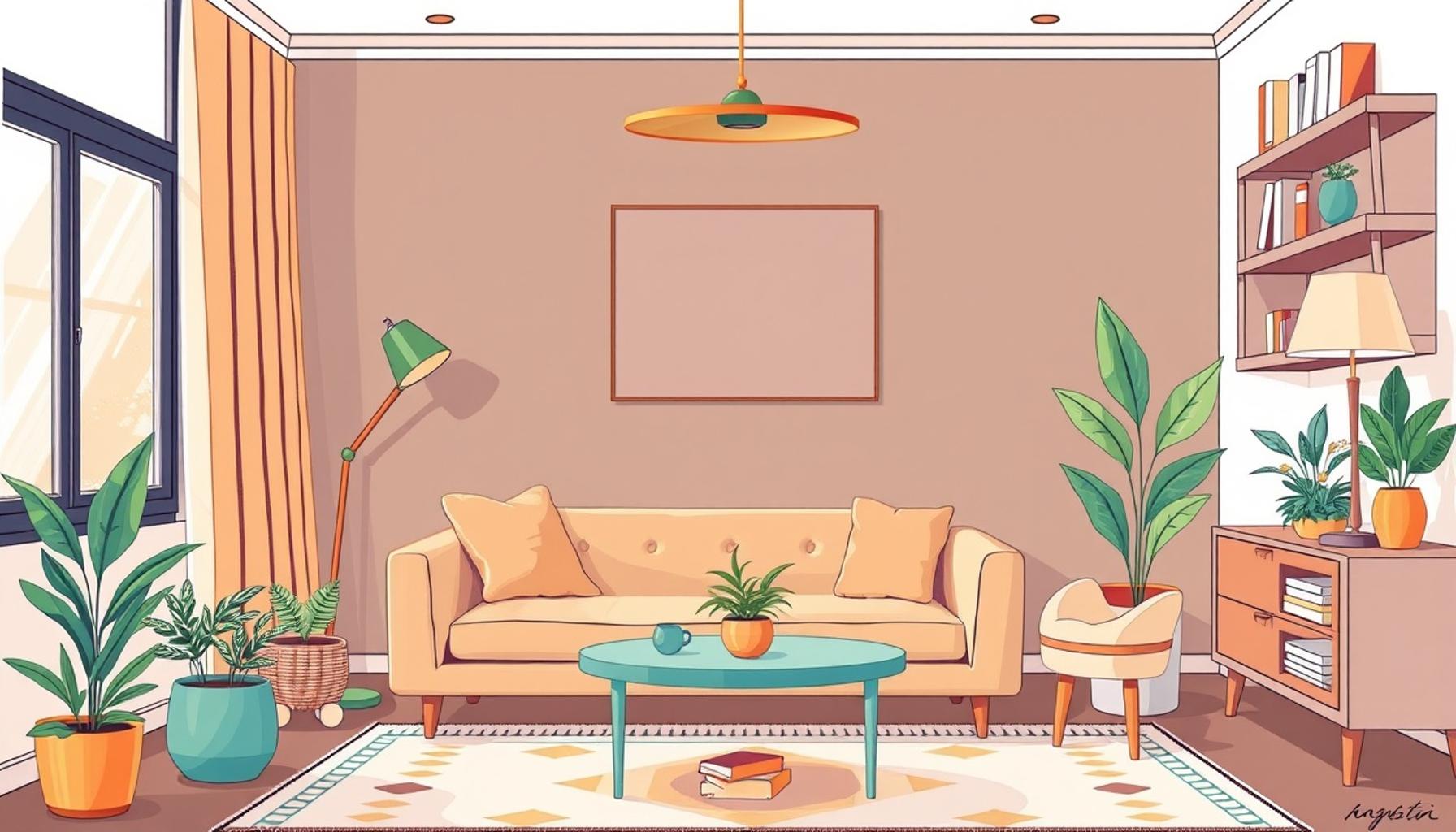
Another key element involves emphasizing natural elements. Integrating plants and natural materials into home decor not only enhances aesthetics but also fosters a reconnection with nature. Studies indicate that exposure to plants can reduce stress levels and improve air quality. Therefore, adding a few potted plants or choosing wooden furniture can create a soothing environment that enhances our mental state. Imagine a sunlit corner with a lush peace lily or a tactile wooden coffee table where family and friends can gather—a perfect example of how nature can be harmoniously woven into our living spaces.
By embracing awareness in our decor choices, we cultivate environments that not only satisfy our material needs but also nurture our mental and emotional well-being. This transformative approach encourages a profound appreciation for what we truly value, shifting our perspective on consumerism and lived experiences. It empowers us to discern between necessity and excess, allowing us to create spaces more aligned with our true selves.
This article seeks to guide you through the thoughtful exploration of how integrating mindfulness into minimalist aesthetics can lead to a more tranquil and connected living space. Prepare to dive into simple adjustments that can remarkably elevate your everyday life while enriching your surroundings.
DISCOVER MORE: Click here to dive deeper
Intentionality in Design: The Foundation of Mindful Decor
A key principle of combining mindfulness with a minimalist aesthetic is the concept of intentionality. This approach encourages individuals to reevaluate the significance of each item within their living spaces. It involves not just choosing decor, but making deliberate decisions based on personal values, emotional resonance, and functional necessity. As a result, spaces transform from being mere backdrops to genuine reflections of the people who inhabit them.
To facilitate this intentional decision-making process, it’s helpful to ask a few guiding questions when curating your home:
- Does this item serve a practical purpose? Consider whether an item is multifunctional or enhances your daily life.
- How does this piece make me feel? Evaluate the emotional response an item elicits—does it bring joy or tranquility?
- Does this align with my aesthetic vision? Reflect on whether the item contributes positively to the overall look and feel of your space.
- Will this fulfill a meaningful role in my life? Choose items that hold significance or represent cherished memories.
This intentionality fosters a space that is more than just visually appealing; it becomes a personal sanctuary that encourages mindfulness and presence. Take, for instance, a well-loved armchair placed by a window. This chair may offer comfort for reading or quiet reflection, thus serving an essential role in your daily routine, unlike an unused piece of furniture collecting dust in the corner.
Decluttering: Embracing Space and Silence
The practice of decluttering is fundamental to adopting a minimalist aesthetic that promotes mindfulness. Harvard researchers found that physical clutter can overload the senses, leading to heightened stress and diminished focus. A cluttered home can feel chaotic, while a minimalistic space breathes serenity. A powerful strategy to integrate mindfulness into your decor is to engage in a decluttering ritual. Set aside time each week to assess your belongings. Here are a few tips to streamline this process:
- Start small: Tackle one room or even one area of a room, such as a desk or kitchen counter.
- Sort systematically: Utilize the “keep, donate, discard” method to evaluate each item critically.
- Create a staging area: Designate a specific spot in your home for items you consider removing to help visualize the space.
By engaging in the practice of decluttering regularly, you allow your living environment to exude a calm and inviting ambiance that encourages mindfulness. This may also lead to developing a discerning taste toward what you allow into your home, further cultivating an intentional aesthetic.
Ultimately, the integration of mindfulness into minimalist decor invites individuals to experience their surroundings on a deeper level. With intentionality and decluttering forming the bedrock of this approach, homeowners can foster spaces that are not only reflective of their personality but also conducive to mental clarity and emotional well-being. Through these principles, a mindful home is shaped, making it easier to cultivate the peace and presence we seek in our chaotic world.
The Influence of Mindfulness on Minimalist Aesthetics
As we delve deeper into the interplay between mindfulness and minimalist aesthetics, one cannot overlook how awareness shapes the spaces we inhabit. By embracing a mindful approach to decor, individuals can curate environments that echo tranquility and clarity, shedding unnecessary clutter that often weighs us down. This conscious selection process emphasizes quality over quantity, leading to meaningful connections with our surroundings.When homeowners become aware of how certain items influence their mood and mental state, they are empowered to create sanctuaries that promote peace. Every piece of decor is chosen not just for aesthetics but for its ability to enhance well-being. This resonates with the principles of minimalism, where the essence of each object is celebrated rather than the items themselves being mere fillers. Mindfulness encourages us to assess our emotional triggers—whether a vibrant painting sparks joy or a busy vase clutters our thoughts. Spaces reflective of this awareness often exhibit a calm palette, natural elements, and intentional organization, all of which can transform a basic room into an oasis of serenity. Furthermore, the practice of mindfulness can extend beyond aesthetics into functional design. For instance, furniture that promotes comfort while maintaining simplicity can significantly enhance one’s daily life. This synergy between design and function underscores the vital role of mindfulness in not just how we decorate, but also how we live.In understanding these concepts, one can appreciate the nuanced relationship between awareness and decor choices. As various studies suggest, environments that promote calmness and clarity can lead to improved mental health and productivity—further emphasizing the importance of integrating mindfulness into our aesthetic choices. The journey of transforming our spaces through the lens of mindfulness opens new avenues for deeper living, urging us to continually reflect upon the essence of the spaces we create and inhabit.
DISCOVER MORE: Click here to uncover the benefits of time blocking
The Role of Natural Elements in Mindful Minimalism
Integrating natural elements into minimalist decor is another vital aspect that enhances the practice of mindfulness within living spaces. Nature has a profound impact on mental health and well-being, as studies show that exposure to natural surroundings can reduce stress levels and promote feelings of happiness. By embracing organic materials and incorporating plants or other elements derived from nature, homeowners can create a peaceful ambiance that fosters tranquility and focus.
Consider the use of natural light as a critical component of a mindful space. Large windows that invite sunlight into the home not only create a warm, inviting atmosphere but also connect the interior to the outside world. This relationship with natural light promotes awareness of the changing times of day, encouraging mindfulness and providing a canvas for the ebb and flow of daily life.
Another way to bring nature indoors is through the inclusion of plants, which serve both decorative and therapeutic purposes. Research from the University of Queensland shows that indoor plants can improve concentration, increase productivity, and contribute to an overall sense of well-being. Simple additions like a potted fern or a low-maintenance succulent can enhance both the aesthetic appeal and the mindful qualities of a space. When choosing plants, consider their care needs, as low-maintenance varieties reduce potential clutter and enhance the mindful experience.
Creating a Holistic Atmosphere Through Color and Texture
The color palette and texture of a space play significant roles in promoting mindfulness. Minimalist aesthetics often favor muted tones, which help create a calm environment conducive to contemplation and relaxation. Neutral hues such as soft grays, whites, and earthy tones not only create a sense of openness but also allow for easy focus on the task at hand without overwhelming the senses.
Textural elements also hold importance in mindful design. Incorporating varied materials, such as organic cotton textiles, bamboo decor, or reclaimed wood furnishings, imparts a sense of warmth and comfort while maintaining minimalism’s straightforward elegance. This mixture of textures encourages a tactile experience that engages the senses and supports a mindful state.
In addition, the use of intention-based color choices can further enhance a mindful aesthetic. For example, soft greens can evoke a sense of calm and rejuvenation, while a light blue can promote clarity and tranquility. When selecting colors, aim for those that resonate personally, encouraging an emotional connection to the space.
The Mindful Consumption of Decor
Lastly, the practice of mindful consumption is crucial in building a minimalist, yet deeply reflective home. It involves making discerning choices about what items to bring into a space, emphasizing quality over quantity. Research suggests that consuming less, but choosing pieces with greater meaning or craftsmanship, contributes to a more sustainable and fulfilling lifestyle aligned with mindfulness.
Before making a purchase, take the time to ponder the item’s significance. Questions surrounding its origin, its impact on the environment, and its emotional connection will guide your decisions. The act of purchasing, when done mindfully, can become a ceremony of sorts, allowing buyers to engage deeply with their choices. This not only enhances personal satisfaction but also promotes a sense of responsibility towards the Earth and its resources.
By focusing on natural elements, color, texture, and mindful consumption within minimalist aesthetics, individuals can cultivate environments that are not only visually harmonious but also enriched with mindfulness. Each element becomes a means through which awareness is fostered and presence in the living space is emphasized, leading to spaces that resonate with tranquility and purpose.
DISCOVER MORE: Click here to learn about time blocking
Conclusion
In a world that often prioritizes excess and busyness, the fusion of mindfulness with minimalist aesthetics offers a refreshing path toward creating spaces that nurture both mental and emotional well-being. By thoughtfully integrating natural elements, such as plants and light, homeowners can transform their environments into sanctuaries of peace. These additions not only enhance the visual appeal of a space but also serve to ground individuals in the present moment, fostering deeper connections with their surroundings.
The significance of color and texture cannot be understated. When selected with intention, they evoke emotions that resonate with personal experiences and promote a tranquil atmosphere. Moreover, the practice of mindful consumption encourages individuals to curate their decor with care, emphasizing quality over quantity. This deliberate approach not only supports a sustainable lifestyle but also cultivates a more profound appreciation for every item held dear.
As we navigate an increasingly cluttered and chaotic world, embracing the principles of mindful minimalism can lead to a significant transformation in how we experience our living spaces. This approach invites us to reclaim our homes as reflective extensions of ourselves, filled with purpose, serenity, and clarity. With mindful decorating practices, one can discover that a minimal aesthetic doesn’t merely signify less, but rather it embodies an ethical, intentional, and profoundly enriching way of living.
Ultimately, by harmonizing mindfulness with minimalist aesthetics, anyone can cultivate a home that is not only visually appealing but also acts as a refuge for personal growth and awareness, inviting a state of calm amid the chaos of modern life.

Beatriz Johnson is a seasoned minimalist and writer with a passion for simplifying the complexities of personal organization and decluttering. With over a decade of experience in the field, she specializes in topics like minimalist living, efficient organization strategies, and creating intentional spaces. Through her work, Beatriz empowers readers to make mindful decisions about their belongings, streamline their lives, and embrace a more organized and fulfilling lifestyle.