The Importance of Lighting in Optimizing Minimalist Spaces
The Impact of Lighting on Minimalist Design
In a world where simplicity reigns supreme, lighting emerges as a pivotal element in transforming minimalist spaces. The right illumination can enhance aesthetics, create depth, and even influence mood. Here’s why understanding lighting is essential for minimalist design:
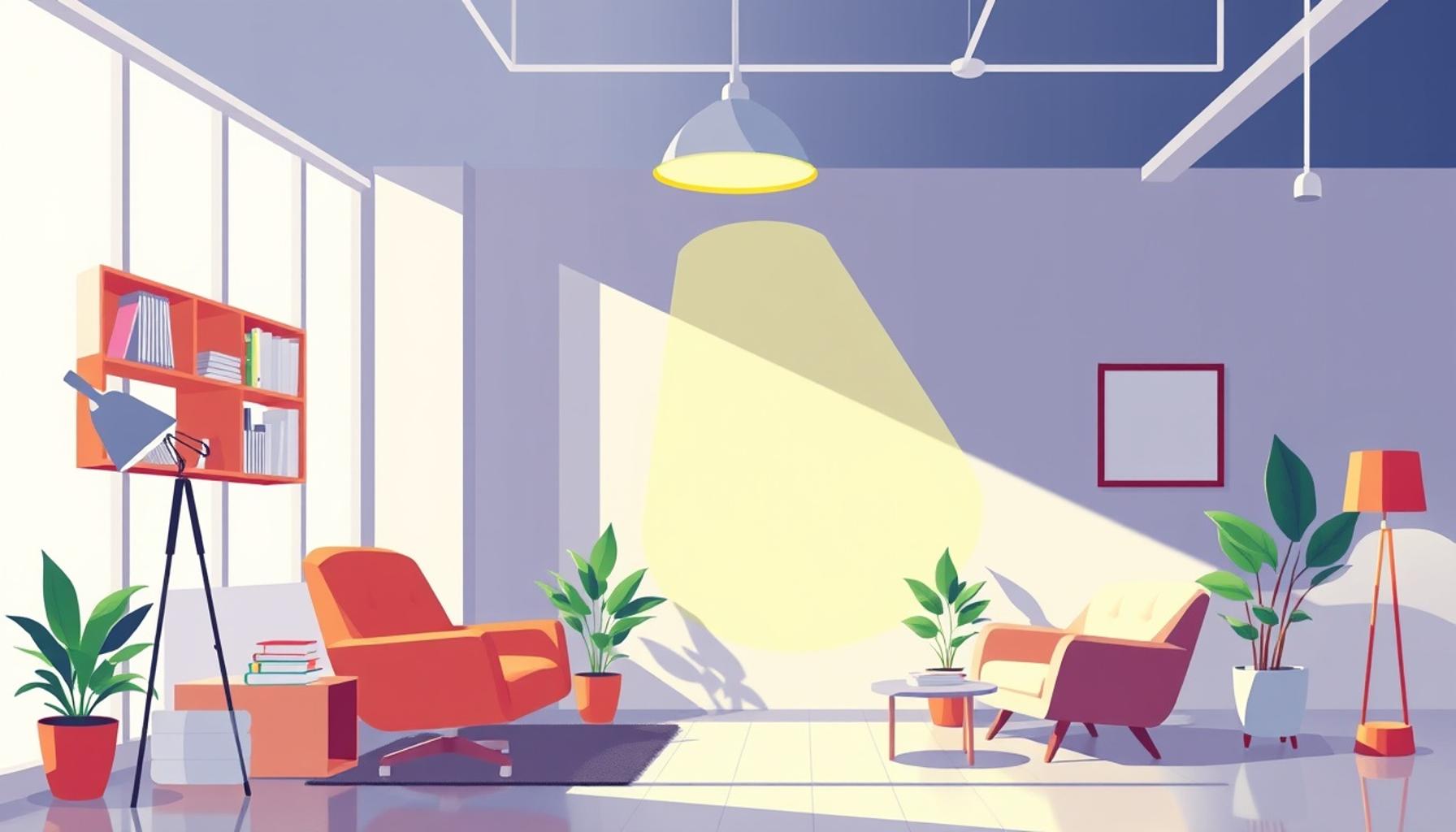
- Highlighting Features: Good lighting draws attention to key design elements. Imagine a striking piece of art or a uniquely designed furniture piece in a room; with the right spotlight, these features can become the focal point, bringing character to an otherwise subdued environment.
- Creating Ambiance: Soft, natural light can instill a sense of calm and tranquility. Large windows allowing daylight to stream in can create a serene atmosphere, perfect for relaxation or meditation, often essential in minimalist designs focused on well-being.
- Maximizing Space: Proper lighting can make rooms feel larger and more open. For instance, using a combination of floor lamps that direct light upward can create the illusion of height, whereas strategically placed wall sconces can eliminate shadows that often make spaces feel constricted.
Minimalism thrives on the idea that less is more, but without the right light, even the most beautifully designed space can feel lifeless. Thoughtful lighting choices not only amplify functionality but also maintain a clean and uncluttered visual experience.
Consider these important aspects of lighting:
- Layering Lights: Combine ambient, task, and accent lighting for a well-rounded effect. Ambient lighting offers the general illumination needed to navigate a space, while task lighting, like desk lamps, provides focused light for activities such as reading or working. Accent lighting, like LED strips under cabinets, can highlight architectural features or decorative elements of a room.
- Material Matters: Reflective surfaces can enhance the distribution of natural light. For example, incorporating glass, mirrors, or polished metals in furniture or decor can bounce light around a space, making it feel brighter and more inviting.
- Energy Efficiency: Choosing LED fixtures can promote sustainability in design. Not only do these fixtures consume less energy, but they also have a longer lifespan, reducing waste and costs over time—ideal for those embracing minimalism.
As you delve deeper into the world of minimalist spaces, remember that lighting is not merely a practical necessity. Instead, it serves as an art form that can define the character of your environment. The journey towards optimizing your minimalist space begins with understanding the profound impact of effective lighting.
To explore further, consider investigating different lighting brands that specialize in minimalist design or visiting galleries that focus on contemporary applications of light to experience how various wavelengths can alter the ambiance of a space. Engaging with local designers or reading about renowned minimalist architects may also provide additional inspiration on how to unify light and space harmoniously.
Strategic Lighting Techniques for Minimalist Spaces
To harness the full potential of minimalist design, understanding how to utilize lighting strategically is essential. Every choice—from the type of light fixtures used to their positioning—can significantly impact the way a space is perceived. Here are some effective techniques to optimize lighting in minimalist environments:
- Use of Natural Light: Embracing natural light is at the heart of minimalist lighting. Large windows not only connect the interiors to the outdoors but also flood areas with sunlight, creating an open and airy feel. During the day, this natural illumination can reduce the need for artificial lighting, aligning with minimalist principles of simplicity and sustainability.
- Functional Fixtures: Select lighting fixtures that serve dual purposes. For instance, a beautiful pendant lamp can serve both as ambient lighting and an artistic statement piece. Aim for fixtures with clean lines and minimalist designs that do not detract from the overall aesthetic while enhancing functionality.
- Smart Lighting Solutions: Incorporate technology with the help of smart lighting. These systems allow for customization and flexibility, enabling adjustments to the light’s intensity and color temperature. Smart lighting can be programmed to create various atmospheres, facilitating transitions from work to relaxation without cluttering the space with multiple light sources.
The choices in lighting also significantly impact the color perception and overall mood of a space. Warm tones can add an inviting mood, while cooler tones can create a more modern, crisp environment. This is particularly important in minimalist design, where the palette often consists of neutrals and whites. Emphasizing the right color temperature can turn a cold space into a warm oasis or a serene retreat.
Light direction is another critical aspect to consider. When it comes to minimalist design, focused lighting such as spotlights or recessed lighting can highlight specific areas without overwhelming the senses. This technique can accentuate architectural features like unique wall textures or built-in shelving, allowing those elements to speak for themselves rather than competing for attention.
Lastly, layering lighting across different areas within the space can enhance depth and help create visual interest without clutter. By combining natural light with ambient, task, and accent lighting, you can ensure that every corner of your minimalist space is illuminated effectively, preventing dark spots that can make a room feel small and uninviting.
In conclusion, the importance of lighting in optimizing minimalist spaces cannot be understated. Thoughtful illumination can take a room from stark and lifeless to vibrant and inviting. Lighting is not just a practical necessity; it is also an art form that influences how we perceive and interact with our environments. Embrace these lighting techniques to enhance your minimalist design journey and discover the transformative power of light.
| Category | Key Features |
|---|---|
| Natural Light | Maximizes space perception and enhances colors while promoting well-being. |
| Layered Lighting | Combines ambient, task, and accent lights to create depth and functionality in minimalist designs. |
| Balance & Harmony | Achieved through strategic placement of lights, contributing to overall aesthetic. |
| Innovative Fixtures | Utilizes minimalistic design to enhance space without overwhelming. |
Incorporating various forms of lighting is crucial for making minimalist spaces functional and inviting. Natural light plays a pivotal role, providing an organic atmosphere that elevates the design of a room. Through thoughtful window placement and the use of mirrors, one can maximize sunlight and create an illusion of a larger area. Additionally, employing layered lighting enhances a minimalist approach. Ambient lighting serves as the general glow, while task lighting focuses on specific areas, like reading nooks or workspaces. Accent lighting emphasizes art pieces or architectural features, acting as a focal point without cluttering the aesthetic.To maintain balance and harmony, strategically placed light fixtures are essential; they define a space’s character and contribute to emotional well-being. Innovative lighting fixtures that embody minimalist design not only serve their purpose but also add to a room’s style. Thus, optimized lighting serves as the lifeblood of minimalist interior design, inviting further exploration into how one can tailor their illumination for maximum impact.
The Influence of Lighting on Spatial Perception
Understanding the importance of lighting extends beyond mere aesthetics; it plays a pivotal role in spatial perception within minimalist environments. When aiming for a sense of openness and tranquility, the right lighting solutions can make all the difference. For instance, using brighter lights in small areas can create the illusion of more space, countering any claustrophobic feelings that may arise from minimalist decor.
Moreover, consider the height and placement of light fixtures. Elevated fixtures, such as wall-mounted sconces or track lighting, draw the eye upwards, making ceilings feel higher and rooms airier. This technique also avoids the visual clutter associated with lower fixtures that occupy floor space. In contrast, strategically placed floor lamps can provide balance and add warmth to a minimalist corner without overwhelming the setting.
Embracing Color and Material
The choice of materials when selecting lighting fixtures can also enhance a minimalist space. Lightweight and translucent materials, such as glass and acrylic, help diffuse light gently, allowing it to flow seamlessly through the environment. This not only reduces the starkness of hard surfaces but also enhances the overall ambiance.
In terms of color, incorporating colored light can expand your lighting strategy. For example, fixtures with adjustable color settings allow users to create different moods for various occasions. Vibrant colors can energize a space, while soft pastels can create a calming atmosphere. This flexibility is particularly appealing in homes that are meant for multi-functional use, adapting as needs change throughout the day.
Creating Focal Points with Lighting
Another compelling technique involves utilizing lighting to create focal points within a minimalist design. A gorgeous piece of art or an architectural element can be accentuated with directed lighting, transforming it into a captivating centerpiece. Instead of relying on furniture for visual interest, lighting becomes a crucial element that allows unique design features to shine.
Incorporating dimensional lighting is also essential. Layers of light, coming from various angles and sources, can create depth in a space. For instance, incorporating indirect lighting along molding or in coves can add a warm glow, bringing subtle vibrancy to stark walls without overwhelming them. By utilizing various shapes and distributions of light, a minimalist space can become multidimensional, offering surprises that invite exploration.
Energy Efficiency and Sustainability
The modern shopper is also more eco-conscious than ever, leading to a rise in the popularity of energy-efficient lighting options. Utilizing LED fixtures not only reduces energy consumption but also emits less heat, further contributing to an environmentally-friendly home. This aligns beautifully with minimalist values, focusing on simplicity and sustainability. Choosing to install smart dimmers and timers can ensure lights are only active when needed, adding another layer of energy efficiency.
As minimalist design continues to evolve, the fusion of innovative lighting solutions will remain essential in shaping spaces. By carefully considering how light interacts with form and space, individuals can cultivate environments that are both functional and serene, ultimately enhancing their quality of life.
Conclusion: Elevating Minimalist Spaces Through Thoughtful Lighting
In summary, the importance of lighting in optimizing minimalist spaces cannot be overstated. As we’ve explored, lighting is not merely a functional necessity; it serves as a transformative tool that enhances the essence of simplicity embraced in minimalist design. By strategically considering the effects of spatial perception, color, and material in lighting choices, we can significantly alter the ambiance of a room, creating an experience that resonates with tranquility and openness.
Moreover, utilizing lighting to create focal points invites intrigue and elevates the aesthetic appeal of minimalist spaces. Creating layers of light adds depth and character while counteracting the sometimes stark nature of minimalism. The modern consumer is increasingly attuned to sustainability, making the integration of energy-efficient lighting options like LEDs not just a trend, but a responsible choice that aligns with a minimalist ethos.
As we move forward, it is imperative to embrace innovative lighting strategies that not only prioritize form and function but also celebrate the beauty of simplicity. For those looking to refine their minimalist environments, investing time in thoughtful lighting design is a step toward achieving harmony in their spaces. With a light touch, one can foster an atmosphere that welcomes connection and serenity, proving that lighting plays a vital role in not just illuminating, but also enhancing our quality of life in minimalist homes. For further exploration, consider delving into local lighting design workshops or online resources that can equip you with tools to make informed decisions for your own space.

Linda Carter is a writer and organization expert specializing in minimalism and personal organization. With extensive experience helping individuals create clutter-free, functional spaces and adopt mindful habits, Linda shares her knowledge on our platform. Her goal is to empower readers with practical advice and strategies to simplify their lives, stay organized, and achieve a sense of calm and balance in their daily routines.