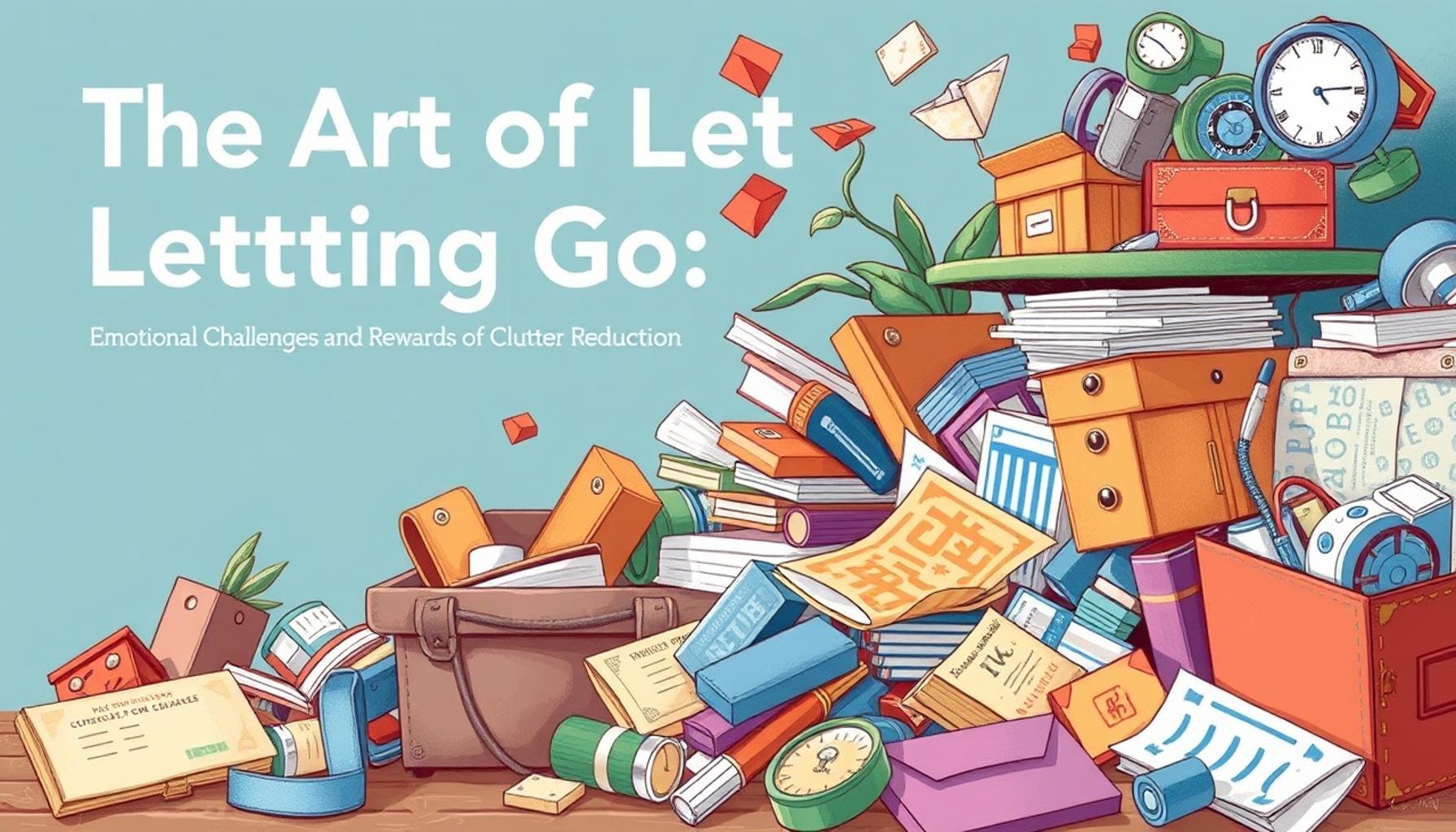
The Importance of Decluttering in Preparing for Moves: Tips for a Smooth Transition

The Crucial Role of Decluttering in Your Moving Journey
When faced with the daunting task of moving, it’s common to feel a rush of anxiety and overwhelm. Yet, one strategic approach that can significantly diminish these feelings is through decluttering. This fundamental step not only streamlines your moving process but also allows you to embark on your new journey with a sense of clarity and purpose.
Decluttering before a move offers a myriad of advantages that can transform what is often considered a chaotic time into a manageable experience. Here are a few key benefits worth noting:
- Saves time: Taking the time to sort through your belongings ahead of your move can drastically reduce the volume of items that need to be packed. Instead of frantically throwing everything into boxes, you’ll have the opportunity to organize and prioritize what truly matters to you.
- Reduces costs: Packing up fewer items can also lead to lower moving expenses. Many moving companies base their charges on the weight of your belongings, so reducing what you have can translate to savings. Additionally, you might find that less stuff means a smaller vehicle or fewer trips are needed, giving you financial relief.
- Creates space: The act of decluttering creates a more streamlined environment, enhancing your transition into the new home. With fewer items in your way, you can better visualize where and how to arrange your belongings in your new space, ensuring a smoother settling-in period.
Taking the time to declutter also presents a unique opportunity for self-reflection regarding your possessions. Engage in introspection by asking yourself:
- Do I use this item regularly? If the answer is no, it might be time to consider letting it go.
- Does it hold sentimental value? Items that do carry emotional weight can be kept but perhaps stored more thoughtfully.
- Would I buy it again today? This question can be a potent indicator of whether an item is worth keeping or simply taking up space.
Research indicates that moving ranks among life’s top stressors, often challenging even the most organized individuals. However, by incorporating decluttering into your moving plan, you have the power to transform this potentially overwhelming experience into a moment of growth and renewal. Reducing clutter not only lightens your physical load but can also offer mental clarity as you step into the next chapter of your life.
In this article, we’ll delve into practical tips and techniques for decluttering effectively. Our aim is to empower you with a clear strategy that will ensure your move is not only manageable but also a refreshing experience filled with intention. Are you prepared to explore the art of moving with ease and determination?
DISCOVER MORE: Click here to dive into the benefits of time blocking
Effective Strategies for Decluttering Before a Move
When it comes to decluttering before a move, having a structured plan can make all the difference. The process can seem overwhelming at first glance, but breaking it down into manageable steps not only simplifies the task but also transforms it into a productive experience. Here are some effective strategies that you can employ to tackle the clutter in your home:
- Set Clear Goals: Before diving into the decluttering process, it’s essential to establish clear objectives. Define what areas of your home you want to focus on, such as the kitchen, bedroom, or garage. Setting these goals assists in maintaining focus and allows you to measure progress as you go.
- Use the 3-Box Method: Grab three boxes and label them “Keep,” “Donate,” and “Trash.” As you sift through your belongings, place items in the appropriate boxes. This visual method simplifies decision-making by categorizing your possessions, thus reducing the likelihood of second-guessing your choices.
- Follow the One-Year Rule: A helpful guideline in decluttering is the one-year rule. If you haven’t used an item in the past year, it’s a strong indicator that you might be ready to part ways with it. This rule can particularly aid in evaluating clothing, kitchen gadgets, and decorative items that often accumulate over time.
- Enlist Help: Sometimes, having a second pair of eyes can offer valuable perspective. Invite a friend or family member to help you sort through your items. They can encourage you to let go of unnecessary possessions and provide impartial feedback about what truly deserves a spot in your new home.
- Implement a Timer: The decluttering process can be daunting, leading to procrastination. To combat this, set a timer for short, focused sessions—say, 25 minutes. This technique, often referred to as the Pomodoro Technique, enhances productivity and allows you to make visible progress without feeling overwhelmed.
As you embark on your decluttering journey, bear in mind that it’s an opportunity not only to eliminate excess items but also to rediscover what truly matters to you. Each item you choose to keep should serve a purpose in your life or bring joy to your new space. By approaching decluttering with intention, you will find yourself shedding more than just physical belongings; you may also unearth a renewed sense of clarity that paves the way for a positive transition into your new home.
In the following sections, we will further explore sustainable disposal methods for items you decide to part with, allowing you to declutter responsibly while making a positive impact on your community. Get ready to embrace a smoother transition fueled by a clear and organized approach to moving.
When faced with a move, the sheer volume of belongings can be overwhelming. This is where decluttering becomes invaluable. By sifting through your possessions before packing, you not only reduce the amount of stuff to move but also gain a sense of control during an otherwise chaotic time. Stripping down to what you truly need or cherish allows for a smoother transition, making your new space feel more like home. It’s essential to approach this task methodically; identify items that can be donated, sold, or thrown away. This not only lightens your load but also provides a charitable benefit to those in need.
Furthermore, decluttering can unlock additional benefits beyond merely reducing volume. For instance, it encourages a more organized lifestyle, paving the way for a fresh start in your new environment. As you pack, you might discover items you forgot you had, leading to decisions on newly valuable belongings based on your current lifestyle. This practice enhances sustainability by minimizing waste, which is particularly important in today’s environmentally-conscious landscape.
Systematize your decluttering efforts by categorizing your belongings. Tackle one area at a time—such as the kitchen, bedrooms, or garage—to prevent feeling overwhelmed. A methodical approach yields a clearer perspective on what stays and what goes. Consider utilizing the “one year rule”: if you haven’t used an item in the past year, it might be time to part ways. Additionally, involving family members in the decision-making process not only helps foster a communal sense of responsibility but can also lead to enjoyable memories as you reminisce over shared past experiences.
Maximize efficiency by leveraging tools such as checklists and timelines. Create a decluttering schedule that aligns with your moving date, allowing ample time for thoughtful decision-making. Armed with a clear plan, your move will be infinitely more manageable, transforming chaos into a structured and intentional transition.
| Category | Benefit |
|---|---|
| Reduced Load | Less physical items make your move easier. |
| Organization | A cleaner space promotes better mental clarity. |
| Sustainability | Supports eco-friendly practices through donation. |
| Charitable Contribution | Help others by donating items you no longer need. |
In conclusion, realize that decluttering is not just a task; it’s a transformative process that empowers you to curate a life that truly represents your values and lifestyle. Embrace the journey toward your new chapter as an opportunity for renewal. The act of decluttering is akin to making space for new experiences, facilitating a smooth transition into your new home.
DISCOVER MORE: Click here to unlock the benefits of time blocking
Responsible Disposal Methods for Unwanted Items
As you navigate through the decluttering phase of your moving preparations, one of the most critical aspects to consider is how to responsibly dispose of items you no longer need. It’s essential to not only focus on decluttering but also to ensure that your unwanted belongings find a new home rather than ending up in a landfill. Here are some effective methods to dispose of your items while making a positive impact:
- Donation Centers: Many charitable organizations welcome donations of clothing, furniture, and household items. Local nonprofits, thrift stores, and shelters can benefit significantly from your decluttered possessions. Items in good condition can often be used to support those in need, making your decluttering efforts a form of community service.
- Online Marketplaces: For items that hold any potential value, consider selling them through online platforms like Facebook Marketplace, Craigslist, or Poshmark. This not only helps you make a little extra cash but also allows your items to find a new owner who may appreciate them. Additionally, this approach promotes sustainability by recycling products back into circulation.
- Freecycle Groups: Engaging with local Freecycle groups or similar community initiatives can provide a unique opportunity to give away items for free. These groups work on the principle of “one person’s trash is another person’s treasure.” It’s a great way to connect with your community and ensure that your belongings are repurposed.
- Recycling Programs: For items that are broken or damaged beyond usable condition, it is crucial to utilize recycling programs. Many communities have specialized recycling facilities for electronics, appliances, and even clothing. Check with your local waste management department to find out what options are available in your area. This method not only prevents waste but contributes to sustainable environmental practices.
- Hosting a Garage Sale: If you have a significant number of items to let go of, organizing a garage sale can be a fun way to declutter while making some money. Not only does it provide an opportunity to showcase your items to potential buyers, but it also allows others in your neighborhood to score some great deals.
When deciding the best method for item disposal, it’s crucial to consider the condition and type of the item. By adopting a multifaceted approach, you can effectively decrease your household clutter while supporting various causes or individuals in your area.
Emotional Considerations in Letting Go
Aside from the practical aspects of decluttering, moving often stirs up a range of emotional sentiments. Parting ways with personal belongings can be challenging, especially if they carry memories or sentimental value. Understanding this emotional weight is vital as it can impact your decluttering process.
- Reflect on Your Attachments: Take a moment to assess the reasons behind your attachment to certain items. Are they truly valuable in your current life? Acknowledging this can pave the way for making tougher decisions and help you let go of those non-essential items.
- Celebrate Memories: If you find it particularly difficult to part with certain possessions due to sentimental value, consider documenting them. Take photos, write about the memories they bring back, or create a scrapbook. This way, you retain the essence of the item without holding on to its physical presence.
- Embrace Minimalism: Adopting a minimalist mindset can significantly aid in the decluttering process. Viewing your belongings through a lens of necessity rather than ownership allows you to prioritize what truly enhances your life and happiness.
Ultimately, the impact of decluttering reaches beyond mere storage space; it nurtures personal growth and rejuvenation as you prepare for your new home. Embracing these emotional and practical strategies will equip you for a successful and meaningful transition, setting the stage for a fresh start in your next chapter.
DIVE DEEPER: Click here to discover the benefits of time blocking
Conclusion
In conclusion, the process of decluttering plays a pivotal role in preparing for moves, not only facilitating a smoother transition but also enriching the emotional experience of relocating. By engaging in thoughtful decluttering, you effectively lighten your load—both physically and psychologically. The act of sifting through your belongings and deciding which items to keep, dispose of, or donate allows for a fresh perspective on what truly matters in your life.
Moreover, the responsible disposal methods outlined—such as donating to charity, using online marketplaces, and recycling—ensure that your items do not contribute to burgeoning landfills, but instead support sustainable practices and community needs. Emotional considerations, like reflecting on attachments and embracing minimalism, help guide the decision-making process, ensuring that you are not just making space but also curating a home that reflects your current values and aspirations.
Remember, decluttering is not merely a preparatory step for moving; it is a transformative journey that can lead to personal growth and renewed purpose. As you navigate through this transition, prioritize creating a living environment that fosters comfort and joy in your new home. With these insights and strategies in mind, you are now better equipped to embrace this exciting new chapter of your life with clarity, intent, and a smoother path ahead.

Beatriz Johnson is a seasoned minimalist and writer with a passion for simplifying the complexities of personal organization and decluttering. With over a decade of experience in the field, she specializes in topics like minimalist living, efficient organization strategies, and creating intentional spaces. Through her work, Beatriz empowers readers to make mindful decisions about their belongings, streamline their lives, and embrace a more organized and fulfilling lifestyle.