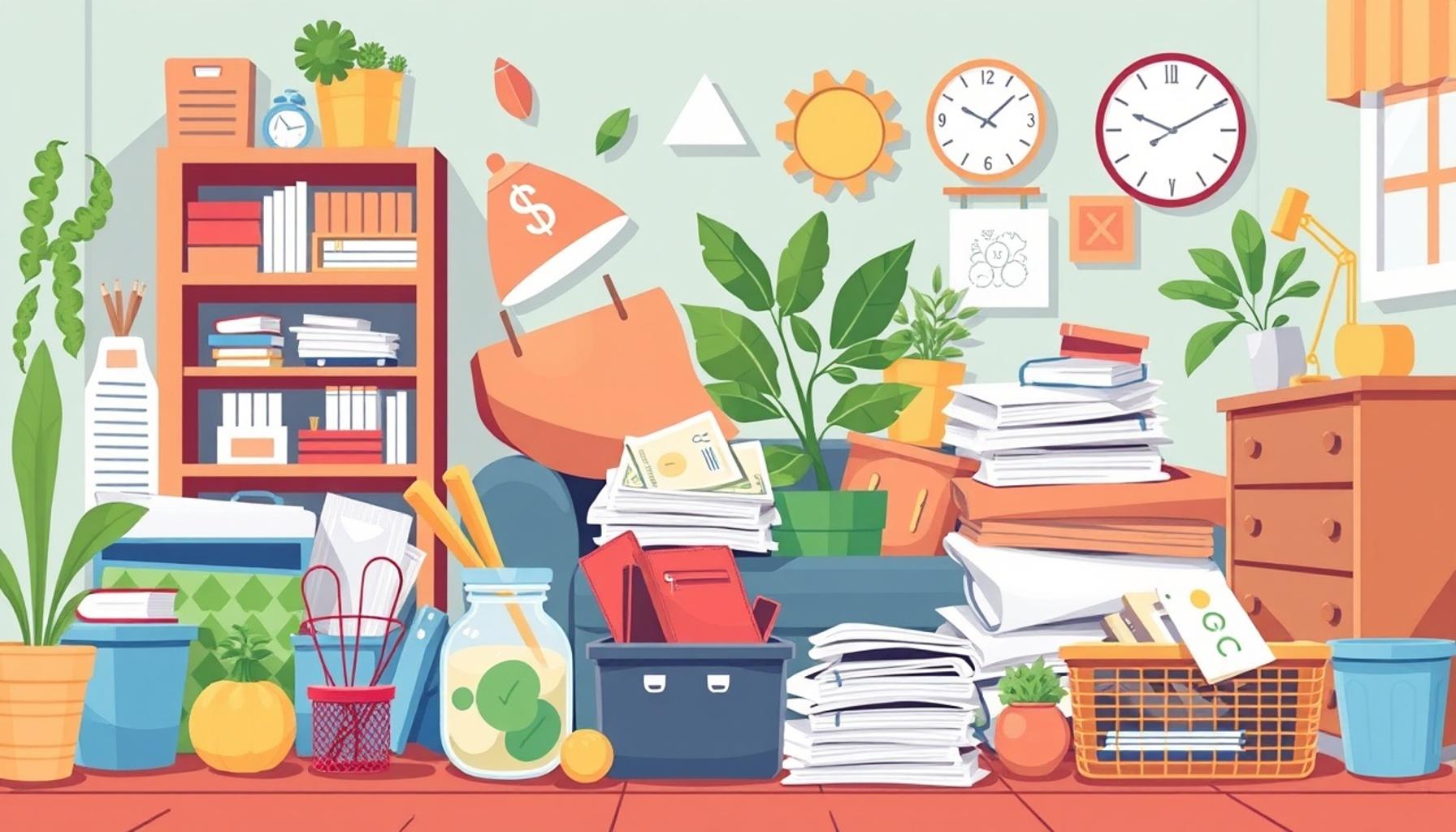
The Art of Letting Go: Emotional Challenges and Rewards of Clutter Reduction
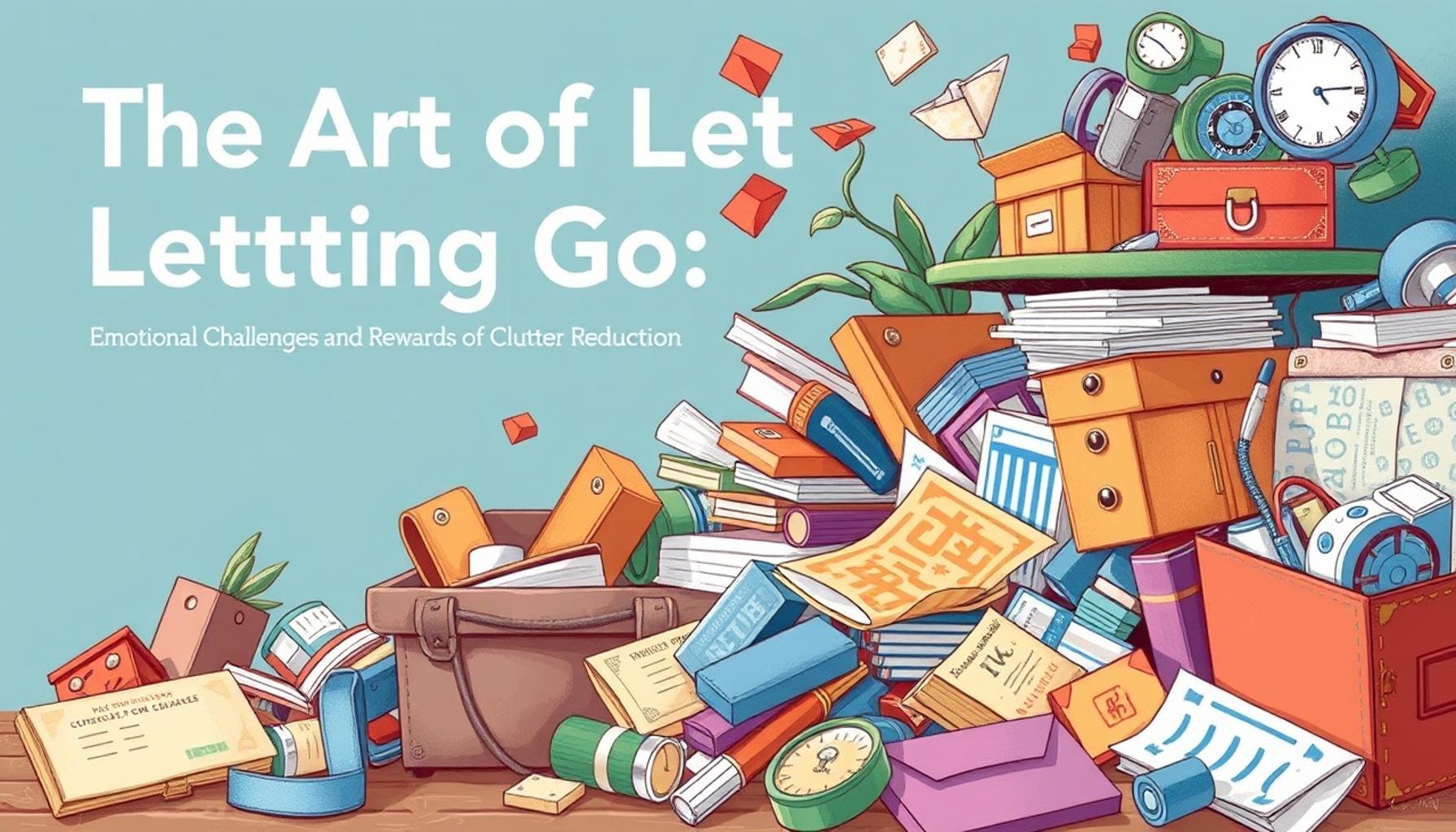
The Journey of Decluttering: Navigating Emotional and Physical Challenges
Everyday life often becomes overwhelmed by physical possessions, leading to a cycle of stress and emotional fatigue. When we surround ourselves with too many items, it can create feelings of chaos and hinder our ability to focus on essential tasks. The process of reducing clutter invites a complex journey of self-discovery, where individuals confront both emotional challenges and significant rewards. It involves reflecting on the role that possessions play in our lives, and understanding this transition is essential for anyone looking to simplify their living space.
Emotional Challenges
- Letting go: Parting with belongings can evoke strong feelings of nostalgia, guilt, or even anxiety. For instance, you might struggle with decisions around items inherited from loved ones, fearing that letting go could diminish the memory of that person.
- Unfinished goals: Clutter often represents unfinished goals or unresolved issues. Think about the hobby supplies you’ve purchased but never used; they symbolize ambitions that didn’t come to fruition, which can be mentally taxing.
- Social influences: Pressure from family and friends can complicate the decision to declutter. You may feel judgment from those who value possessions differently, or from friends who hoard their own belongings, igniting inner conflict about your decisions.
The Rewards of Clutter Reduction
Yet, amidst these challenges, the rewards of clutter reduction are profound and can dramatically transform one’s lifestyle. Many individuals report experiencing:
- Increased focus: A clearer space can lead to a clearer mind. Studies suggest that a tidy environment can enhance productivity and concentration, which is especially beneficial in today’s fast-paced work culture where distractions abound.
- Emotional freedom: Letting go of items can liberate individuals from past attachments. This sensation of release can create room for new experiences and relationships, contributing to a more fulfilling present.
- Improved well-being: A decluttered environment promotes a healthier lifestyle by reducing stress levels and making it easier to maintain cleanliness and organization within the home. Simple changes, like having a designated space for everything, can streamline daily activities.
This exploration of the art of letting go reveals not only the psychological hurdles faced during the process but also the newfound joy and peace that emerge from embracing simplicity. By navigating the emotional landscape of clutter, you can uncover how the act of decluttering is about more than just cleaning; it’s a means of reclaiming your life. As we peel back the layers of clutter, what lies beneath is a clearer perspective on what truly matters. Join us as we unravel the nuances of this transformative process, and embark on your path towards a more intentional and meaningful existence.
DISCOVER MORE: Click here to learn about time blocking
Understanding the Emotional Landscape of Letting Go
Embarking on the journey of decluttering is as much about confronting emotional hurdles as it is about creating a physical space free from excess. At its core, the art of letting go requires a deep dive into the psyche, prompting individuals to examine their attachment to possessions and the weight these items carry in their lives. As we navigate this intricate process, it’s essential to identify and articulate the emotional challenges that can arise, helping us to empower ourselves to overcome them.
Confronting Nostalgia and Guilt
For many, saying goodbye to belongings stirs feelings of nostalgia that are both poignant and overwhelming. Items such as childhood mementos, gifts from friends, or articles related to significant life events become repositories of cherished memories. Yet, holding onto these items can also create a false sense of security, suggesting that the essence of these memories lies within physical objects rather than within ourselves. The guilt of discarding belongings may stem from a fear of losing a part of our identity or dishonoring the memories associated with them.
The Shadow of Unfulfilled Dreams
Another layer of emotional complexity surfaces through the recognition of unfinished goals. The hoarded crafting supplies intended for the next big project or the exercise equipment purchased with great enthusiasm can symbolize aspirations long left behind. Each item becomes a constant reminder of what could have been, leading to feelings of inadequacy or frustration. As we confront these sentiments, we must recognize that letting go of physical reminders is not synonymous with abandoning dreams; rather, it can be viewed as an opportunity to re-evaluate priorities and intentions moving forward.
The Influence of Social Dynamics
The decision to declutter can also be compounded by external social influences. Our households, friends, and social circles often hold differing beliefs about possessions. The fear of judgment from loved ones or even the standards set by popular culture can create an internal conflict that complicates the act of decluttering. Recognizing that each person’s relationship with belongings is unique is crucial in mitigating this pressure. Finding solace in the knowledge that the journey is personal can encourage individuals to take the necessary steps toward a more meaningful space.
Empathy and Connection Through Clutter
Interestingly, the emotional process of decluttering can also foster a deeper sense of connection and empathy. Sharing experiences with friends or engaging in community events can create supportive environments where individuals uplift and encourage one another through the ups and downs of decluttering. This communal aspect emphasizes that the journey of letting go isn’t merely about shedding items, but rather about building connections and shared understanding in pursuit of a more intentional life.
As we unravel the emotional fabric intertwined with our clutter, we begin to understand that the journey is not devoid of pain; it is layered with opportunities for growth and fostering emotional resilience. Taking ownership of these feelings enables individuals to transform the narrative surrounding their belongings and make room for the joys and rewards that follow as a natural outcome of the decluttering process.
The Art of Letting Go: Emotional Challenges and Rewards of Clutter Reduction
The journey towards decluttering often brings to light a multitude of emotional challenges. As individuals sort through their belongings, they might confront memories tied to specific items—sentiments that elicit nostalgia, guilt, or anxiety. For many, every discarded piece can feel like losing a fragment of their past. This emotional burden can be overwhelming, as it forces individuals to face their attachments and the stories they associate with material possessions. The process involves not only physical labor but an introspective journey into one’s identity and choices.
However, as the act of letting go progresses, individuals often report rewarding benefits that extend far beyond the physical space freed from clutter. Increased mental clarity, enhanced focus, and a renewed sense of purpose are frequent themes among those who embark on this journey. The act of decluttering can serve as a powerful metaphor for shedding emotional baggage, allowing individuals to make room for new experiences and opportunities. It’s this paradox of emotional struggle that ultimately leads to the enrichment of one’s life.
| Category | Key Features |
|---|---|
| Emotional Attachments | Feelings associated with items often make it hard to part with them. |
| Mental Clarity | Decluttering can significantly enhance focus and reduce stress. |
Ultimately, engaging with the theme of ‘The Art of Letting Go’ promotes not just a cleaner living space but fosters a healthier emotional landscape. As individuals confront and release their attachments, they unlock pathways to growth and self-discovery, reshaping their lives in profound and lasting ways. The rewards of undertaking the decluttering process can lead to a revitalization of personal values and allow for a more intentional approach to what truly matters.
DIVE DEEPER: Click here to discover the benefits of time blocking
The Transformative Rewards of Letting Go
While the journey of decluttering can present numerous emotional challenges, it also offers a path to profound rewards that reshape our lives in meaningful ways. The act of letting go does not merely clear physical space; it cultivates an environment where mental clarity and emotional well-being can thrive. Understanding these rewards can provide the motivation needed to overcome hesitation and embark on the path to clutter reduction.
Enhanced Mental Clarity
One of the most immediate benefits of decluttering is the potential for enhanced mental clarity. A cluttered environment can act as a source of distraction; research indicates that increased visual stimuli can overwhelm the brain, leading to heightened anxiety and reduced productivity. On the contrary, a decluttered space allows the mind to focus on what truly matters. Studies from the American Psychological Association suggest that individuals who engage in decluttering often report lower stress levels and improved focus, enabling them to channel their energy toward productivity and creativity.
Emotional Liberation
Beyond the practical applications, the emotional liberation that accompanies decluttering is profound. As we release items that no longer serve us, we often experience a sense of empowerment on a personal level. This act can symbolize breaking free from past constraints, allowing individuals to redefine their identities and priorities. For example, someone who may have felt weighed down by familial expectations associated with heirlooms can discover renewed independence by letting these objects go. This emotional release is not merely freeing; it is transformative, instilling a greater sense of purpose in one’s life.
Building a Foundation for Mindfulness
Decluttering can serve as a pivotal step toward embracing a more mindful lifestyle. The process encourages individuals to assess each item’s significance, fostering a deeper understanding of their values and desires. This practice aligns with the principles of mindfulness, promoting a heightened awareness of the present moment. As people engage with their possessions, making conscious decisions about what to keep and what to release, they cultivate a greater appreciation for their current lives. Mindfulness also encourages gratitude for what truly matters, steering focus away from superficial accumulation and towards enriching experiences.
Environmental and Financial Gains
Interestingly, letting go can provide tangible environmental and financial benefits. With a conscious effort to declutter, individuals can often discover numerous items that are still functional but no longer needed. Selling or donating these possessions not only minimizes waste but can also contribute positively to others’ lives. According to the National Association of Resale Professionals, the resale market has seen significant growth in recent years, driven by a collective desire to reduce waste and be more environmentally conscious. Moreover, decluttering can lead to potential financial gains, as selling unused items can generate extra income, further contributing to an improved sense of financial well-being.
Strengthened Relationships
Lastly, the act of letting go can markedly improve relationships. Clutter often becomes a point of contention among family members or housemates, creating tension and disagreements. Engaging in decluttering as a joint effort can foster collaboration and understanding, helping to build stronger bonds. Furthermore, choosing to donate or pass on items to loved ones can cultivate feelings of connection and gratitude, reinforcing the importance of shared values and emotional ties.
As we navigate the emotional landscape of letting go, it is essential to recognize the wealth of benefits that await. Decluttering stands as an opportunity not only to foster personal growth but also to pave the way toward a more intentional and rewarding life, filled with clarity, purpose, and connection.
DISCOVER MORE: Click here to learn about the benefits of time blocking
Conclusion: Embracing the Journey of Letting Go
In the complex tapestry of our lives, clutter reduction emerges as a powerful narrative of growth, challenge, and ultimately, liberation. The emotional challenges we face during this process—ranging from nostalgia and fear to the discomfort of change—are indicators of our attachment to the past and the identities we have constructed around our belongings. However, as we navigate through these feelings, we unlock a treasure trove of transformative rewards.
By embracing letting go, we invite enhanced mental clarity, fostering spaces that nurture focus and creativity. This intentional act paves the way for emotional liberation, allowing us to redefine ourselves beyond the objects we own. An enriched foundation for mindfulness helps us reconnect with our values, appreciating the present while moving away from superficial accumulation.
Moreover, the financial and environmental gains of decluttering cannot be overstated. As the resale market continues to expand, our efforts not only contribute to sustainability but can also bolster our finances, turning unused items into valuable resources for others.
Ultimately, letting go enhances our relationships by fostering collaboration and understanding. Engaging in decluttering with loved ones can strengthen bonds and create meaningful connections grounded in shared values. As we conclude this exploration of the art of letting go, we encourage you to embark on your decluttering journey with an open heart and mind. Recognize that every item released is a step toward a life filled with purpose, clarity, and deeper connections. Embrace the art of letting go and discover the profound possibilities that lie ahead.

Beatriz Johnson is a seasoned minimalist and writer with a passion for simplifying the complexities of personal organization and decluttering. With over a decade of experience in the field, she specializes in topics like minimalist living, efficient organization strategies, and creating intentional spaces. Through her work, Beatriz empowers readers to make mindful decisions about their belongings, streamline their lives, and embrace a more organized and fulfilling lifestyle.