
Spatial Organization: How Clutter Reduction Can Improve Interior Design
The Importance of Spatial Organization in Interior Design
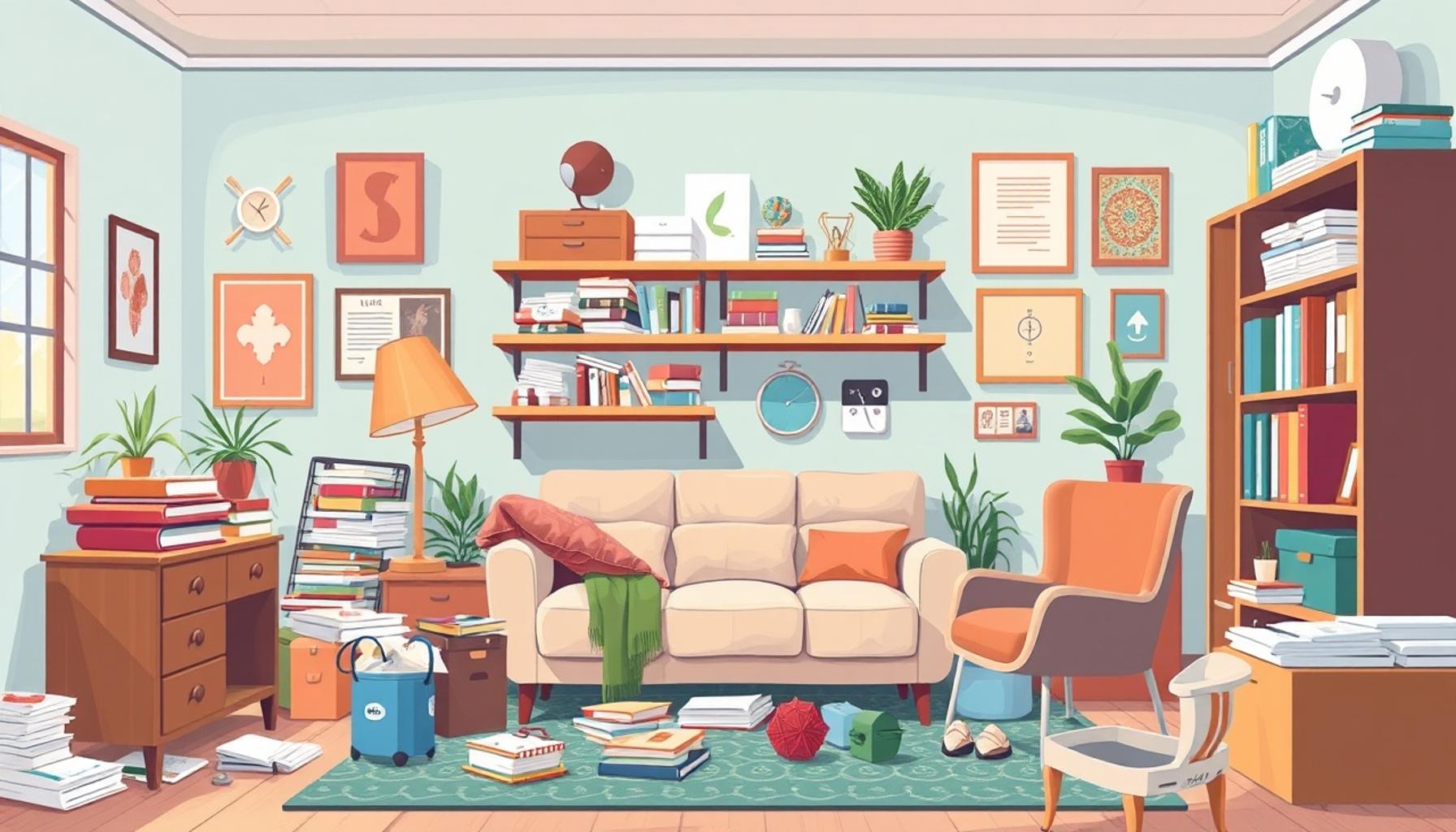
In today’s fast-paced world, the importance of spatial organization is often overlooked. Clutter can quickly accumulate, affecting not only the aesthetics of a space but also its functionality. As interior design trends evolve, understanding how to effectively reduce clutter has become essential. Ignoring the principles of organization can lead to chaos, which can detract from the intended ambiance of any interior space.
By embracing effective clutter reduction strategies, homeowners can experience significant benefits such as:
- Enhanced visual appeal: A well-organized space looks cleaner and more inviting. For example, in a living room, neatly arranged furniture and the use of decorative storage solutions can create a visually pleasing environment that beckons relaxation and social engagement.
- Improved functionality: Less clutter allows for easier movement and better use of space. In kitchens, for instance, having a designated area for tools, and organizing utensils, can streamline meal preparation, making the space more enjoyable to inhabit.
- Increased productivity: An organized environment can boost focus and efficiency in daily tasks. Home offices benefit significantly from decluttering; removing unnecessary items and using designated storage leads to a workspace that encourages creativity and concentration.
Moreover, studies suggest that a decluttered space can lead to improved mental well-being. Clutter can cause anxiety and stress, undermining one’s overall quality of life. A research study published in the journal, Environment and Behavior, found that individuals working in clutter-free settings reported higher levels of happiness and lower levels of fatigue. This indicates a direct correlation between our surroundings and our state of mind.
The transformation from chaos to calm starts with small, manageable changes that pay off significantly. One practical approach is the One in, One out rule, where homeowners commit to removing one item from their space for every new item they acquire. This method helps maintain balance and reduces the likelihood of future clutter accumulation.
Whether you’re redesigning a living room or arranging an office space, prioritizing clutter reduction is the first step in achieving a harmonious interior. Techniques such as implementing multifunctional furniture, utilizing vertical storage solutions, and embracing minimalism can be effective ways to create harmony in your environment. Understanding the impact of spatial organization can transform any area into a sanctuary of peace and productivity.
Ultimately, the journey towards an organized home or workspace begins with recognizing the importance of spatial design. Embarking on this path not only elevates the aesthetic quality of your interior but also enhances your quality of life. By taking the time to organize and declutter, you create a space that is not just lived in, but truly enjoyed.
DISCOVER: Click here to uncover the benefits of time blocking
Strategies for Effective Clutter Reduction
When it comes to achieving optimal spatial organization in interior design, implementing effective strategies for clutter reduction is key. By taking a systematic approach to decluttering, homeowners can transform their spaces into functional and aesthetically pleasing environments. Here, we explore various techniques that can serve as a guide in the journey toward achieving a clutter-free sanctuary.
1. Create Zones
One of the foundational principles of spatial organization is the creation of distinct zones within a space. This method not only makes an area feel more organized but also serves to enhance its functionality. For instance, in a living room, you might designate a reading nook, a conversation area, and a workspace. By clearly defining these zones, residents are more likely to keep each area clutter-free, as every item has a specific place. Consider using furniture arrangements, area rugs, or even lighting to delineate these spaces.
2. Embrace Multifunctional Furniture
As urban living spaces become increasingly smaller, the need for multifunctional furniture has risen. Pieces like ottomans that double as storage, coffee tables with drawers, or sofa beds can keep items neatly tucked away while also providing essential utility. Incorporating such furniture can minimize visual clutter and maximize space. For example, using a stylish storage bench in an entryway not only offers a spot to sit when putting on shoes but also provides hidden storage for hats, gloves, and other seasonal accessories.
3. Utilize Vertical Space
In many homes, especially those with limited square footage, vertical space remains underutilized. Installing shelves, hooks, and cabinets that reach towards the ceiling helps free up floor space while offering additional storage. This not only supports clutter reduction but also enhances the visual appeal of the room. Incorporating floating shelves to display books, plants, or decorative items can draw the eye upwards, creating an illusion of height while simultaneously keeping the floor tidy.
4. Regular Decluttering Sessions
Making decluttering a regular practice can help maintain an organized environment. Homeowners can set aside a few minutes each week to assess items in their space. By regularly evaluating what is needed versus what can be discarded, you’ll find it easier to let go of belongings you no longer use. This practice not only promotes a clutter-free environment but also fosters a mindset of mindfulness towards consumerism, allowing individuals to make more intentional purchases.
- Establish a yearly decluttering schedule: Consider aligning this with a season, such as spring cleaning, to refresh your space.
- Donate or recycle: Instead of simply throwing away unwanted items, consider giving them a second life through donation or recycling programs.
- Involve the family: Encourage all members to participate in decluttering, making it a family effort that builds organization skills.
By integrating these strategies, the path toward effective spatial organization can become not only achievable but also enjoyable. It’s worth remembering that the goal is not merely to have less, but to create a space filled with items that serve a purpose and spark joy.
| Advantages | Description |
|---|---|
| Enhanced Aesthetics | Spatial organization minimizes visual clutter, leading to a more appealing and cohesive design that draws the eye and creates a harmonious environment. |
| Improved Functionality | A decluttered space fosters efficiency and usability, allowing for a smoother flow of movement and making it easier to locate essential items, ultimately enhancing everyday living. |
In exploring the theme of spatial organization, it’s essential to delve deeper into the specific benefits of reducing clutter in interior design. One significant advantage is the creation of enhanced aesthetics. When a space is visually organized, it possesses a serenity that can be both inviting and calming. This improved ambiance can significantly elevate the overall mood of a room, making it not just a place for functionality, but a beautiful environment where individuals can thrive.Another critical aspect is functionality. A well-organized environment removes unnecessary distractions and obstacles, promoting productivity and efficiency. For instance, in home offices, maintaining a clutter-free desk can lead to heightened focus and creativity. The clear distinction of space not only enhances the physical arrangement but also contributes significantly to mental clarity. As we assess the impact of a reduced clutter environment, it becomes clear that the benefits are not just superficial but deeply transformative for the end-user.Embedding these principles of spatial organization into interior design practices can lead to remarkable changes in how spaces are experienced, inviting occupants to engage with their environments in more meaningful ways. Exploring this topic further unveils numerous strategies and psychological implications, presenting a landscape rich for investigation.
DIVE DEEPER: Click here to uncover the benefits of time blocking
Enhancing Aesthetics Through Clutter Reduction
The relationship between spatial organization and aesthetics cannot be overstated. A well-organized space is inherently more pleasing to the eye; however, clutter can severely disrupt this harmony. By employing decoration techniques that complement clutter reduction, homeowners can elevate the visual appeal of their interiors, marrying form and function seamlessly.
5. Color Coordination
Integrating color coordination is an effective means of enhancing spatial organization. When items share a common color palette, they create a cohesive look that can distract from clutter. For example, using matching baskets to store miscellaneous items can unify a space, making it appear deliberate and organized. In wall art or decorative pillows, selecting pieces within a similar color scheme not only amplifies visual interest but also promotes a sense of order. According to studies, color organization can significantly influence mood, helping to foster a calm and inviting atmosphere within the home.
6. Decluttered Surfaces
Flat surfaces are often the first places to accumulate clutter. By committing to keeping countertops, tables, and shelves clear, individuals can influence both spatial organization and the overall aesthetic of a room. A simple way to accomplish this is by limiting the number of decorative items on surfaces. Instead of overcrowding a coffee table with books and knick-knacks, a single statement piece paired with a small tray for remotes can create an elegant focal point. This not only reduces visual clutter but also reveals the beauty of each item, prompting visitors to appreciate the deliberate choices made in the space.
7. Artful Storage Solutions
In an effort to facilitate clutter reduction, homeowners are increasingly gravitating towards artful storage solutions. Decorative boxes, stylish baskets, or chic shelving units do more than just hide clutter; they contribute to the room’s aesthetic. Investing in attractive storage solutions can transform practical storage into integral components of the overall design. For instance, a vintage trunk can serve as both a storage space and a unique coffee table, marrying function with flair. Utilizing such innovative storage options can help maintain an organized environment while allowing for personal expression through design choices.
8. Minimalism as a Design Approach
Minimalism has grown in popularity as a design trend, championing the idea that “less is more.” This approach not only emphasizes decluttering but also promotes a cleaner, more serene environment. By embracing minimalist principles, homeowners can reduce the number of objects in a room, allowing each piece its moment to shine. This not only enhances the sense of space but is also conducive to easier maintenance. Incorporating substantial furniture with clean lines, neutral colors, and functional decor can contribute to a peaceful atmosphere, allowing inhabitants to enjoy their surroundings without the distraction of excess clutter.
- Invest in high-quality items: Focus on quality over quantity; select fewer, versatile pieces that serve dual purposes, enhancing both function and aesthetic appeal.
- Seasonal decor: Rotate seasonal decorations in and out instead of trying to display everything at once, allowing limited items to create fresh visual interest each season.
- Mindful purchasing: Approach new purchases with intention. Ask if an item will genuinely elevate the space or simply add to clutter.
By incorporating these concepts, the marriage of clutter reduction and aesthetic enhancement can create spaces that not only look better but also feel better. This opens a pathway toward a more fulfilling experience in one’s home, ultimately leading to a more harmonious lifestyle.
DISCOVER MORE: Click here to learn about the benefits of time blocking
Conclusion
In summary, the principles of spatial organization and clutter reduction are vital to creating interiors that are not only visually appealing but also conducive to well-being. By embracing strategies such as color coordination, mindful surface organization, and artful storage solutions, homeowners can transform chaotic environments into serene sanctuaries. Minimalism, too, plays a significant role in this transformation, advocating for a lifestyle where each object carries meaning and purpose.
The shift toward decluttering goes beyond aesthetics—it’s about enhancing one’s quality of life. Research indicates that organized spaces can lead to lower stress levels and improved focus. This emphasizes the tangible benefits that arise when we reimagine our living spaces. With a thoughtful approach to purchasing and decorating, individuals can cultivate homes that reflect their personalities while remaining functional and inviting.
As we navigate the myriad choices in interior design, it’s imperative to remember that every item we bring into our spaces should contribute meaningfully to our overall vision. The journey of clutter reduction not only elevates the aesthetic of a home but also fosters a more mindful living experience. By prioritizing spatial organization, we do not just enhance our interiors; we embrace a lifestyle that values clarity, serenity, and authenticity. So, as you embark on your next design project, consider how reducing clutter can lead to richer, more fulfilling spaces that resonate with simplicity and elegance.

Beatriz Johnson is a seasoned minimalist and writer with a passion for simplifying the complexities of personal organization and decluttering. With over a decade of experience in the field, she specializes in topics like minimalist living, efficient organization strategies, and creating intentional spaces. Through her work, Beatriz empowers readers to make mindful decisions about their belongings, streamline their lives, and embrace a more organized and fulfilling lifestyle.