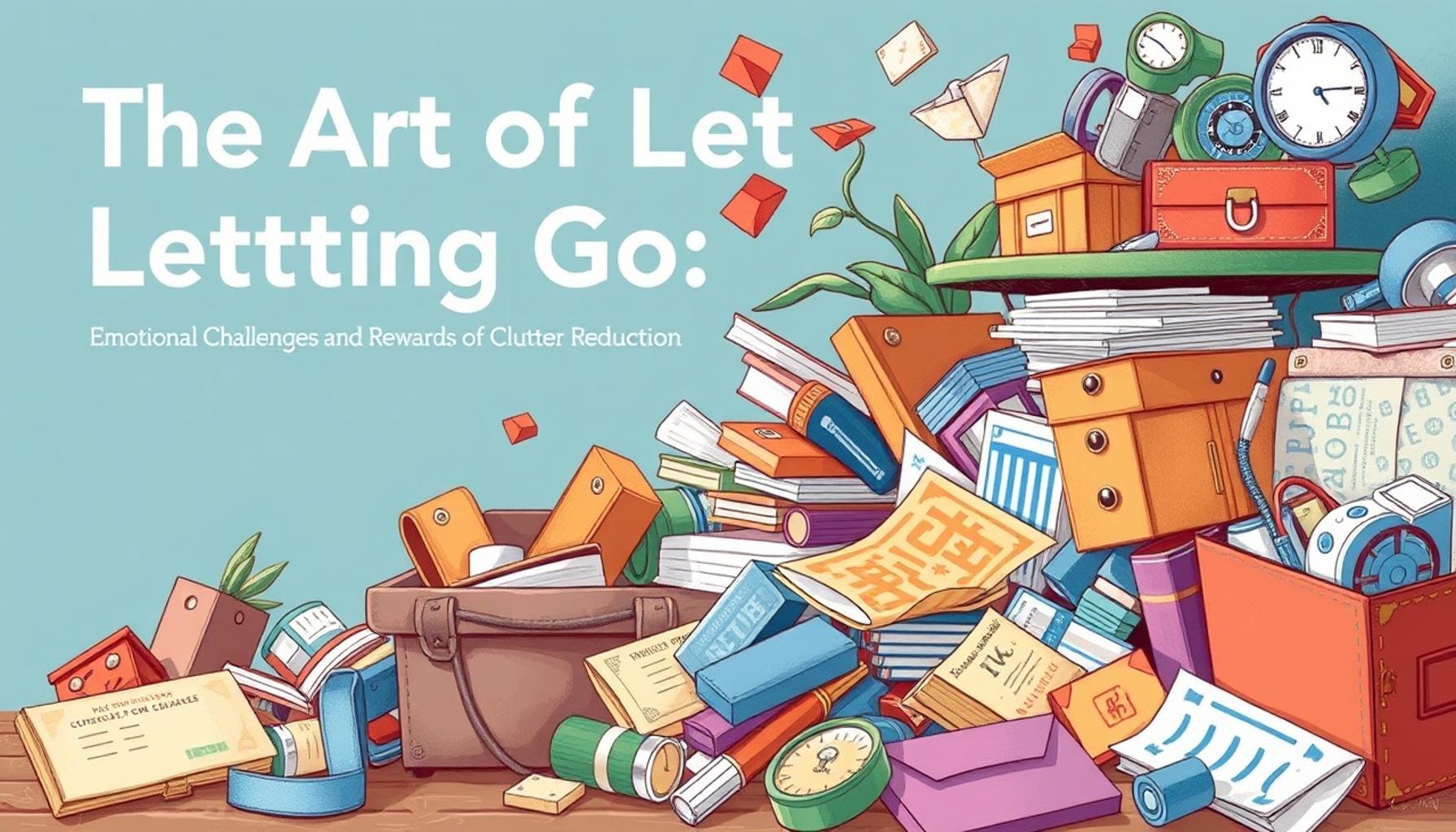
Rituals of Clutter Reduction: How to Incorporate Disorder into Your Weekly Routine for a More Organized Life

Transforming Chaos into Order
In our fast-paced lives, clutter often seems unavoidable. It creeps into our homes, offices, and even our minds. However, embracing a little bit of disorder can paradoxically pave the way for a more organized existence. This concept might appear counterintuitive, yet shifting our perspectives on clutter can lead to the creation of rituals that not only help reduce physical mess but also enhance our overall well-being.
To effectively integrate these ideas, consider incorporating them into your weekly routine:
- Scheduled Decluttering: Take time each week to focus on specific areas in your home or workspace. For instance, dedicate Sundays to decluttering your living room. Start small: clear out an overflowing drawer or tackle the mountain of mail that accumulates. Allocating even just 15 to 30 minutes can yield significant improvements and foster a sense of accomplishment.
- Mindful Messiness: Embrace a corner of your home or a small area in your office as a space for creative chaos. This could be a craft area, a writing nook, or even a brainstorming wall. Allowing yourself this space to experiment without the pressure of tidiness fosters innovation. Many artists and writers advocate for a “messy” creative zone, where ideas can flow freely without the restrictions of perfect organization.
- Organizational Challenges: Turn decluttering into a fun competition with friends or family. You could create a friendly wager, where each participant has a week to declutter a space in their home, with the most impressive transformation winning a reward. This social aspect not only motivates you to tackle the mess but also makes the process enjoyable.
Understanding the nuances of clutter can lead to more informed decision-making regarding our possessions. Research shows that a tidy environment can significantly reduce stress levels and promote productivity. In fact, a study from the Princeton University Neuroscience Institute found that our brains process information more effectively in environments that are free of clutter. This creates a mental landscape that is conducive to clarity and focus, making it easier to concentrate on what truly matters.
As you explore these practices in your life, consider how embracing a little disorder may actually serve as the catalyst for your easier, more organized life. By redefining your relationship with clutter, you can begin to not only manage your physical spaces more effectively but also enhance your overall mental clarity. In a world where chaos often reigns, finding your personal balance can lead to profound improvements in both your home and mind.
DISCOVER MORE: Click here to learn about the benefits of time blocking in a minimalist lifestyle
Rethinking Clutter as Creativity
When we think about clutter, the common reaction is often to view it as an obstacle; an irritant that disrupts productivity and peace of mind. However, a more nuanced understanding suggests that clutter can also serve as a wellspring of creativity. Research backs this perspective, indicating that stimulating environments—complete with some level of disorder—can activate innovative thought processes. For instance, a pivotal study published in the Journal of Environmental Psychology illustrated that low levels of clutter can enhance creative performance. This revelation complicates the age-old belief that only neat and tidy spaces foster focus and clarity.
To capitalize on the creative potential of disarray, incorporating a concept known as structured chaos into your life can be impactful. Here are some evolving rituals designed to strike a balance between maintaining order and embracing creativity:
- Themed Mess: Each week, curate a workspace that reflects a specific theme. Suppose you adore painting; allow your space to flourish with color palettes, half-finished canvases, and art books. This contextual disarray can both inspire your artistic endeavors and encourage you to keep it somewhat organized within that theme. Changing themes regularly keeps stimulation fresh and engaging.
- Designated ‘Creative Clutter’ Time: Instead of discarding clutter entirely, why not carve out a regular time for uncontrolled creativity? Designate an evening, like Wednesday, solely for this purpose. During this time, allow yourself to dive into projects you’ve postponed, embracing the process over perfection. The focus here is exploration, rather than producing a polished end product.
- Clutter-Free Zones: While some chaos can enrich your creativity, it’s also important to maintain areas of calm. Consider establishing clutter-free zones, such as your bedroom or home office, where you can retreat and reflect. These clean spaces can offer respite from the visual noise of more dynamic areas, creating a necessary balance that can invigorate your mental clarity amidst the creative chaos.
Delving deeper into your relationship with clutter can lead to empowered decision-making regarding what you choose to keep. Embracing certain elements of disorder allows for personal expression and reveals true values and priorities. Research conducted by the American Psychological Association found that individuals who nurtured messy spaces often rediscovered sentimental items. This rediscovery not only can evoke memories but also trigger journeys of reflection and emotional fulfillment as you declutter.
Ultimately, reimagining your rituals surrounding clutter not only enhances your living space but also helps you cultivate a greater appreciation for the unconventional aspects of creativity. Allowing some level of disorder into your week acts as a powerful reminder that organization transcends mere neatness; it encapsulates personal expression and the freedom to explore. As you incorporate these practices into your life, you might discover that the seamless interplay of order and disorder not only cultivates a more organized existence but also fosters artistic expression and creativity, unlocking new potentials within both your space and your mindset.
| Aspect | Key Features |
|---|---|
| Mindful Disarray | Embracing small amounts of chaos can lead to enhanced creativity and problem-solving. |
| Emotional Release | Letting go of excessive control can alleviate stress levels and improve mental health. |
Incorporating the rituals of clutter reduction into your weekly routine does not mean renouncing organization altogether. Rather, it’s a call to embrace a healthy, dynamic approach to disorder that can rejuvenate both your home and mind. For instance, mindful disarray encourages a space where creativity can flourish. Instead of fearing messiness, thrive in it; a sketchbook left open or a few toys scattered around might inspire unexpected play or artistic expression. On the other hand, the emotional aspects of clutter reduction cannot be overlooked. Allowing for a bit of chaos doesn’t just bring forth creativity, but it can also serve as an emotional release. Letting go of the need for rigid structure can be liberating, providing a sense of freedom that improves your overall well-being. Research indicates that embracing imperfection in our surroundings can lead to reduced feelings of anxiety and more profound connections with our work and life.This revolutionary perspective on disorder invites individuals to rethink what organization truly means, creating more balanced, purposeful living. By implementing rituals that celebrate both order and chaos throughout your week, you might just discover the benefits of a more vibrant, organized life.
DISCOVER MORE: Click here to dive deeper
Embracing the Flow of Organized Disorder
As we strive for a more organized life, it becomes essential to acknowledge that disorder and chaos are not merely oppositional forces to order, but rather integral components of a dynamic and multifaceted existence. Cultivating rituals that harmonize these elements allows for a unique form of organization—one that resonates with personal authenticity and creativity. An exploration of the concept of organized disorder reveals how the ebb and flow of chaos can be harnessed to foster a richer, more fulfilling routine.
One practical approach is to adopt the ritual of the weekly reset. This involves dedicating a set time each week—perhaps Sunday afternoon—to intentionally create disorder in controlled bursts. Start by selecting a corner or section of your home that requires attention, whether it be your closet, garage, or even your digital space. Engage in a deep dive: rearranging, sorting through, and discarding items that no longer serve you. This moment of focused disorder can prove liberating, allowing you to confront and address the clutter that has built up over time. As you engage in this process, consider the new possibilities that emerge. Perhaps an old photograph urges you to create a collage, or forgotten books inspire a mini-library for easy access to works that ignite your passion.
Incorporating sensory experiences can further enrich this ritual. As you create your brief period of chaos, consider playing music that resonates with your current mood or even setting the atmosphere with essential oils that stimulate creativity, such as lemon or mint. This sensory alignment can augment the experience of engaging with disorder, making it more enjoyable and productive. Drawing from findings by the Environmental Science & Technology Journal, integrating sensory elements has shown to heighten focus and creativity, reinforcing a positive connection with disorder.
Another compelling tool in your clutter reduction arsenal is the 15-minute tidy. Each day, carve out a quick slot in which to confront a specific area prone to accumulating clutter. This could be the kitchen counter, your desk, or even the car. Not only does this facilitate a habit of addressing tangles of mess before they evolve into overwhelming chaos, but it also allows you to practice the rhythm of organized disorder—a consistent reminder that it’s acceptable for some spaces to fall out of sync for brief periods.
Moreover, incorporating the idea of transitory clutter can also lead to a richer experience. This practice involves allowing certain items to exist in your space temporarily as a form of inspiration. For instance, creating a dedicated spot for current projects—whether it’s a half-finished knitting project, a puzzle, or design materials—acts as a physical reminder of your aspirations and ongoing pursuits. This intentional positioning encourages creativity, while reminding you that these items are there to spur action.
It’s crucial to reiterate that this isn’t about relinquishing control but rather finding a balance where growth and creativity thrive amidst chaos. Rituals like the weekly reset and the 15-minute tidy can transform clutter from a point of stress into a springboard for innovation and exploration. Ultimately, by thoughtfully incorporating disarray into your organizational practices, you cultivate a more vibrant living environment that uplifts your imaginative spirit and enriches your daily life.
DIVE DEEPER: Click here to discover the benefits of time blocking
Conclusion: Cultivating Organized Disorder for a Harmonious Life
Incorporating disorder into your routine may sound counterintuitive, but it is a revolutionary approach to achieving a more organized life. By embracing the idea of organized disorder, you learn to navigate the complexities of daily living with greater ease and creativity. The rituals of a weekly reset and 15-minute tidy are not just methods for managing clutter, but rather transformative practices that encourage mindfulness, self-reflection, and consistent growth.
Consider the insights this approach provides: It allows you to reclaim your space from the grip of chaos and fosters an environment that thrives on innovation. When you accept that disorder can coexist with order, you unlock new potential for creativity and inspiration in your life. Rather than a space filled with anxiety-inducing clutter, your personal atmosphere can become a sanctuary of ideas and projects that reflect your passions.
As you embark on this journey of clutter reduction, remember to incorporate sensory experiences that enhance your connection with disarray. The infusion of music or essential oils can create a more engaging environment, making the process of organizing not only manageable but enjoyable. Ultimately, these rituals serve as reminders that life is not merely about maintaining a spotless home; it is about creating a living space that energizes and supports your authentic self.
So, take the leap and blend order and chaos in a way that resonates with you. Explore the benefits of transitory clutter, celebrate your creativity, and watch as your worry about a perfectly organized life begins to dissolve. By embracing organized disorder, you will find harmony in your day-to-day existence, and your approach to clutter will shift from chaos to an exhilarating dance of life’s many possibilities.

Beatriz Johnson is a seasoned minimalist and writer with a passion for simplifying the complexities of personal organization and decluttering. With over a decade of experience in the field, she specializes in topics like minimalist living, efficient organization strategies, and creating intentional spaces. Through her work, Beatriz empowers readers to make mindful decisions about their belongings, streamline their lives, and embrace a more organized and fulfilling lifestyle.