Incorporating Minimalist Design Principles in Outdoor Spaces for Enhanced Functionality
Exploring the Essence of Minimalist Outdoor Design
As cities burgeon with relentless activity, outdoor spaces have come to symbolize a refuge for tranquility and rejuvenation. Amidst the chaos of urban life, minimalism emerges as an ideal philosophy for outdoor design. By emphasizing simplicity, this approach not only reshapes spaces but also significantly enhances their utility. At its core, minimalism in outdoor design is about cultivating beauty and functionality without overwhelming the senses with excessive detail or ornamentation.
The shift towards minimalist outdoor design carries several substantial benefits:
- Enhanced Efficiency: A well-thought-out layout that prioritizes openness facilitates seamless movement and accessibility. For instance, a thoughtfully arranged pathway leading to a seating area can guide visitors effortlessly through the space, creating a natural flow that enhances the experience.
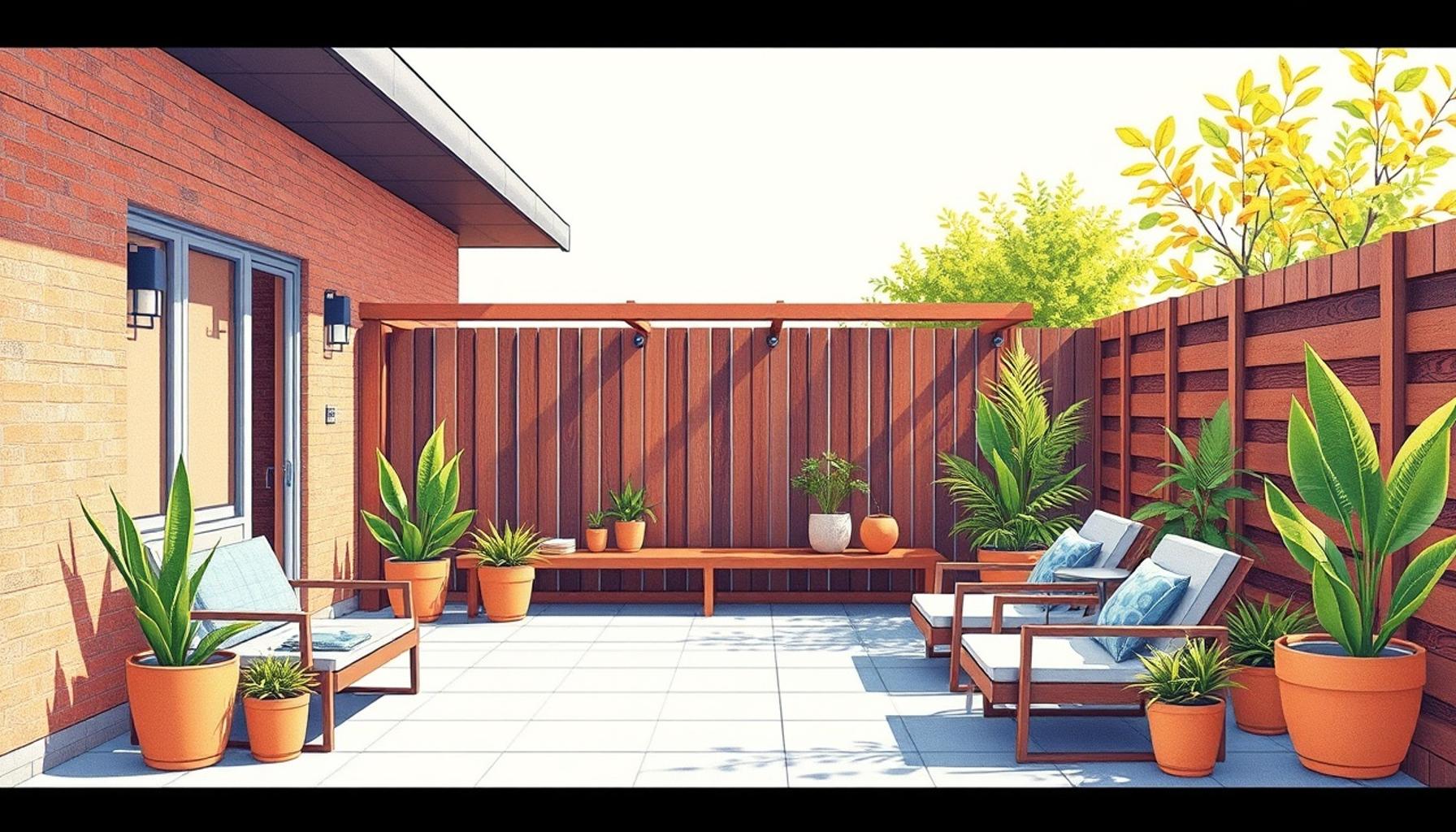
- Increased Greenery: By reducing unnecessary decorative elements, designers can allocate more room for vibrant flora. Imagine an urban balcony with a few carefully selected plants flanking a simple bench; this can transform any outdoor area into a lush oasis, where nature takes center stage.
- Low Maintenance: Minimalist designs naturally lead to spaces that require less upkeep. For instance, a patio adorned with sleek, durable furniture and native plant species can significantly reduce the need for constant maintenance, allowing residents more time to unwind and enjoy their surroundings.
To further illustrate these concepts, envision a cozy outdoor living area designed with streamlined furniture made of sustainable materials, such as recycled steel or teak. This choice not only exemplifies minimalist design but also offers flexibility for various uses—from hosting summer barbecues to quiet evenings illuminated by string lights. Furthermore, the inclusion of multipurpose elements, like a fire pit that doubles as a coffee table, maximizes both functionality and space.
Beyond aesthetics, embracing a minimalist approach allows for a profound interaction with outdoor environments, facilitating relaxation and mental clarity. When spaces are decluttered, the mind can decompress, resulting in a serene retreat from daily pressures. As we explore the intricacies of minimalist design principles, it becomes evident that they provide invaluable insights into how we can elevate our outdoor experiences, creating spaces that invite tranquility and mindfulness.
As you consider enhancing your outdoor design, reflect on how minimalist principles can be integrated into your specific environment. Whether you are curating a small garden in a busy urban setting or redesigning a sprawling backyard, the key lies in balancing form and function to create your ideal retreat.
Key Elements of Minimalist Outdoor Design
To successfully incorporate minimalist design principles in outdoor spaces, one must first understand the essential elements that define this aesthetic. The minimalist approach is characterized by an emphasis on simplicity, functionality, and a strong connection to nature. By carefully selecting elements and focusing on their purpose, outdoor spaces can be transformed into harmonious environments that offer both beauty and practicality.
One of the foundational aspects of minimalist outdoor design is the concept of unity and coherence. Every element in the space should contribute to the overall vision and functionality. This can be achieved through the use of a limited color palette and consistent materials. For instance, using natural stone for pathways and patios creates a seamless visual flow that ties different areas together. Such a cohesive look enhances the perception of space, making it feel more expansive and inviting.
Moreover, minimalist design inherently promotes a sense of harmony between the built environment and the surrounding nature. Trees, shrubs, and other greenery take center stage when excess clutter is removed. Choosing native plants not only supports local ecosystems but also minimizes maintenance requirements. Simple plant arrangements, like a single statement tree or a cluster of decorative grasses, can create interest without overwhelming the senses.
Additionally, functionality is paramount in minimalist outdoor design. This can be realized through the following principles:
- Multi-functional Spaces: Design areas that serve multiple purposes, such as a deck that functions as an outdoor dining area and a place for relaxation with the addition of sleek lounge furniture.
- Defined Zones: Use subtle barriers, such as low planted borders or stepping stones, to create distinct zones within the area. This strategic segmentation enhances usability without cluttering the space.
- Minimal Furniture: Selecting a few pieces of well-designed furniture can dramatically change an outdoor area. Aim for items that are both aesthetically pleasing and serve practical purposes, such as a dining table that easily transitions into a games table.
In addition to these guiding principles, the importance of natural light cannot be understated. Effective use of light can make small areas feel larger and more inviting. Incorporating features like pergolas or awnings allows for enjoyable outdoor spaces that can be used year-round while providing necessary shade during the summer months.
As you plan your outdoor space, consider how these minimalist principles can be woven into your design. Whether you are curating an urban rooftop garden or creating a serene backyard retreat, embracing simplicity will lead to aesthetically pleasing and functional environments. Exploring these key elements of minimalist design further equips you with the tools to transform any outdoor area into a sanctuary of serenity and style.
| Advantages | Description |
|---|---|
| Simplicity | Minimalist design reduces visual clutter, allowing natural beauty to stand out and enhancing the aesthetic appeal of outdoor spaces. |
| Functionality | Designing with functionality in mind leads to spaces that are not just visually pleasing but also usable, focusing on activities that truly enhance outdoor living. |
| Sustainability | By incorporating sustainable materials and elements, minimalist design encourages an environmentally friendly approach, aligning function with eco-consciousness. |
| Flexibility | Minimalist spaces are often adaptable, allowing for easy reconfiguration and use for different activities, making them more versatile. |
Incorporating minimalist design principles in outdoor areas doesn’t just transform aesthetics; it promotes an experience that combines simplicity with practicality. The focus on functionality means that every element serves a purpose, contributing to a harmonious atmosphere. By minimizing distractions, such designs enhance the overall comfort and usability of outdoor environments. Furthermore, embracing sustainability sheds light on the impact of design choices on the planet, inviting more conscientious selections in materials and layouts.As you consider renovating your outdoor space, think about how these principles could help create a seamless blend of form and function, inviting peace and purpose back into your surroundings. For those keen on exploring these transformative designs, diving deeper into minimalist options reveals a world of potential that highlights the beauty of simplicity while respecting the environment.
Creating Functional Outdoor Spaces through Minimalism
As the principles of minimalism extend into outdoor realms, the pursuit of functionality becomes essential. A minimalist outdoor design does not merely focus on aesthetics; it also aims to enhance the user experience by integrating spaces that serve practical purposes seamlessly. To achieve this, several strategies can be employed to maximize both utility and simplicity.
One effective method is to utilize vertical space. In smaller outdoor areas, maximizing height can free up floor space for other uses. Installing vertical gardens or trellises covered in climbing plants can create a lush backdrop while maintaining an uncluttered ground area. This not only adds height and dimension but also invites biodiversity into the space. Furthermore, incorporating vertical planters or wall-mounted shelving allows for the display of potted herbs or small plants, creating an aesthetic that feels both organic and sophisticated.
Outdoor lighting is another crucial factor in minimalist design that enhances functionality. Strategically placed LED lighting can create a welcoming atmosphere while providing necessary illumination for evening gatherings. Wall sconces, embedded lights in pathways, or solar-powered garden lights maximize safety and usability without introducing visual clutter. Opting for smart lighting solutions can also contribute to a customized experience where the mood and ambiance can be adjusted based on the occasion.
Moreover, employing sustainable materials is a key element of both minimalism and functionality. The use of reclaimed wood, recycled metal, or locally-sourced stone not only reduces environmental impact but also fosters a connection to nature that is essential for minimalist design. For example, a modern fire pit made from repurposed materials can serve as a focal point, providing warmth and ambiance while being mindful of sustainability. By choosing materials that age gracefully, the outdoor space evolves over time, maintaining a clean yet appealing look.
When planning your outdoor layout, ensure that every element serves a clear purpose. This could mean integrating built-in seating options around a fire pit to eliminate the need for excessive furniture or incorporating bench space along pathways for casual resting spots. The integration of modular furniture also supports this vision, allowing for flexible arrangements that cater to different activities, whether it be outdoor dining or cozy conversations with friends.
Lastly, consider the role of water features in minimalist outdoor designs. A simple reflecting pool or a small fountain can become a striking centerpiece without overpowering the visual palette. Water features not only provide soothing sounds that enhance relaxation but also support local wildlife, further enhancing the natural element of your space.
Ultimately, the challenge lies in balancing aesthetics with practicality. Each choice should reflect a commitment to simplicity and functionality, allowing the outdoor space to flourish into a sanctuary that enhances everyday life.
Conclusion: Embracing Minimalism for Functional Outdoor Living
Incorporating minimalist design principles in outdoor spaces transcends mere aesthetics, emerging as a thought-provoking approach that harmonizes simplicity with functionality. As we explored, the essence of minimalism lies in curating environments that prioritize practical use while exuding tranquility and beauty. By focusing on elements such as vertical gardening, strategic lighting, and sustainable materials, outdoor spaces can transform into multifaceted havens that cater to various needs without overwhelming the senses.
Furthermore, the integration of multifunctional furniture and carefully planned layouts can enhance day-to-day experiences, allowing outdoor areas to serve as extensions of our homes rather than neglected afterthoughts. Whether it’s a cozy gathering around a fire pit or a peaceful afternoon spent among aromatic herbs, each thoughtfully selected feature reinforces the minimalist ethos of purposeful living.
As urban environments continue to evolve, the demand for aesthetically pleasing yet practical outdoor spaces will only grow. Embracing minimalism invites us to rethink our surroundings, making it imperative to prioritize functionality in every design choice. This philosophy echoes a greater movement towards sustainability and mindful living—values that resonate deeply in today’s modern context.
In conclusion, let us redefine outdoor spaces by championing minimalism. Not only does it create a serene retreat that enhances our connection with nature, but it also encourages us to appreciate the beauty of simplicity in our bustling lives. As you embark on your outdoor design journey, consider how minimalism can unveil a world of opportunities for creating harmony, utility, and peace in your personal sanctuary.