Exploring New Genres: The Fusion of Nigerian Pop Music with Global Rhythms
The Thrilling Transformation of Nigerian Pop Music
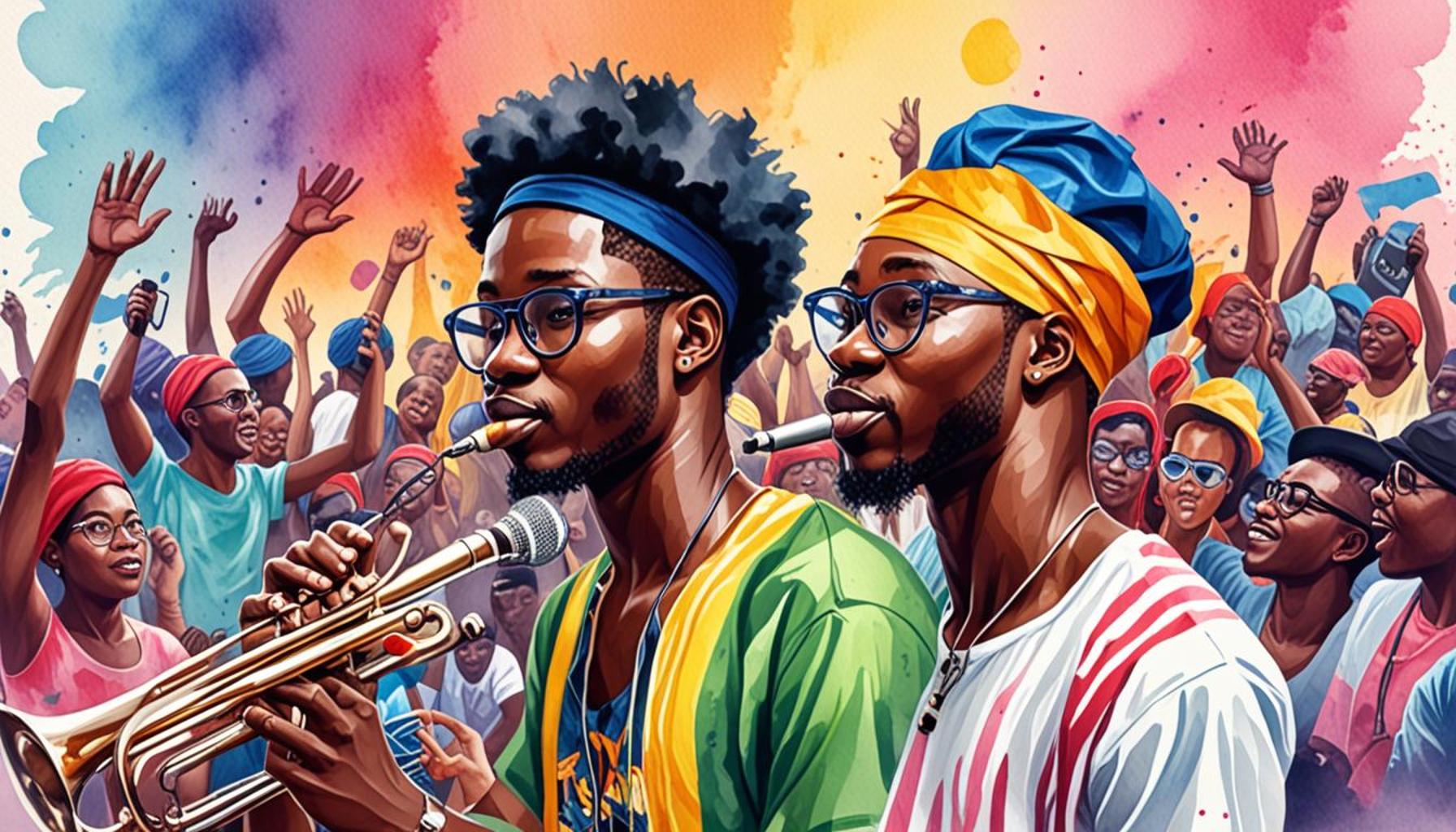
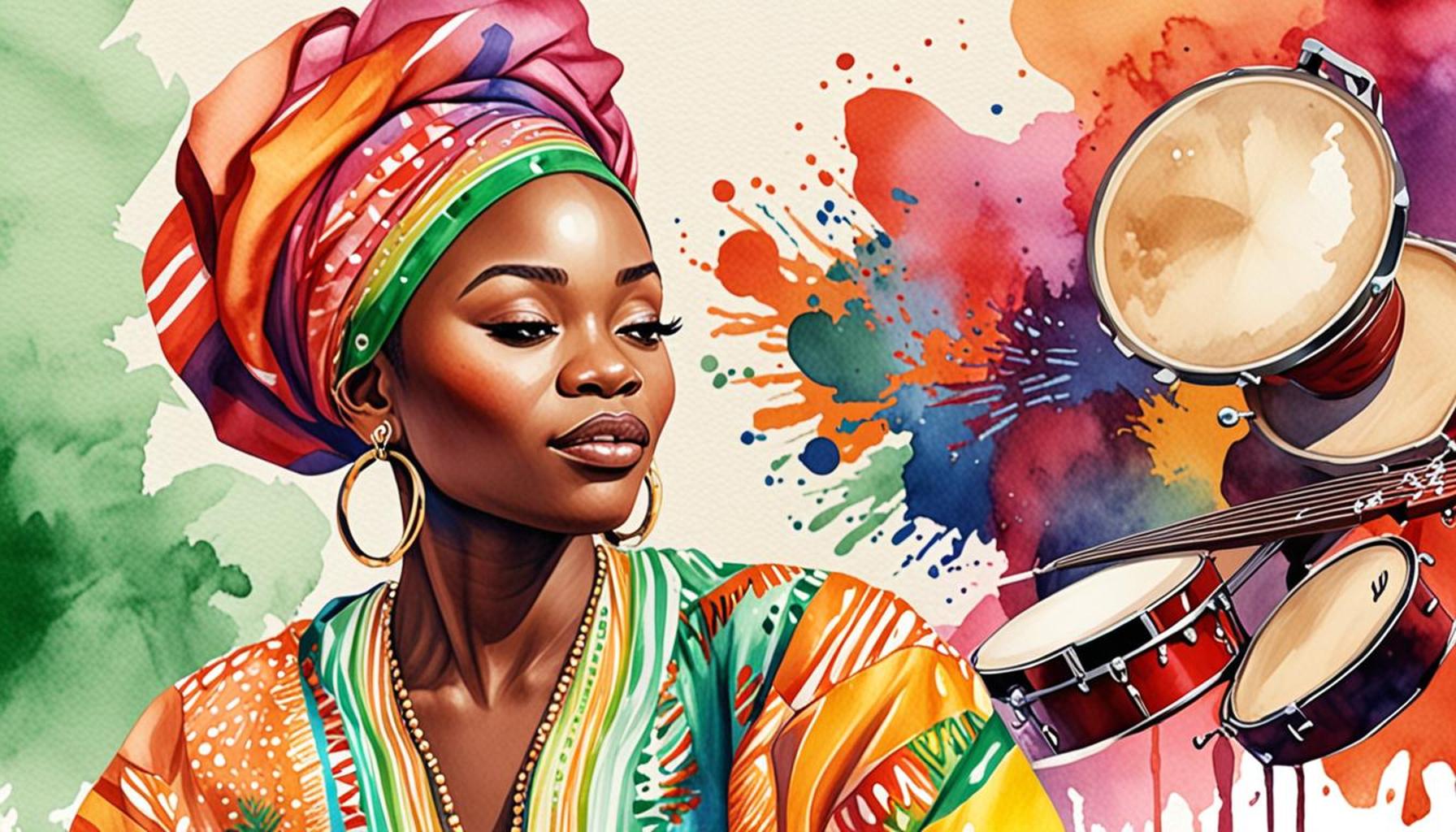
Nigerian pop music is currently experiencing a remarkable evolution, characterized by a dynamic blend of traditional sounds and contemporary global influences. This evolution invites listeners on a journey through rhythm and melody as various artists showcase their creative prowess, breaking the conventional boundaries of music. The exciting fusion not only enriches the local music scene but also reflects Nigeria’s cultural diversity and its potential as a global music hub.
Several critical factors are influencing this innovative musical landscape:
- Collaboration with global stars: Today, Nigerian artists are collaborating with international musicians, creating unique soundscapes that resonate with audiences worldwide. For instance, Wizkid’s collaboration with Drake on the hit single “One Dance” and Burna Boy’s partnership with Beyoncé for “Brown Skin Girl” have garnered international acclaim, illustrating how African rhythms can blend seamlessly with global sounds.
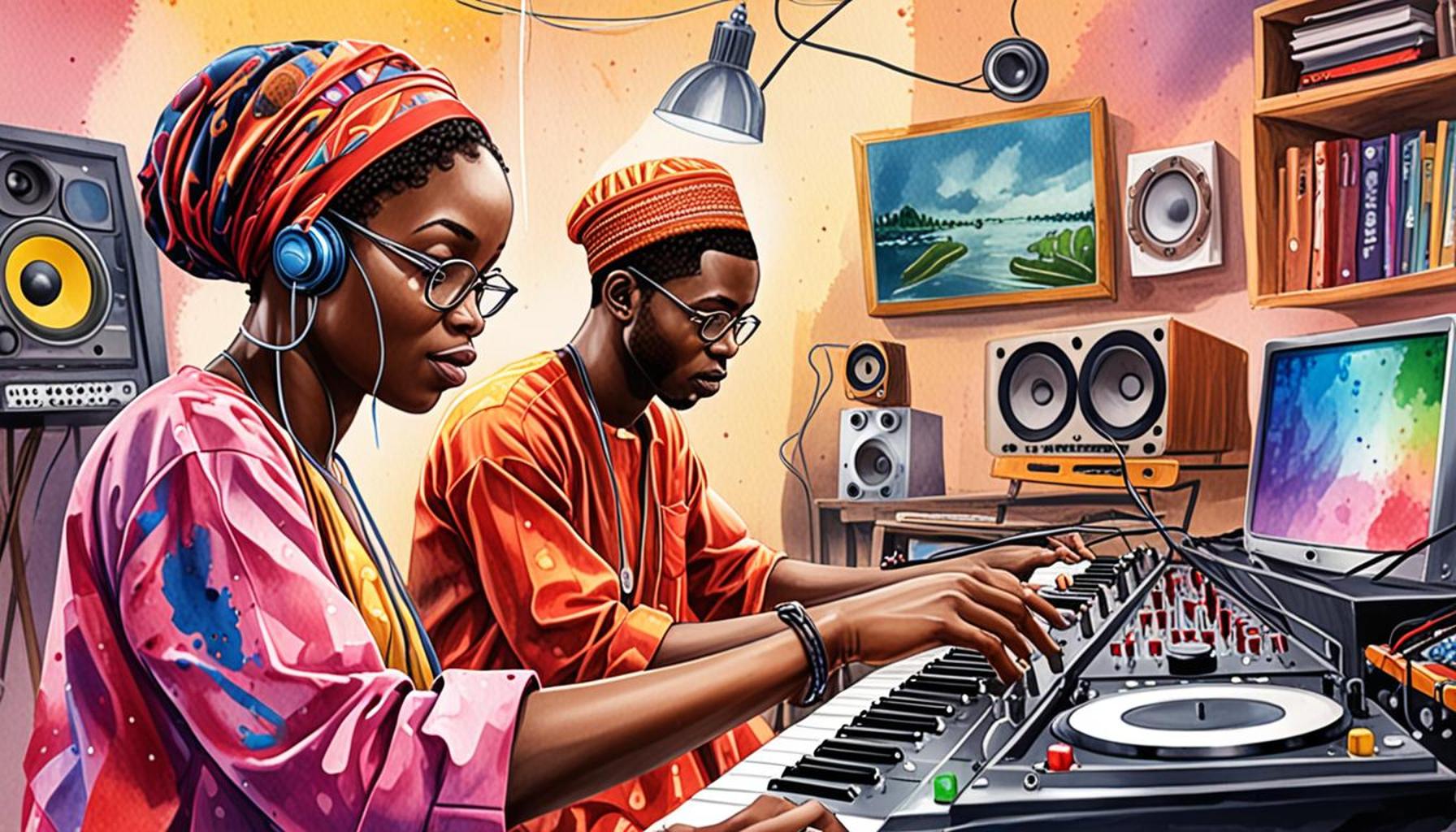
- Access to technology: The rapid advancement in recording and production technologies has democratized music creation, allowing artists to experiment with diverse genres and sounds. Tools like digital audio workstations and affordable recording equipment have made it possible for budding musicians to produce high-quality tracks right from their homes, leading to an explosion of creativity across Nigeria.
- Social media influence: Platforms such as Instagram and TikTok play a pivotal role in promoting emerging musical styles, enabling artists to reach wider audiences instantly. Trending challenges and viral dance routines often help songs gain traction, as seen with Focalistic’s “Ke Star,” which took over TikTok and generated immense buzz both locally and internationally.
Among the popular genres emerging from this eclectic fusion are:
- Afrobeat: This genre, pioneered by the legendary Fela Kuti, marries traditional African music with jazz, funk, and highlife. Inspired artists continue to innovate within this space, ensuring its essence thrives across generations.
- Afropop: A catchy blend of diverse African genres with mainstream pop, Afropop is carried by contemporary stars like Burna Boy and Tiwa Savage, who uniquely infuse local languages and cultural references into their lyrics, inviting listeners from all backgrounds to experience Nigerian culture.
- Reggae and Dancehall: The rhythmic allure of reggae and dancehall has also found a home in Nigeria, with artists like Patoranking infusing local dialects into Caribbean beats. This genre enriches the music tapestry of Nigeria while appealing to fans of both African and Caribbean music.
This cultural amalgamation not only showcases the richness inherent in Nigerian music but also positions the nation as a trendsetter in the global music arena. As the Nigerian pop music scene continues to evolve, audiences can expect a thrilling array of sounds that reflect both local uniqueness and international influences. With each new release, Nigerian artists tell a story that not only entertains, but also celebrates the nation’s cultural heritage.
CHECK OUT: Click here to explore more
The Expanding Soundscape of Nigerian Pop Music
The integration of global rhythms into Nigerian pop music marks a significant shift in the country’s musical landscape. As Nigeria continues to assert itself on the world stage, artists are weaving together a tapestry of diverse musical influences that not only resonate with local audiences but also bridge cultural divides. This intermingling of styles reflects a broader trend where Nigerian pop music is not merely influenced by foreign genres but is actively reshaping and redefining them.
One major avenue for this fusion is the emergence of collaborative projects with artists from various parts of the globe. Beyond the already established collaborations between stars, more artists are gaining recognition and visibility across international platforms. Collaborations with genres such as American hip-hop, British grime, and even K-pop serve to elevate Nigerian sounds while attracting new fans. This synergy is exemplified by the track “Essence” by Wizkid featuring Tems, which has received accolades from global critics, establishing it as an anthem that perfectly illustrates the power of cross-border musical ties.
Moreover, the current trends in music consumption and dissemination add to this transformative journey. Listeners today are curating their playlists with an eclectic mix of sounds, driven by the accessibility of music streaming services like Spotify and Apple Music. This has paved the way for potential hits that might have once been overlooked; now, genres such as alternative R&B and electropop are merging with traditional Nigerian rhythms, giving rise to innovative sounds that captivate a young and diverse audience. Artists like Santi and Odunsi (The Engine) are at the forefront of this movement, blending their authentic Nigerian roots with global influences, leading to a fresh take on the pop genre.
In addition, festivals and music events serve as fertile grounds for this musical experimentation. Local festivals like Felabration and the Lagos Music Festival spotlight emerging talents while inviting global acts, setting the stage for collaborative performances that inspire new musical pathways. The atmosphere of these events encourages not just appreciation but also active participation in musical crossover, where artists and fans alike relish the opportunity to experience a dynamic range of performances.
This innovative spirit is also bolstered by the grassroots movements sprouting in various Nigerian cities, particularly among the youth. Many burgeoning musicians are creating independent music scenes that reflect fusion at its core. Genres like Afrofusion are emerging as a blend of Afrobeat, dancehall, and hip-hop, where artists experiment with their identities and narratives in an ever-evolving context. As a result, fans are treated to a potpourri of sounds that not only entertain but also provoke thought, blurring the lines between culture and music.
In conclusion, the exciting fusion happening in Nigerian pop music is more than just a trend; it is a vibrant reflection of the country’s artistic evolution. It invites a dialogue between different cultures while affirming Nigeria’s status as a prominent player in the global music industry. As artists continue to explore and experiment with various genres, the future of Nigerian pop music looks bright, tantalizing listeners with unique experiences through each new release.
| Category | Details |
|---|---|
| Innovation | Nigerian pop music incorporates diverse global influences like Afrobeats, Reggae, and Hip-Hop, creating a vibrant and modern soundscape. |
| Cultural Exchange | This fusion allows local artists to reach international audiences, promoting cultural sharing and appreciation of Nigerian culture worldwide. |
The surge of Nigerian pop music, marked by its incorporation of rich global rhythms, has sparked a wave of creative innovation that reflects both traditional and modern influences. Artists like Burna Boy and Wizkid not only pay homage to their roots but also blend genres, introducing elements from Caribbean and Western music styles. This ability to interlace global influences enables a fresh take on traditional sounds, making them relevant to younger audiences. Moreover, the cultural exchange facilitated through collaborations between Nigerian artists and international musicians has become increasingly prominent. Such partnerships broaden the reach of Nigerian pop music, inviting listeners from different cultural backgrounds to experience its evolving sound. The fusion of Nigerian pop music with global genres serves as a platform for storytelling and showcases the richness of Nigeria’s artistic heritage on a global scale. The pace of this evolution provides an exciting landscape for both artists and fans alike, stirring curiosity and encouraging further exploration within the genre.
YOU MAY ALSO LIKE: Read read another article
Currents of Change: The Role of Technology and Social Media
As the dialogue between global rhythms and Nigerian pop music intensifies, technology and social media emerge as crucial players in this vibrant fusion. The digitization of music has broken geographic barriers, enabling Nigerian artists to reach international audiences more effectively than ever before. Platforms such as YouTube, SoundCloud, and TikTok not only serve as a stage for artists but also help generate trends that could potentially move from the Nigerian music scene to a global phenomenon.
The role of social media influencers cannot be overstated; they amplify the reach of emerging tracks by sharing snippets and choreographed dance challenges that often go viral. A prime example is the viral dance craze that accompanied DJ Tunez’s “Isolate,” which quickly caught the attention of international fans, showcasing how a local sound can marinate with global appreciation in a matter of days. This viral potential facilitates the swift dissemination of Nigerian pop sounds, as audiences around the world engage with contents generated by African creators.
Another significant aspect of technological innovation is the rise of music production software and affordable recording equipment that have democratized music creation. Aspiring musicians from all walks of life can experiment with production styles originally reserved for the well-resourced studios. As a result, underground music scenes flourish, pushing the boundaries of traditional genres while offering fresh interpretations of globally influenced beats. Artists like Oxlade and Tems emerged from these grassroots movements, harnessing technology to create sounds that defy categorization and challenge established music norms.
Impact of International Collaborations
The collaborative spirit within Nigerian pop music also extends to its influence on dance styles. As various genres intersect, dance becomes a vital vehicle for this cultural exchange. The blend of Afrobeat with hip-hop and dancehall has created unique dance styles that captivate audiences far beyond Nigerian borders. Artists such as Davido and Burna Boy have led the charge in introducing African dance moves, making them recognizable and integral to the performance experience. These cultural exchanges not only allow for greater appreciation of Nigerian artistry but also spotlight the nation’s rich history of dance and movement.
Furthermore, niche subgenres are gaining traction in the Nigerian music industry, with artists embracing their roots while incorporating eclectic forms from around the globe. For instance, the genre known as Afroswing merges Afrobeat’s infectious melodies with the rhythmic elements of UK rap and grime. This subgenre has been propelled by artists like Jae5 and NSG, who explore new sonic landscapes, offering listeners a complex harmony of sounds that speak to both Nigerian roots and global perspectives.
The Future of Nigerian Pop Music
With the continuous evolution of Nigerian pop music, there is a palpable sense of anticipation around what is yet to come. As the industry continues to embrace and experiment with new influences, the fusion of styles ensures a rich and diverse sound that stands out in the global music arena. It presents an opportunity for narratives that celebrate both the local and the global, allowing artists to tell their stories through a multi-dimensional lens. This convergence not only enhances the appeal of Nigerian pop music but serves as a testament to the creative resilience that defines its artistry. By fostering this fusion, Nigerian pop music not only retains its unique identity but also cultivates a community of musicians engaging in a dynamic dialogue with the world.
SEE ALSO: Click here to read another article
Conclusion: A Harmonious Future Ahead
The fusion of Nigerian pop music with global rhythms not only marks a transformative era for the industry but also highlights the rich cultural tapestry that Nigeria represents. As technological advancements and social media galvanize a new wave of experimentation, artists are empowered to challenge conventional boundaries and explore innovative soundscapes. This convergence of genres—whether it’s the infectious beats of Afrobeats meeting the assertive cadences of UK rap or the vibrant energy of dancehall colliding with traditional African rhythms—creates an exciting auditory experience.
Moreover, the impact of international collaborations cannot be overstated; they amplify cultural exchange, allowing Nigerian artists to reach wider audiences while elevating global perception of African music and dance. The emergence of subgenres such as Afroswing showcases how local talent is willing to embrace change, seamlessly blending influences to create art that is as diverse as its audience. This evolution enhances the dialogue between the local and the global, ensuring that Nigerian pop music remains an influential force in the international music landscape.
As we look to the future, the potential for further innovations is enormous. The ongoing exploration of new genres not only represents a celebration of Nigerian heritage but also cultivates a dynamic platform where different cultures intersect. This collaborative spirit encourages musicians to reflect their identities while resonating with listeners from various backgrounds. The journey of Nigerian pop music is far from over; instead, it is just beginning, unfolding opportunities that are bound to enthrall and inspire generations to come.