Exploring Music Personal Creative Expression in Young Nigerian Women
Introduction
In Nigeria, music is more than just a form of entertainment; it is a powerful medium for personal and creative expression. Young Nigerian women are harnessing the transformative nature of music to convey their thoughts, emotions, and cultural identity. By engaging in various musical activities, these women not only enrich their lives but also push the boundaries of societal norms.
The significance of music as a creative hobby cannot be overstated. It serves as a means of self-discovery, connection with others, and a platform to advocate for change. In a rapidly evolving society, understanding how music influences young women can provide valuable insights into their aspirations and challenges.
In this article, we will explore the Top 5 ways young Nigerian women use music as a vehicle for personal expression. Each example will shed light on their unique experiences and innovative approaches, inspiring others to appreciate music as a vital part of creative hobbies.
Exploring Music as a Personal and Creative Expression for Nigerian Youth
Music is an intrinsic part of Nigerian culture—an essential thread in the national identity that has woven its way through generations, breaking language barriers and uniting people across diverse ethnic backgrounds. Among Nigerian youth, music has evolved beyond traditional cultural expression to become a profound platform for personal creativity and a conduit for social change. This article explores the top five ways in which music serves as an important outlet for young Nigerians, highlighting their journeys and the transformative power of sound.
5. Digital Platforms Empowering Emerging Artists
In the digital era, young Nigerian artists have unprecedented opportunities to showcase their talents worldwide via digital platforms. Platforms such as SoundCloud, YouTube, and social media have revolutionized the music industry by allowing musicians to bypass traditional gatekeepers like record labels, enabling them to independently reach audiences globally. These platforms act as creative hubs where artists can experiment with new sounds, blend genres, and offer raw and authentic performances that resonate with listeners across the globe.
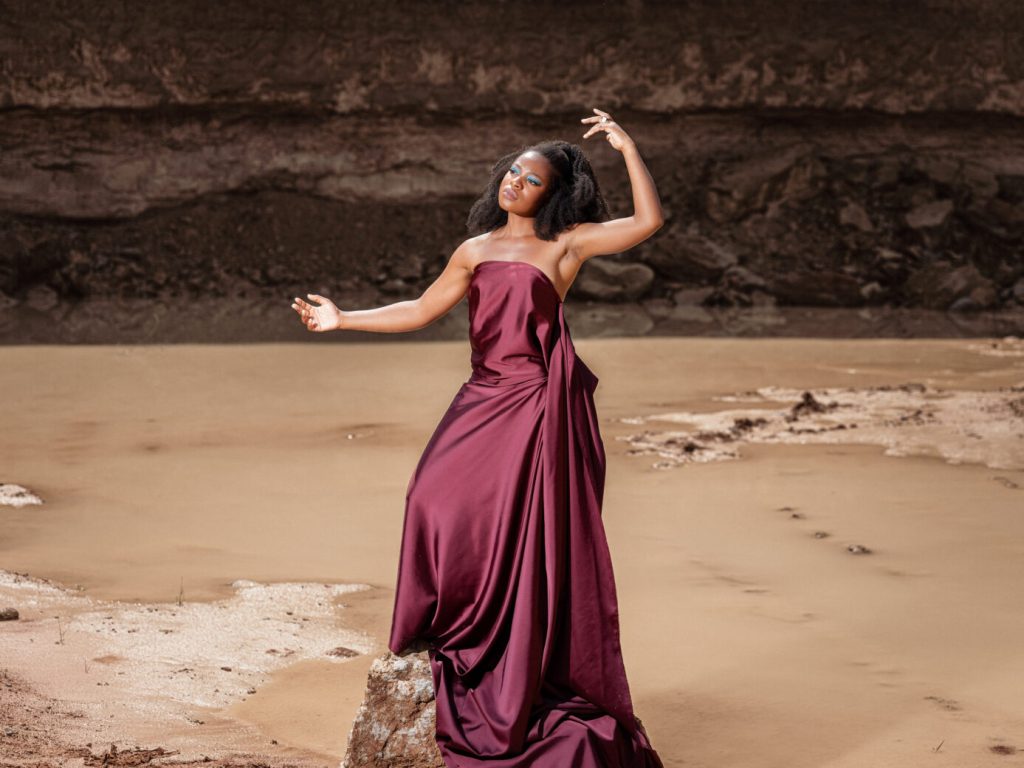
This new paradigm in music distribution has given rise to a diverse array of musical genres, rooted in Nigeria’s rich cultural tapestry. Through digital mediums, artists are not only sharing their art but also addressing social issues, articulating personal narratives, and fostering a global appreciation for the nuances of Nigerian culture. For instance, artists like Burna Boy and Wizkid have utilized these platforms to propel Afrobeats onto the global stage, infusing traditional African sounds with modern electronic beats to create an infectious rhythm that speaks to youth worldwide.
4. Community and Collaboration in Music Creation
Collaboration among young musicians is fostering dynamic communities rooted in shared creativity and mutual support. In cities like Lagos and Abuja, vibrant local music scenes serve as cultural incubators where artists come together to co-create, share resources, and innovate. This sense of community is vital, providing young musicians with a supportive environment to hone their craft and express their individuality.
Initiatives such as music workshops, open mics, and songwriting camps serve as platforms for artistic exchange where new ideas flourish. Through collaborative projects, these musicians collectively address themes that resonate with their generation, crafting songs that are reflective of their shared experiences and socio-cultural realities. Such interactions often lead to the formation of collectives and bands, further strengthening the bonds within the music community and extending their influence beyond borders.
3. Music as a Response to Socio-Political Challenges
Music in Nigeria frequently acts as a powerful form of protest and socio-political commentary. Young musicians are harnessing their talents to voice concerns and mobilize change, with the Afrobeats genre often at the forefront of this movement. Through their music, artists tackle intricate issues such as governmental policy failures, systemic corruption, gender inequality, and societal disillusionment.
A striking example of music’s role in social movements is its involvement in the 2020 #EndSARS protests, where artists used their platforms to draw attention to police brutality and advocate for reform. Songs became rallying cries, galvanizing youth and amplifying the movement’s message across the world. Through music, young Nigerians are affirming their roles as active participants in shaping their nation’s future, using lyricism to challenge the status quo and inspire action.
2. Music as an Emotional Outlet
For many young Nigerians, music is a therapeutic tool that offers comfort and solace amid life’s adversities. In a world often characterized by economic uncertainty and personal challenges, music becomes a sanctuary—a place where emotions can be explored and articulated safely. Engaging with music—whether through creation or consumption—enables youth to process their feelings, share their stories, and find communal empathy.
Nigerian music encompasses a range of genres, including highlife, hip hop, and gospel music, each offering unique narratives that capture the complexities of personal and collective experience. These genres serve as powerful vehicles for storytelling, with lyrics often reflecting joys, sorrows, and aspirations, resonating deeply with listeners who identify with the emotion behind the music. This shared emotional journey fosters a sense of belonging and understanding among peers.
1. Cultural Heritage and Identity Through Music
At the heart of Nigerian music is a deep-rooted connection to cultural heritage. For young Nigerians, music offers an opportunity to reclaim and celebrate traditional sounds and narratives in a rapidly globalizing world. By incorporating indigenous languages, rhythms, and instruments into modern music, young artists assert their cultural identities and inspire pride in their heritage.
This fusion of traditional and modern elements not only highlights the richness of Nigeria’s musical landscape but also challenges global audiences to appreciate cultural diversity. Whether through the rhythmic drums typical of African music or the lyrical tales in native dialects, young musicians are redefining what it means to be Nigerian, paving the way for future generations to do the same. This exploration of cultural roots stands as a testament to Nigeria’s enduring legacy and evolving identity.
In conclusion, the exploration of music as a personal and creative expression among Nigerian youth is a dynamic and evolving journey, reflective of their diverse experiences and aspirations. From leveraging digital platforms to addressing pressing socio-political issues and celebrating cultural heritage, music continues to serve as a potent medium for self-expression and change, capturing the imagination and spirit of youth across Nigeria and beyond.
| Category | Details |
|---|---|
| Cultural Identity | Music empowers young Nigerian girls to express their cultural background, demonstrating their rich heritage and traditions. |
| Personal Empowerment | Engaging in music allows young women to find their voice, assert their independence, and challenge societal norms. |
| Emotional Expression | Through music, they can convey emotions such as joy, sadness, and frustration, creating a safe outlet for self-exploration. |
| Community Building | Music fosters connections and solidarity among young girls, encouraging collaboration and the sharing of experiences. |
Music serves as a vital conduit for young Nigerian females to voice their cultural identity; through the rhythms and melodies that resonate with their experiences, they not only celebrate their heritage but also reclaim narratives that may have been marginalized. This reinvigoration of cultural expression is crucial in instilling a sense of pride, ultimately enriching the community’s cultural tapestry.Similarly, music acts as a catalyst for personal empowerment. The act of creating and performing music provides a platform for these young women to challenge restrictive social constructs, allowing them to craft identities that reflect their aspirations rather than societal expectations. As they navigate this creative landscape, they inevitably inspire peers and the broader community to reconsider the roles of women in society.Moreover, the emotional expression inherent in music is exemplary in its ability to articulate feelings that might otherwise remain suppressed. It offers young women an opportunity to delve into their emotional narratives, make sense of their personal struggles, and share their journeys with others, fostering a profound sense of understanding and empathy.Lastly, the communal aspect of music cannot be understated. By collaborating on musical projects, young Nigerian girls not only share their talents but also foster community building. These collaborative efforts lead to a supportive network where individuals uplift one another, creating lasting friendships and a collective identity among the youths, ultimately paving the way for societal change through united voices.
Frequently Asked Questions about Exploring Music as a Form of Personal and Creative Expression among Young Nigerian Women
What role does music play in the lives of young Nigerian women today?
The role of music in the lives of young Nigerian women is considerable. It serves not only as a source of entertainment but, more crucially, as a medium for self-expression and identity formation. Through music, many young women find a voice to share their personal stories, cultural backgrounds, and societal views. This art form provides an avenue for them to convey emotions and thoughts that may not easily translate into words, fostering a deeper understanding of their experiences and aspirations.
How do cultural influences impact the musical expressions of these young women?
Cultural influences greatly shape the musical expressions of young Nigerian women. Nigeria’s rich and diverse heritage, with its multitude of ethnic groups and traditions, provides a vast tapestry of sounds and rhythms. These cultural elements often find their way into the music, with artists incorporating traditional instruments and local dialects to craft unique pieces. These infusions of cultural heritage into modern music not only highlight their origin but also act as a bridge connecting the past with the present, offering a profound way to express both individual and collective identities.
What challenges do young Nigerian women face in pursuing music as a form of expression?
Young Nigerian women encounter several challenges in using music as a form of expression. Societal expectations and traditional gender roles can sometimes limit opportunities for women to be seen as legitimate artists. Additionally, access to resources such as quality instruments, recording studios, and platforms for showcasing their work may be scarce. Despite these obstacles, many are leveraging digital platforms to share their music and gain recognition, using technology as a powerful tool to bypass some of these conventional barriers.
Are there any notable examples of young Nigerian women who have achieved success in the music industry?
Yes, there are several notable examples of young Nigerian women making waves in the music industry. Artists like Tems, who has gained international acclaim, exemplify how female musicians from Nigeria are breaking barriers and earning global recognition. Their success stories not only inspire upcoming artists but also challenge the status quo, paving the way for more women to explore music as a viable and rewarding career path.
How does music contribute to the personal development and empowerment of young Nigerian women?
Music significantly contributes to the personal development and empowerment of young Nigerian women by providing a platform for self-discovery and confidence building. Engaging in music can be empowering, offering a sense of agency and control over one’s narrative. It encourages creativity, resilience, and determination, skills that are transferrable to other areas of life. Furthermore, being part of a musical community can provide invaluable support and mentorship, reinforcing the belief in one’s abilities and potential.
Conclusion: The Resounding Impact of Music on Nigerian Youth
In exploring the profound connection between music and personal expression among young Nigerian women, the article highlights the power of music as a tool for individual and collective identity. Through music, these women navigate the cultural dynamics of their society, embracing their creative talents while challenging traditional norms. The article has underscored the role of music not only as a pastime but as a potent medium through which these young women articulate self-awareness, resilience, and aspirations.
The journey of Nigerian youth in the world of music vividly illustrates their quest for a voice in an ever-evolving society. By leveraging both traditional African sounds and contemporary global influences, they carve pathways that reflect their unique cultural narratives. Their involvement in music facilitates a deeper understanding of their heritage and offers an avenue to influence change and promote gender equality.
Music, as depicted, becomes a merging of personal experiences and communal heritage, allowing Nigerian women to express emotions and thoughts that might otherwise remain unspoken. Furthermore, the article shines a spotlight on the vibrant music scene in Nigeria that supports and encourages young talent, highlighting the opportunity for these artists to impact locally and globally.
The Path Forward
Addressing the challenges these young musicians face, such as societal constraints and limited access to resources, the article calls for expanded support structures to nurture this creative expression. The contribution of Nigerian women to the music industry stands as a testament to the transformative power of music. This exploration of music as a form of personal and creative expression among young Nigerian women not only enriches our understanding of their world but also inspires a broader appreciation for the creative potential in each individual. Music, therefore, emerges as a crucial avenue for the empowerment of these young artists, promoting both personal growth and social change.