Designing for Simplicity: Architecture and Interior Design Focused on Space Optimization
Understanding Space Optimization in Modern Design
As urbanization continues to shape our towns and cities, space optimization within architecture and interior design has emerged as a critical necessity. With more people living in compact urban settings, architects and designers face the task of creating environments that not only meet functional demands but also enhance the quality of life. The principle of designing for simplicity prioritizes efficiency and aesthetic appeal, allowing for spaces that are peaceful, practical, and inspiring.
One foundational aspect of this design philosophy is the embrace of minimalistic design. By utilizing clean lines and uncluttered spaces, designers cultivate an atmosphere of calmness and tranquility, which can be particularly beneficial in bustling urban environments. For example, the renowned architect Tadao Ando illustrates this concept in his residential projects, where the beauty of simplicity is achieved through an intentional use of materials and spatial organization. This minimalism does not equate to minimal functionality; rather, it establishes a sense of order that can lead to a more harmonious living or working experience.
In line with this philosophy, the use of multi-functional furniture has become increasingly popular, especially in smaller apartments where space is at a premium. Examples include sofa beds, extendable dining tables, and ottomans with storage compartments. These versatile pieces enable residents to maximize their living areas without sacrificing comfort. Companies such as IKEA have tapped into this trend by creating designs that are affordable yet stylish, promoting sustainability alongside functionality.
Another fundamental element of space optimization is the creation of thoughtful layouts. A well-designed layout not only enhances the flow within a space but also promotes accessibility and ease of movement. For instance, in the realm of commercial design, open floor plans have been widely adopted to encourage collaboration and facilitate interaction among employees. These areas, when paired with strategic lighting and greenery, can transform the workplace into an inspiring environment that boosts productivity.
As designers increasingly integrate innovative techniques such as open floor plans and natural light integration, the feel of spaciousness can be achieved even in smaller confines. Large windows and skylights invite the outdoors in, creating a seamless transition between inside and out, which not only visually enlarges a space but significantly enhances its ambiance. A well-known example resides in the Loft Building in New York City, where large industrial windows juxtaposed with modern interior design create a uniquely airy and spacious ambiance, despite the building’s compact footprint.
In summary, as we explore the principles of space optimization, it is evident that this design philosophy transcends mere aesthetics; it represents a vital evolution in how we conceptualize and inhabit our living and working spaces. By adopting effective strategies rooted in minimalism, multi-functionality, and thoughtful layouts, designers are not just responding to current trends but are actively shaping a sustainable, harmonious future. Dive into this exploration with us to discover compelling case studies and innovative solutions that epitomize the art of designing for simplicity.
Exploring Minimalism: The Heart of Space Optimization
At the core of designing for simplicity lies the concept of minimalism, which transcends aesthetic appeal to promote a lifestyle that is both functional and serene. This design philosophy not only minimizes visual clutter but also embodies a mentality that values quality over quantity. As urban dwellers seek to balance the demands of modern life with the need for solace, minimalistic spaces offer a sanctuary where essential elements take precedence, allowing for mindfulness and tranquility in everyday routines.
A striking aspect of minimalism is its ability to foster emotional connections with spaces. Instead of overwhelming stimuli, minimalist designs prioritize a select few elements that resonate deeply with the occupant. This approach can manifest in various forms, such as the clever use of negative space, which encourages the eyes to rest and the mind to breathe. Breathtaking examples extend across architecture, from the sleek wooden structures of Kengo Kuma to the airy, open designs of Richard Meier, emphasizing the beauty inherent in simplicity and transparency.
The Role of Functionality in Minimalist Spaces
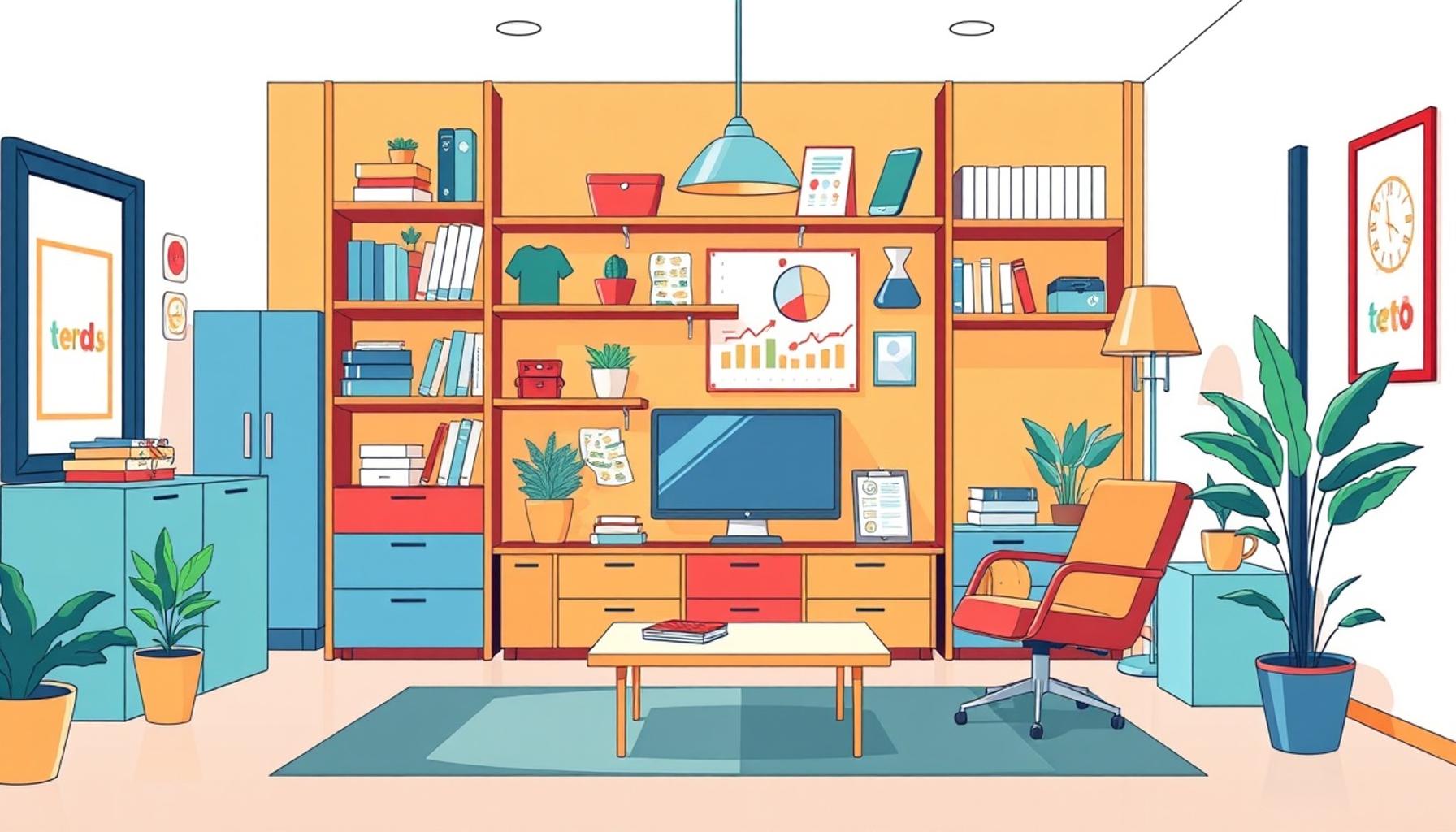
Functionality is a key player in successful minimalistic design. By incorporating options that serve multiple purposes, designers can effectively maximize available space. Consider the following elements that embody this philosophy:
- Built-in storage solutions: Utilizing walls for cabinets and shelves can eliminate the clutter often associated with traditional furnishings while maintaining an appealing aesthetic.
- Convertible spaces: Room dividers that can be opened or closed allow residents to adjust the functionality of their environment according to their needs, whether it be for work or leisure.
- Innovative lighting: Natural light plays a crucial role in minimalist design, and implementing well-placed lighting fixtures or using light wells can enhance a sense of space without overwhelming the senses.
The impact of these elements goes beyond mere functionality; they create a dialogue between the occupant and their environment. It’s particularly relevant in regions of the United States where space is often at a premium, such as in bustling metropolitan cities like New York or San Francisco. Here, the need for design solutions that respect both space and individuality is more pressing than ever.
Psychological Benefits of Minimalistic Design
In addition to optimizing physical spaces, the psychological advantages of minimalistic design cannot be overlooked. Research indicates that clutter can lead to heightened stress and anxiety, while a more streamlined environment fosters clarity and focus. For instance, office designs that embrace minimalism show significant improvements in employee productivity and wellbeing, a concept backed by studies highlighting the detrimental effects of cluttered workspaces on concentration and stress levels.
Moreover, as designers craft spaces that incorporate the principles of simplicity and minimalism, they inherently encourage a shift towards sustainable living. By reducing excess and promoting quality materials, architects and interior designers play a vital role in minimizing the ecological footprint of their projects while providing lasting, adaptable spaces.
The exploration of space optimization through minimalism not only represents an architectural trend but a transformative approach to how we live, work, and connect with our surroundings. By understanding the principles at play, designers can promote spaces that resonate with the elegance of simplicity while enhancing functionality and emotional wellbeing.
| Advantages | Details |
|---|---|
| Enhanced Functionality | Space optimization leads to layouts that maximize usability for daily activities, creating a seamless flow in design. |
| Improved Aesthetics | Simplicity in design promotes a clean look, making interiors appear more spacious and welcoming. |
| Sustainability | Utilizing materials and layouts that focus on minimalism helps reduce waste and fosters eco-friendly practices. |
| Adaptability | A simplified design enables spaces to be easily reconfigured for various uses or trends over time. |
The theme of “Designing for Simplicity: Architecture and Interior Design Focused on Space Optimization” speaks to an essential aspect of modern living. In densely populated urban environments, the need for effective space utilization becomes paramount, particularly as living spaces shrink and functional requirements evolve. By prioritizing simplicity, designers can craft areas that not only meet practical needs but also enhance emotional well-being. Incorporating elements like built-in storage, multi-functional furniture, and open designs fosters a sense of openness. The balance between aesthetics and functionality, particularly in interior spaces, allows for a tranquil atmosphere, ultimately resulting in improved quality of life. This focus also emphasizes sustainability, as choosing fewer, high-quality materials fosters environmentally responsible practices. As trends shift towards minimalism, the movement towards space optimization continues to gain traction, inviting a broader audience to recognize the profound benefits of simplicity in design.
Spatial Strategies for Enhanced Living
As urban living spaces grow increasingly compact, innovative spatial strategies emerge, illustrating how architecture and interior design can optimize rather than constrain. Living in smaller environments does not equate to sacrificing comfort or style; instead, it demands creative solutions that harmonize both functionality and aesthetics. The integration of smart design approaches can transform ordinary spaces into extraordinary experiences.
Multi-Functional Furniture: The MVP of Space Optimization
One of the most fascinating developments in space optimization is the rise of multi-functional furniture. This trend has gained traction, especially in cities where every square foot counts. From Murphy beds that seamlessly fold away to dining tables that double as office spaces, these versatile pieces are designed to adapt to various activities throughout the day. For example, the popularity of transformable sofas that can convert into guest beds illustrates a growing preference for flexibility. These innovative solutions not only allow residents to maximize their limited square footage but also promote a lifestyle that is dynamic and responsive.
Furthermore, designers are increasingly incorporating pieces with built-in storage, such as ottomans or coffee tables with compartments, which further minimize visual clutter while maximizing usability. The Scandinavian design ethos, known for its minimalism and functionality, continues to influence American interior aesthetics, showcasing the effectiveness of blending form and practicality.
Open Floor Plans: Emphasizing Flow and Light
Another hallmark of contemporary space optimization is the use of open floor plans. By eliminating unnecessary walls, designers create fluid transitions between living areas, allowing natural light to flood through the entire space. Such designs promote a sense of connectivity, inviting social interaction while presenting opportunities for varied functionalities within one large area.
For instance, in urban lofts and modern high-rise apartments, open layouts often accommodate kitchens that flow into living spaces, enabling homeowners to entertain guests while preparing meals. This layout not only encourages togetherness but also contributes to a perception of greater space, an invaluable asset in dense urban environments.
The Integration of Nature: Biophilic Design
The connection between architecture, interior design, and nature is increasingly becoming a priority in designing for simplicity. Biophilic design, which emphasizes the incorporation of natural elements, enhances the quality of living spaces and reinforces a sense of calm. Large windows, green walls, and indoor gardens are examples of how designers can facilitate a harmonious coexistence between the natural and built environments.
Incorporating plants and natural materials, such as wood and stone, not only improves aesthetics but can also contribute to better indoor air quality, thereby promoting overall health and well-being. Studies show that environments enriched with greenery can significantly reduce stress and improve mood, making them essential components of minimalist and optimized design.
Technology-Driven Solutions: Smart Living Spaces
The advent of smart technology is revolutionizing how we think about space usage. Integration of smart home devices facilitates energy efficiency and enhances convenience, ultimately contributing to a less cluttered and more organized environment. For example, smart thermostats and energy-efficient lighting systems allow users to manage their home’s energy consumption with minimal effort. These features not only support sustainable living but also underscore a modern minimalistic approach where technology seamlessly complements simplicity.
As we delve deeper into the realm of space optimization, it is evident that the principles of minimalism extend far beyond visual simplicity. They reflect a growing awareness of how thoughtful designs can profoundly influence both individual and collective experiences, forging connections between architecture, the occupants, and the environment. A movement toward simplicity, when guided by innovative strategies, presents an exciting opportunity to redefine living spaces for the better.
Conclusion: The Future of Space Optimization in Design
In a world where space is becoming a luxury, designing for simplicity emerges as a beacon of hope for maximizing both functionality and aesthetic appeal. The integration of multi-functional furniture, the embrace of open floor plans, and the infusion of nature through biophilic design all play crucial roles in transforming compact living environments into areas of comfort and efficiency. Technology, too, has become an invaluable partner in this journey, with smart solutions that revolutionize not just how we live, but how we interact with our spaces.
The pursuit of optimization does not merely reflect a trend; it encapsulates a profound understanding of human needs within the constraints of urban living. As homeowners increasingly seek creative solutions that allow for versatility without sacrificing style, designers are challenged to innovate continuously. This iterative process fosters an environment where collaboration between architects, interior designers, and inhabitants can lead to truly unique living experiences.
Ultimately, the shift toward simplicity and optimization carries significant implications for our lifestyle, health, and well-being. As we redefine our spaces through thoughtful design, we embrace a future where every square foot can be a source of inspiration and tranquility, making our homes not just places we live, but sanctuaries we cherish. The journey towards optimizing space is just beginning, and as these principles take root, one compelling question remains: how will you envision your own space in this evolving landscape?

Linda Carter is a writer and organization expert specializing in minimalism and personal organization. With extensive experience helping individuals create clutter-free, functional spaces and adopt mindful habits, Linda shares her knowledge on our platform. Her goal is to empower readers with practical advice and strategies to simplify their lives, stay organized, and achieve a sense of calm and balance in their daily routines.