Clutter Reduction and the Aesthetics of Space: How Simplicity Can Improve the Appearance of Your Home
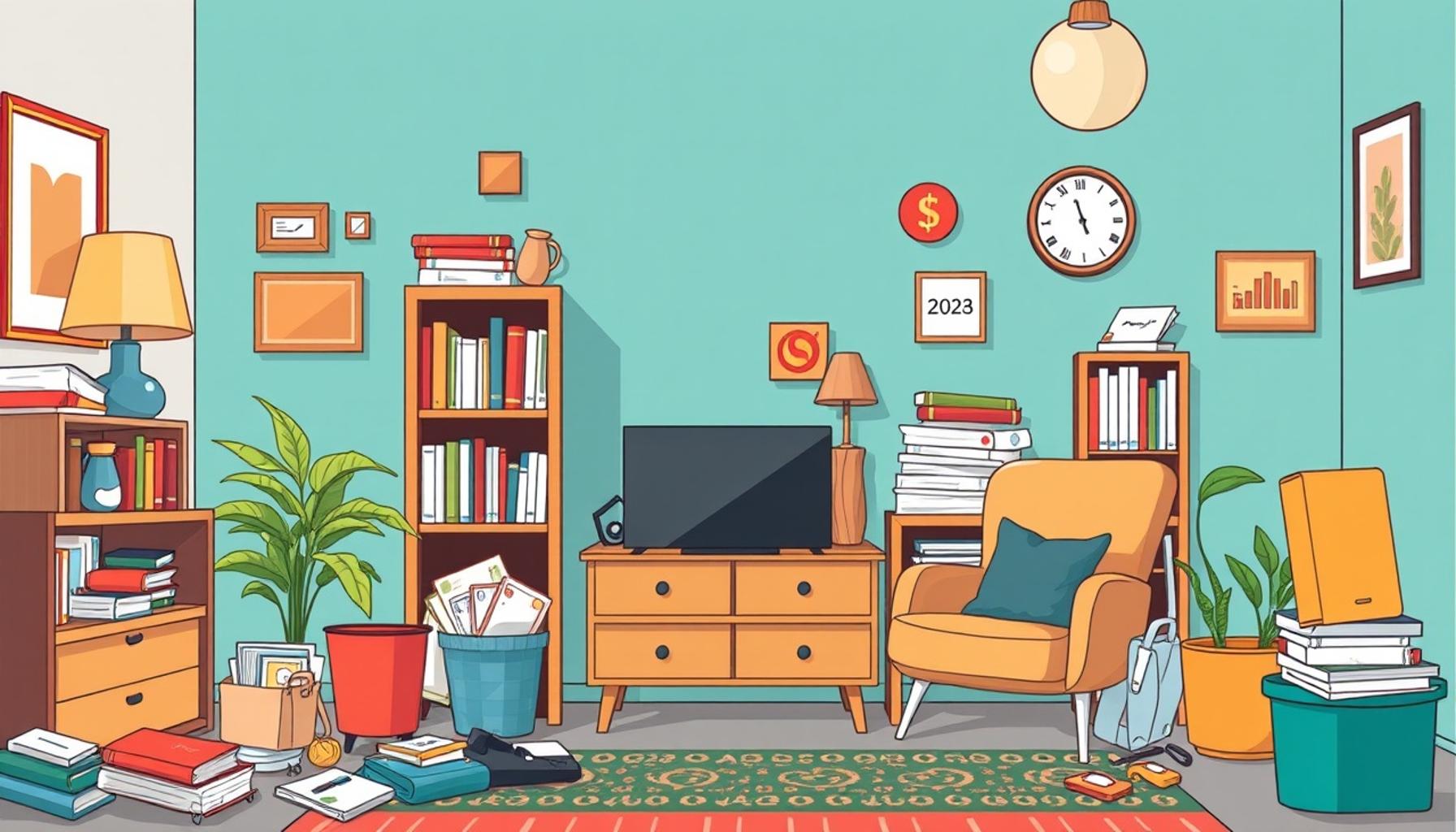
Understanding the Importance of Reducing Clutter
In today’s fast-paced world, accumulating clutter is almost inevitable. Our busy lifestyles often lead us to hold onto things that no longer serve a purpose, resulting in chaotic spaces that can impede our daily functioning. But have you ever considered how this clutter affects the overall aesthetics of your space? From visual distraction to heightened stress, the chaos surrounding us can dramatically alter our home environments, influencing everything from our mood to our productivity.
Reducing clutter can significantly transform not just your home’s appearance but also the way you feel in it. Here are a few key benefits of embracing simplicity:
- Enhanced Visual Appeal: A minimalist space often looks more polished and inviting. Think of popular home design trends such as Scandinavian minimalism, which emphasizes clean lines and natural light. By strategically selecting decor elements and removing excessive pieces, you can create a welcoming atmosphere that exudes sophistication.
- Improved Functionality: Clearing out unnecessary items can enhance the usability of your space. For instance, a clutter-free kitchen allows for easier meal preparation and a more enjoyable cooking experience. This functionality extends beyond kitchens; consider your workspace—removing distractions can honor your focus and maximize efficiency.
- Increased Calmness: A simplified environment promotes relaxation and reduces anxiety. Studies have shown that individuals in clean and organized spaces report lower levels of stress. Imagine returning home after a long day to a serene living room devoid of chaos; the difference can be remarkable in promoting a sense of peace and tranquility.
Consider the impact your surroundings have on your daily life. Whether you’re working from home, entertaining guests, or simply unwinding, the aesthetic quality of your space plays a crucial role. In fact, many people have found that embracing a clutter-free lifestyle not only improves their physical space but also encourages mental clarity. As you dive deeper into this article, you will uncover practical strategies for implementing clutter reduction and learn how it can cultivate a more harmonious home.
Incorporating strategies such as the “one in, one out” rule—where you let go of one item for each new one brought into your home—can be an attainable way to maintain simplicity. You can also schedule regular decluttering sessions to reevaluate your possessions, ensuring that only meaningful and useful items hold space in your home. Through these practical actions, the journey towards embracing simplicity will not only redefine your living environment but also foster a more productive and peaceful lifestyle.
The Transformative Power of Decluttering
The act of decluttering is not merely about tossing away items that seem extraneous; it is a profound shift in perspective towards how we interact with our surroundings. As the modern design movement leans increasingly towards minimalism, it’s crucial to grasp how simplifying our spaces can refresh the atmosphere of our homes. This evolution in lifestyle challenges us not only to rethink our possessions but also to consider how these possessions affect the aesthetics and functionality of our living environments.
One of the primary benefits of clutter reduction is that it fosters an inviting ambiance. Aesthetic appeal is rooted in the principles of balance, proportion, and unity, all of which can be achieved more readily in a streamlined space. Consider a zen-like approach, where every item has a purpose and a place. Imagine transforming your living room into a crisp, airy haven by embracing curated elements over chaotic accumulation. Well-placed furniture, open pathways, and thoughtfully selected decor can reflect a tailored style that ultimately enhances your home’s visual charm.
Moreover, a clean and organized space inspires creativity and enhances productivity. Whether it’s a home office stuffed with outdated papers or a cluttered kitchen overflowing with mismatched utensils, the environment we work in directly impacts our output. In a survey conducted by the National Association of Productivity and Organizing Professionals, 94% of people stated that they feel more productive in an organized workspace. By removing distractions, individuals can seize the opportunity to concentrate on their tasks effectively.
Reducing clutter can also contribute to a more serene atmosphere. Research indicates that visual chaos can lead to cognitive overload, heightening stress levels and reducing our ability to focus. Imagine stepping into an organized bedroom, the calming hues of the bedding perfectly accenting a well-arranged nightstand, devoid of excess clutter. The result? A tranquil retreat where relaxation is effortless. This serenity is much needed, particularly in today’s world where anxiety levels frequently spike.
- Emotional Connection: Simplifying your space allows you to cherish and maintain items with sentimental value rather than holding onto everything indiscriminately.
- Enhanced Safety: Clearing out unnecessary items can contribute to a safer living environment, reducing the risk of accidents in crowded spaces.
- Environmental Impact: Consuming less and being mindful about what you keep can lead to reduced waste, contributing positively to our planet.
As we delve further into the world of clutter reduction, it’s essential to recognize that simplification extends beyond physical items. It encompasses our mental approach to space and design. Embracing intentionality in our choices can evoke emotions, create moods, and elevate our everyday living experiences. In the following sections, we will explore actionable strategies to help you reclaim your home from chaos and restore harmony—setting the stage for a more simplistic, aesthetically pleasing lifestyle.
| Advantage | Description |
|---|---|
| Enhanced Visual Appeal | Simplicity leads to a fresh aesthetic, allowing architecture and design elements to stand out. |
| Improved Functionality | Less clutter means spaces can be utilized more effectively, promoting an easier flow through your home. |
The theme of clutter reduction goes beyond mere aesthetics; it triggers a profound impact on our psychological well-being. A well-organized and simplified environment can boost creativity and enhance focus, contributing to a more productive atmosphere. Moreover, minimalism in design often pairs with sustainable living practices, making it a multifaceted approach to modern decorating. Consider the example of a living room where open spaces and fewer furnishings allow the eye to rest, providing a breath of fresh air amidst daily chaos. Integrating multifunctional furniture can not only save space but also promote a sense of harmony in interior design. By purposely selecting fewer, high-quality items, you can invest in pieces that inspire joy and relaxation, thereby creating a sanctuary in your home. Embracing simplicity doesn’t just transform aesthetics; it also fosters mindful living, encouraging us to appreciate what we have instead of constantly seeking more. This powerful shift opens doors to a lifestyle that values quality over quantity, enhancing both personal space and overall well-being.
Creating a Cohesive Aesthetic Through Clutter Reduction
When it comes to establishing a harmonious atmosphere in our living spaces, cohesion is key. In the realm of interior design, cohesion refers to the way in which various elements work together visually, creating a sense of unity. A home filled with clutter often appears disjointed, lacking a common thread that ties everything together. By consciously reducing clutter, we create opportunities for our spaces to breathe and convey a more curated aesthetic. Each room has its own essence, and when extraneous items are removed, it becomes easier to highlight the unique features of each area.
A practical approach to fostering cohesion is to embrace a color palette that resonates throughout your home. A unified color scheme has the potential to transform disarray into sophistication. For instance, if your living room features a calming palette of blues and grays, incorporating similar tones in adjacent rooms—such as the kitchen and dining room—can enhance visual flow. This thoughtful choice not only elevates design appeal but also instills a sense of peace throughout your home, reflecting an intentional design that resonates with the principles of simplicity.
Moreover, the functional aspect of furniture and decor plays a pivotal role in decluttering while enhancing aesthetics. Multi-purpose furniture, such as a coffee table that doubles as storage, can help maintain neatness without sacrificing style. Similarly, strategically placed shelves can showcase curated collections or beloved books, allowing you to display your personality without overwhelming your space. These solutions ensure that every item serves a purpose, thus contributing to a serene and visually pleasing environment.
Decluttering also brings to light the importance of natural light in home design. It’s well-documented that natural light can enhance mood and promote well-being, yet a cluttered space often results in obstructed light sources. By streamlining furniture layouts and reducing visual barriers, you invite sunlight to fill your rooms, invigorating the atmosphere and making spaces feel larger and more inviting. Windows adorned with light, airy curtains instead of heavy drapes can further emphasize brightness and openness.
- Personal Expression: A simplified environment encourages personal expression, allowing unique pieces to shine without competition from excessive decor.
- Visual Impact: Each piece becomes a focal point, drawing attention and admiration rather than getting lost in the clutter.
- Space Perception: Simplification can alter the perception of space, making even small rooms appear more spacious and airy, thereby enhancing comfort.
In tackling clutter, it’s beneficial to adopt the KonMari Method championed by tidying expert Marie Kondo, which encourages individuals to keep only those items that “spark joy.” This process not only reduces clutter but also prompts a deeper reflection on our material relationships and what truly adds value to our lives. Such strategies not only alter our physical space but invite a profound transformation in our approach to home aesthetics and functionality.
As we explore further into the enriching journey of decluttering, it’s essential to remember that simplicity is not merely an aesthetic choice; it is a lifestyle philosophy that fosters mindfulness, creativity, and well-being. By inviting simplicity into our homes, we are taking deliberate steps toward crafting a living space that is both beautiful and a true reflection of ourselves.
Embracing Simplicity: A Path to Aesthetic Bliss
In conclusion, the journey toward clutter reduction offers profound benefits that extend far beyond mere aesthetics. By adopting a simplified lifestyle, we not only enhance the visual appeal of our homes but also cultivate a serene and inviting environment that promotes well-being. As discussed, the act of decluttering transforms our spaces into cohesive sanctuaries that celebrate individual style and functional design. With a deliberate focus on color palettes and multi-purpose furnishings, each room can resonate with clarity, allowing its unique features to shine.
Moreover, embracing natural light and mindful organization serves to create brighter, more inviting spaces that evoke happiness and tranquility. Every object and piece of decor becomes an intentional choice—each contributing to the overall harmony of our home. When we simplify, we also foster an atmosphere where personal expression thrives; cherished items have the space to be admired without the distraction of excess.
As we navigate this process of simplification, let us remember the teachings of methods like the KonMari Method, which encourage intentionality in our possessions and invite joy into our daily lives. By viewing clutter reduction as more than a chore, but rather as an opportunity for growth and reflection, we can transform our homes into true havens of relaxation and beauty.
Ultimately, the relationship we cultivate with our space speaks volumes about our lifestyle choices. Embracing simplicity in our environments can lead to a richer, more fulfilling existence; a home that not only looks aesthetically pleasing but feels warm, welcoming, and distinctly ours.