
Calm Spaces: Creating Minimalist Environments that Promote Mindfulness Practice
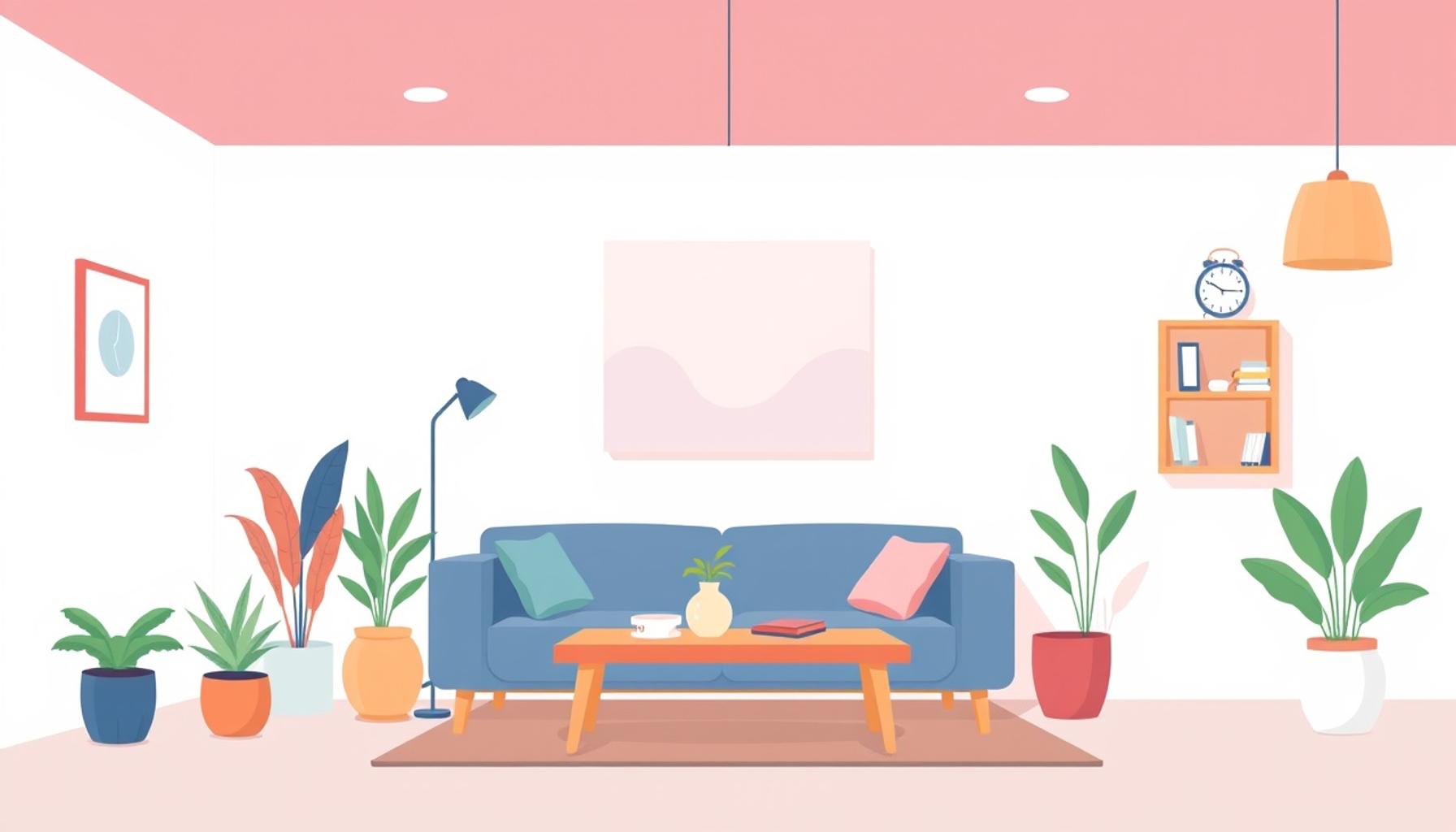
Embrace Simplicity for Mindfulness
In an era where overstimulation is the norm, cultivating spaces dedicated to tranquility has emerged as paramount in nurturing mindfulness. The principles of minimalism serve as a conduit for removing life’s complexities, enabling us to concentrate on what truly enriches our lives, ultimately paving the way for clarity and contentment. Within the confines of our homes lies the potential for achieving this serene state, turning everyday living into an exercise in mindfulness.
Key Features of a Minimalist Environment
A minimalist environment is characterized by several defining features that together foster an atmosphere conducive to mindfulness:
- Decluttered Spaces: A clean and organized area can significantly reduce mental distractions. When our surroundings are free from clutter, our mind is better equipped to focus on important tasks or engage in reflective practices. For instance, a tidy workspace can lead to heightened productivity as there’s nothing competing for your attention.
- Natural Light: Sunlight not only brightens a space but also alleviates feelings of anxiety and depression. Studies have shown that exposure to natural light can boost mood and promote motivation. Strategically placing mirrors to reflect sunlight or choosing sheer curtains can enhance light flow, adding a layer of warmth to the atmosphere.
- Nature Elements: Infusing indoor spaces with plants can create a calming environment. Research has indicated that merely being around greenery can lower stress levels and enhance cognitive function. Simple additions like a spider plant or a small snake plant can improve air quality and contribute to a more peaceful ambiance.
Research supports the notion that minimalism can not only decrease anxiety but also elevate creativity and productivity. By carefully designing our surroundings, we lay the groundwork for an environment that actively encourages mindfulness. A well-thought-out space invites individuals to practice engaging in activities that foster self-awareness and relaxation, such as meditative reflection or yoga.
Methods to Create Calm Spaces
Embarking on your journey towards a more tranquil living space involves implementing specific strategies that align with minimalist principles:
- Choose a Neutral Palette: Soft, neutral colors such as whites, beiges, and gentle pastels can help create an inviting atmosphere while minimizing sensory overload. These hues not only promote relaxation but also provide a versatile backdrop that can seamlessly adapt to personal preferences over time.
- Limit Furniture: Reducing the number of furniture pieces in a space can create a noticeable sense of openness. Opting for multifunctional furniture can further enhance usability and minimize clutter, thus encouraging easy movement and a more fluid atmosphere.
- Incorporate Mindfulness Tools: Elements that promote mindfulness—like yoga mats, meditation cushions, or a dedicated corner for reading—can inspire individuals to engage more deeply with themselves. This curated approach to furnishing not only promotes functionality but also aligns the environment with personal wellness practices.
Through the implementation of these techniques, your living space can transform into a personal sanctuary—an ideal backdrop for mindfulness and self-reflection. As you embrace these principles of simplicity, let it guide you on a path toward greater serenity and self-awareness. By exploring and experimenting with these ideas, you may find that the journey toward minimalism not only enhances your external environment but also enriches your internal world.
DISCOVER MORE: Click here to learn about time blocking
Designing for Serenity: Practical Steps Towards Minimalism
Creating a calm space doesn’t need to be an elusive dream; it can be a tangible reality through practical design choices that prioritize simplicity and tranquility. By actively engaging in the process of curating your environment, you can foster a setting that not only nurtures mindfulness but also enhances your overall well-being. Here are some recommended steps to help you embark on this transformative journey:
- Establish a Decluttering Routine: Begin by evaluating your belongings. Holding onto items that no longer serve a purpose can weigh you down, mentally and physically. Aim to create a habit of regularly reassessing what you have. Implement the “one in, one out” rule: for every new item you bring into your space, consider letting go of one existing piece. This practice can ensure your environment remains simplified and manageable.
- Create Defined Areas for Different Activities: Zoning your space can help delineate various functions within a single room, such as work, relaxation, and mindfulness practices. By creating specific areas with a clear purpose, you can mentally transition to the appropriate activity. For example, a designated reading nook equipped with a comfortable chair and soft lighting signals your brain that it’s time to unwind and engage in reflection.
- Curate Meaningful Decor: While minimalism often implies stripping away excess, it doesn’t mean your space should lack character. Incorporate decor that holds personal significance and sparks joy—think of family photographs, cherished artworks, or souvenirs from meaningful experiences. These elements can serve as a reminder of positivity and connection, enhancing your overall mindfulness journey.
In addition to these practical tips, it’s essential to remember that the process of creating a minimalist environment is deeply personal. Each individual has unique needs and preferences that will shape their calm spaces. Conducting regular evaluations of what items or elements contribute to your sense of peace can empower you to craft a sanctuary that genuinely resonates with you.
The Power of Sound in Minimalist Spaces
Another aspect of designing for mindfulness often gets overlooked: sound. Your environment’s auditory landscape plays a significant role in your ability to concentrate and engage in mindfulness practices. Consider the following:
- Moderate Noise Levels: Aim for a quiet atmosphere that allows for introspection. If your area is prone to noise pollution, soundproofing techniques, such as heavy drapes or acoustic panels, can significantly enhance your comfort.
- Incorporate Sound Elements: Introduce soothing sounds from nature or gentle instrumental music to elevate your mindful practices. The calming effects of flowing water, rustling leaves, or even soft chimes can create an auditory backdrop that encourages relaxation and focus.
- Silence as a Tool: Embrace periods of silence. In a world filled with distractions, cultivating moments of stillness can enhance your mindfulness practice, allowing for deeper reflection and clarity.
Ultimately, the goal of creating calm spaces is to establish environments that promote mindfulness and self-awareness. By integrating these methods and focusing on the elements that resonate with you, your living space can become a bastion of tranquility—a retreat from the fast pace of daily life that invites you to pause, reflect, and simply be.
| Advantage | Description |
|---|---|
| Enhanced Focus | A minimalist environment reduces distractions, allowing for improved concentration during mindfulness practices. |
| Emotional Clarity | Clean and simple spaces promote calmness which can lead to better emotional regulation and mental clarity. |
The significance of creating Calm Spaces cannot be underestimated in an age filled with constant distractions and noise. The organized simplicity and serene aesthetics allow individuals to easily transition into a state of mindfulness. In these minimal environments, attention can be directed inward instead of being muddled by clutter and chaos. Moreover, mindfulness practice benefits greatly from intentional designs that facilitate deeper awareness. For example, opting for natural light and soft, muted colors can have a profound effect on mood and outlook. These fundamental changes not only cater to an aesthetically pleasing atmosphere but also intrinsically motivate individuals to engage fully in their mindfulness journeys. By investing time and thought into your surroundings, you can cultivate a space that is not just visually relaxing but also a catalyst for personal growth and mindfulness. Exploring this relationship between environment and mental wellbeing unveils potential avenues for anyone seeking balance in their life.
DISCOVER MORE: Click here to dive deeper
Harnessing the Influence of Color and Light
In minimalist environments, the interplay of color and light can profoundly impact your mood and mindfulness practice. Choosing the right color palette can evoke feelings of calm and positivity, while the strategic use of lighting can enhance your ability to focus. Here are essential considerations for optimizing color and light in your calm spaces:
- Opt for Soothing Colors: Soft, muted colors such as pastel blues, greens, and grays promote relaxation. Research in color psychology suggests that these hues can reduce stress and foster a sense of serenity. When selecting colors for your walls or decor, consider how they make you feel—ideally, they should contribute to a peaceful atmosphere.
- Incorporate Natural Light: Natural light is essential for mental well-being. It can heighten your mood and improve focus, making it a critical aspect of your mindfulness practice. Arrange your furniture in a way that optimizes daylight exposure and consider using sheer window treatments to allow sunlight while minimizing distractions.
- Utilize Layered Lighting: Effective lighting involves more than just overhead fixtures. Incorporating layered lighting—ambient, task, and accent lights—can create variations in brightness that cater to different activities. For example, soft lamps or candles can facilitate a cozy atmosphere for meditation, while brighter lights can enhance productivity during work sessions.
Connecting with Nature: Biophilic Design
Bringing nature indoors is another vital element in creating calm spaces that enhance mindfulness. The concept of biophilic design emphasizes the connection between nature and well-being, encouraging environments that synthesize indoor and outdoor experiences. Consider incorporating these elements:
- Indoor Plants: Adding greenery not only purifies the air but also creates a sense of tranquility. Plants such as snake plants, pothos, and succulents are low-maintenance options that can liven up a minimalist space, giving it a fresh and organic look.
- Natural Materials: Incorporate natural materials such as wood, stone, or bamboo into your decor. These textures promote a sense of calm and grounding, helping you connect with the natural world even while indoors. Furnishings made from sustainable or reclaimed materials can also resonate with the minimalist ethos.
- Views of Nature: If possible, ensure that your calm space has views of greenery or outdoor settings. The sight of trees, gardens, or water features can enhance your overall environment and nurture a mindfulness practice by inviting a sense of openness and lightness.
As you explore the principles of color and light, alongside natural elements, remember that the key lies in creating a harmonious balance that resonates with your personal preferences. The relationship between your surroundings and your state of mind should be synergistic, paving the way for an enriching mindfulness experience.
DISCOVER MORE: Click here to dive deeper
Conclusion: Embracing Calm Spaces for Mindfulness
In a world that often feels chaotic and overwhelming, the concept of calm spaces serves as a sanctuary for mindfulness practice. By focusing on minimalist environments that prioritize simplicity and tranquility, you can create an atmosphere that fosters deeper connections with yourself and the present moment. The essential elements discussed—such as the conscious use of color and light, integration of natural elements, and thoughtful layout—work synergistically to cultivate a space where relaxation and focus can thrive.
As you implement these design strategies, consider how each aspect resonates with your personal mindfulness journey. Are the colors in your space invoking a sense of peace? Is your lighting enhancing your meditative practice? By engaging deeply with your environment, you can transform your surroundings into a nurturing backdrop that amplifies your pursuit of mindfulness. Additionally, embracing sustainable and biophilic design principles not only enriches your experience but also fosters a greater connection to the natural world.
Ultimately, the goal is to create a harmonious blend of aesthetics and function in which your mindfulness practice can flourish. Whether it’s through minimalist furniture choices, natural light optimization, or the inclusion of indoor plants, the possibilities are extensive. As you embark on this journey to design your calm space, remember that the heart of mindfulness lies in the present moment—so make every detail count, and watch as your newfound environment elevates your overall well-being.

Beatriz Johnson is a seasoned minimalist and writer with a passion for simplifying the complexities of personal organization and decluttering. With over a decade of experience in the field, she specializes in topics like minimalist living, efficient organization strategies, and creating intentional spaces. Through her work, Beatriz empowers readers to make mindful decisions about their belongings, streamline their lives, and embrace a more organized and fulfilling lifestyle.