The Art of Letting Go: How Personal Organization Contributes to Space Optimization

Understanding the Importance of Clutter-Free Living
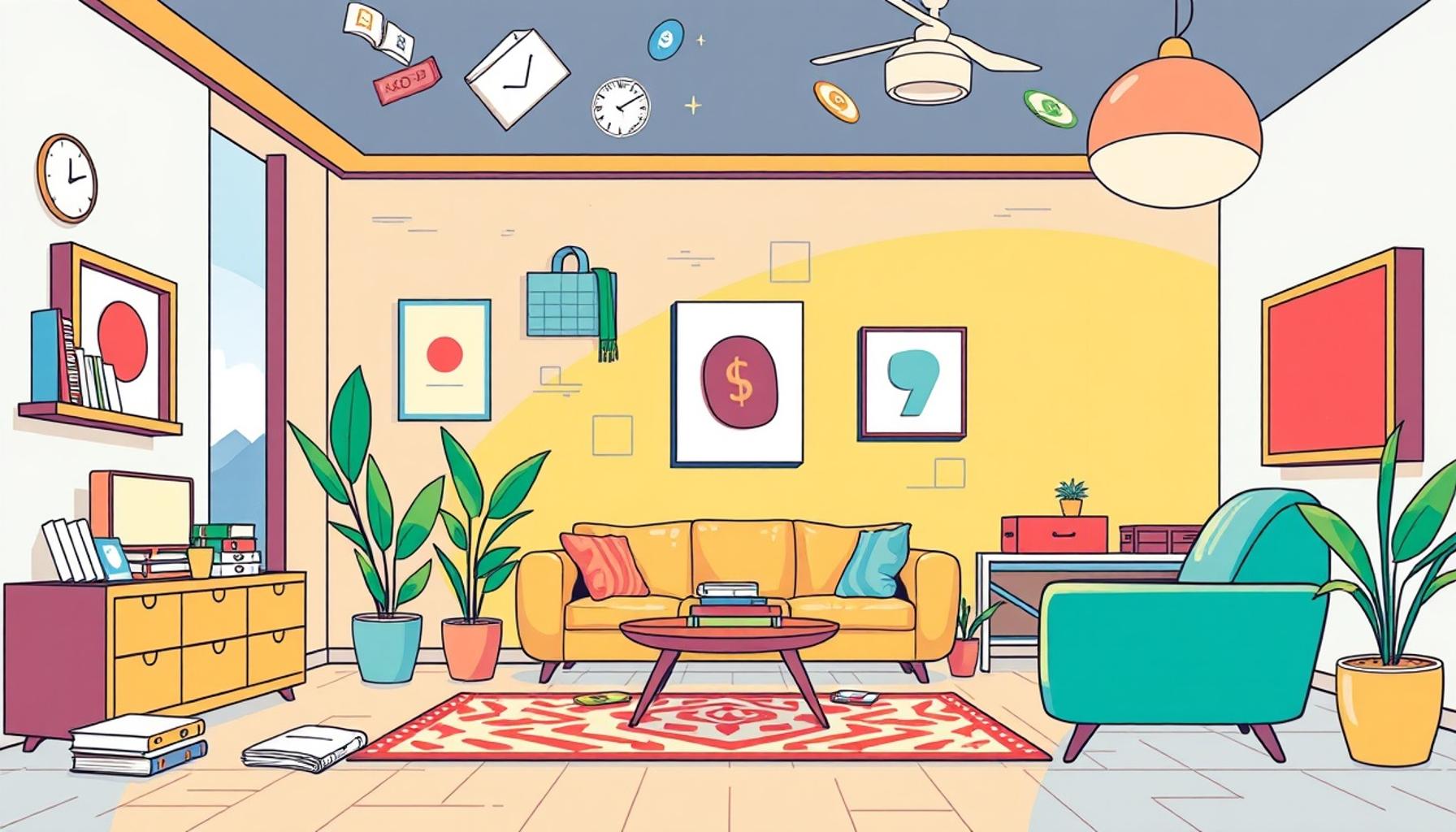
The struggle against clutter is a common challenge for many individuals. In a fast-paced world, understanding personal organization can significantly enhance not only our physical space but also our mental clarity. By mastering the art of letting go, we open doors to a more efficient and harmonious lifestyle.
Living in a cluttered environment can be overwhelming. According to a study by the National Soap and Detergent Association, 75% of Americans admit to being overwhelmed by clutter. This clutter can stem from various sources, such as a penchant for shopping, the accumulation of sentimental items, or simply the chaotic nature of modern life. By tackling the clutter, we can take significant strides toward emotional and practical benefits.
Consider these significant benefits of organizing your space:
- Enhanced Productivity: A tidy environment promotes focus and efficiency. Studies have shown that an organized workspace can lead to an increase in productivity by up to 20%. When distractions are minimized, we can devote our mental energy to important tasks.
- Improved Mental Health: Reducing clutter can decrease stress and anxiety levels. Research from UCLA found a direct correlation between chronic stress and the levels of clutter in one’s home. A clutter-free home creates a more serene atmosphere, which can lead to enhanced well-being.
- Space Optimization: Effective organization allows for better utilization of your home or office. By implementing clever storage solutions or simply decluttering, you can create an environment that feels larger and more inviting. This is particularly relevant in urban spaces, where every square foot counts.
In the United States, many people face the dichotomy of accumulating possessions while striving for a serene space. Whether it’s a home office overflowing with paperwork or a living room stuffed with unneeded knick-knacks, the challenge is real. Expanding on this, many individuals find themselves attached to items that hold personal history but serve no practical purpose. Recognizing when to let go can be difficult but ultimately liberating.
In this article, we will explore practical strategies and insightful tips for mastering personal organization. Expect to uncover the art of decluttering, methods to optimize storage, as well as routines to maintain an organized environment. For instance, adopting the Marie Kondo method of only keeping items that “spark joy” could be a transformative approach for many. By implementing these techniques, you can transform your surroundings and experience the benefits of a clutter-free life. Are you ready to discover how letting go can unlock new possibilities?
Ultimately, embracing clutter-free living is not just about reducing physical items; it’s about enhancing your quality of life, creating space for new experiences, and inviting clarity into your daily routine. With the right mindset and organization strategies, anyone can embark on this fulfilling journey towards a more streamlined existence.
Embracing the Art of Decluttering
Letting go of possessions is an emotional journey that many grapple with. The sentimentality attached to items can be formidable, making the concept of decluttering a daunting task. However, embracing this process not only aligns with personal organization principles but also catalyzes a transformation in how we utilize our spaces. Understanding what to hold onto and what to release is pivotal in this journey towards space optimization.
The first step in the decluttering process is self-awareness. It is essential to identify the motivations behind hoarding items. Are these belongings serving a purpose, or are they relics of the past holding us back? A study from the American Psychology Association highlights that emotional attachment can lead to clutter, making it critical to separate memory from utility. Reflecting on the role each item plays in your life can aid in making deliberate decisions about what truly deserves a place in your environment.
There are various methods to tackle clutter, but one widely acclaimed approach is the Four-Box Method. This technique involves categorizing items into four distinct boxes: Keep, Donate, Trash, and Relocate. This system not only simplifies the decluttering process but also provides clarity on each item’s significance. Below are insights into each category:
- Keep: Items that serve a functional purpose or hold significant emotional value should be retained. This category often includes daily essentials or key sentimental items.
- Donate: Possessions that no longer serve you may be invaluable to others. Consider donating clothing, furniture, or other items in good condition to local charities or shelters.
- Trash: Items that are broken, outdated, or unrepairable fall into this category. Reducing physical clutter involves recognizing what no longer is useful.
- Relocate: Sometimes, items simply need to find a more appropriate home. For example, seasonal decorations may be stored away until needed again. Proper categorization helps create logical organization.
Implementing a regular decluttering schedule is also vital. Experts recommend dedicating time weekly or monthly to assess your belongings. The popular cleaning trend, “Spring Cleaning,” is not just a seasonal chore; it can serve as an opportunity for annual reflection on personal items and their relevance. This not only brings freshness to your space but also clears out the mental fog associated with clutter.
Finally, the impact of seeing a clear space should not be underestimated. Many individuals report feelings of accomplishment and relief after letting go of unneeded belongings. This emotional freedom can pave the way for new opportunities, ideas, and experiences. By recognizing that you’re not just clearing space but also creating room for new possibilities, you will find that the art of letting go is ultimately a empowering journey.
The Art of Letting Go: How Personal Organization Contributes to Space Optimization
In today’s fast-paced world, the concept of letting go transcends beyond just decluttering physical spaces; it echoes throughout our mental and emotional landscapes. Embracing this art allows individuals to gain not only clarity and efficiency but also serenity in their surroundings. As we delve deeper into the relationship between personal organization and space optimization, it becomes evident that organizing isn’t merely about tidiness—it’s about creating a sanctuary where one can thrive.
Modern living often results in overwhelming accumulation, whether it be in our homes, workplaces, or digital domains. When individuals practice effective personal organization, they identify what is essential and what can be relinquished. This leads to not just visual appeal but tangible benefits, including improved focus and reduced stress, as a calmer environment fosters creativity and productivity.
The process of letting go can also include digital organization: streamlining emails, decluttering desktops, and managing files systematically. In this digital age, enhancing virtual spaces is just as vital as caring for physical environments. Recognizing this interconnectedness reinforces the value of thorough organization as a holistic practice.
Furthermore, studies reveal that maintaining an organized space can enhance one’s mood and overall well-being. The act of decluttering, both physically and mentally, can be seen as a form of self-care, allowing for the release of old habits that no longer serve our aspirations. With a clear mind and organized space, individuals equip themselves with the potential to pursue new opportunities and personal growth.
| Advantage | Description |
|---|---|
| Enhances Productivity | With a less cluttered environment, focus on tasks improves significantly. |
| Improves Mental Clarity | A well-organized space leads to reduced anxiety, allowing for clearer thoughts. |
Ultimately, the journey of personal organization through the art of letting go is a transformative one. It not only redefines our physical environments but also impacts our mindsets, creating pathways for personal and professional development. As more individuals embrace these practices, the potential for innovation and sustainability grows, contributing to a resourceful society.
Creating Intentional Spaces
Once the decluttering process is underway, the next significant step toward space optimization is creating intentional spaces within your home. Personal organization is not merely about reducing the number of items you own; it’s about arranging what remains in a way that enhances your day-to-day life. This concept can be applied to any area in your home, from kitchens to bedrooms, ensuring that every square foot serves a purpose.
To begin, consider the 18-Category Decluttering System, a comprehensive approach popularized by organizing expert Marie Kondo. This method encourages individuals to evaluate possessions in categories such as clothing, books, papers, and sentimental items. By assessing items in groups, it becomes easier to identify redundancies and make informed decisions about what remains. Through this lens, each space can be curated thoughtfully. For instance, if you notice an excess of dishes, perhaps it’s time to lighten the load and only keep those that reflect personal style or utility.
In addition, the use of storage solutions can greatly aid in organization and space optimization. Clear containers, shelving units, and drawer dividers offer the functionality needed to maintain an orderly environment. When everything has a designated spot, the likelihood of clutter accumulating diminishes significantly. This method can be especially effective in shared living spaces where multiple individuals have varying habits concerning organization.
- Vertical Space Utilization: Don’t overlook the potential of your walls. Floating shelves or wall-mounted hooks can dramatically expand storage options without occupying precious floor space, enhancing the overall aesthetic of your home.
- Zone Designation: Create “zones” in your home for different activities. For instance, clearly defined areas for work, relaxation, and hobbies prevent clutter bleed-over between spaces, maintaining a sense of clarity and focus.
- Multi-Functional Furniture: Consider investing in furniture that serves multiple purposes, such as a coffee table that doubles as storage or a sofa bed. These versatile pieces maximize utility while minimizing clutter.
Another aspect of creating intentional spaces involves the concept of mindful consumption. Before making any new purchases, ask yourself whether the item will enhance your life or simply add to potential clutter. Practicing intentionality not only contributes to a tidy environment but cultivates a mindset of appreciation for what you already possess. As part of this journey, many find the “30-Day Minimalism Challenge” effective—where one eliminates one item on the first day, two on the second, and so forth through the month, eventually leading to a formidable collection of items thoughtfully released.
Digital organization can also play a crucial role in space optimization. In this digital age, many belongings exist in electronic formats, yet poorly managed digital clutter can be just as stifling. Organizing files into folders on your computer, unsubscribing from unwanted emails, or using cloud services can free up digital space and simplify your virtual environment, promoting a smoother workflow.
Ultimately, the task of creating intentional spaces transcends mere aesthetics—it’s about enriching your life and fostering a home that inspires clarity and productivity. By aligning personal organization principles with proactive space management, you pave the way for a harmonious living environment that not only reflects but enhances your lifestyle.
Conclusion
In a world brimming with possessions, mastering the art of letting go is essential for creating environments that foster peace and productivity. As we’ve explored, personal organization goes beyond mere decluttering; it encompasses the thoughtful curation of spaces, intentional consumption, and clever storage solutions that work to optimize every inch of our homes.
By employing techniques such as the 18-Category Decluttering System and embracing mindful consumption, we empower ourselves to make choices that enhance our surroundings and clear our minds. Organizing not just physical spaces but also digital ones can result in improved efficiency and a sense of control over our lives. As you embark on this journey, remember that each item you choose to keep or release holds a story and purpose. Understanding this connection allows for a more profound appreciation of your belongings, ensuring that, in the end, each space reflects your values and lifestyle.
As you consider the importance of space optimization, remember that the true goal is to cultivate a home that not only houses your belongings but also actively supports your well-being. The result? An inviting and functional living environment that serves as a sanctuary of organization and clarity. By continually practicing these principles, you can transform your space into a reflection of your journey—a testament to how letting go not only frees up physical space but also opens the door to new possibilities and experiences.

Linda Carter is a writer and organization expert specializing in minimalism and personal organization. With extensive experience helping individuals create clutter-free, functional spaces and adopt mindful habits, Linda shares her knowledge on our platform. Her goal is to empower readers with practical advice and strategies to simplify their lives, stay organized, and achieve a sense of calm and balance in their daily routines.