Decluttering Strategies: How Reducing Items Contributes to Improved Spatial Organization
Understanding the Importance of Decluttering
In today’s fast-paced world, many people find themselves overwhelmed by the sheer volume of belongings vying for their attention. A cluttered space can lead to not only physical disorganization but also mental chaos. From overflowing closets to crowded countertops, the excess belongings can be a constant source of distraction and stress. Have you ever noticed how difficult it is to focus when surrounded by a chaotic environment? This is where effective decluttering strategies come into play—transforming your living space into a sanctuary of order and tranquility.
Implementing these strategies is not just about minimizing possessions; it’s about optimizing space and enhancing your overall well-being. Decluttering serves as a pathway to numerous benefits, leading to a more fulfilling lifestyle. Here are some key advantages associated with decluttering:
- Improved Focus: A tidy, organized space promotes better concentration and creativity. Studies have shown that individuals in organized environments are more likely to achieve their goals and engage in tasks without the cognitive overload that clutter can bring.
- Less Stress: Reducing visual clutter can lower anxiety levels. Less mess often translates to a more peaceful mindset. As Dr. Ellen Langer, a psychology professor at Harvard University, suggests, a clutter-free space helps foster a sense of control over one’s surroundings, which can significantly decrease stress.
- Increased Productivity: Organized environments can boost efficiency. When everything has a designated place, you spend less time searching for items and more time focusing on meaningful activities, whether it be work, hobbies, or spending time with loved ones.
Consider the impact of excess items in your home. Piles of clothes you haven’t worn in months, kitchen gadgets gathering dust, and shelves filled with unread books create a sense of inertia. Items accumulate over time, often forgotten or rarely used. By actively reducing belongings, you create opportunities for more functional and aesthetically pleasing arrangements. For instance, a decluttered kitchen can inspire more home-cooked meals as you reclaim counter space to prep food.
Moreover, downsizing not only leads to improved spatial organization but also encourages a lifestyle shift towards minimalism. This conscious approach to ownership fosters mindfulness in what we own and value, influencing both mental clarity and personal priorities. In the United States, where consumerism often drives purchases, embracing minimalism can align more closely with sustainable living practices, encouraging individuals to consider the life cycle of their possessions.
This article will explore practical decluttering strategies that will facilitate effective organization and enrich your living space. By adopting these techniques, you can not only enhance your physical environment but also promote a more intentional, fulfilled way of life.
Practical Decluttering Techniques to Transform Your Space
To fully embrace the benefits of decluttering, one must first employ effective strategies designed to reduce excess belongings without feeling overwhelmed. Implementing these decluttering strategies involves a combination of practical techniques and mindful decision-making. Below are several approaches that can help you reclaim your living spaces and enhance your spatial organization:
- The One-Year Rule: One of the simplest yet most effective rules for decluttering is to assess whether you’ve used an item in the past year. If it hasn’t been utilized in that timeframe, consider donating or selling it. This method encourages a more intentional approach to ownership, helping to eliminate items that may no longer serve a purpose in your life.
- Structured Sorting: Create designated boxes for different categories such as keep, donate, sell, and recycle. By visually separating items, it becomes easier to make decisions about what to retain. This method not only streamlines the process but also helps in recognizing the emotional value attached to possessions versus their practical necessity.
- Room-by-Room Focus: Instead of tackling your entire home at once, consider focusing on one room or area at a time. This method prevents feeling overwhelmed and allows for a more thorough evaluation of belongings in a specific context. For instance, start with the bedroom—decluttering clothes, shoes, and accessories can lead to a more restful environment.
- The 30-Day Minimalism Game: Engage in a fun and competitive way to declutter by eliminating a specific number of items each day for 30 days. On day one, discard one item; on day two, two items, and so forth. This game not only makes decluttering feel more manageable but also motivates you to think critically about your possessions by the end of the month.
As you embark on your decluttering journey, remember that the goal is not just about reducing items but also enhancing your spatial organization. For instance, in an organized closet, clothing is easily accessible, allowing for quicker outfit selections and a more efficient morning routine. Similarly, a decluttered workspace can pave the way for heightened creativity and productivity.
Further, embracing the concept of feng shui can serve as a guiding principle for spatial organization. This ancient Chinese practice emphasizes the importance of balanced energy flow in our environments. By removing unnecessary items, you’re not merely creating a visually appealing space—you’re cultivating an environment where positive energy can thrive. Imagine a living room where you can host friends without feeling embarrassed by a pile of clutter. Such transformations invite connection, relaxation, and joy.
In the end, effectively utilizing these decluttering strategies can contribute to improved spatial organization, enriching both your physical surroundings and your overall mental well-being. Less clutter translates to clearer minds, making room for more meaningful experiences. So, let’s delve deeper into the practical steps you can take to embark on this transformative journey.
Exploring Decluttering Benefits
Implementing effective decluttering strategies not only streamlines your physical space but also significantly enhances emotional well-being and productivity. By reducing unnecessary items, individuals can experience a transformed environment that fosters clarity and focus. For many, the accumulation of belongings leads to a chaotic atmosphere, resulting in feelings of overwhelm and stress. However, embracing a minimalist approach can mitigate these feelings, paving the way for improved mental clarity. A study conducted by the Princeton University Neuroscience Institute found that physical clutter can actually inhibit your ability to focus. Therefore, by systematically removing redundant or non-essential items, you create a more serene environment conducive to concentration.Moreover, decluttering can instill a sense of accomplishment and control. This process encourages reflection on personal priorities, often leading to a more intentional way of living. With every item removed, there’s an opportunity to assess the significance of the remaining belongings—their functionality, value, and contribution to your lifestyle. Additionally, spatial organization plays a pivotal role in everyday efficiency. The more organized your space, the less time you spend looking for items, thus enhancing productivity. In a world where distractions are abundant, a well-structured environment allows for smoother transitions between tasks, leaving you more time for what truly matters.To share, here’s an interesting table exploring more about the advantages of decluttering:
| Category | Key Features |
|---|---|
| Enhanced Mental Clarity | Reduction of visual distractions contributing to improved focus. |
| Increased Productivity | Organized spaces lead to efficient task management and reduced time in searching for items. |
As you can see, the benefits of decluttering extend far beyond just organizing spaces. Understanding these advantages encourages individuals to take action, embark on their own decluttering journey, and cultivate environments that positively impact their lives. Through this exploration, you might find your own path towards improved spatial organization and a more fulfilling lifestyle.
Maximizing Your Space Through Strategic Decluttering
In addition to the previously mentioned decluttering strategies, enhancing your spatial organization can also entail establishing clear systems for managing belongings. The act of decluttering isn’t merely about getting rid of items; it’s about fostering lasting habits that facilitate ongoing organization. Below are advanced tactics to consider as you refine your living environment:
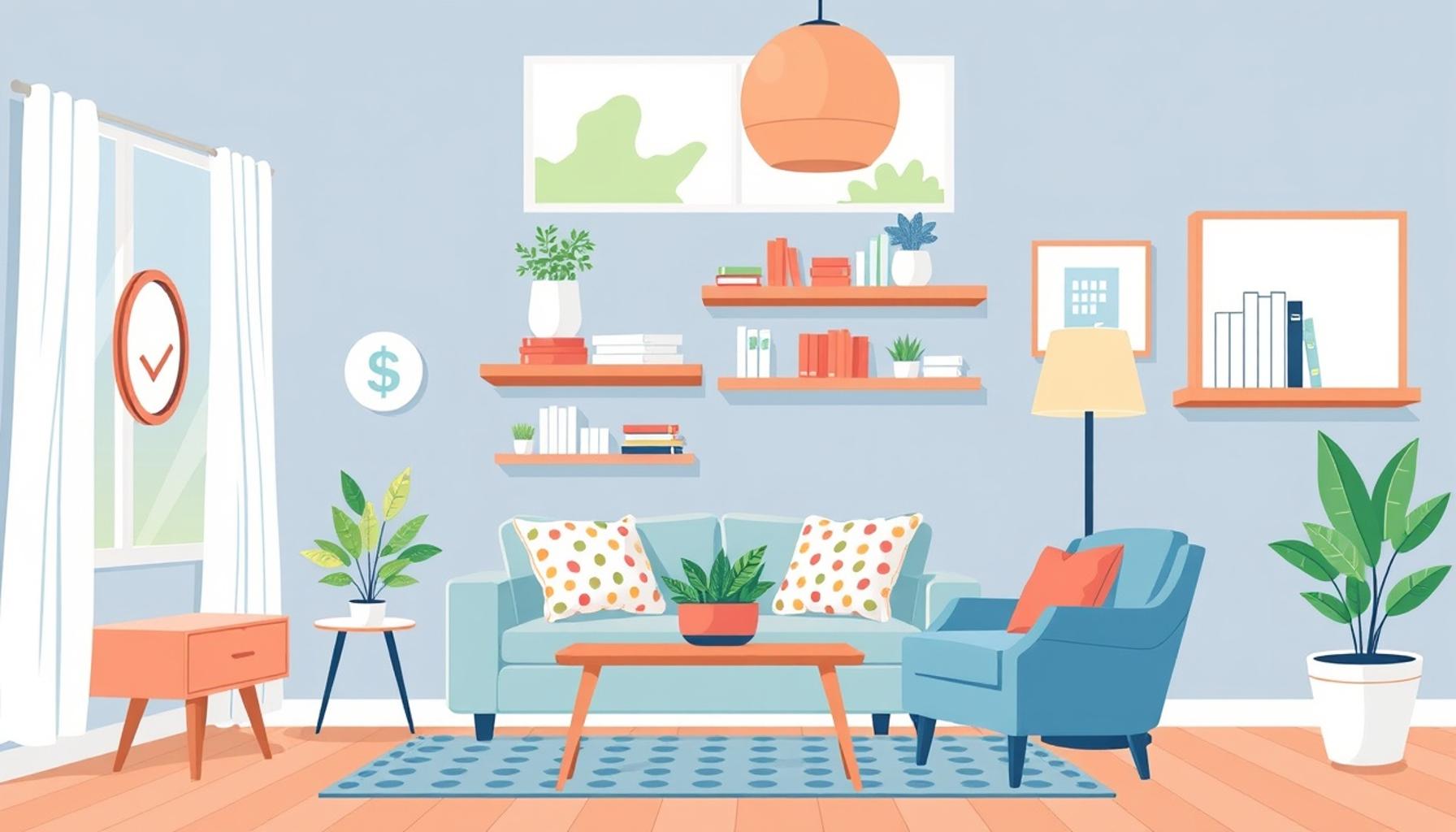
- Utilize Vertical Space: One powerful trick is to take advantage of vertical space—think shelving and wall organizers. By shifting items off the floor and onto shelves, you create a more spacious and open area. This is particularly effective in smaller homes where every inch counts. For example, floating shelves in a living room can elegantly display books and art while keeping the floor clear for foot traffic.
- Adopt the “One In, One Out” Philosophy: To maintain an organized space after decluttering, implement the one in, one out principle. This means that for every new item you acquire, you commit to letting go of an existing one. By adhering to this rule, you control the influx of items and sustain a clutter-free environment. This philosophy not only fosters mindfulness in shopping habits but can also contribute to a more sustainable lifestyle.
- Labeling Systems: When organizing storage bins or boxes, clear labeling is essential. Labels not only provide clarity about what items are stored where, but they also simplify the process of retrieval and return. For instance, in a home office, well-labeled boxes for stationery, documents, and tech supplies help maintain order, thereby enhancing productivity and reducing time spent searching for necessary items.
- Digital Decluttering: Expand your decluttering efforts to the digital sphere. A chaotic digital workspace can be just as detrimental as a cluttered physical environment. Regularly organizing files on your computer, unsubscribing from unnecessary emails, and deleting apps that you no longer use can significantly free up virtual space. Consider dedicating one day each month to “digital decluttering” as a way to maintain an organized online environment.
In addition to these strategies, it’s important to recognize the psychological benefits gained from maintaining an organized space. Research cites a correlation between decluttering and mental clarity; environments that are free of excess can diminish feelings of anxiety and enhance focus. A well-organized living area allows for a greater sense of control and stability, which can positively impact overall well-being.
Furthermore, by establishing personalized rituals around decluttering—such as monthly evaluations of your belongings or seasonal cleanouts—you create a lifestyle that values simplicity and clarity. The act of regularly reassessing your possessions not only ensures your space remains organized but empowers you to make conscious choices about your environment.
Lastly, consider the transformative power of decorative storage solutions. Baskets, elegant boxes, and furniture with hidden storage can declutter space while adding aesthetic appeal. When items are stored in a visually pleasing manner, the need for constant organization can be less pressing, as your space will inherently appear more orderly. This marriage of function and form can lead to both practical and emotional benefits in your home’s ambiance.
With these additional strategies in mind, you can cultivate an environment that seamlessly blends organization with personal style, enhancing both your living space and quality of life. The journey of decluttering is not just about lessening your material load; it’s also about enriching your surroundings with intention and clarity.
Concluding Thoughts on Decluttering for Enhanced Organization
In our increasingly crowded lives, the value of adopting effective decluttering strategies cannot be overstated. The act of reducing items goes beyond simply freeing up physical space; it fosters a transformative mindset that encourages both mental clarity and emotional well-being. As we consider the myriad benefits of an organized environment, incorporating methods such as utilizing vertical space, implementing the one in, one out philosophy, and maintaining effective labeling can truly revolutionize our homes.
Moreover, the inclusion of digital decluttering as an essential practice highlights the need for holistic approaches to organization, allowing us to streamline our physical and virtual environments simultaneously. Embracing these strategies establishes lasting habits that contribute to ongoing efficiency while enriching our personal spaces with intention and style.
In essence, the journey of decluttering is not solely about minimizing possessions; it reflects a deeper pursuit of simplicity, mindfulness, and control over our surroundings. As we actively engage in this process, we not only enhance our space but also cultivate a lifestyle that values clarity and purpose. So, whether you are embarking on your decluttering journey for the first time or looking to refresh your organizational habits, remember that the rewards go far beyond a tidy room—they extend into the very fabric of daily living, enhancing overall quality of life.
Take the next step. Discover the potential of your space and the positive impact it can have on your mind, wellness, and lifestyle. Start today, and watch as your living environment transforms into a sanctuary of organization and peace.

Linda Carter is a writer and organization expert specializing in minimalism and personal organization. With extensive experience helping individuals create clutter-free, functional spaces and adopt mindful habits, Linda shares her knowledge on our platform. Her goal is to empower readers with practical advice and strategies to simplify their lives, stay organized, and achieve a sense of calm and balance in their daily routines.