How to Choose the Ideal Cloud Solution for Small Businesses
In today’s fast-paced business world, the shift towards digital operations has become a necessity rather than an option. Small businesses, in particular, are recognizing the importance of embracing digital tools to streamline their processes, increase efficiency, and stay competitive. One of the most impactful choices facing these businesses is choosing the right cloud solution. This decision not only influences day-to-day operations but also plays a crucial role in the company’s overall growth and sustainability.
Key Considerations for Cloud Solutions
Choosing a cloud solution can feel overwhelming with the wide array of options available. To streamline your selection process, consider the following key factors:
- Security: In an age where data breaches and cyber threats are rampant, the security of your data cannot be overstated. Look for providers that invest in robust security measures, including encryption, firewalls, and regular security audits. For instance, companies like AWS and Microsoft Azure offer comprehensive security features to protect sensitive information.
- Scalability: Your business is likely to grow, and so should your cloud solution. It’s essential to choose a platform that can easily scale with your needs. For example, if you anticipate seasonal spikes in business, a scalable solution will allow you to expand storage and processing power swiftly without requiring significant upfront investment.
- Cost: Budget considerations are paramount for small businesses. Analyze the pricing structures of potential cloud providers. Some may charge on a pay-as-you-go basis, while others might have flat monthly fees. Be wary of hidden costs such as data transfer fees or charges for additional features. A solid understanding of pricing will aid in selecting the most cost-effective solution.
- Support: Reliable customer and technical support can make or break your experience with a cloud provider. Investigate the availability of support services—live chat, phone support, and email assistance are critical during technical disruptions. Read reviews and testimonials from other customers to gauge the quality of customer service.
Understanding Different Cloud Models
In addition to evaluating providers, familiarize yourself with the various cloud models that cater to distinct business needs:
- Public Cloud: This model offers a cost-effective solution for businesses on a tight budget. Resources are shared among multiple organizations, making it an ideal choice for startups and small enterprises looking to minimize capital expenditures. Notable providers include Google Cloud and Dropbox.
- Private Cloud: For businesses that handle sensitive information and require enhanced control and security, private cloud options are worth considering. These solutions are dedicated to a single organization, offering tailored security measures suitable for industries like finance and healthcare, where regulatory compliance is critical.
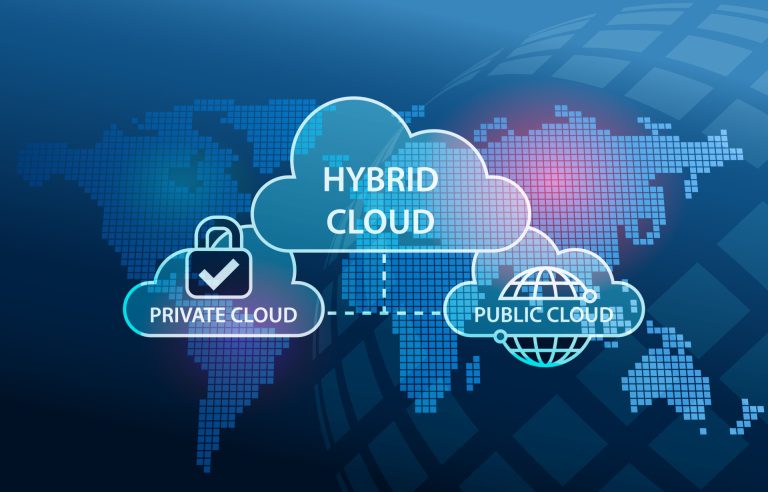
- Hybrid Cloud: Combining the flexibility of public clouds with the security of private clouds, hybrid models allow businesses to customize their IT infrastructure according to specific needs. Companies can keep sensitive data in private clouds while taking advantage of the public cloud’s scalability for less sensitive operations. This model is increasingly popular among medium to large organizations seeking a balanced approach.
Understanding these key elements will empower you to make an informed choice in selecting a cloud solution that aligns with your business strategy. As you delve deeper into the cloud landscape, consider conducting trials or consulting with cloud experts to achieve the best fit for your unique requirements. The right cloud solution can transform your operations and significantly enhance your company’s growth trajectory, leading to sustainable success in a competitive market.
DISCOVER: Click here to uncover expert tips
Key Considerations for Cloud Solutions
Choosing a cloud solution can feel overwhelming with the wide array of options available. To streamline your selection process, consider the following key factors:
- Security: In an age where data breaches and cyber threats are rampant, the security of your data cannot be overstated. Look for providers that invest in robust security measures, including encryption, firewalls, and regular security audits. For instance, companies like AWS and Microsoft Azure offer comprehensive security features to protect sensitive information. It’s advisable to check if the provider complies with industry standards such as GDPR or HIPAA, especially if your business handles confidential data.
- Scalability: Your business is likely to grow, and so should your cloud solution. It’s essential to choose a platform that can easily scale with your needs. For example, if you anticipate seasonal spikes in business, a scalable solution will allow you to expand storage and processing power swiftly without requiring significant upfront investment. Consider providers that offer flexible pricing plans, so you only pay for what you use during high-demand periods.
- Cost: Budget considerations are paramount for small businesses. Analyze the pricing structures of potential cloud providers. Some may charge on a pay-as-you-go basis, while others might have flat monthly fees. Be wary of hidden costs such as data transfer fees or charges for additional features. A solid understanding of pricing will aid in selecting the most cost-effective solution that doesn’t compromise on quality.
- Support: Reliable customer and technical support can make or break your experience with a cloud provider. Investigate the availability of support services—live chat, phone support, and email assistance are critical during technical disruptions. Reading reviews and testimonials from other customers can provide insights into the quality of customer service. You want to ensure that help is available when you need it most, especially when cloud downtime can impact your operations significantly.
Understanding Different Cloud Models
In addition to evaluating providers, familiarize yourself with the various cloud models that cater to distinct business needs:
- Public Cloud: This model offers a cost-effective solution for businesses on a tight budget. Resources are shared among multiple organizations, making it an ideal choice for startups and small enterprises looking to minimize capital expenditures. Notable providers include Google Cloud and Dropbox, which provide easy access to essential services without the need for extensive investment.
- Private Cloud: For businesses that handle sensitive information and require enhanced control and security, private cloud options are worth considering. These solutions are dedicated to a single organization, offering tailored security measures suitable for industries like finance and healthcare, where regulatory compliance is critical. This model ensures that your data is kept separate from other users, maximizing security.
- Hybrid Cloud: Combining the flexibility of public clouds with the security of private clouds, hybrid models allow businesses to customize their IT infrastructure according to specific needs. Companies can keep sensitive data in private clouds while taking advantage of the public cloud’s scalability for less sensitive operations. This model is increasingly popular among medium to large organizations seeking a balanced approach and the ability to adapt their infrastructure as required.
Understanding these key elements will empower you to make an informed choice in selecting a cloud solution that aligns with your business strategy. As you delve deeper into the cloud landscape, consider conducting trials or consulting with cloud experts to achieve the best fit for your unique requirements. The right cloud solution can transform your operations and significantly enhance your company’s growth trajectory, leading to sustainable success in a competitive market.
Understanding Key Considerations for Cloud Solutions
When assessing potential cloud solutions, small businesses must weigh several critical factors. One of the foremost considerations is the scalability of the cloud service. As businesses evolve, they require flexible solutions that can grow alongside them. Opting for providers that offer tiered pricing structures or pay-as-you-go options can significantly enhance budget management. This adaptability not only facilitates growth but also allows businesses to remain agile in response to market changes.Another vital aspect to ponder is security. Small businesses often operate under tight budgets and may lack the resources to invest in extensive cybersecurity measures. Choosing a cloud provider that implements robust encryption standards, regular security updates, and real-time monitoring is paramount. Investing in a secure cloud environment protects sensitive data and builds customer trust, ultimately fostering long-term relationships.Additionally, consider the location of data centers. Businesses should ensure that their data is stored in compliant regions that follow local regulations. Understanding the implications of data residency can help prevent legal issues and maintain customer confidentiality.To help illuminate these considerations further, here is a table highlighting the advantages of evaluating various categories related to cloud solutions:
| Category | Key Features |
|---|---|
| Scalability | Flexible resource allocation for growth. |
| Security | Comprehensive protection measures and compliance. |
| Data Center Location | Ensures legal compliance and data residency. |
Choosing the right cloud solution requires a thorough evaluation of these aspects. Small businesses should embark on this journey with a clear understanding of their unique needs and the range of solutions available to them in today’s market.
DISCOVER MORE: Click here for essential tips
Integration and Compatibility
As you evaluate different cloud solutions, it’s crucial to consider how well these platforms can integrate with your existing systems and software. Many small businesses rely on a suite of applications for their day-to-day operations, from accounting software to customer relationship management (CRM) tools. A cloud solution that offers seamless integration capabilities will save you time and reduce potential disruptions to your workflow.
When assessing integration, ask potential providers about their API compatibility and available integrations with popular third-party applications. For example, platforms like Salesforce and Shopify have extensive integration options that make it easier for businesses to connect their various software systems. Furthermore, consider solutions that provide customizable APIs, enabling your team to create unique integrations tailored to your specific operational needs. This adaptability can enhance efficiency and streamline processes.
User Experience and Interface
The user experience (UX) of a cloud solution can significantly influence your team’s productivity and overall satisfaction. A complex interface can hinder employee adoption, while an intuitive, user-friendly design fosters quick adaptation. Before settling on a provider, request a demo or trial period to assess the platform’s usability. Pay attention to the navigation, layout, and overall design aesthetics. Additionally, involve team members in the evaluation, as their insights can provide valuable feedback on the interfaces they will be using regularly.
It’s also worth researching whether the provider offers a mobile-friendly interface. With the rise of remote work and mobile devices, having access to your cloud services on the go can be essential for small businesses looking to maintain flexibility and responsiveness.
Evaluating Performance and Reliability
Performance metrics are another critical factor in determining the right cloud solution. Reliability often comes down to the uptime guarantees provided by cloud companies. A reputable provider typically guarantees at least 99.9% uptime, meaning that your business will have access to essential services nearly all the time. Look for service level agreements (SLAs) that define these performance expectations clearly.
Additionally, consider the data center locations offered by the provider. Choosing a provider with data centers located within the United States can benefit your business by ensuring compliance with regional regulations and laws. Also, inquire about their disaster recovery practices and how they handle data backup and restoration. Their approach to maintaining service continuity during outages or incidents can mean the difference between a minor inconvenience and a catastrophic loss of business operations.
Future Trends and Emerging Technologies
Finally, it’s essential to think forward and consider the future of cloud technology as you make your decision. The landscape is continually evolving, with trends such as artificial intelligence (AI), machine learning (ML), and edge computing shaping the possibilities of cloud solutions today. Look for providers that are investing in innovation and integrating these technologies into their offerings. For instance, AI-powered analytics tools can help you leverage your data better, while edge computing can enhance processing speed and efficiency.
By remaining attuned to future trends, you can select a cloud solution that will not only meet your current needs but will also adapt as your business grows and the technology landscape evolves.
DON’T MISS: Click here for cost-saving tips
Conclusion: Making the Right Cloud Choice
In the competitive landscape of small businesses, selecting the right cloud solution is not merely a strategic move; it is vital for ensuring growth, efficiency, and resilience. By focusing on the essential elements such as integration capabilities, user experience, performance reliability, and keeping an eye on future trends, you can create a roadmap that aligns technology with your business objectives.
As you weigh your options, remember that the ideal cloud solution enhances communication and collaboration across your team, simplifies workflows, and ultimately leads to better decision-making. The importance of seamless software integration cannot be overstated—it allows your existing systems to function in harmony, offering a more streamlined approach to operations. Moreover, a focus on user-friendly interfaces not only fosters employee satisfaction but also accelerates adoption, ensuring that your team can maximize the capabilities of the platform from day one.
Equally important is the assessment of performance metrics. Research providers’ uptime guarantees and disaster recovery strategies to safeguard your business continuity. Finally, embrace the dynamic nature of cloud technology by opting for solutions that incorporate emerging technologies—this foresight will enable your organization to stay ahead of the curve and adapt as your business evolves.
In conclusion, the right cloud solution can propel your small business towards greater efficiency and innovation. As you evaluate your options, keep these key factors in mind, and don’t hesitate to seek the right partner who understands your unique needs. By making an informed choice today, you can unlock new potential for tomorrow.

Beatriz Johnson is a seasoned tech writer and digital tools expert with a passion for simplifying the complexities of technology and mobile applications. With over a decade of experience in the tech industry, she specializes in topics like productivity apps, software reviews, and emerging digital trends. Through her work, Beatriz empowers readers to make informed technology choices and stay ahead in the ever-changing world of apps and innovation.