
Developing Self-Compassion Through Daily Affirmations

The Importance of Self-Compassion
In a fast-paced world filled with constant pressures and expectations, many individuals grapple with self-acceptance. Often, this struggle stems from societal standards that promote perfectionism and achievement at the expense of well-being. In this context, developing self-compassion emerges as a powerful antidote to the harsh inner critic many of us experience.
Understanding Self-Compassion
Self-compassion is the practice of treating ourselves with the same kindness and understanding we would offer to a good friend. It involves three core components: self-kindness, common humanity, and mindfulness. Rather than harshly judging our flaws or mistakes, self-kindness encourages a nurturing attitude. Recognizing common humanity reminds us that suffering and personal inadequacy are part of the shared human experience, while mindfulness fosters a balanced awareness of our emotions without over-identifying with them.
The Role of Daily Affirmations
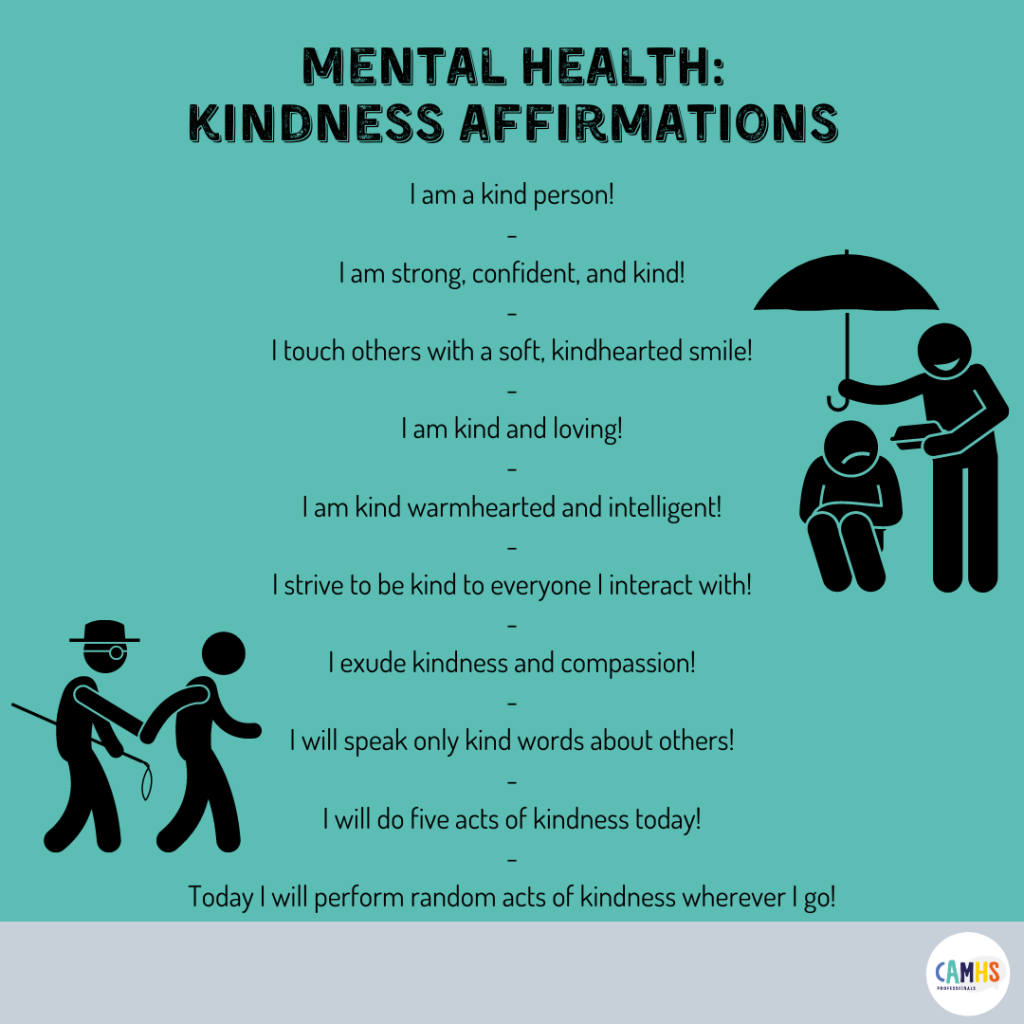
One effective method for cultivating self-compassion is through the practice of daily affirmations. These simple yet powerful statements serve as reminders to appreciate ourselves and affirm our worth. For instance, saying “I am worthy of love and respect,” or “It is okay to make mistakes; they are part of my journey,” can shift our mindset towards a more compassionate self-view.
Consider the following benefits of incorporating daily affirmations into your routine:
- Increased resilience: Affirmations can bolster your ability to bounce back from setbacks. For example, an athlete who reminds themselves, “Every challenge is an opportunity to grow,” might be more adept at overcoming losses and maintaining motivation.
- Enhanced self-awareness: Daily affirmations encourage reflection on your thoughts and feelings, allowing for deeper insight into your emotional landscape. This reflective practice can lead to a greater understanding of personal triggers and needs.
- Reduced negative self-talk: By intentionally replacing harsh inner criticism with kindness, affirmations can diminish the frequency and intensity of negative self-talk. Phrases like “I am enough” can create a mental environment less dominated by self-doubt.
Evidence of Effectiveness
Research supports the notion that individuals who practice daily affirmations often experience significant improvements in their emotional well-being. A study published in the journal “Personality and Social Psychology Bulletin” found that participants who engaged in self-affirmation exercises reported greater levels of self-esteem and reduced anxiety. By incorporating affirmations into your daily life, you can foster a more positive self-image and create a nurturing atmosphere conducive to better mental health.
Practical Tips for Incorporation
Integrating affirmations into your daily routine does not have to be complicated. Here are some practical tips to get started:
- Set aside a few minutes each morning or evening for affirmation practice. You might choose to write them down in a journal or simply recite them aloud.
- Craft affirmations that resonate personally. It might be beneficial to tailor them specifically to your challenges and aspirations.
- Pair affirmations with visual cues. For example, post them on your bathroom mirror or workspace to reinforce their presence in your daily life.
In conclusion, embarking on a journey toward self-compassion through the practice of daily affirmations can yield profound changes in self-acceptance and inner peace. By taking small, consistent steps, we can unlock the power of self-kindness and create a healthier relationship with ourselves.
DISCOVER MORE: Click here to enhance your mental health
The Impact of Self-Compassion on Mental Health
Recognizing the pervasive pressures of modern society, many individuals struggle with self-doubt and relentless self-criticism. This constant comparison with others, fueled by social media and cultural narratives, can lead to a detrimental cycle of anxiety and depression. In contrast, the practice of self-compassion emerges as a powerful counterforce. This nurturing mindset encourages an individual to treat themselves with the same kindness and understanding one would offer a friend, effectively serving as a beacon of hope amidst mental health struggles.
How Self-Compassion Enhances Emotional Well-Being
Self-compassion is not just an indulgence; it is essential for fostering emotional resilience. Research indicates that individuals who cultivate self-compassion exhibit lower levels of psychological distress, including anxiety and depression. A pivotal study published in the journal “Clinical Psychology Review” emphasized that self-compassion directly correlates with improved emotional stability. For example, when individuals actively engage in practices of self-kindness, they report feeling more equipped to handle life’s ups and downs, thus enhancing their overall mental health. This includes the recognition that everyone faces hardships, encouraging a shared human experience that diminishes feelings of isolation.
The Science Behind Daily Affirmations
Daily affirmations extend beyond being mere positive phrases; they are deeply rooted in psychological theory. The concept of cognitive dissonance provides a framework to understand their efficacy. When individuals confidently affirm their self-worth, they bridge the gap between their perceived shortcomings and their inherent value. Such alignments not only foster a more positive self-image but also serve as a catalyst for personal development.
Dr. Kristin Neff, a leading figure in self-compassion research, highlights that affirmations play a crucial role in alleviating self-blame and fostering healthier internal dialogue. By shifting their self-talk to one of gentleness and understanding, individuals can dismantle the harmful patterns of negative thinking that often contribute to mental health issues.
Benefits of Integrating Self-Compassion into Daily Life
The practice of self-compassion, particularly through daily affirmations, offers numerous advantages that can enhance various aspects of life:
- Stronger Relationships: By cultivating compassion for oneself, individuals naturally extend this kindness to others. This fosters deeper, more meaningful connections, enhancing interpersonal relationships.
- Heightened Motivation: Contrary to the common misconception that self-compassion leads to complacency, research has shown that it actually fuels motivation. When individuals are not paralyzed by the fear of failure, they become more driven to achieve their goals and embrace challenges.
- Improved Coping Strategies: Engaging in self-compassion equips individuals with healthier coping mechanisms to navigate life’s inevitable hurdles. Instead of resorting to harmful behaviors, those who practice self-kindness are more likely to seek adaptive solutions, ultimately fostering long-term resilience.
As individuals navigate the complexities of daily life, acknowledging and nurturing self-compassion through the practice of daily affirmations can elicit a transformative ripple effect. By adopting this holistic approach, people not only enhance their mental well-being but also cultivate a richer sense of connection with themselves and their communities. Such personal growth paves the way for a society where emotional well-being is prioritized, and individuals find strength in vulnerability.
| Advantage | Description |
|---|---|
| Increased Personal Resilience | Daily affirmations foster a stronger sense of self-worth, enabling individuals to bounce back from setbacks with greater ease. |
| Enhanced Emotional Well-Being | Integrating affirmations into daily routines can lead to improved emotional regulation, allowing for healthier responses to stress. |
The theme of “Developing Self-Compassion Through Daily Affirmations” emphasizes the profound effects that affirmations can have on one’s mental landscape. One significant advantage is the cultivation of increased personal resilience. By repeating positive affirmations, individuals reinforce their self-worth, which acts as a buffer against the challenges of daily life. This consistency fosters a mindset that embraces challenges rather than fears them, leading to an overall resilient disposition.Moreover, affirmations contribute to enhanced emotional well-being. Regularly engaging with positive statements facilitates better emotional regulation. Individuals who practice daily affirmations report healthier reactions to stressors and a decrease in negative self-talk. These changes pave the way for a more balanced emotional state, enabling one to navigate life’s ups and downs with greater ease and confidence. Exploring further into the impacts of daily affirmations can provide deeper insights into the transformative power of self-compassion.
DIVE DEEPER: Click here to discover more
Practical Steps for Implementing Daily Affirmations
Recognizing the necessity of self-compassion is just the first step; integrating daily affirmations into one’s routine can catalyze meaningful change. Establishing a consistent practice not only amplifies the benefits of self-compassion but also creates a structured way to combat negative self-talk. Here are some practical steps individuals can take to weave self-compassion into their daily lives:
Creating Personalized Affirmations
Personalization is key when developing effective daily affirmations. By crafting affirmations that resonate deeply, individuals can ensure they affirm their unique experiences and emotions. For instance, instead of generic statements such as “I am worthy,” someone might consider affirmations like “I embrace my flaws and see them as a part of my journey” or “I deserve the same kindness I offer to others.” These tailored statements foster a deeper connection to self-compassion and enhance their emotional impact.
Establishing a Ritual Around Affirmations
Consistency is crucial for any habit to take root. Establishing a specific time and place for reciting affirmations can reinforce this practice. Many individuals benefit from incorporating affirmations into their morning routine, perhaps while enjoying a cup of coffee or during a morning meditation. Others may find solace in repeating their affirmations before bed as a calming way to end the day. This structured approach not only fosters accountability but also creates a peaceful ritual that aids in relaxation and self-reflection.
Incorporating Mindfulness Practices
Mindfulness and self-compassion are deeply intertwined. Mindfulness practices, such as meditation or deep-breathing exercises, can enhance the effectiveness of daily affirmations. When individuals ground themselves in the present moment, they are more receptive to affirming their worth and expressing compassion. For example, before reciting affirmations, one might take a few moments to engage in mindful breathing, focusing on the sensations of each inhale and exhale. This preparatory step helps cultivate a sense of awareness and creates a mental space for embracing self-kindness.
Tracking Progress and Reflection
To fully appreciate the positive changes that stem from daily affirmations, individuals should consider keeping a journal to track their thoughts and feelings over time. Not only does this practice encourage accountability, but it also provides a tangible way to reflect on growth. Individuals can note their emotional state before and after affirmation practice, observe patterns in their self-talk, and celebrate milestones in their journey toward self-compassion. Such reflections empower individuals to remain mindful of their progress, instilling a sense of accomplishment and reinforcing their commitment to self-kindness.
Engaging in Community Support
Finally, surrounding oneself with supportive communities can amplify the impact of self-compassion and daily affirmations. Joining groups, either online or in person, where members share their stories and practices of self-kindness can foster accountability and connection. For instance, participating in workshops or forums focused on mental health and well-being can provide a platform for sharing affirmations and discussing personal experiences. The shared journey cultivates a sense of belonging, highlighting that the quest for self-compassion is a universal experience.
As individuals embrace these practical steps, they may find daily affirmations become a powerful tool for cultivating self-compassion. This transformative process encourages not only personal growth but also the development of a more compassionate society, where individuals can uplift themselves and others through kindness and understanding. By integrating self-compassion into daily life, the cycle of negative self-talk can be broken, paving the way for a brighter mental landscape.
DISCOVER MORE: Click here for insights on positive affirmations
Conclusion
In a world that often prioritizes external achievements over inner well-being, developing self-compassion through daily affirmations has emerged as a vital practice for fostering emotional resilience and mental health. By personalizing affirmations and embedding them into our daily routines, we open the door to a more compassionate dialogue with ourselves. This self-kindness is not merely a topic for self-help books, but a necessary skill capable of transforming our perspectives on failure, imperfection, and emotional struggles.
The process of integrating daily affirmations also encourages a culture of mindfulness, where individuals learn to ground themselves in the present moment, cultivating awareness that enhances the impact of their affirmations. Furthermore, the act of tracking progress and engaging in community support facilitates a deeper connection among participants, reminding us that we are not alone in our journey toward self-appreciation and understanding.
As individuals begin to embrace their unique experiences, the potential for self-growth and healing expands exponentially. Building self-compassion is a critical investment, one that not only enriches individual lives but has the potential to create a ripple effect of kindness and understanding in society at large. By taking practical, mindful steps to incorporate affirmations into daily life, we can successfully combat negative self-talk and create a landscape where self-compassion thrives. This practice invites us to redefine our relationship with ourselves, ultimately paving the way for a more fulfilling and compassionate existence.