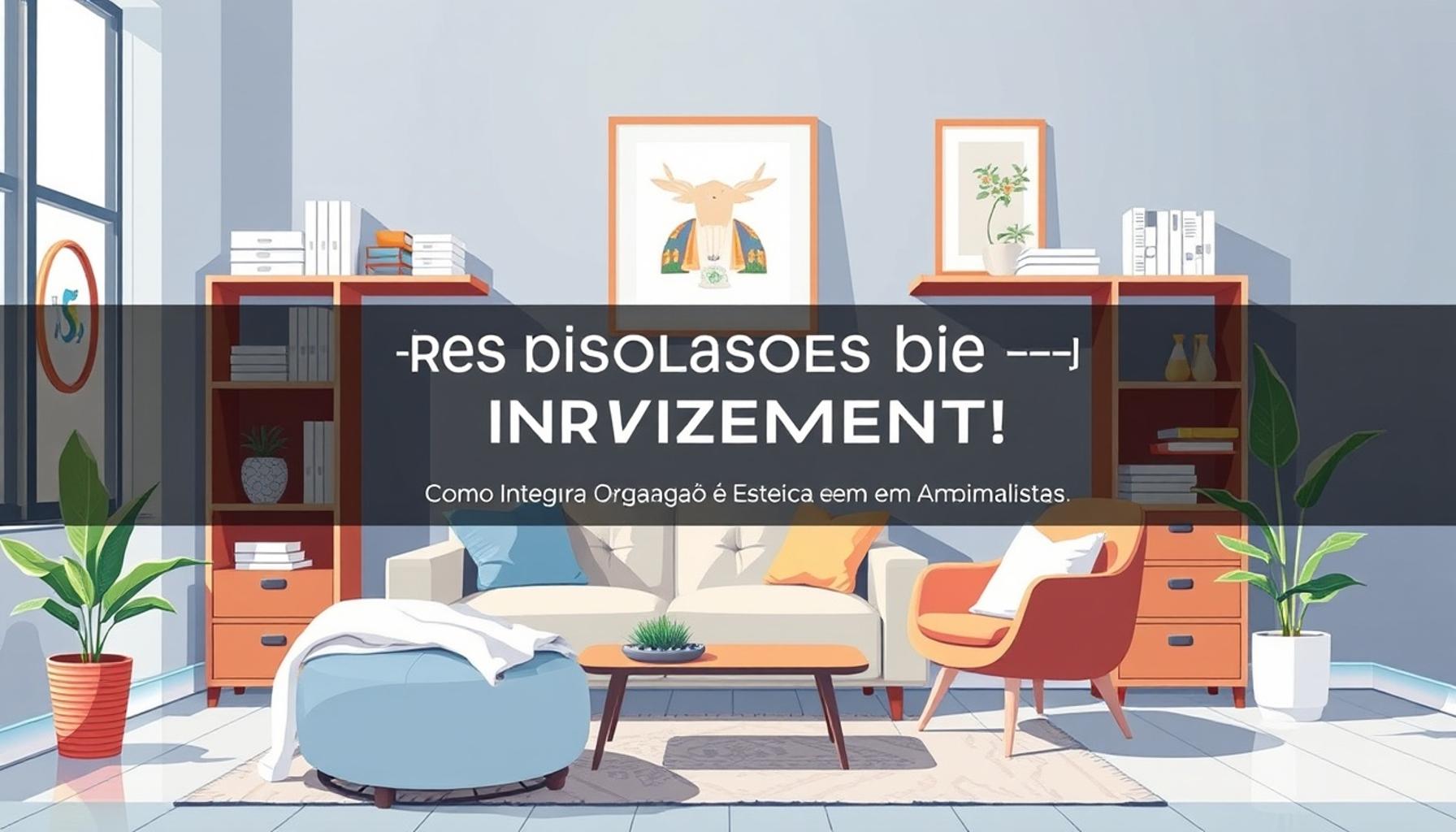
Creating a Multi-Functional Home: Design Strategies for Minimalist Spaces
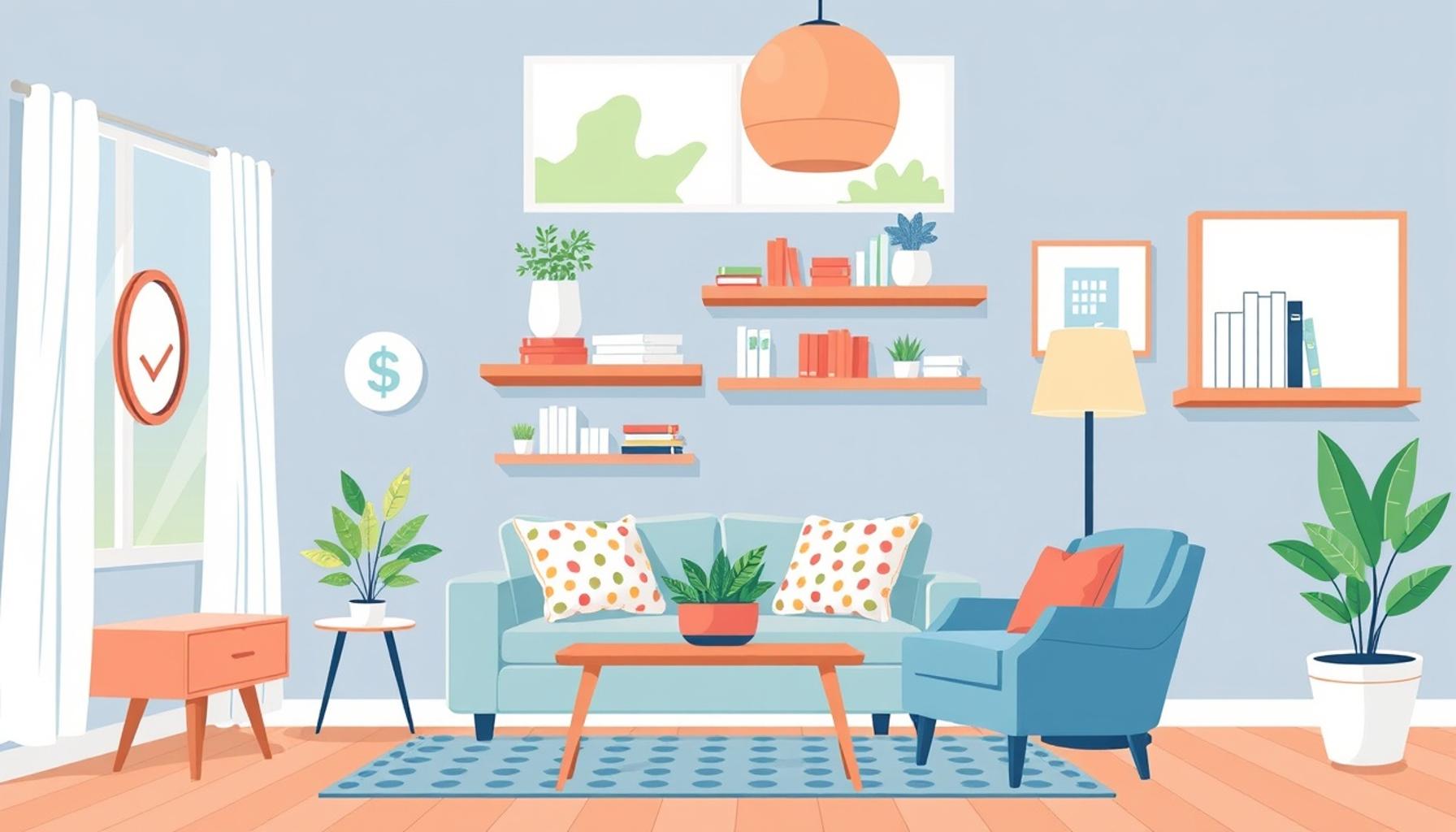
The Rise of Multi-Functional Homes
As urban centers grow and housing prices soar, the demand for efficient use of space has surged, leading many homeowners to adopt the principles of multi-functional living. The modern homeowner is on a quest to create environments that not only meet their practical needs but also reflect their individual style while embracing minimalism.
Creating a multi-functional home is more than a trend; it’s a necessity in today’s fast-paced world. What does it take to transform a standard living area into a versatile sanctuary? It starts with strategic planning and an understanding of how each space can be optimized for various uses.
Flexible Furniture Solutions
- Convertible Sofas and Beds: For instance, a sleek sofa that easily transforms into a bed can be a lifesaver in a studio apartment, providing both seating for entertaining guests and a cozy sleeping space when needed. Brands like IKEA and West Elm offer stylish options that don’t compromise on aesthetics.
- Ottomans with Storage: An ottoman that doubles as a coffee table while providing hidden storage can help reduce clutter. These multifunctional pieces can be pivotal in keeping your living space organized while still serving practical purposes.
Embracing Open Layouts
Open floor plans are a hallmark of multi-functional living. By removing unnecessary walls, you create a seamless flow between the kitchen, dining, and living areas. This layout not only enhances interaction but also gives the illusion of more space. For example, a combined kitchen and living area can be designed with a central island that serves multiple functions — cooking space, dining area, and casual gathering spot.
Smart Storage Solutions
- Vertical Space Utilization: Installing shelves that reach the ceiling capitalizes on often-overlooked areas of your home. Vertical storage can be particularly effective in small apartments, where floor space is at a premium.
- Hidden Compartments: Furniture such as beds with built-in drawers or benches that open to reveal additional space is essential in maintaining a clean and organized home.
With innovative design techniques and the right furniture, even the smallest of apartments can become hubs of efficiency and style. As you explore design strategies for minimalist spaces, consider how thoughtful choices can enrich your living experience, providing both comfort and aesthetic appeal.
In conclusion, whether you reside in a petite studio in Brooklyn or a more spacious house in the suburbs, the principles of multi-functional design offer a pathway to a living space that is both functional and beautiful. The journey to creating such an environment is not just a challenge but an opportunity to redefine how you perceive and interact with your home.
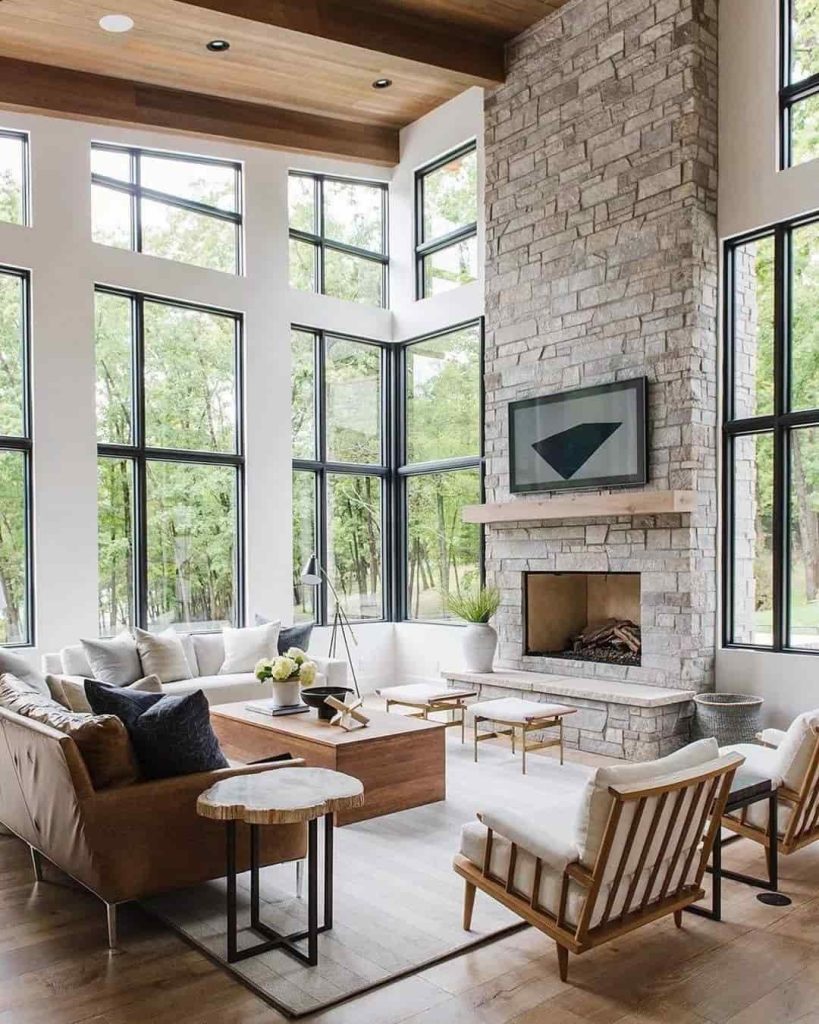
Maximizing Every Square Foot
In the quest for creating a multi-functional home, one of the most critical aspects is the meticulous maximization of available space. Homeowners today are increasingly looking for ways to enhance functionality without compromising on style. This calls for a judicious approach to how spaces are utilized, often embracing inventive solutions that allow every square foot to serve a purpose.
Multi-Purpose Rooms
Transforming separate, underutilized rooms into multi-purpose spaces can fundamentally change the way a home functions. A guest bedroom, for example, can also be an office or a cozy reading nook. By selecting the right furnishings and layout, the room can effortlessly shift between these roles. Incorporating folding doors or room dividers can allow homeowners to create distinct zones when necessary, while still maintaining an open feel.
Dual-Function Decor
The realm of decor is not exempt from the principles of multi-functionality. Decorative elements such as mirrors and art can serve aesthetic and practical purposes. For instance, a large mirror can make a small room appear bigger, while also providing a functional reflection for dressing. Similarly, wall-mounted shelving can display personal items while increasing storage capacity. The incorporation of multi-functional decor allows for a seamless blend of form and function, saving space without sacrificing style.
Innovative Space Dividers
- Bookcases as Partitions: Using tall bookcases as room dividers can create a sense of privacy while still allowing natural light to flow through. They serve as storage for books or decorative items, making them practical while dividing space.
- Sliding Panels: For those looking for flexibility, sliding panels can be a game-changer. They can easily separate dining and living areas when needed, and can be retracted to create an expansive, open feel during gatherings.
These design strategies not only help in space optimization but also reflect a philosophy that champions functioning in synergy. In many urban environments, where open maps and access to nature are limited, these adaptable spaces can maximize comfort and convenience.
Integrating Technology
The advancement of smart home technology plays an essential role in the creation of multi-functional living spaces. Devices such as smart thermostats, lighting controls, and multi-room audio systems can be managed through a single application, enhancing the efficiency and convenience of everyday living. By integrating technology that can adapt to various activities — whether hosting a dinner party or unwinding after a long day — homeowners can ensure that their spaces are as versatile as their lifestyles.
As we delve deeper into the world of minimalist living strategies, remember that creating a multi-functional home is about embracing simplicity and functionality to enrich your daily life. In the pursuit of a harmonious living environment, each decision plays a vital role in transforming your space.
| Advantages | Key Features |
|---|---|
| Space Efficiency | Utilizes every inch effectively, allowing for a more open and airy feel. |
| Cost Saving | Reduces the need for multiple furniture pieces, leading to lower overall expenses. |
| Versatility | Furniture can serve multiple functions, adapting to different needs over time. |
| Clutter Reduction | Promotes a minimalist aesthetic that encourages keeping only essential items. |
In the realm of creating a multi-functional home, integrating design strategies for minimalist spaces not only enhances aesthetics but also improves day-to-day living. One of the major advantages of adopting such a design is space efficiency. Each area can be optimized for functionality, allowing for a seamless flow throughout a home. This is complemented by the cost-saving aspect, as choosing multi-purpose furniture reduces the need for unnecessary pieces, ultimately lowering design expenses.Moreover, a versatile space can evolve over time, with furniture fulfilling multiple roles that adapt as family needs change. This adaptability is crucial in today’s fast-paced world. Equally important is the emphasis on clutter reduction. Embracing a minimalist philosophy encourages a thoughtful selection of items that truly contribute to both form and function, leading to an organized and serene environment. These strategies pave the way for a harmonious living experience, inviting homeowners to explore the boundless benefits of minimalism further.
Smart Storage Solutions
In the journey towards a multi-functional home, effective storage solutions are paramount. Minimalist spaces thrive on decluttering, and by utilizing clever storage options, homeowners can keep their environments tidy while maintaining accessibility to essential items. The right storage can enhance both form and function, ensuring that every element of your home serves a purpose.
Hidden Storage
One of the most innovative ideas in creating a multi-functional home is the incorporation of hidden storage. Built-in furnishings, such as beds with drawers or benches that open to reveal compartments, can conceal items that would otherwise disrupt the aesthetic. Consider the underutilized space beneath stairs or elevated furniture. Custom cabinetry can also replace bulky dressers, maintaining visual cohesion while cleverly disguising storage areas.
Vertical Solutions
Vertical storage is a lifeline for minimalist homes struggling with space. Wall-mounted units can not only hold books or essential items but also free up precious floor space, allowing for a more open and airy feel. Looking upwards, using wall hooks for bags, coats, or even decor while keeping horizontal surfaces clear can also provide a tidy appearance.
Multi-Functional Furniture
- Sofa Beds: Imagine a living room that can effortlessly transition into a guest suite. Sofa beds are an ideal solution, freeing up space while providing comfort during the day and peaceful sleeping arrangements at night.
- Expandable Dining Tables: Perfect for casual family dinners and festive gatherings alike, expandable dining tables make it easy to adjust seating according to the occasion. They provide both form and versatility, accommodating a range of activities from work to leisure.
- Ottomans with Storage: These plush seating options can serve dual purposes; they provide comfort while also offering hidden compartments for toys, blankets, or magazines. Their mobility further enhances the adaptability of your space.
By investing in multi-functional furniture, you can effortlessly blend comfort and practicality into your home, allowing for a more dynamic living space that adapts to your lifestyle.
Color and Light Strategies
The palette and lighting in minimalist homes also plays a pivotal role in maintaining a sense of openness and functionality. Light, airy colors can reflect natural sunlight, making a room feel larger. Consider utilizing a neutral color scheme with splashes of vibrant hues through decor or furnishings to create visual interest while keeping the space feeling expansive.
Moreover, the strategic use of lighting can further delineate areas within a multi-functional space. Pendant lights over a dining table, recessed lighting for work areas, and soft, layered lighting in the living space can help establish zones without requiring physical barriers. These elements create a warm, inviting atmosphere conducive to both work and relaxation.
Ultimately, by thoughtfully implementing smart storage solutions, color, and light strategies, homeowners can create a harmonious synergy in their living spaces. This approach not only enhances the utility of each area but also transforms everyday living, minimizing stress and maximizing enjoyment in a beautifully designed environment.
Conclusion
In conclusion, the quest for a multi-functional home within minimalist spaces revolves around maximizing both aesthetics and practicality. By exploring innovative design strategies such as versatile furniture, smart storage solutions, and thoughtful use of color and light, homeowners can achieve a living environment that not only meets their daily needs but also reflects their personal styles. The integration of multi-functional furniture such as sofa beds and expandable dining tables transforms ordinary areas into flexible spaces that adapt to various activities, from hosting to relaxation.
Furthermore, the emphasis on effective storage remains a cornerstone of minimalist design. Hidden storage and vertical solutions not only declutter living areas but also create a sense of openness, allowing each room to breathe. The strategic use of color and light enhances this spaciousness, as lighter palettes and layered lighting can visually expand compact spaces while establishing distinct zones for work and leisure.
Ultimately, embracing these design strategies empowers homeowners in the United States to create harmonious living environments. Beyond mere functionality, a multi-functional home fosters comfort, peace of mind, and an aesthetic that invites creativity. As individuals increasingly seek homes that evolve with their needs, investing in a multi-functional design approach is not just practical; it opens the door to a lifestyle that values simplicity, efficiency, and elegance.

Linda Carter is a writer and organization expert specializing in minimalism and personal organization. With extensive experience helping individuals create clutter-free, functional spaces and adopt mindful habits, Linda shares her knowledge on our platform. Her goal is to empower readers with practical advice and strategies to simplify their lives, stay organized, and achieve a sense of calm and balance in their daily routines.