
Innovative Design Trends in Minimalist Architecture: Enhancing Space Efficiency
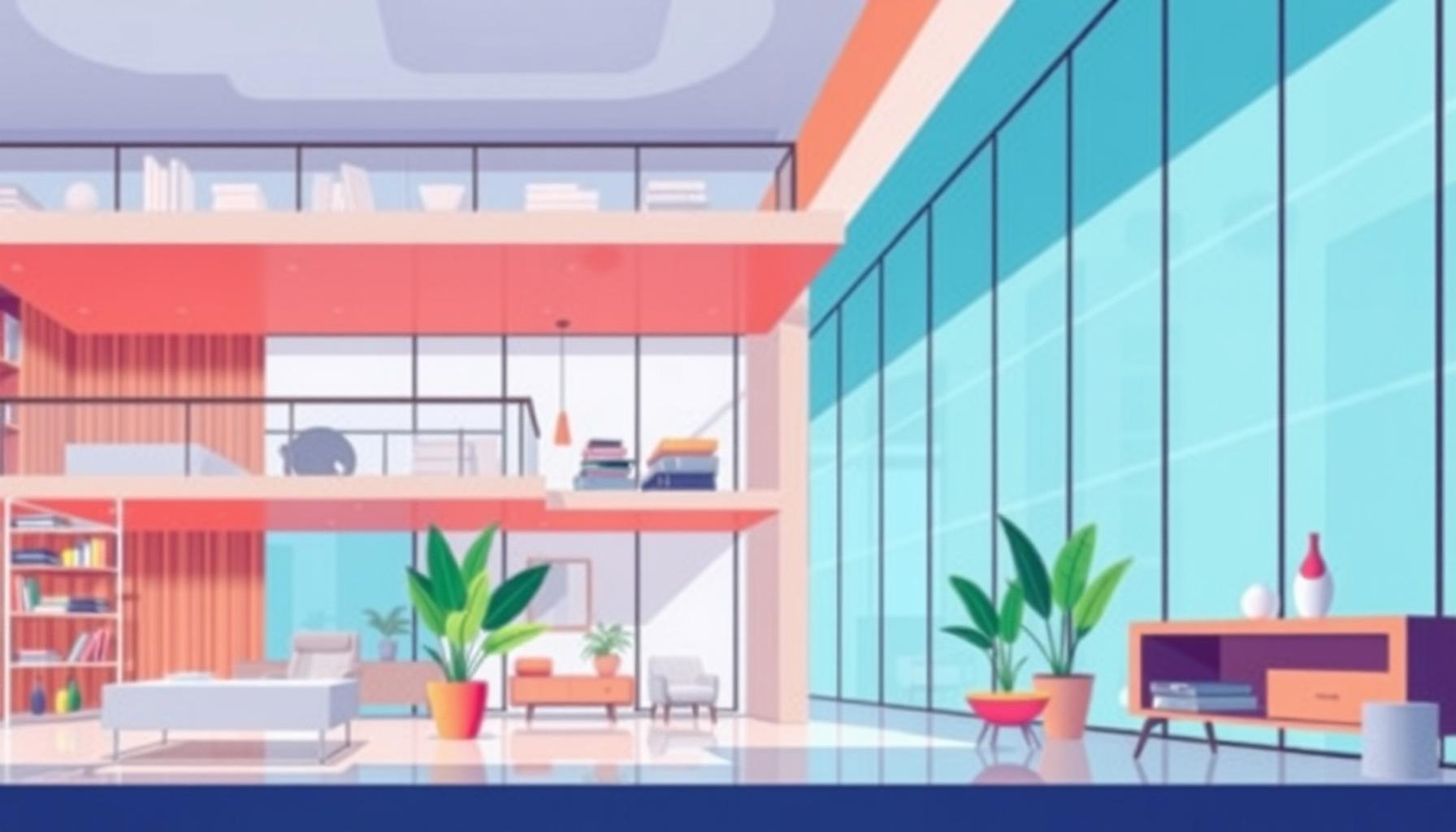
The Vision of Space Efficiency in Architecture
In a rapidly urbanizing world, where the population is projected to reach nearly 10 billion by 2050, the need for smart, sustainable living solutions has never been more critical. Minimalist architecture has emerged not only as a trend but as a necessity, emphasizing the idea that less truly can be more. It champions a design ethos that embraces simplicity, functionality, and a deep respect for the environment, creating a harmony between living spaces and the natural world.
Central to minimalist design are several transformative elements that aim to maximize space while minimizing excess. Among these elements, open floor plans stand out as a defining feature. By removing unnecessary walls, these designs foster a seamless flow between living, dining, and kitchen areas, thus reducing visual clutter and enhancing sociability. For instance, homes designed by architects like Tadao Ando often feature vast, uninterrupted spaces that invite natural light to play across the interiors, making them feel more expansive and inviting.
Another hallmark of minimalist architecture is the use of multi-functional furniture. In cities like New York or San Francisco, where square footage is a premium, furniture that serves multiple purposes — such as a coffee table that converts into a dining space or a sofa that folds out into a guest bed — becomes invaluable. Brands like Resource Furniture have pioneered this concept, providing innovative solutions that marry practicality with modern aesthetics. These designs not only save space but also reduce the number of materials needed for furniture, aligning with sustainable living principles.
Natural light integration is equally crucial in minimalist architecture. Extensive use of windows and skylights allows for an abundance of daylight, creating an uplifting atmosphere while reducing reliance on artificial lighting. This emphasis on light not only enhances the beauty of interior spaces but also has positive psychological effects, fostering well-being and productivity. Architectural firms such as Snøhetta have mastered this approach, with projects that blur the boundaries between indoor and outdoor environments.
Emerging Trends in Minimalist Architecture
As we navigate deeper into the realm of minimalist architecture, several key trends are emerging that will shape the future of our built environments. Notably, smart home technology now integrates seamlessly into minimalist designs, empowering homeowners to manage their energy consumption more effectively and creating convenient lifestyles. Features like automated lighting systems or smart thermostats that provide real-time feedback can be tailored to fit within sleek, uncluttered aesthetics.
Modular designs are also revolutionizing how homes are conceived and constructed. These adaptable structures can be configured in various ways to suit different needs and lifestyles, offering flexibility without compromising on style. Examples can be seen in the development of prefabricated homes by companies like Katerra, which provide elegant solutions that can be assembled in days, not months, vastly improving building efficiency.
Lastly, the use of eco-friendly materials plays a vital role in minimalist architecture. With an increasing awareness of the environmental impact of construction, architects are opting for sustainable materials such as bamboo, reclaimed wood, and recycled metals. These materials not only reduce the carbon footprint of buildings but also enrich the design with a story and texture that celebrate local craftsmanship and sustainability.
As we continue to explore how minimalist architecture is reshaping the way we think about living spaces, we see a remarkable fusion of innovation, practicality, and sustainability. It invites us to reconsider our residential needs and how they can be met through thoughtful, resource-conscious design. Join us as we delve further into this fascinating evolution of space and living, uncovering more about how minimalist architecture is redefining our homes and lifestyles.
Transformative Elements Reshaping Minimalist Designs
At the heart of innovative minimalist architecture lies a series of transformative elements that are redefining how we perceive and utilize our living spaces. These elements not only enhance space efficiency but also create a more harmonious relationship between inhabitants and their environments. As urban living becomes increasingly condensed, the following design trends are gaining traction in the minimalist architecture movement:
- Vertical Space Utilization: The rise of vertical living is a testament to the ingenuity of modern architecture. Designers are increasingly focusing on maximizing height rather than width. By incorporating built-in shelving, lofted beds, and high-storage cabinets, functionality expands without compromising floor space. This trend is particularly popular in cities with tight real estate markets, as seen in micro-apartments in New York City.
- Biophilic Design: In an effort to reconnect with nature, biophilic design integrates natural elements into modern environments. Features such as living green walls, indoor gardens, and extensive plant life not only enhance the aesthetic of a space but also improve air quality and promote well-being. Architects like Kengo Kuma are known for designing structures that encourage occupants to interact with nature, even in urban settings.
- Open Shelving Concepts: Rather than traditional cabinetry, open shelving systems provide an airy feel that brings essentials into view while eliminating unnecessary barriers. This trend facilitates organization and accessibility, allowing homeowners to display functional items artfully. The IKEA catalog often features kitchens adopting this trend, demonstrating how it lends a sense of simplicity and modernity.
- Lightweight Materials: The use of innovative and lightweight materials such as cross-laminated timber and aluminum composites is setting a new standard in building practices. These materials not only reduce the overall weight of structures but also contribute to lower transportation emissions and minimal resource use. Architects are using these sustainable materials to create extraordinary designs, allowing more flexibility and agility in construction.
- Color Minimalism: A restrained color palette is a characteristic trait of minimalist design, allowing for a calm and cohesive aesthetic. Neutral tones—whites, beiges, and soft greys—form the backdrop, while strategic pops of color can be introduced through accessories or artwork. This approach not only enhances the space visually but also contributes to a sense of serenity that is vital in today’s fast-paced society.
As these trends continue to evolve, they offer unprecedented opportunities for architects and designers to revolutionize the way we think about space. By promoting adaptability and sustainability, these innovative design practices serve as a foundation for enriching lives, regardless of the limited square footage often found in urban settings. Minimalist architecture, therefore, extends beyond aesthetics; it encapsulates a lifestyle that thrives on deliberate simplicity and mindful living.
| Advantages | Details |
|---|---|
| Space Optimization | Minimalist architecture promotes an uncluttered aesthetic by utilizing multifunctional spaces, making the most of every square inch. |
| Cost Efficiency | Building within minimalist frameworks often requires fewer materials and less labor, which translates to lowered construction and maintenance costs. |
| Sustainability | Incorporating less material not only cuts expenses but also positively impacts the environment, aligning with sustainable living practices. |
| Aesthetic Appeal | The clean lines and open spaces in minimalist design create visually appealing environments, promoting tranquility and enhanced livability. |
The adoption of innovative design trends within minimalist architecture leads to enhanced space efficiency, supporting a lifestyle focused on simplicity and functionality. As we delve deeper into this fascinating topic, it becomes clear that these trends do not just focus on aesthetics but profoundly impact how individuals interact with their surroundings. From integrating nature through biophilic design to maximizing natural light, these emerging concepts are paving the way for future architectural endeavors that prioritize both functionality and environmental stewardship. As the world embraces these changes, it encourages us to rethink our living and working spaces, fostering a communal consciousness around efficient living that resonates deeply within modern societies.
Smart Technology Integration in Minimalist Spaces
As technology continues to advance, its integration into minimalist architecture has become a vital component in enhancing space efficiency and the overall user experience. Embracing the principles of smart design, these innovations are seamlessly woven into the fabric of modern living environments.
- Smart Home Automation: From lighting to climate control, smart home technology allows occupants to manage their environment with ease. Systems such as the Nest Learning Thermostat or Philips Hue smart lighting optimize energy consumption while providing convenience. Homeowners can program their devices to align with their daily routines, significantly cutting down on wasted energy as well as creating a minimalist aesthetic devoid of cluttered switches and controls.
- Multifunctional Furniture: The emergence of multifunctional furniture is a game-changer in the realm of minimalist design. Pieces like Murphy beds, folding tables, and convertible sofas maximize utility in smaller spaces. Companies such as Resource Furniture have popularized these technologies, which often feature hidden compartments and modular designs to enhance space efficiency creatively. This trend not only embraces the minimalist ethos of reducing excess but also provides practical solutions to modern living challenges.
- Smart Storage Solutions: Innovative storage solutions are paramount in minimalist architecture. Brands like California Closets are developing systems that efficiently utilize what would otherwise be wasted space, such as under stairs or above doorways. These designs focus on transforming nooks and crannies into functional storage areas using customizable shelving units and sliding panels that blend into the aesthetics of the space while ensuring that essential items remain organized and within reach.
- Augmented Reality (AR) in Design: AR technology is making waves in the architectural domain by allowing potential homeowners to visualize their spaces before construction. This technology can enable users to assess how furniture, decor, and layouts will fit into their intended minimalist environments, creating a more informed approach to design decisions. This capability reduces the risk of costly mistakes, aligning with the minimalist principle of thoughtful proportionality in living spaces.
- Sustainable Energy Solutions: The integration of sustainable technologies such as solar panels and energy-efficient appliances is a hallmark of contemporary minimalist architecture. Architects are increasingly incorporating photovoltaic systems that can blend into the rooflines of modern structures while providing significant energy savings. Furthermore, energy-efficient appliances and smart power strips can help reduce energy usage, aligning with both environmental consciousness and the minimalist philosophy of reducing waste.
As minimalism continues to redefine contemporary architecture, the amalgamation of smart technology into design is crucial for enhancing functionality without compromising aesthetics. These innovative trends foster a lifestyle that prioritizes efficiency, sustainability, and simplicity, proving that even the smallest of spaces can be transformed into a sanctuary of modern living.
Conclusion
In the realm of minimalist architecture, innovative design trends are paving the way for enhanced space efficiency and an enriched living experience. The fusion of modern technologies with the principles of minimalism not only optimizes our living environments but also resonates with a growing desire for sustainability and simplicity. The emergence of smart home automation allows users to control their spaces intuitively, while multifunctional furniture redefines utility, making every inch count in resource-scarce settings.
Furthermore, smart storage solutions maximize often-overlooked areas, transforming ordinary nooks into hubs of functionality. Meanwhile, the advent of augmented reality enables homeowners to plan their spaces thoughtfully, merging aesthetic desires with practicality before the design process even begins. Additionally, the integration of sustainable energy solutions reinforces the commitment to environmental stewardship, ensuring that contemporary living spaces do not compromise the planet’s future.
As we venture deeper into this era of minimalism, the conversation continues to evolve. Embracing the intersection of technology and design not only reflects a shift in architectural aesthetics but also encourages a deeper understanding of how we inhabit our spaces. Individuals and families are now empowered to create environments that align with their values, making space efficiency and thoughtful living a coveted reality. The journey ahead promises even more exciting innovations, urging us to dwell in spaces that are as functional as they are beautiful.