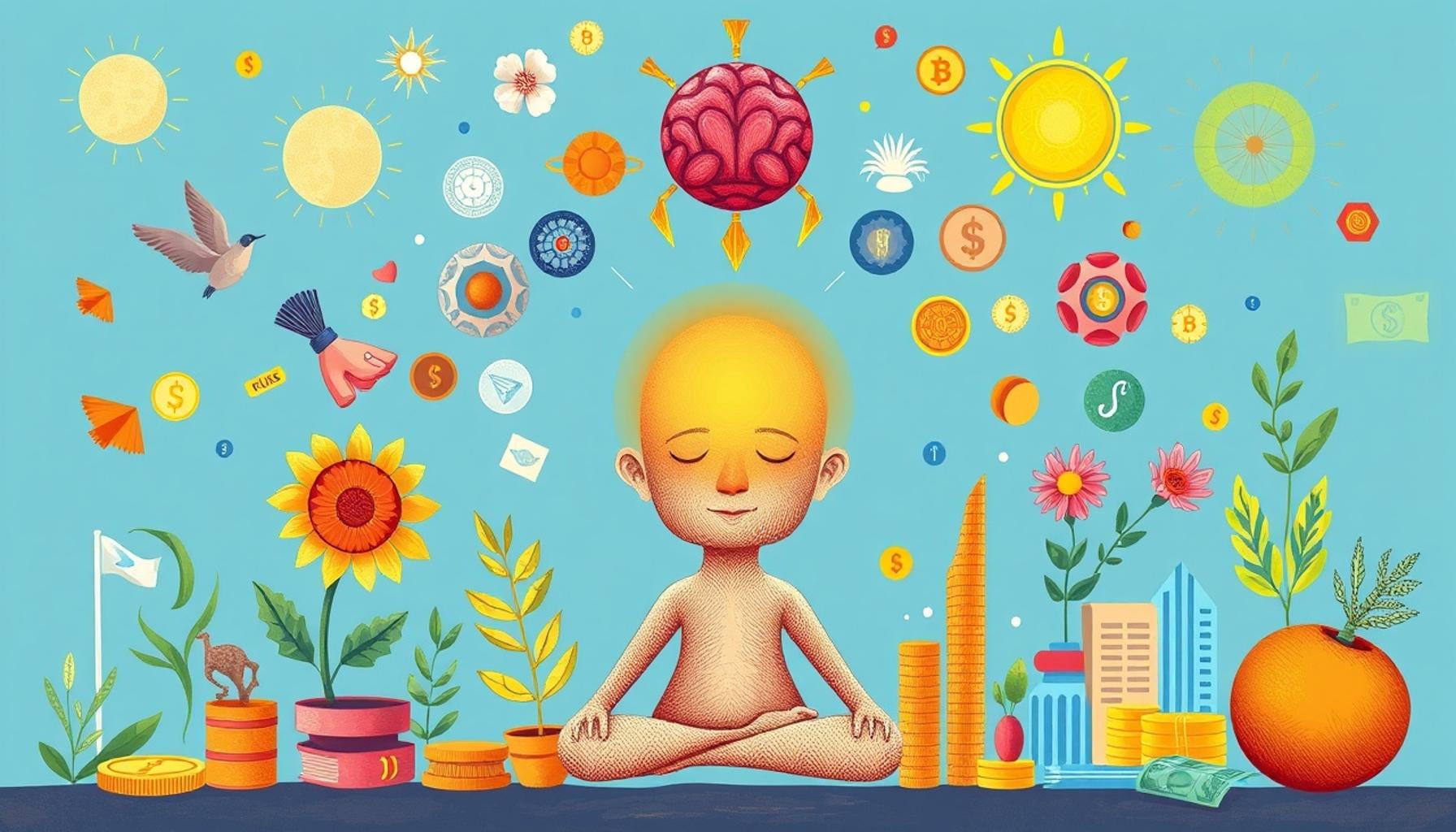
The Art of Living with Less: Integrating Mindfulness into Minimalism

The Importance of Embracing Simplicity in Modern Life
In a world oversaturated with distractions and possessions, the quest for simplicity has never been more relevant. The art of living with less not only promotes a more organized environment but also encourages a deeper connection with ourselves and the world around us. In the hustle and bustle of everyday life, the pursuit of simplicity stands out as a refreshing counterbalance to the overwhelming noise and chaos. Many individuals across the United States are discovering that by intentionally choosing to simplify their lives, they can enhance their overall sense of well-being.
Integrating mindfulness into minimalism offers a holistic approach to embracing simplicity. Mindfulness practices encourage individuals to focus on the present moment, which cultivates a sense of awareness that can significantly improve daily experiences. For instance, engaging in mindful activities such as meditation or yoga can sharpen one’s ability to appreciate the present, paving the way for a more profound appreciation of life’s simple joys.
Moreover, mindfulness can lead to several notable benefits:
- Reduced stress: Less clutter translates directly to a clearer mind. By decluttering both physical spaces and mental clutter, individuals find that stress levels significantly decrease, creating a more serene living environment.
- Increased focus: Mindfulness enhances our ability to concentrate on the present moment, which can improve productivity and creativity. People often find that they are able to accomplish more when they focus singularly on a task rather than multitasking.
- Enhanced gratitude: When individuals learn to appreciate what they have and reflect on their experiences, they cultivate a deeper sense of fulfillment. This often leads to a shift in values, prioritizing experiences and relationships over material possessions.
These principles extend far beyond mere decluttering; they encompass a lifestyle that values experiences over possessions. According to surveys, nearly 30% of Americans express feeling overwhelmed by their belongings, indicating a widespread need for a shift in perspective. Furthermore, recent studies indicate that people who actively engage in decluttering often report significant improvements in their emotional well-being, demonstrating a strong correlation between minimalism and mental health.
As more people in the United States turn to minimalism, the incorporation of mindful practices can elevate this journey, making it more meaningful and introspective. This can be particularly seen in trends like “digital detoxes,” where individuals disconnect from technology and social media to reconnect with themselves and their surroundings.
Join us in uncovering practical strategies to foster a minimalist lifestyle enriched by mindfulness. By simplifying our external environments and adopting mindful practices, we can discover that living with less can, in fact, lead to living more fully—and harnessing our inner peace as we navigate an increasingly complicated world.
Uncovering Mindful Minimalism: Practical Strategies
The journey toward embracing a minimalist lifestyle infused with mindfulness begins with small, intentional steps. To create a sustainable approach to living with less, it’s essential to incorporate practices that promote awareness and intentionality throughout the decluttering process. Here are several practical strategies that can transform the way individuals interact with their possessions and overall environment:
- Set Clear Intentions: Before diving into decluttering, take a moment to reflect on personal values and desires. Defining clear intentions about what living with less means for you sets the foundation for the journey ahead. Whether it’s reducing stress, increasing time for hobbies, or fostering deeper relationships, knowing your “why” can guide decisions about what to keep and what to let go.
- Introduce the One-In, One-Out Rule: A practical way to manage the accumulation of possessions is to adopt the one-in, one-out rule. Each time a new item enters the household, an old item must leave. This rule not only curbs impulse buying but also encourages individuals to think critically about their needs and the long-term value of their belongings.
- Engage in Mindful Cleaning Rituals: Transform cleaning and organizing sessions into mindful rituals. Instead of viewing decluttering as a daunting chore, approach it as an opportunity for reflection and gratitude. As items are sorted, take the time to appreciate their role in your life while recognizing the impact of letting go. This could foster a stronger emotional connection to the space you inhabit.
- Establish Regular Digital Detoxes: In an age dominated by technology, regular digital detoxes are crucial for maintaining mental clarity. Designate specific times to unplug from devices, including social media and email. This respite can help individuals reconnect with their thoughts, feelings, and surroundings, embodying the merger of mindfulness and minimalism.
- Create a Capsule Wardrobe: Simplifying clothing choices through a capsule wardrobe can save valuable time and mental energy. By selecting a limited number of versatile pieces that reflect personal style, individuals can streamline daily decisions and reduce clutter. This practice encourages a mindful examination of what truly brings joy and usefulness to one’s life.
By incorporating these strategies into daily life, individuals not only declutter their physical space but also cultivate a more mindful approach to consumption and experience. Consider that preliminary studies indicate individuals who actively practice mindfulness report lower levels of anxiety and depression, illustrating that the benefits of a mindful minimalist lifestyle extend beyond just physical possessions.
As the minimalist movement gains traction in the United States, it’s clear that embracing a life of less is also about gaining more—more time, more clarity, and more joy. Through mindful practices, the act of living with less becomes a transformative journey that reshapes both personal environments and emotional landscapes.
| Advantage | Description |
|---|---|
| Mental Clarity | Integrating mindfulness into minimalism reduces mental clutter, leading to enhanced focus and creativity. |
| Emotional Well-being | Living with less encourages reflection and emotional balance, promoting a lifestyle grounded in peace and contentment. |
Exploring the intersection of minimalism and mindfulness reveals transformative benefits for individuals. Mental clarity is often cited by practitioners as a key advantage of adopting this lifestyle. When one embraces minimalism alongside mindfulness, there’s an inherent reduction in distractions that fosters a conducive environment for creativity to thrive. Without the excess of physical and mental clutter, individuals often report an increased ability to focus on tasks, leading to more successful outcomes and enriched creativity.Moreover, emotional well-being significantly improves as individuals learn to appreciate life’s simple joys. This approach nurtures a sense of peace, allowing for introspection and emotional balance. The practice of mindfulness promotes a deeper understanding of oneself, leading to a profound sense of contentment in what one already possesses. By integrating mindfulness practices into daily routines, individuals cultivate a nourishing atmosphere that embraces simplicity, thus enhancing their overall quality of life.Embracing these principles not only addresses personal growth but also facilitates a broader appreciation for what is truly important, resulting in a meaningful and fulfilling way of living.
Mindfulness and Minimalism: Elevating Everyday Experiences
The intersection of mindfulness and minimalism can lead to profound shifts not only in how individuals view their possessions, but also in how they engage with their daily lives. By focusing on simplicity and presence, one can enhance experiences in every moment. Here are some practices that help to intensify the connection between mindfulness and minimalism in everyday routines:
- Practice Gratitude Daily: Integrating a daily gratitude practice cultivates a sense of appreciation for the simple things in life. Whether it’s a warm cup of coffee or a sunny afternoon, recognizing and celebrating these small joys can shift focus away from material possessions and toward experiential fulfillment. Consider keeping a gratitude journal to document these moments, reinforcing a mindset of abundance despite physical limitations.
- Mindful Consumption: As we navigate a consumer-driven society, being selective about purchases becomes an act of mindfulness. Take time to research and contemplate before making a new purchase; ask yourself if the item aligns with your values and intentions. This not only prevents unnecessary accumulation but also empowers individuals to invest in quality items that enrich their lives.
- Designate Mindful Spaces: Create areas in your home specifically for reflection and mindfulness practices. This could include a cozy reading nook or a quiet meditation corner devoid of distractions. Such spaces serve as retreats that remind us of the importance of rest and introspection, reinforcing a minimalist lifestyle focused not just on physical decluttering but mental clarity as well.
- Incorporate Mindful Eating: Eating mindfully slows down the consumption process, allowing for greater enjoyment and awareness of food choices. With fewer distractions at mealtime, individuals can appreciate flavors, textures, and the nourishment that food provides. Practicing this mindful approach parallels the minimalist philosophy of intentional living, enhancing the experience of eating as a ritual rather than a routine.
- Limit Commitments: Embracing minimalism goes beyond physical possessions; it also extends to how we manage our time. Overcommitting can lead to stress, contrasting the desired calm of a minimalist lifestyle. Learn to say no to activities and obligations that do not align with your values and intentions, creating more space in your schedule for the things that truly matter.
Adopting these practices not only supports the minimalist ethos but also fosters a deeper sense of self-awareness and fulfillment. In fact, research has indicated that engaging in mindfulness can improve overall well-being, enhancing life satisfaction and emotional resilience.
Moreover, as society increasingly embraces a fast-paced lifestyle driven by convenience and excess, aligning with a mindful minimalist philosophy offers a counter-narrative that champions simplicity and thoughtful engagement. It’s a powerful reminder that living with less is not about deprivation, but rather about finding abundance in the presence of what truly enriches our lives.
With every mindful choice, individuals can decode messages of societal value and redefine success—not necessarily through accumulation, but through experience and intention. This paradigm shift in perspective may just provide the foundation for a more meaningful way of living, revealing the endless possibilities that accompany the art of living with less.
Conclusion: Embracing a Mindful Minimalist Lifestyle
In a world that often equates success with material accumulation, integrating mindfulness into minimalism offers a refreshing perspective. By focusing on intentional living, individuals can discover that the true richness of life lies not in what we own, but in how we experience each moment. Mindfulness encourages us to appreciate the small joys that often go unnoticed amidst the chaos of everyday life. Through practices such as gratitude journaling, mindful consumption, and the creation of serene spaces, we can deepen our connection to both our surroundings and ourselves.
Ultimately, the art of living with less is about curating our lives to prioritize the things that truly matter—be it meaningful relationships, personal growth, or self-awareness. As research underscores the mental well-being benefits linked to mindfulness, adopting a minimalist mindset becomes not just a lifestyle choice, but a pathway to enhancing overall life satisfaction.
As we navigate the complexities of modern living, the philosophy of mindful minimalism serves as a counterbalance to the pressures of excess. It empowers us to redefine our values, prioritizing experiences over possessions and paving the way for more fulfilling lives. The journey towards living with less invites individuals to explore the profound simplicity and clarity that can emerge when we choose to let go of the non-essential. With each deliberate action towards minimalism, we open ourselves to a world rich with possibilities and contentment—reminding us that sometimes, less is indeed more.