The Role of Clutter in Our Relationships: How the Accumulation of Objects Affects Family Dynamics

Understanding Clutter’s Impact on Family Dynamics
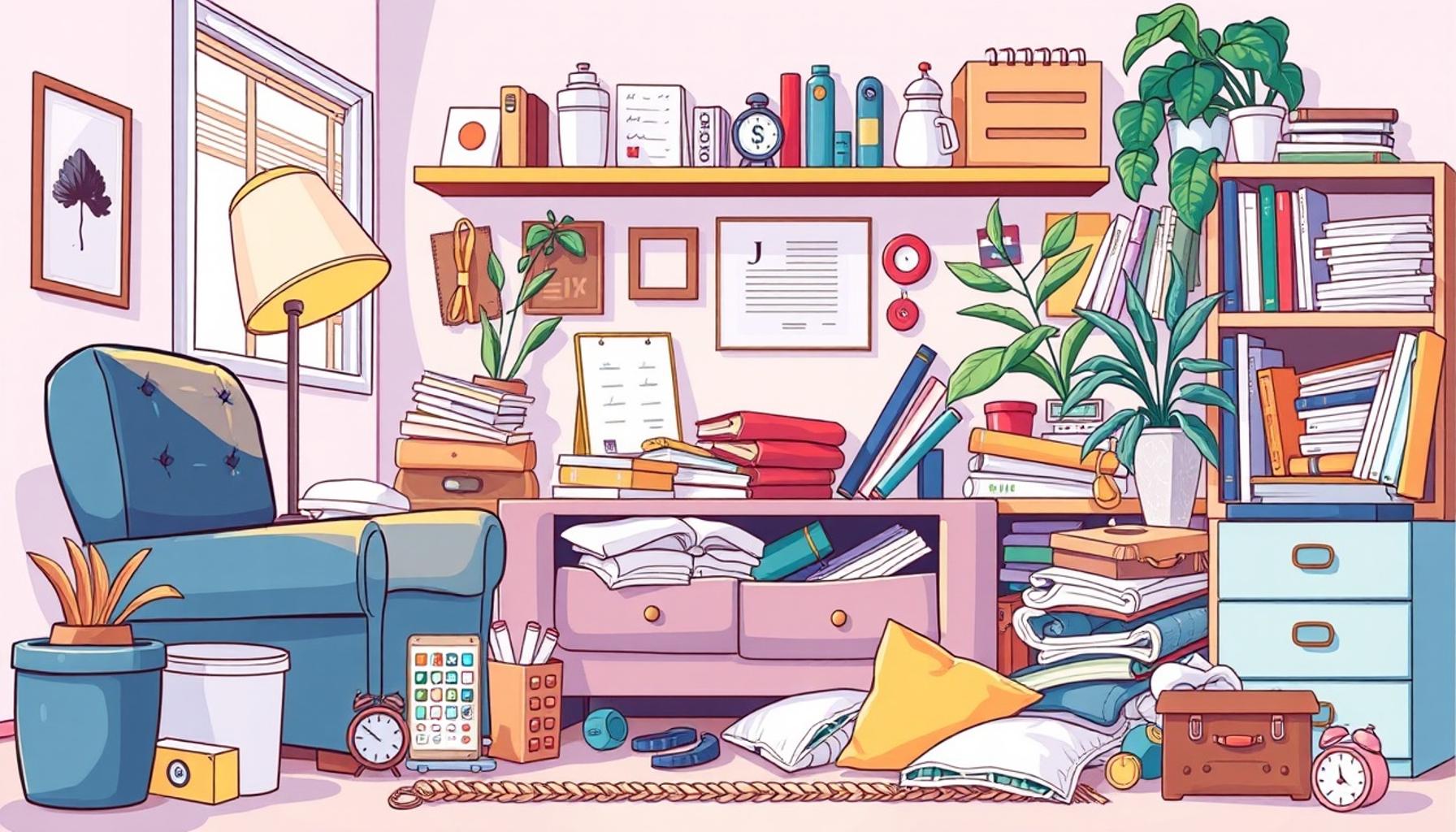
The physical environment we inhabit significantly affects our emotional well-being, and when clutter accumulates, it can profoundly impact family dynamics. In the chaos of modern life, where busy schedules and endless to-do lists dominate, it’s easy for belongings to accumulate, leading to an overwhelming sense of disorganization.
As we explore the ways clutter intersects with family relationships, certain factors come to light, affecting how we communicate and interact with one another. Here are some essential aspects to consider:
- Emotional Stress: An overload of possessions can exacerbate feelings of anxiety and frustration. For instance, a family member may feel overwhelmed by the constant visual reminders of chores that need attention, leading to a heightened sense of stress. Research shows that people who live in cluttered environments often report increased levels of depression and lower life satisfaction.
- Communication Breakdown: A disorganized space may unknowingly hinder open discussions among family members. For example, families may find themselves avoiding conversation in cluttered rooms, subconsciously associating the mess with unresolved issues. This disorganization can create barriers to effective communication, making it challenging for family members to express their thoughts and feelings.
- Interpersonal Conflicts: Disputes often arise over differing opinions on what should be kept or discarded. One family member might be sentimentally attached to certain items, while another views them as mere clutter. Decisions about disposing of possessions can lead to arguments, fostering resentment and misunderstanding within the household.
As families navigate the complexities of daily life, understanding the effects of clutter becomes pivotal. Some studies suggest that clutter can serve as a symptom of unresolved familial issues, highlighting a potential need for open dialogue and collaboration. A home littered with forgotten items may echo deeper emotional challenges that need addressing.
Could the cherished items we hold onto and the mess we overlook be influencing our interactions in more profound ways? Perhaps it is time for families to delve into what these belongings signify and how they affect their relationships. Decluttering can be seen not just as a physical task but as a pathway to fostering stronger bonds.
By actively engaging in conversations about belongings and jointly navigating the decluttering process, families can develop a shared understanding and cultivate a more harmonious living environment. Exploring the nuanced relationship between clutter and family dynamics unveils critical insights into how we communicate, relate, and thrive together. Acknowledgment of these dynamics can empower families to embrace change and foster healthier connections.
DIVE DEEPER: Click here to discover the benefits of time blocking
The Psychological Effects of Clutter on Family Members
The psychological ramifications of living in a cluttered environment can extend far beyond mere aesthetic concerns, influencing how family members perceive and interact with one another. When households are filled with disarray, it may create an atmosphere of tension and unease, complicating emotional exchanges among family members. Understanding the psychological effects of clutter can open pathways to more profound relationship dynamics.
Stress and Anxiety: Clutter can instigate feelings of stress and anxiety among family members, often manifesting as a sense of helplessness. For instance, a parent returning home to a cluttered space may feel an overwhelming urge to ‘get things done,’ leading to elevated cortisol levels, which can, in turn, affect their interactions with the family. Studies from the American Psychological Association indicate that individuals in chaotic environments experience a reduction in their ability to concentrate, resulting in greater irritability during family interactions. As the psychological pressure of clutter mounts, families may inadvertently drift apart, causing emotional detachment in what should be a nurturing environment.
Effects on Productivity: The correlation between clutter and productivity is noteworthy. A clutter-free space fosters a greater sense of control and productivity, leading to a more harmonious family atmosphere. In contrast, clutter can serve as a constant distraction, causing family members to procrastinate or engage in avoidance behavior. Parents may struggle to assist children with homework amidst a sea of unorganized materials, while spouses may find it challenging to complete household tasks. These interruptions can lead to frustration and misunderstandings, further complicating family dynamics.
Creating an Emotional Barrier
Clutter can act as an emotional barrier, hindering meaningful communication within families. The presence of unresolved items often serves as a physical reminder of past conflicts or emotional rifts. Family discussions about the accumulation of belongings may unintentionally resurface old grievances, making it challenging to reach resolutions. When clutter symbolizes neglected relationships or unacknowledged emotions, family members may resort to avoidance, leading to discord.
- Sentimental Value vs. Practicality: One significant source of conflict within families arises from differing perceptions of items’ sentimental value. For example, while a child may hold on to every toy from their childhood, a parent may view these items merely as clutter taking up valuable space. This dichotomy can lead to heated debates and feelings of disrespect for individual sentiments.
- Divided Responsibilities: In families where the responsibilities of decluttering fall unevenly on members, resentment can brew. If one parent takes it upon themselves to organize the home while the others turn a blind eye, feelings of inequality may emerge, leading to emotional distance.
- Lost Connections: As clutter accumulates, so does the emotional distance between family members. The sense of a displaced home can erode feelings of togetherness, with family members feeling more like roommates than loved ones.
In summary, clutter serves as more than an inconvenience; it embodies complex emotional underpinnings that can affect family relationships. Identifying these psychological impacts can pave the way for positive conversations and collaborative efforts, steering families toward healthier dynamics and environments. As families become aware of the profound influence clutter has on their relationships, they may be inspired to engage in meaningful dialogues about their belongings.
| Aspect | Impact on Relationships |
|---|---|
| Emotional Attachment | Accumulated objects can represent memories, leading to strong emotional ties that may hinder clearing out clutter. |
| Conflict Generation | Differences in values related to possessions can lead to disputes among family members, affecting harmony. |
Clutter significantly alters the dynamics within families. It fosters emotional attachment where objects become symbols of memories and experiences. This deep connection often leads to difficulty in letting go of items, despite their impact on space and emotional well-being. For example, a child’s toy might represent a pivotal moment in a family’s history, causing hesitation to declutter even if it contributes to chaos. Moreover, clutter can become a source of conflict, with varying values and organizational styles resulting in tension. One family member might thrive in a tidy space while another finds comfort in a more relaxed environment filled with sentimental items. Such differences can ignite arguments, drawing lines within family bonds. Recognizing these dynamics is essential, as it paves the way for improved communication and understanding on how to manage space together. The exploration of clutter’s role in relationships opens up avenues for deeper discussions and resolutions, ensuring healthier family dynamics.
DISCOVER MORE: Click here to delve deeper
Clutter as a Catalyst for Conflict
While clutter may appear benign at first glance, it can act as a catalyst for conflict within families. The accumulation of objects often triggers underlying tensions, revealing cracks in relationship dynamics. Understanding how clutter impacts interactions can illuminate ways to resolve tensions and foster harmony.
Disagreements Over Space and Boundaries
The physical space within a household is often tied to emotional and personal boundaries. When clutter encroaches on common areas, it can create a sense of violation of personal space. Family members may feel their environments are no longer reflective of their identities, leading to disputes over boundaries. For instance, one partner may wish to maintain a tidy living room, while the other might view the space as a canvas for their collected objects. This disparity can escalate into arguments, generating feelings of frustration and resentment that harm family relationships.
- Impact on Shared Spaces: Shared spaces such as kitchens, living rooms, and dining areas are crucial for fostering connections. When clutter invades these communal areas, it results in a lack of comfort and togetherness. Imagine a family trying to enjoy dinner in a disorganized kitchen; the clutter can dampen the experience and create discord, leading to insufficient quality time spent together.
- Generational Conflict: The approach to clutter varies significantly across generations. Younger family members may be more inclined to embrace minimalism, viewing clutter as an unnecessary weight, while older generations may associate certain objects with cherished memories. These differing perspectives can lead to clashes when deciding what to keep or discard, reinforcing generational divides in the family.
- Resistance to Change: Family members often resist changes in their environment, especially when it comes to decluttering. This resistance can result in subtle pressures and confrontations. If one member of the household is proactive about organizing the space while others remain attached to their clutter, it can breed feelings of inadequacy or frustration among those who are resistant to change.
A Healthier Perspective on Clutter
Recognizing clutter as a source of conflict does not mean that families must discard their treasures. Instead, a healthier perspective emphasizes the importance of open dialogue about the meaning of objects. Families can benefit from discussing their attachments to particular items and reaching mutual agreements about what to retain or relinquish. Engaging in group decluttering activities can turn a potentially divisive issue into a bonding experience, promoting collaboration and shared goals.
- Encouraging Reflection: Family members can benefit from reflecting on their relationships with belongings. By articulating why certain items hold value, family members can better understand each other’s feelings and foster empathetic communication. This practice can defuse the emotional charge associated with clutter.
- Creating a Family Ritual: Establishing a regular family ritual for decluttering—such as a seasonal cleanout or a monthly review of shared spaces—can encourage teamwork. These rituals can evolve into occasions for connection, allowing families to bond over shared experiences while also addressing the accumulation of objects.
- Setting Clear Expectations: Clear expectations around responsibility for clutter can help alleviate tensions. By assigning specific areas or items to certain family members, individuals may feel a sense of ownership that decreases conflict. Proactive communication regarding clutter and its management can transform it from a source of contention into a manageable aspect of family life.
Through understanding clutter’s role as a potential catalyst for conflict, families can work together to address the emotional weight of accumulated items, paving the way for healthier interactions and stronger connections.
DISCOVER MORE: Click here to learn about time blocking
Concluding Thoughts on Clutter and Family Dynamics
In examining the role of clutter in our relationships, it is evident that the presence of accumulated objects can deeply influence family dynamics. Clutter transcends mere physical disorder; it carries emotional significance that can strengthen or strain relationships within a family unit. By recognizing how clutter can symbolize boundaries, identity, and generational values, families can approach the topic with a greater sense of awareness and empathy.
This exploration highlights the necessity of fostering open communication about belongings and the emotional weight they carry. Implementing strategies such as shared decluttering rituals not only encourages collaboration but also turns a potential source of conflict into an opportunity for connection. As family members engage in meaningful discussions around their attachments to objects, they cultivate an environment that prioritizes transparency and understanding, strengthening familial bonds.
Furthermore, the impact of clutter on shared spaces cannot be overlooked. By establishing clear expectations around organization and maintaining respectful boundaries, families can create a more harmonious home environment where all members feel valued. Acknowledging the significance of clutter and its influence on relationships allows families to navigate challenges more effectively, paving the way for a more balanced and fulfilling family life.
As this discussion underscores, addressing clutter is not solely about achieving a tidy living space; it is a profound reflection of how families choose to communicate, collaborate, and connect. Ultimately, the journey towards decluttering can emerge as a path not just to a cleaner home but towards deeper relationships and a stronger family unit.

Beatriz Johnson is a seasoned minimalist and writer with a passion for simplifying the complexities of personal organization and decluttering. With over a decade of experience in the field, she specializes in topics like minimalist living, efficient organization strategies, and creating intentional spaces. Through her work, Beatriz empowers readers to make mindful decisions about their belongings, streamline their lives, and embrace a more organized and fulfilling lifestyle.