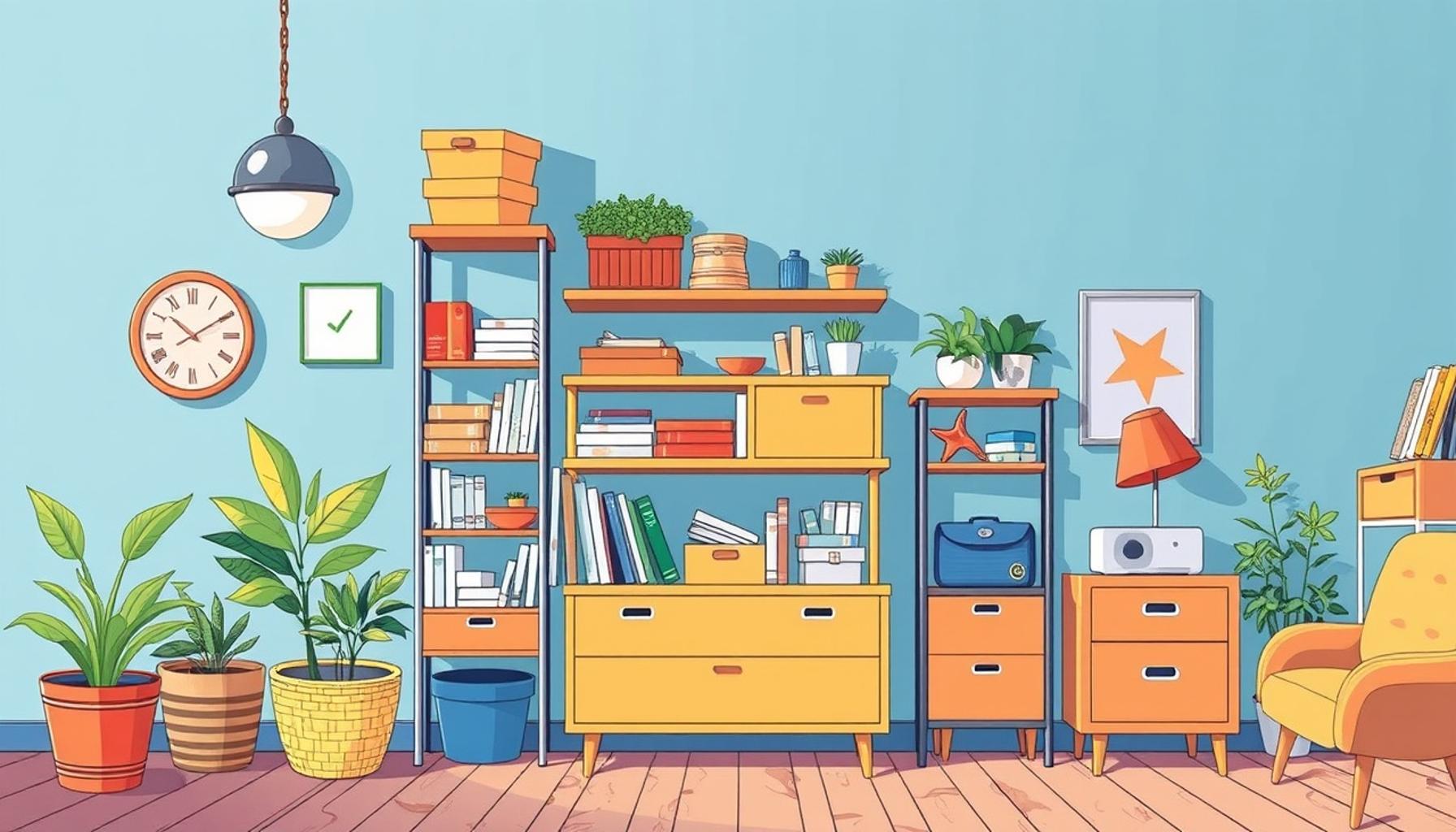
The Psychology of Space: How Minimalism and Spatial Efficiency Enhance Mental Clarity
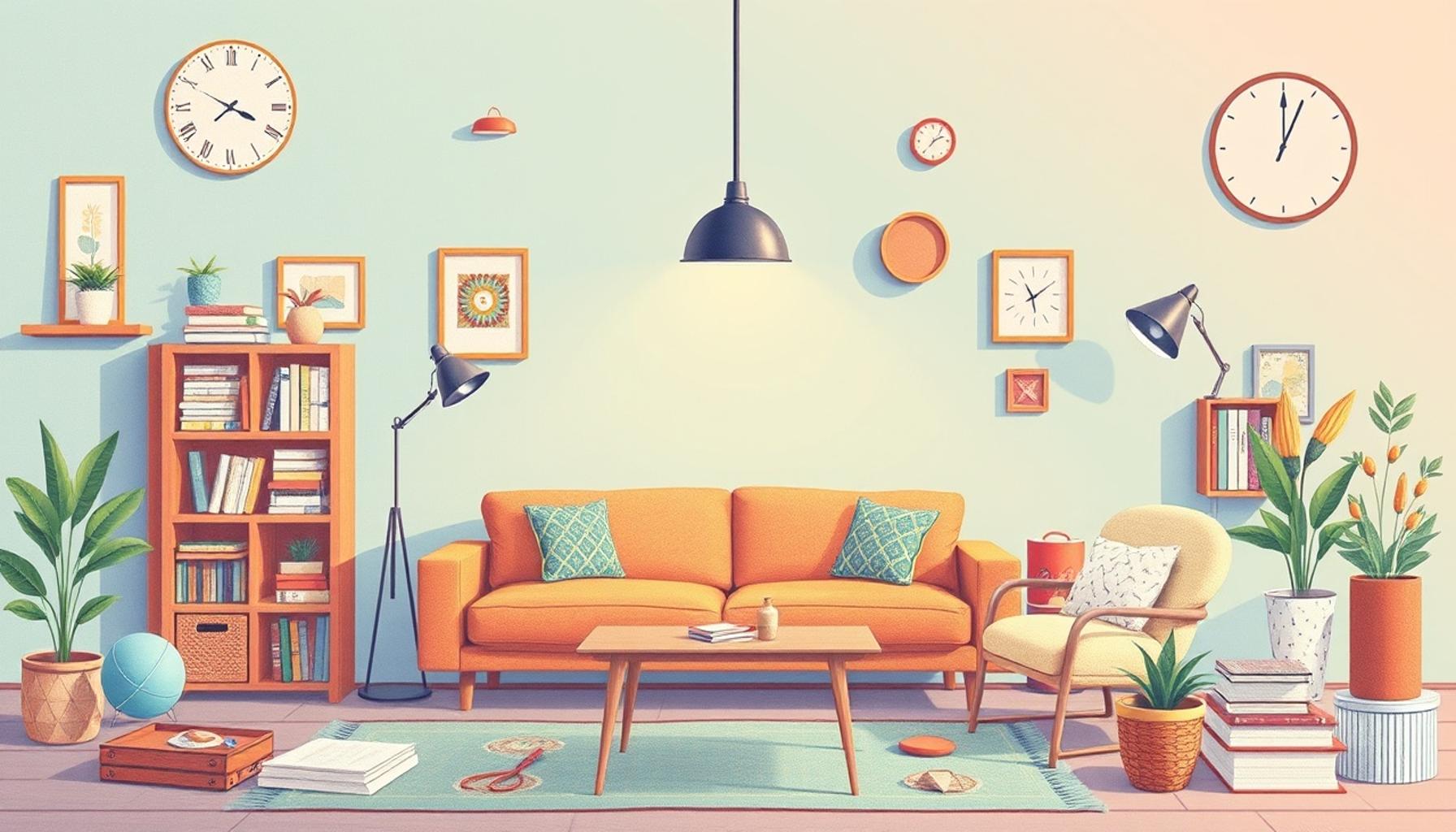
Exploring the Depths of Minimalism
In today’s fast-paced world, the concept of minimalism has gained traction, evolving from a mere design trend to a profound lifestyle choice. By stripping away excess, individuals often find clarity that extends beyond their physical surroundings. This connection between space and mental well-being is becoming more evident. Minimalism encourages a thoughtful approach to living that resonates deeply in urban settings, where overcrowded environments can lead to sensory overload and stress.
Why Consider Space Psychology?
Understanding the psychology of space involves examining how our environments influence our thoughts and emotions. Here are key points to consider:
- Clutter Effects: A disorganized space can lead to increased anxiety and diminished focus. Studies indicate that individuals in cluttered environments often report higher levels of stress, which can hinder productivity and overall happiness.
- Minimalist Design: Simplified spaces promote peace and enhance productivity. Researchers have found that workplaces with fewer visual distractions lead to improved concentration and job performance, showcasing how simplicity can be a powerful motivator.
- Spatial Efficiency: Thoughtful layouts can optimize emotional and cognitive responses. For example, using open layouts and natural light can create an inviting atmosphere that elevates mood and fosters engagement among occupants.
As people seek tangible ways to boost their mental clarity, the relationship between physical space and psychological health becomes increasingly relevant. Research has shown that a well-structured environment directly impacts our mood and efficiency, suggesting that a shift toward minimalism may be beneficial not just for personal spaces, but also for workplaces and public areas.
Real-Life Applications
Consider these practical examples of how minimalist principles can foster a clearer mind:
- Organized Workspaces: Employees in minimalist offices report higher job satisfaction, reflecting a growing trend among leading companies such as Google and Apple, where streamlined designs aim to improve creativity and collaboration.
- Decluttered Homes: A tidy living space is linked with lower stress levels; studies show that households that practice decluttering regularly experience reduced anxiety, making way for a more serene living environment.
- Intentional Decor: Thoughtful choices can inspire creativity and calmness. In cities like San Francisco and New York, many are embracing the philosophy of “less is more,” opting for decor that not only pleases the eye but also supports tranquility and mindfulness.
As we delve deeper into the benefits of minimalism and spatial efficiency, a new understanding of how to create environments that nurture mental clarity and well-being emerges. By integrating these minimalist practices into everyday life, individuals can cultivate a sense of calm amid the chaos, ultimately leading to richer and more fulfilling experiences both personally and professionally.
DISCOVER: Click here to uncover the benefits of time blocking
The Power of Organized Spaces
As we immerse ourselves in the psychology of space, it becomes clear that our mental well-being is deeply intertwined with our physical environments. The relationship between clutter and cognitive function is particularly compelling. Research shows that living or working within a cluttered space may lead not only to higher stress levels but also to decreased focus and productivity. This creates a cycle of anxiety that can be challenging to escape. The brain, inundated with visual stimuli, struggles to prioritize tasks, ultimately impacting overall performance in both personal and professional spheres.
Understanding the Impact of Clutter
When examining the connection between space and psychology, the implications of clutter cannot be overstated. According to a study published in the journal Personality and Social Psychology Bulletin, individuals surrounded by clutter tend to exhibit more feelings of frustration and helplessness. Furthermore, the study indicates that emotional distress is often exacerbated by disorganization, leading to a potent cocktail of mental unrest. Acknowledging these findings, one can better understand why minimalism serves as a transformative remedy in fostering mental clarity.
- Visual Overload: A cluttered environment creates unnecessary distractions, making it difficult for individuals to concentrate. This can be particularly detrimental in settings like classrooms or offices, where focus is paramount.
- Emotional Weight: Each item left in a state of disarray can become a psychological burden, serving as a reminder of unresolved tasks or stressors. Reducing clutter can facilitate emotional healing by eliminating these daily triggers.
- Overwhelm and Decision Fatigue: The more items in one’s environment, the more decisions one faces—often leading to decision fatigue. By simplifying spaces, individuals can alleviate this mental strain and enhance their decision-making abilities.
The notion of spatial efficiency also plays a vital role in mental clarity. Strategic organization and a minimalist approach to design can create a sense of harmony that deeply affects emotional states. For instance, in workplaces configured to promote collaboration, research has shown a marked improvement in employee morale and teamwork. Companies have recognized the value of transparency and open spaces, moving away from the classic cubicle model to layouts that inspire engagement and creativity.
Furthermore, residential spaces operating under minimalist principles tend to foster a sense of relaxation and mindfulness. As individuals curate their belongings, the act of decluttering becomes a therapeutic ritual that not only simplifies their environment but also cultivates a more focused and tranquil mind. This intentionality in organizing one’s habitat can lead to profound changes in how one feels and interacts with their surroundings.
By examining how spatial efficiency and minimalism can optimize our environments, we unlock new pathways to enhanced mental clarity. Whether in the context of work or home life, the principles of minimalism encourage us to rethink our relationship with our surroundings, leading to deeper well-being and a more fulfilling existence.
| Advantages | Impact on Mental Clarity |
|---|---|
| Enhanced Focus | With fewer distractions, individuals can concentrate more effectively on tasks, leading to increased productivity. |
| Reduced Stress | A minimalist environment can foster a sense of calm, helping to alleviate anxiety and promoting a clearer mindset. |
| Improved Creativity | A structured space allows the mind to roam freely, enhancing creative thinking and problem-solving capabilities. |
| Space Optimization | Efficient use of space facilitates better organization, which can minimize mental clutter and facilitate clearer thought processes. |
The integration of these principles encapsulates the essence of minimalism and spatial efficiency, where each element in a space serves a purpose, thereby contributing significantly to one’s mental clarity. As more people embrace this approach, the cumulative effects on their daily lives are evident—whether in homes, workplaces, or public spaces. Research indicates that an organized environment not only enhances cognitive functions but also leads to overall well-being. Minimalism, as a lifestyle choice, encourages individuals to redirect focus from possessions to experiences, further cultivating a serene mindset conducive to creativity and problem-solving. Such insights invite a deeper exploration into how our environments shape not just our behavior, but our psychological health as well.
DIVE DEEPER: Click here to discover the power of time blocking
The Role of Design in Mental Clarity
Beyond mere organization and decluttering, the design elements of our spaces significantly influence our mental states. The principles of minimalism extend into architectural choices and interior arrangements, reinforcing the connection between aesthetics and mental well-being. A well-designed environment can inspire creativity, elevate moods, and encourage productivity. Natural light, for instance, has been shown to boost serotonin levels, fostering a more vibrant atmosphere that contrasts sharply with dimly lit, cramped spaces.
Incorporating Nature into Design
Biophilic design, which integrates elements of nature into built environments, has gained traction as an effective approach to enhancing psychological health. Research from the Journal of Environmental Psychology indicates that exposure to nature can lead to lower levels of stress and anxiety, while increasing focus and attention spans. Incorporating plants, natural materials, and views of the outdoors into our spaces not only enhances aesthetic appeal but also uplifts our mental states. For example, offices with green elements see significant improvements in employee satisfaction and productivity, as the presence of plants has been associated with reduced fatigue and an overall increase in well-being.
- Natural Light: Large windows and open layouts that maximize sunlight exposure can transform an environment and enhance mood. Studies indicate that workplaces flooded with natural light see marked increases in employee happiness and performance.
- Color Psychology: Colors convey emotions and can significantly affect mood. Warm tones can create a welcoming environment, while cooler shades may lead to feelings of calm and tranquility. Thoughtful color choices in spaces can reinforce desired emotional states.
- Functional Layouts: Spaces designed with specific functions in mind, such as quiet zones for focus and open areas for collaboration, encourage their intended use, leading to a more efficient workflow and a sense of purpose.
As the idea of spatial efficiency gains traction, many companies and individuals are beginning to understand the significance of flexible workspaces. Instead of rigid layouts, adaptable environments allow for spaces that can be transformed to meet varying needs throughout the day. For instance, the trend of co-working spaces has emerged in response to the demand for collaborative yet private environments. These designs not only support diverse working styles but also promote community and interaction. Evidence suggests that social connections in workplaces enhance team cohesion, leading to increased motivation and creativity.
Technology and Smart Spaces
In today’s digital age, technology plays a crucial role in enhancing spatial efficiency. Smart home innovations, for instance, allow individuals to customize their environments in ways that can promote mental clarity. Automated lighting, climate control, and even furniture arrangement can all be adjusted to suit specific preferences, creating a responsive space that can adapt to mood and task requirements. The integration of technology not only empowers users but also encourages conscious engagement with their surroundings, fostering a sense of control that is vital for mental well-being.
Ultimately, the psychology of space is multi-faceted, encompassing the organization, design, and technological integration of our environments. The harmonious blend of these elements fosters an atmosphere conducive to mental clarity, where minimalism and spatial efficiency can profoundly influence cognitive function and emotional health. Increasing awareness of these relationships encourages individuals to re-evaluate their spaces, driving the pursuit of designs that enhance well-being and productivity.
DISCOVER MORE: Click here to learn about time blocking
Conclusion
In exploring the psychology of space, we uncover the profound impact that minimalism and spatial efficiency have on our mental clarity and emotional health. As we have discussed, thoughtfully designed environments—characterized by elements such as natural light, combined with biophilic design and technology—create settings that not only foster productivity but also enhance overall well-being. The power of a decluttered space aligns with the principles of minimalism, encouraging peace of mind and focus, which is essential in our fast-paced world.
This article highlights the importance of integrating nature, color psychology, and functional layouts into our living and working environments. By reimagining the spaces we inhabit, we allow ourselves the opportunity to perform at our best, both mentally and emotionally. In a time where flexible workspaces are increasingly favored, the adaptability of our surroundings can cater to various needs, promoting social interaction and community bonding, which are critical components of workplace satisfaction.
As individuals strive to cultivate mental clarity in their lives, they are encouraged to reflect on the relationship between their surroundings and their inner state. By actively engaging with the design principles and advancements in technology that promote spatial efficiency, we can create environments that support creativity, reduce stress, and ultimately enhance our quality of life. The journey to mental clarity is not just a personal endeavor but an opportunity to transform our shared spaces into havens of serenity and productivity.

Beatriz Johnson is a seasoned minimalist and writer with a passion for simplifying the complexities of personal organization and decluttering. With over a decade of experience in the field, she specializes in topics like minimalist living, efficient organization strategies, and creating intentional spaces. Through her work, Beatriz empowers readers to make mindful decisions about their belongings, streamline their lives, and embrace a more organized and fulfilling lifestyle.