The Minimalist Kitchen: Streamlining Cooking Spaces for Maximum Efficiency
Understanding Minimalism in the Kitchen
In an era where distractions abound and time is a luxury, adopting a minimalist kitchen philosophy can transform not just your cooking experience but also your overall lifestyle. At its core, minimalism promotes simplicity and efficiency, creating an environment that enhances focus and creativity while preparing meals.
Key Aspects of a Minimalist Kitchen
What truly sets a minimalist kitchen apart? It’s the intentional design and thoughtful selection of elements that simplify the cooking process. Below are some pivotal features that characterize a minimalist kitchen:
- Decluttered countertops: A clean, organized surface serves as the foundation for any cooking endeavor. It minimizes the visual chaos that can lead to stress and distraction. Experts suggest setting aside time regularly to clear countertops of unnecessary items, allowing for an open space to work in.
- Multifunctional tools: Investing in kitchen gadgets that serve several purposes can save not only money but also precious space. For instance, a high-quality food processor can chop, blend, and knead, replacing several separate appliances that take up room and add to the clutter.
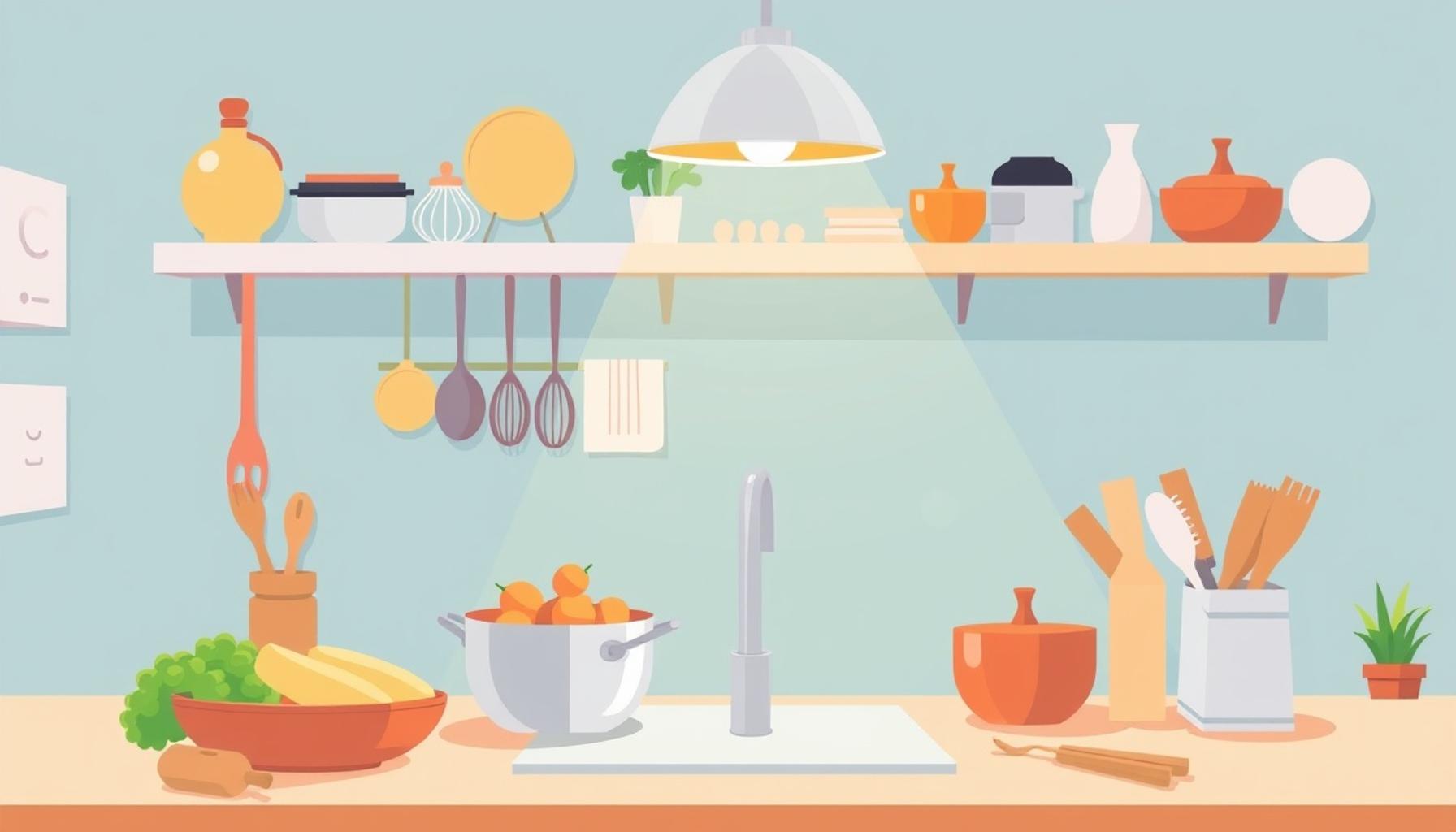
- Smart storage solutions: Embracing innovative storage options, such as magnetic racks for knives or pull-out shelves for ease of access, can drastically enhance organization. Use the vertical space by installing shelves or hanging hooks, which can keep frequently used utensils within reach while freeing up counter space.
Efficiency Through Organization
Streamlining your kitchen can yield remarkable time savings. Research indicates that a well-organized kitchen can cut task completion times by as much as 30%. This is particularly evident during busy weeknights when quick meal preparation is essential. With a decluttered environment, you can grab what you need instantly, thereby expediting your cooking routine.
Mindfulness and Sustainability
Beyond efficiency, adopting a minimalist kitchen is closely linked to the principles of sustainable living. Here are some significant benefits:
- Less food waste: A minimalist kitchen encourages intentional shopping and meal planning. When you know what you have on hand and have designated spaces for ingredients, it becomes easier to utilize everything you purchase.
- Reduced energy consumption: Fewer kitchen gadgets can equate to lowered utility bills. With a focus on essential tools, you often find that traditional stoves or ovens suffice, making a significant impact on your energy expenditure.
- Enhanced well-being: A serene kitchen fosters a mindful cooking practice. Preparing meals in a peaceful, uncluttered environment can turn cooking into a meditative experience rather than a chore, promoting a greater connection with your food.
Conclusion
As you delve into the minimalist kitchen aesthetic, you may uncover not just improved organization but a holistic approach to cooking and lifestyle. This design choice encourages mindfulness and clarity, allowing you to enjoy the art of cooking and the satisfaction that comes with a well-prepared meal.
DISCOVER MORE: Click here to learn about the power of time blocking
The Art of Choosing What Matters
Creating a minimalist kitchen starts with the conscious choice of items that truly add value to your culinary space. It’s about more than just aesthetics – it’s a fundamental shift in how we interact with our kitchens. When considering the elements of your kitchen, ask yourself: Does this item serve a purpose? Does it inspire creativity in cooking? If the answer is no, it might be time to let go.
Essentials of Minimalist Design
The design of a minimalist kitchen revolves around key essentials that enhance functionality while reducing clutter. Here are some vital components to consider:
- Quality over quantity: Invest in fewer, high-quality items instead of accumulating numerous cheap tools. A well-made chef’s knife, for instance, can outperform a collection of lesser knives in both efficiency and safety.
- Color palette: Select a cohesive color scheme that reflects your taste and promotes a calming atmosphere. Neutral shades can open up space and contribute to a sense of serenity, creating a more inviting cooking environment.
- Open shelving: This feature not only provides accessibility to your frequently used utensils and plates, but also breathes life into your kitchen by allowing you to showcase your favorite pieces. By arranging items aesthetically, you also encourage a tidy atmosphere that is easy to maintain.
The Importance of Functionality
In a minimalist kitchen, functionality reigns supreme. For instance, a double-duty island can serve as both a food prep area and a dining space, effectively maximizing the utility of your kitchen layout. It’s crucial to evaluate your kitchen’s workflow to determine the best way to arrange your components. This might involve positioning the oven, refrigerator, and prep areas in a triangular layout, which is both efficient and convenient for cooking.
Responsive to Needs
A minimalist kitchen isn’t merely about aesthetics; it’s about being responsive to your culinary needs. This includes tailoring the selection of ingredients you keep on hand to align with your cooking habits. For example, if you often prepare seasonal dishes, maintaining a restricted inventory focused on fresh herbs and local produce can streamline meal prep while encouraging creativity in the kitchen.
As you declutter and streamline, it becomes vital to embrace a philosophy of mindful consumption. This not only applies to the items in your kitchen but also to the shopping and cooking practices you adopt. By choosing to be intentional about what enters your space, you can cultivate an environment that nourishes your culinary journey and enhances overall efficiency.
In conclusion, the journey toward a minimalist kitchen requires thoughtful consideration of each item present in the space. By prioritizing quality, functionality, and mindful consumption, you can create a cooking environment that reflects simplicity and encourages better habits, ultimately transforming your time spent in the kitchen into a more enjoyable experience.
| Advantage | Description |
|---|---|
| Enhanced Organization | Minimalist kitchens emphasize simplicity and organization, allowing chefs to easily access necessary tools and ingredients, improving workflow. |
| Visual Clarity | A clean, uncluttered environment reduces visual stress, allowing for greater focus on cooking tasks and creativity in meal preparation. |
| Space Optimization | By streamlining spaces and utilizing multifunctional furniture and storage solutions, minimalist kitchens maximize every square inch for efficiency. |
| Sustainability | Minimalist design often incorporates eco-friendly materials and energy-efficient appliances, promoting sustainable cooking habits. |
The advantages of adopting a minimalist kitchen design extend beyond aesthetics; they directly impact the cooking experience. Enhanced organization not only promotes a clean environment but also facilitates culinary creativity and efficiency. In such thoughtfully crafted spaces, every utensil has its place, minimizing distractions and keeping chefs focused on their culinary creations.Furthermore, the principle of visual clarity plays a pivotal role in reducing the chaos often associated with cooking. This simplicity permits chefs to concentrate more intently on their craft, enriching their culinary skills.Equally important is space optimization, where multipurpose designs dramatically enhance the utility of smaller kitchen spaces, proving essential for modern living. Minimalist kitchens also align with current trends towards sustainability and energy efficiency, integrating eco-conscious choices that benefit both the cook and the planet. Embracing this approach encourages streamlined cooking practices, revolutionizing how we engage with food and function in the kitchen.
DISCOVER MORE: Click here for insights on time blocking
Creating a Cohesive Cooking Experience
To achieve maximum efficiency in a minimalist kitchen, it is essential to ensure that every aspect of the cooking space works harmoniously together. The coherence between appliances, tools, and design elements not only fosters a visually appealing environment but also enhances the cooking experience. One powerful method to facilitate this synergy is through the use of multifunctional appliances.
Embracing Multifunctionality
In today’s fast-paced world, multifunctional appliances are game-changers. For example, a convection oven can serve as both a toaster and a traditional oven, saving valuable counter space and reducing the number of devices you need. The rise of appliances such as the Instant Pot, which combines a pressure cooker, slow cooker, steamer, and more, perfectly aligns with minimalist principles while promoting efficiency in meal preparation.
Moreover, incorporating a food processor into your kitchen means fewer separate tools cluttering your cabinets. With the capability to chop, slice, shred, and puree, a food processor streamlines meal prep and allows for quicker transitions between stages during cooking. Such efficiency not only saves time but encourages a more relaxed cooking process, reducing stress in the kitchen.
Clever Storage Solutions
Storage is another cornerstone of a minimalist kitchen. The way you organize and store your kitchen items can drastically affect overall functionality. It’s advisable to utilize vertical space, which can easily be achieved with hanging racks for pots and pans or magnetic strips for knives. This keeps utensils within easy reach while freeing up counter space for food prep.
Additionally, consider investing in drawer organizers that accommodate cooking utensils and tools, allowing for easy access to what you need without rummaging through a clutter of items. By having a designated space for everything, your kitchen remains organized, and you can focus more on the creation of meals rather than diverting your attention to finding instruments buried at the back of a drawer.
Incorporating Natural Elements
Another aspect that can contribute to a functional yet minimal kitchen is the inclusion of natural elements. Using plants not only beautifies your space, but certain herbs like basil and mint can also serve a dual purpose as fresh ingredients within arm’s reach. With a small herb garden on your windowsill or countertop, you can elevate your dishes while keeping your kitchen inviting.
Furthermore, opting for natural materials like wood and stone adds warmth and authenticity, balancing the sleek look of modern appliances. These elements create a welcoming atmosphere that encourages you to spend time in your kitchen, and they harmonize beautifully with minimalist aesthetics.
By Following Sustainable Practices
A minimalist kitchen can also reflect sustainability. Evaluate your purchasing choices by opting for locally sourced ingredients and eco-friendly products. This not only reduces waste but can also enhance the flavors in your cooking. Composting organic waste from meal prep can further streamline your cooking ecosystem and eliminate unnecessary trash, promoting a healthier environment in both the kitchen and the planet.
In essence, the journey to a minimalist kitchen is about embracing simplicity and efficiency. By focusing on multifunctional tools, clever storage solutions, natural elements, and sustainable practices, you can create a cooking space that not only meets your daily needs but also inspires culinary adventures.
DISCOVER MORE: Click here to learn about the power of time blocking
Conclusion
In today’s increasingly hectic world, the concept of a minimalist kitchen transcends mere aesthetics; it embodies efficiency, functionality, and sustainability. By embracing multifunctional appliances, you make the most of your cooking space, allowing for seamless transitions during meal preparation. The strategic organization of kitchen tools through innovative storage solutions ensures that everything you need is within reach, reducing clutter and enhancing the overall cooking experience.
Moreover, incorporating natural elements into your kitchen, such as a small herb garden or using sustainable materials, not only beautifies your space but also creates a personal connection to your culinary creations. This combination of practicality and charm encourages a welcoming atmosphere, turning meal preparation into a joyful endeavor rather than a daily chore.
Finally, by adopting sustainable practices—such as sourcing local ingredients and utilizing composting techniques—your kitchen not only becomes a hub of efficiency but one that contributes positively to the environment. Such choices reflect a mindful approach to cooking that resonates with many modern individuals seeking balance in their lives.
In summary, a minimalist kitchen is more than just a trend; it is a lifestyle choice that fosters creativity, embraces sustainability, and streamlines the cooking process. As you embark on this journey, remember that every small adjustment counts, leading to a space that’s not only practical but one that ignites your passion for cooking.

Beatriz Johnson is a seasoned minimalist and writer with a passion for simplifying the complexities of personal organization and decluttering. With over a decade of experience in the field, she specializes in topics like minimalist living, efficient organization strategies, and creating intentional spaces. Through her work, Beatriz empowers readers to make mindful decisions about their belongings, streamline their lives, and embrace a more organized and fulfilling lifestyle.