
Creating a Zen Workspace: The Role of Space Efficiency in Minimalist Office Design
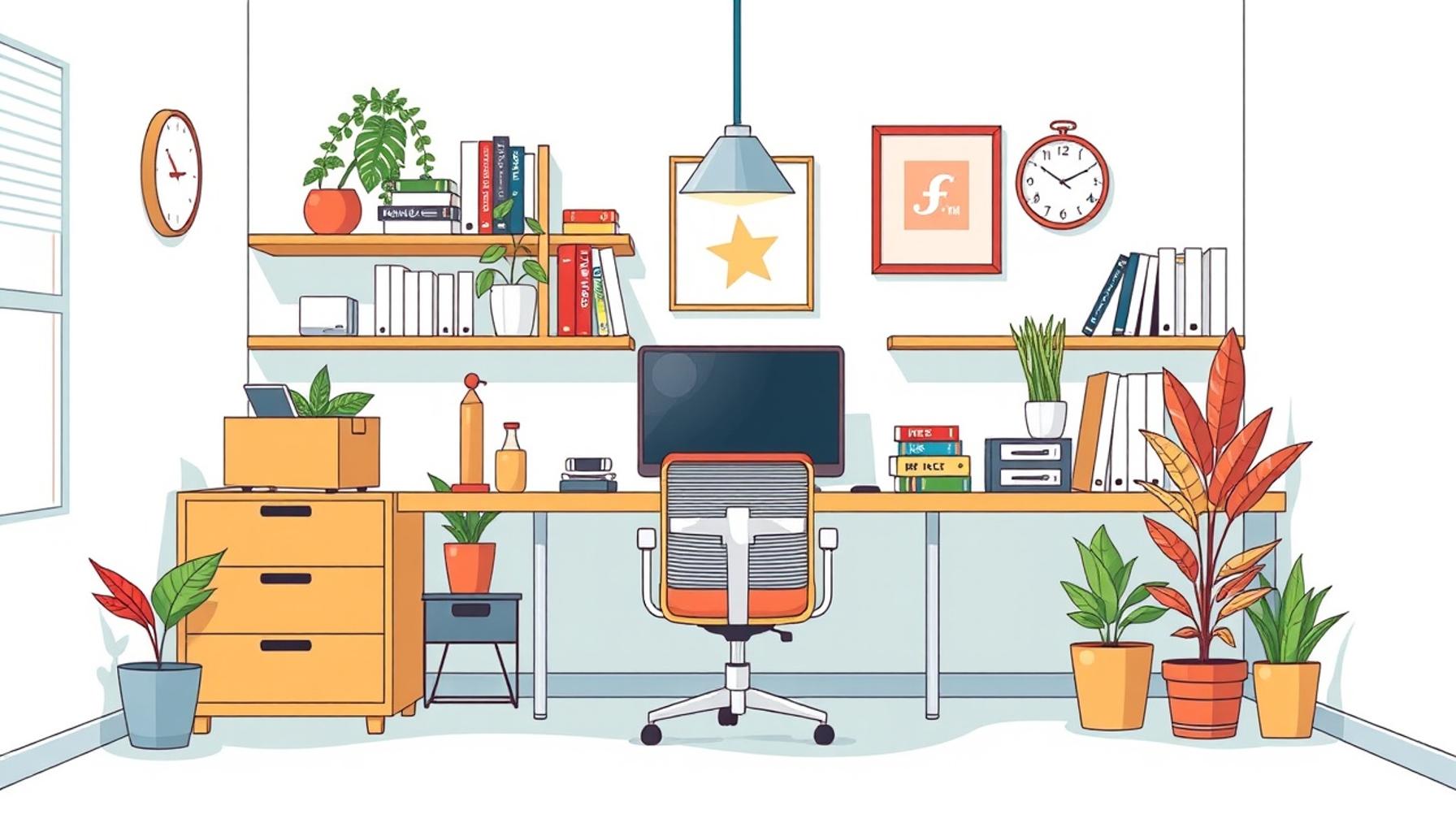
Understanding the Essence of a Zen Workspace
In today’s fast-paced world, achieving a sense of calm and focus is essential, particularly in our work environments. A Zen workspace not only enhances productivity but also promotes mental well-being. By embracing minimalist office design, professionals can create spaces that reflect simplicity and purpose.
The fundamental goal of a Zen workspace is to foster an environment that minimizes distractions and maximizes efficiency. By intentionally designing a workspace with an emphasis on mindfulness, organizations can significantly improve both the morale and output of their employees.
Space efficiency plays a crucial role in this design philosophy. Here are key aspects that define an efficient workspace:
- Decluttered Surfaces: Keeping surfaces clear reduces distractions. A clean desk not only helps in maintaining focus but also reduces stress levels. For instance, studies show that employees who keep their workstations tidy tend to feel less overwhelmed and more in control of their tasks.
- Multifunctional Furniture: Pieces that serve multiple purposes save space and enhance functionality. Desks that double as meeting tables or chairs that include storage are excellent examples. This not only streamlines the environment but also encourages versatility in how space is utilized.
- Optimized Layout: Smart arrangement of furniture can improve workflow and accessibility. An open floor plan that allows easy movement while facilitating communication between team members can further enhance productivity. For example, many tech companies in Silicon Valley have adopted open layouts to promote collaboration and creativity.
Moreover, a minimalist approach encourages intentionality in design choices. By selecting meaningful decor, individuals can create an environment that inspires creativity and tranquility. This might include incorporating elements like potted plants, which not only enhance the aesthetic appeal but also purify the air, or artwork that aligns with personal values or aspirations.
Lighting is another vital aspect; natural light, when possible, can dramatically lift mood and increase alertness. Research has shown that workspaces flooded with natural light can lead to a 20% boost in productivity. Using soft, warm lights can also create an inviting atmosphere conducive to focused work.
In this exploration of Zen workspaces, we find that efficient space utilization contributes significantly to individual and organizational success. By prioritizing a harmonious work environment, businesses can pave the way for innovative thinking and higher job satisfaction, culminating in improved overall performance. In a landscape increasingly defined by complexity, the simplicity of a Zen workspace stands out as a beacon of clarity and calm.
DISCOVER MORE: Click here to learn about the power of time blocking
Essential Elements of Space Efficiency in a Zen Workspace
Creating a Zen workspace requires an understanding of how space efficiency directly impacts the overall design and functionality of an office. When space is utilized thoughtfully, it results in a serene environment that can elevate both focus and creativity. In the pursuit of minimalism, every square inch of an office should serve a meaningful purpose.
To achieve a balanced and efficient workspace, one must consider several key elements:
- Strategic Storage Solutions: Efficient storage is essential in a minimalist design. Utilizing built-in shelving, under-desk cabinets, or vertical storage allows employees to keep their work areas clear of clutter. This not only helps maintain organization but also instills a sense of order that contributes to a calmer atmosphere. In fact, companies like Google and Facebook are renowned for their innovative storage solutions that enhance both aesthetics and functionality.
- Personalized Zones: Allowing employees to designate personal zones within shared spaces can foster a sense of ownership and comfort. Spaces for individual work can vary from public workstations to quiet nooks adorned with calming colors and textures. Such personalization encourages workers to take pride in their environment, leading to increased satisfaction and productivity.
- Flexibility in Design: The modern workforce thrives on flexibility. Incorporating movable partitions or modular furniture can allow for adaptable working environments. For instance, the demand for remote workspaces can be satisfied by transforming training rooms or conference areas with movable desks and chairs, drawing inspiration from co-working spaces. This fluidity promotes a dynamic workflow and encourages collaboration among team members.
It is also critical to understand that color choices and materials influence the overall ambiance of a Zen workspace. Calming colors such as soft blues and greens have been shown to enhance focus, while natural materials like wood and stone bring a tactile, organic feel to the space. Additionally, incorporating acoustic panels or sound-absorbing materials can minimize background noise, creating an environment conducive to concentration.
As we explore the principles of minimalist office design, it becomes evident that efficient use of space goes beyond mere aesthetics; it serves as a foundation for a productive and harmonious work life. In a world where distractions are rampant, creating a Zen workspace through intentional design can help individuals find clarity amid chaos. By implementing these strategies, businesses can cultivate environments that not only enhance productivity but also foster a culture of well-being and innovation.
A minimalist office design is not merely an aesthetic choice; it embodies a philosophy focused on space efficiency that significantly enhances productivity and wellbeing. Creating a Zen workspace requires careful consideration of each element within the office, from furniture placement to the type of materials used. By eliminating unnecessary distractions and clutter, individuals can cultivate a tranquil environment conducive to deep focus.
One key aspect of this design approach is the use of multi-functional furniture, which optimizes the available space while providing practicality. For example, a desk with built-in storage can reduce the need for external files and shelves, thus maintaining a cleaner, more organized workspace. This not only creates a visually appealing atmosphere but also promotes a clearer mindset—ideal for tackling complex tasks.
Moreover, spatial design in minimalism encourages natural light and open areas, which enhances mood and energy levels. Research shows that access to daylight can improve concentration, reduce eye strain, and even boost overall health. By implementing large windows or strategically placing mirrors to reflect light, the workspace can feel more expansive and refreshingly open.
Integrating plants into a minimalist office can also play a vital role in creating a Zen environment. Not only do they aesthetically enhance the space, but they also purify the air and contribute to a sense of calm and serenity. The tranquility derived from nature aids in stress reduction, thus fostering a more productive mindset.
Ultimately, space efficiency in minimalist office design is about maximizing the potential of each square foot while cultivating an atmosphere that promotes focus and relaxation. By thoughtfully considering layout, furniture selection, and integration of natural elements, individuals can create an environment that not only looks good but feels good too.
| Advantages of Minimalist Design | Benefits for Workspace |
|---|---|
| Enhanced Focus | Eliminating clutter minimizes distractions, allowing for improved concentration levels. |
| Increased Productivity | A well-organized space encourages efficiency, making it easier to complete tasks quickly. |
The balance between functionality and aesthetics in creating a Zen workspace is paramount. It is the harmony of these elements that ultimately leads to a refreshed and engaged mindset, where one can thrive in their professional endeavors.
DISCOVER MORE: Click here to learn about the power of time blocking
The Impact of Nature and Mindfulness in Workspace Design
Beyond mere physical elements, the integration of nature and mindfulness into office design plays a pivotal role in creating a Zen workspace. Research suggests that exposure to natural elements not only enhances well-being but also boosts employee productivity and creativity. This phenomenon, often referred to as biophilic design, involves incorporating aspects of nature into the built environment. For instance, the presence of indoor plants, natural light, and views of the outdoors can significantly reduce stress levels and foster a sense of tranquility.
Studies indicate that offices with ample natural light can increase employee morale by as much as 15 percent. As such, it is crucial to design workspaces that maximize daylight exposure, perhaps by utilizing large windows or glass walls that blur the lines between indoors and outdoors. Incorporating elements such as living green walls or plants brings additional life to the workspace, making it not only a visually appealing environment but also a healthier one. This open connection to nature fosters mindfulness, allowing employees to engage with their surroundings more consciously, and encourages a culture of awareness that thrives in peaceful settings.
Mindfulness practices can be woven into the fabric of office culture by providing designated spaces for relaxation and meditation. Creating quiet zones equipped with comfortable seating and ambient lighting allows employees to take intentional breaks throughout their workday. Such practices have been shown to improve mental clarity and emotional resilience, enabling individuals to return to their tasks rejuvenated and focused. Additionally, companies like Aetna have reported a marked decrease in stress and an increase in productivity after integrating wellness programs and mindfulness practices into their office environments.
This emphasis on well-being leads to the discussion of ergonomics as a fundamental aspect of a Zen workspace. Ergonomically designed furniture, such as adjustable desks and supportive chairs, minimizes physical strain, allowing employees to perform at their best without the distractions of discomfort. Investing in quality ergonomic solutions not only enhances the efficiency of the workspace but also embodies the minimalist ethos of providing only what is essential for productivity and satisfaction.
Moreover, the layout of the office should promote a natural flow of movement. Open-plan configurations, when designed thoughtfully, facilitate collaboration and communication while maintaining spaces for privacy and concentration. The strategic placement of workstations, communal areas for brainstorming, and secluded spots for focused work can enhance overall functionality. This attention to spatial arrangement will not only keep the office organized but also cultivate positive interpersonal relationships, fostering a cooperative office culture.
Finally, incorporating technology that is streamlined and intuitive contributes to a successful minimalist office design. Using wireless devices, cloud storage solutions, and integrated communication systems eliminates unnecessary cables and clutter, allowing for an uncluttered, efficient workspace. This technological simplicity supports the minimalist ideology by ensuring the workspace is functional without being overwhelmed by distractions.
Together, these components emphasize how a thoughtfully designed office, rooted in space efficiency, can lead to a harmonious and productive environment. The synergy of nature, mindfulness, ergonomic design, spatial flow, and technology can create a truly Zen workspace that not only supports employees’ productivity but also fosters their overall well-being.
DISCOVER MORE: Click here to unlock the benefits of time blocking
Conclusion: The Future of Work in a Zen Workspace
In conclusion, creating a Zen workspace is not merely a trend; it’s a necessity for organizations aiming to foster employee well-being and boost productivity in today’s fast-paced work environment. The integration of space efficiency into minimalist office design illuminates the path towards a harmonious balance between functionality and tranquility. By harmonizing elements such as natural light, biophilic design, ergonomic furniture, and mindful practices, workplaces can transform into sanctuaries that rejuvenate the mind and spirit.
Moreover, companies that prioritize these aspects often witness remarkable benefits, including increased job satisfaction, enhanced creativity, and ultimately, a healthier bottom line. As shown in the successful practices of organizations like Aetna, the impact of integrating wellness programs and mindful breaks cannot be understated. Future workspace designs must embrace the importance of a thoughtfully planned layout that encourages movement, collaboration, and introspection.
As we move forward, businesses can harness the power of technology to streamline processes while maintaining a clutter-free environment that aligns with the minimalist ethos. By thoughtfully considering every element of workspace design, companies will not only enhance their brand image but also cultivate a thriving culture where employees feel valued and inspired. This evolution towards a Zen workspace paves the way for innovation and productivity, marking a significant step towards a healthier and more fulfilling work experience.

Beatriz Johnson is a seasoned minimalist and writer with a passion for simplifying the complexities of personal organization and decluttering. With over a decade of experience in the field, she specializes in topics like minimalist living, efficient organization strategies, and creating intentional spaces. Through her work, Beatriz empowers readers to make mindful decisions about their belongings, streamline their lives, and embrace a more organized and fulfilling lifestyle.