Creative Use of Under-Utilized Areas: Enhancing Space Efficiency in Minimalist Homes
Transforming Your Space
In today’s world, where minimalist homes are becoming a popular lifestyle choice, the challenge of efficiently using every corner of your home is more relevant than ever. Under-utilized areas often go unnoticed, yet they hold immense potential for enhancing both space and functionality. Engaging with these hidden opportunities can dramatically transform your living experience, allowing you to create a harmonious environment that meets your needs.
What Are Under-Utilized Areas?
Under-utilized areas are those spaces in our homes that are often ignored but can be reimagined for better use. These areas might include:
- Corner nooks: Those small spaces in rooms that seem too tiny for furniture often become forgotten. By adding a compact chair or a small table, you can create a cozy reading nook or an intimate escape for relaxation.
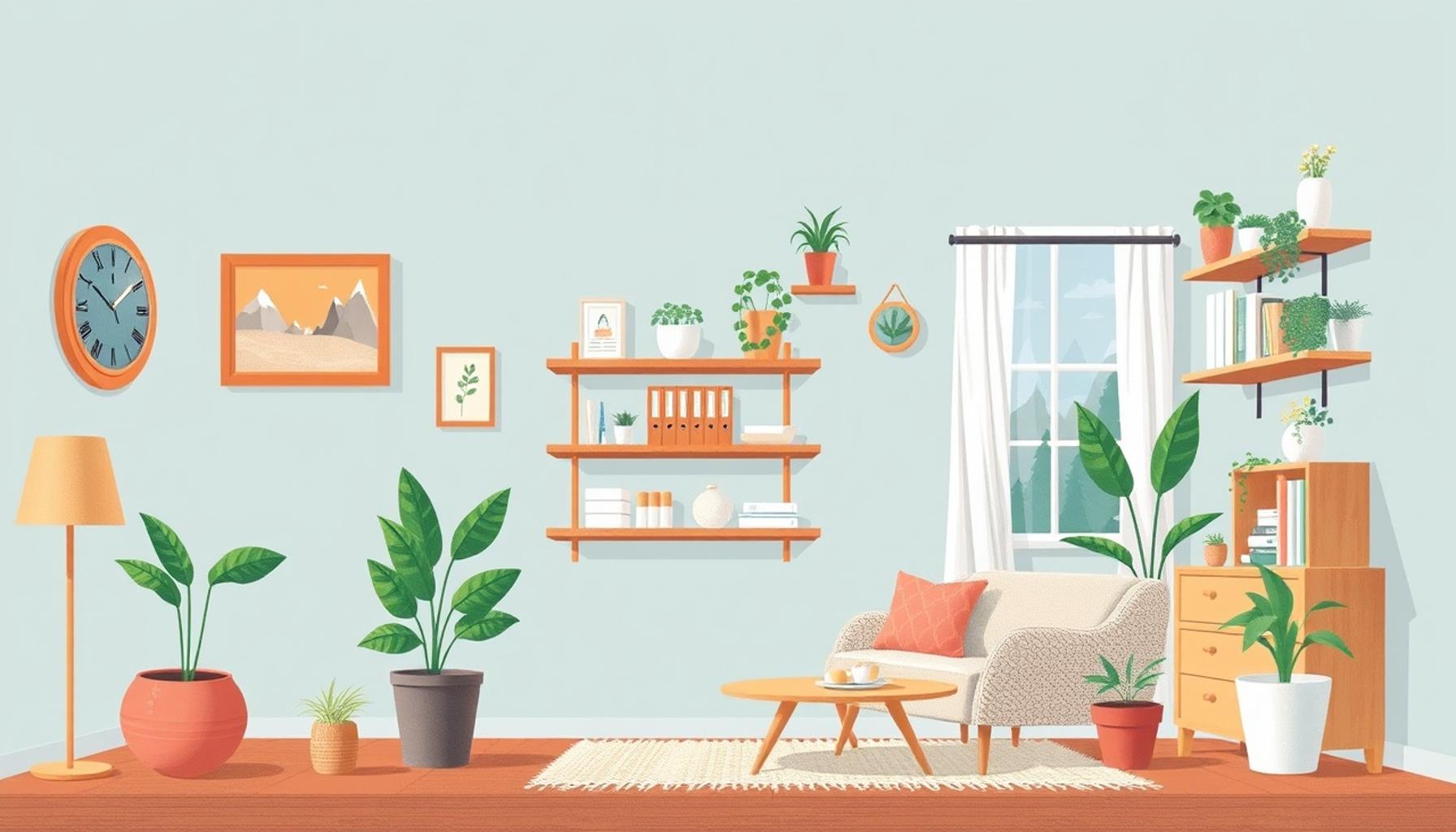
- Vertical wall spaces: Walls shouldn’t just be for paint or wallpaper. Consider installing shelves or hooks. Think about a vertical garden or a gallery wall to bring life and personality to your space.
- Unused attic or basement spaces: These areas can be transformed into additional living spaces, such as a home gym, playroom, or guest room, with just a bit of insulation and creativity.
- Behind doors or furniture: The area behind doors is frequently overlooked. Use this space for hooks or hanging organizers to store bags, keys, or other essentials.
- Under staircases: This often-ignored area can be maximized by incorporating custom shelving or even a wine rack, transitioning it from a dead space to a functional and eye-catching feature.
Each of these areas offers unique possibilities for creativity and innovation. With a little imagination and planning, they can become:
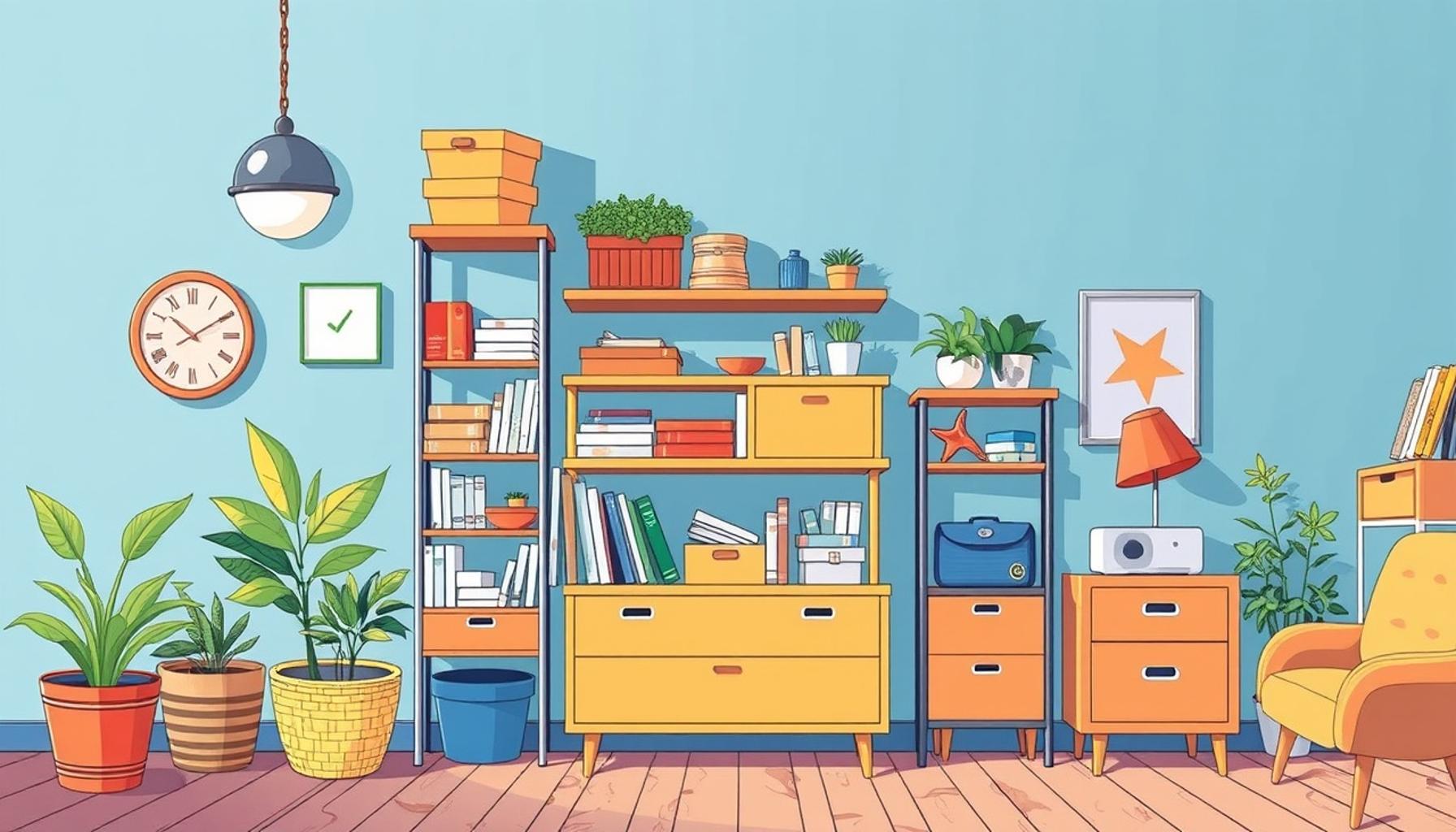
- Functional storage: Instead of cluttering floors with items, utilize cabinetry and built-ins that blend with your home’s design.
- Cozy reading corners: A small armchair with a side table and adequate lighting can transform a corner into a warm getaway.
- Artistic displays: Use vertical spaces to showcase art or collectibles, which can become talking points for guests while adding personality to your home.
- Home office spaces: With remote work becoming more common, a small reclaimed nook can be adequately outfitted as a home office, complete with efficient storage solutions.
Optimizing these hidden pockets not only maximizes your living space, but also promotes a more organized and tranquil environment. For instance, a well-utilized attic with proper lighting and insulation can serve as a serene workspace, fostering creativity and productivity while simultaneously decluttering the main living area.
In addition, exploring the innovative uses of under-utilized areas can lead to sustainable living practices by reducing clutter and reimagining how we approach space in our homes. This sustainable mindset not only benefits individuals but can also contribute to a broader decline in consumerism, encouraging others to think critically about their own living environments.
Join us as we dive deeper into creative solutions for making the most of your minimalist home with practical tips and inspiring examples. By tapping into these overlooked areas, you can enjoy a beautifully curated space that reflects your personality while enhancing your lifestyle.
DISCOVER MORE: Click here to learn about time blocking!
Maximizing Hidden Corners
When it comes to minimalist homes, every square foot matters. Recognizing and maximizing the potential of under-utilized areas can significantly enhance your home’s efficiency and aesthetic appeal. By creatively rethinking how we use these overlooked spaces, homeowners can not only declutter but also create functional environments that cater to their everyday needs.
Corner Nooks: From Neglected to Nurtured
Corner nooks often remain empty, giving the impression that they are too small or unusual for furniture placement. Yet, these spaces can be transformed into stylish and functional retreats with the right approach. For example, pairing a cozy chair with a small side table can be a perfect setup for a reading corner or a quiet spot for tea. Consider integrating floating shelves in these corners to display books or personal memorabilia, allowing them to serve dual purposes – both aesthetically pleasing and functional.
Utilizing Vertical Wall Spaces
When looking to expand your minimalist space, vertical wall spaces are abundant opportunities just waiting to be harnessed. Instead of limiting ourselves to floor space, vertical storage solutions can create a sense of abundance in even the smallest of homes. Installing open shelving or whimsical wall hooks can provide additional functionality while offering creative display opportunities. Vertical gardens can also bring nature indoors, enhancing air quality alongside the visual appeal.
Reimagining Attics and Basements
The often-dusty attic or dark basement can serve as excellent candidates for transformation. With some strategic renovations, these areas can take on many roles—becoming a personal gym for workouts, a playroom for children, or a guest room for when family visits. By implementing proper insulation and stylish design elements, homeowners can create cozy atmospheres that encourage both relaxation and productivity, integrating these spaces into daily life instead of relegating them to storage units.
Behind Doors: Hidden Gems
How often do we overlook what lies behind closed doors? This space is not just for hinges and panels; it can be the solution to organizing everyday clutter. By adding hooks or magnetic strips to the back of closet doors, you can keep often-used items such as bags, umbrellas, or cleaning supplies easily accessible yet neatly tucked away. This clever use of space can streamline your routines and keep your home looking tidy.
Under Staircases: Functional Design Elements
Perhaps one of the most creative spaces to rethink is the area beneath the staircase. In many homes, this space is relegated to mere storage, but it holds vast potential. Custom cabinetry can be designed to blend seamlessly with your overall decor, turning this area into a practical storage solution for everything from books to wine. For those inclined towards unique decor, consider a mini-library or a small art gallery featuring cherished photographs or artwork, thus making a bold statement while maximizing functionality.
By shifting our mindset regarding these under-utilized areas, we can elevate our minimalist homes into harmonious spaces tailored to our lifestyles, emphasizing both practicality and personal touch. As we explore more creative solutions, the possibilities are limited only by our imagination and willingness to rethink traditional space usage.
| Space Solution | Benefits & Features |
|---|---|
| Vertical Storage | Maximizes wall space, creating a clutter-free environment and enhancing accessibility. |
| Under-Stair Storage | Utilizes otherwise wasted space for storage solutions, maintaining aesthetic appeal while providing functionality. |
| Niches and Alcoves | Enhances visual interest while providing areas for decorative elements or storage without compromising room flow. |
In the world of minimalist homes, the creative use of under-utilized areas is not merely an aesthetic choice but a practical necessity. Space solutions such as vertical storage help homeowners embrace the wall space, endorsing a clean and organized appearance. Meanwhile, under-stair storage units transform what would traditionally be wasted space into an efficient and functional area, fostering both creativity and practicality. Additionally, niches and alcoves bring an inventive flair to rooms. These areas provide the opportunity for thoughtful decoration while ensuring that the overall flow of the home is not disrupted. Each of these strategies contributes to enhanced space efficiency, resonating with the minimalist philosophy that promotes simplicity without sacrificing style. By diving deeper into these innovative solutions, homeowners can significantly improve both their living space and quality of life.
DISCOVER: Click here to learn about the benefits of time blocking
Transforming Unused Spaces into Functional Areas
The essence of minimalist homes lies in their ability to create inviting, efficient spaces that reflect the needs of the homeowner. Beyond just decluttering, it’s about harnessing the full potential of your environment. There are countless opportunities to transform unused spaces into functional areas that elevate everyday living.
Lavatories and Small Bathrooms: Space-Saving Solutions
In many homes, even the smallest lavatories can hold significant potential. Utilizing compact furniture can aid in maximizing space. For instance, a slim cabinet can house toiletries and towels while maintaining a minimalist aesthetic. Consider installing wall-mounted sinks to free up floor space. Additionally, integrating mirrors strategically can create an illusion of depth and openness, making the bathroom feel larger than it is. These simple adjustments can turn a cramped lavatory into a calming escape, supporting both functionality and serenity.
Seamless Integration of Multi-Functional Furniture
When it comes to optimizing space, the integration of multi-functional furniture proves invaluable. Furniture that serves multiple purposes, such as a sofa bed or an ottoman that doubles as storage, can alleviate the challenges faced in a minimalist setup. For example, consider a dining table that extends when entertaining guests, yet compactly fits into a corner when not in use. Choosing pieces that adapt to your needs on a whim enhances efficiency while maintaining visual harmony within your home.
Outdoor Spaces: Expanding Living Areas
In the context of a minimalist lifestyle, outdoor areas, whether it be a balcony or a small backyard, can be transformed into an extension of your living space. Incorporating versatile outdoor furniture, like foldable chairs or collapsible tables, is a brilliant way to maximize utility. These areas can serve as relaxation zones, outdoor dining spaces, or even small gardens, providing room for personal hobbies. Embracing outdoor living reinforces the principle of accessibility within minimalism while allowing you to connect with nature.
Rethinking Hallways: Beyond Passageways
Hallways often serve merely as connection points between rooms, but they can also be reinvented into functional spaces. By adding narrow bookcases or art displays, hallways can become galleries of personal history and achievements. Utilizing hooks or baskets along the walls grants functionality, perfect for holding keys, bags, or seasonal items. With clever design elements, hallways can provide a unique focal point in the home, transforming what was once just a passage into a vibrant showcase.
Creative Uses of Underneath Beds
Under bed storage is a classic concept, yet many overlook the vast possibilities it holds. Instead of simply tucking away boxes filled with discarded items, consider investing in stylish drawers or bins designed to slide easily under frames. This space can then be optimized to store out-of-season clothing, shoes, or even books, keeping them accessible yet elegantly out of sight. Furthermore, customizable storage solutions can adapt to your evolving needs, thereby enhancing the efficiency of your living space.
As we delve further into the creative use of under-utilized areas, it becomes clear that a fresh perspective on space can revolutionize the way function and design interact. By thoughtfully reimagining our surroundings, we pave the way for more significant comfort, style, and overall enjoyment in our minimalist homes.
DIVE DEEPER: Click here to discover the power of time blocking
Conclusion
In the pursuit of space efficiency in minimalist homes, the creative use of under-utilized areas emerges as a powerful strategy. By reimagining spaces that are often overlooked, such as small bathrooms, hallways, or outdoor areas, homeowners can unlock the full potential of their environments. The incorporation of multi-functional furniture and innovative design elements not only maximizes utility but creates seamless transitions between form and function.
Imagine transforming a narrow hallway into an artistic gallery or converting a cramped balcony into a lush oasis—these possibilities are within reach and can significantly enhance daily living experiences. Furthermore, addressing often neglected spaces, like under beds or within small lavatories, presents opportunities for smart storage solutions that promote a clutter-free lifestyle.
This fresh perspective on space can lead to far-reaching benefits, extending beyond mere aesthetics to embrace a more functional way of living. It invites homeowners to foster creativity in their environment, adapting to their changing needs while enhancing their minimalist ethos. As you consider your own living spaces, remember that even the smallest areas can transition from forgotten corners to vibrant, engaging parts of your home.
In essence, the key to achieving an efficient minimalist home lies in the art of transforming under-utilized areas, culminating in spaces that inspire comfort, creativity, and connection to both your home and the world outside. As we delve deeper into these inventive adaptations, the journey toward an elegantly efficient lifestyle becomes not only attainable but also a source of personal fulfillment.

Beatriz Johnson is a seasoned minimalist and writer with a passion for simplifying the complexities of personal organization and decluttering. With over a decade of experience in the field, she specializes in topics like minimalist living, efficient organization strategies, and creating intentional spaces. Through her work, Beatriz empowers readers to make mindful decisions about their belongings, streamline their lives, and embrace a more organized and fulfilling lifestyle.