
Practical Strategies for Reducing Clutter in a Family Home
The Impact of Clutter on Daily Life
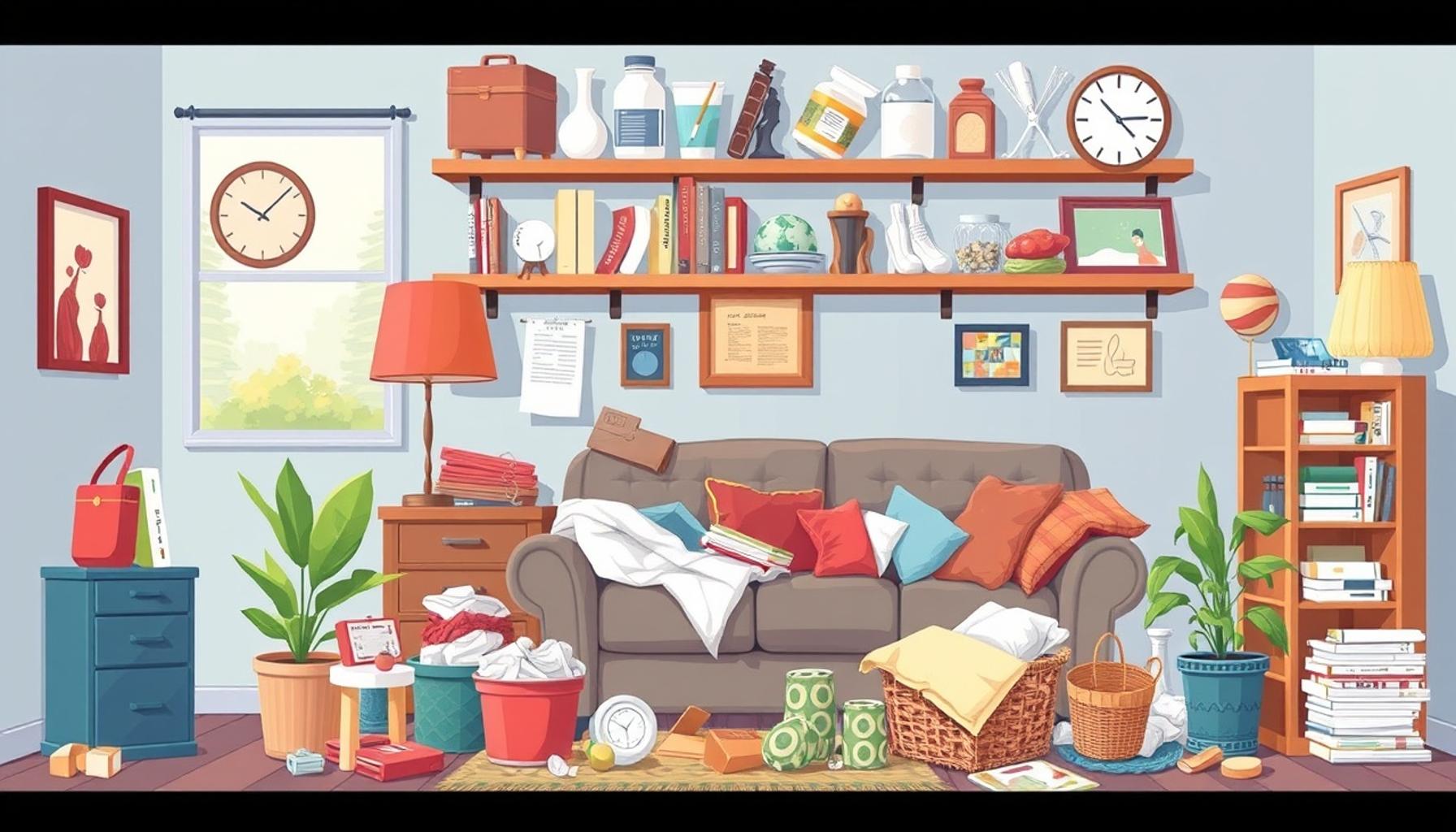
Clutter can quickly evolve from a minor nuisance to a significant source of stress within a household. In the fast-paced lifestyle many families experience in the United States, where busy work schedules and active children’s lives dominate the daily agenda, it is all too common for items to accumulate without notice. When living spaces become overcrowded, it can lead to feelings of overwhelm and chaos, further exacerbating the challenges of modern life.
Consider this: research indicates that households filled with excessive clutter report higher levels of anxiety and lower overall well-being. For instance, a study published in the Psychological Science journal showed that individuals in cluttered environments often find it difficult to focus and feel more stressed than those in organized spaces. This correlation invites families to take proactive steps towards a more orderly home in order to foster a relaxing atmosphere.
Effective Strategies for Reducing Clutter
To tackle clutter effectively, families can adopt a variety of strategies tailored to fit their unique needs. Here are a few methods that are particularly beneficial:
- Regular Decluttering Sessions: Scheduling specific blocks of time weekly or monthly dedicated solely to organizing can be a game changer. For example, committing just 30 minutes every Saturday to go through rooms can collectively yield significant results over time.
- Adopt the One-In-One-Out Rule: This simple yet effective principle encourages individuals to be intentional about their purchases. If a family buys a new pair of shoes, they can choose to donate or discard an old pair. This habit not only maintains equilibrium in possessions but also promotes mindful consumption.
- Utilize Storage Solutions: Investing in versatile storage options such as attractive bins, decorative baskets, and functional shelving can make a substantial impact. For example, using labeled containers for children’s toys can help streamline cleanup at the end of the day while maintaining a stylish appearance.
Implementing these strategies will not only streamline your home but will also create healthier living conditions for your family. A well-organized environment fosters increased productivity and a sense of calm, allowing family members to thrive both personally and collectively.
As you delve deeper into the world of decluttering, you may find additional techniques and resources specifically designed to accommodate busy family dynamics. Embracing the journey of reducing clutter can prove transformative, paving the way for a home that exudes spaciousness, organization, and a welcoming atmosphere.
DISCOVER MORE: Click here to learn about time blocking
Embracing a Mindset Shift
Before diving into specific practical strategies for reducing clutter, it’s essential to understand that successful decluttering starts with a significant mindset shift. Instead of viewing the process as a daunting task, families should consider it an opportunity for transformation. Recognizing that a clutter-free environment can lead to enhanced well-being and improved family dynamics can serve as a powerful motivator. According to the American Psychological Association, decluttering not only alleviates stress but can also increase productivity, creating a ripple effect on all activities and interactions within the home.
This shift in perspective can encourage families to see the value in intentionality—embracing a lifestyle that prioritizes simplicity. To facilitate this transition, here are several foundational principles to consider:
- Purge Regularly: Encourage every family member to select a specific time each month to go through their belongings. Whether it be clothes, toys, or personal items, maintaining the habit of regular purging keeps clutter at bay and promotes a culture of conscious consumption.
- Involve the Whole Family: Decluttering should not be a solo endeavor. Engaging all family members in the process not only lightens the workload but also instills values of teamwork and responsibility. Family members should discuss what items they truly care about and collaborate on decisions about what to keep, donate, or discard.
- Focus on One Area at a Time: Rather than trying to tackle the entire house at once, dedicate attention to one room or even one category of items. For instance, start with the kitchen or children’s playroom. Breaking down the process enables families to make significant progress without feeling overwhelmed, and it cultivates a sense of achievement when a space is fully organized.
- Establish ‘Clutter Hot Spots’: Identify areas in the home that tend to attract clutter, such as entryways or dining tables. By recognizing these problem zones, families can create designated spaces for frequently used items and implement rules that prevent clutter from gathering.
By incorporating these foundational principles into daily life, families can begin to notice a shift not only in their physical space but also in their mental and emotional well-being. A more organized home acts as a supportive backdrop for family interactions and personal endeavors, allowing everyone to thrive in a peaceful environment. With the right mindset and consistent application of these strategies, the journey towards a clutter-free home can become an inspiring familial project rather than a stressful chore.
| Category | Key Features |
|---|---|
| Organizational Systems | Implementing designated storage solutions, such as bins and labels, to categorize household items effectively. |
| Decluttering Habits | Developing regular clean-out routines, promoting a culture of minimalism within the family. |
| Multi-functional Furniture | Utilizing furniture that serves multiple purposes, maximizing space usage while minimizing clutter. |
| Digital Solutions | Digitizing documents and photographs to reduce physical paperwork and enhance accessibility. |
| Regular Maintenance | Establishing a weekly or monthly schedule for home-wide decluttering efforts to sustain an organized environment. |
Understanding how to reduce clutter in a family home can transform living spaces into havens of tranquility and functionality. By utilizing organizational systems, families can efficiently categorize and designate storage, thus streamlining daily activities. Encouraging decluttering habits, such as regular clean-outs and teaching children the value of minimalism, fosters lifelong habits and eases the emotional weight of excess belongings. Incorporating multi-functional furniture to optimize space allows members to enjoy both utility and style. Meanwhile, digital solutions offer a modern approach to minimizing physical paperwork, creating more room for cherished items. Finally, committing to regular maintenance enables families to uphold organization effortlessly, ensuring that a clutter-free home becomes a permanent aspect of their lives.
DISCOVER MORE: Click here to dive deeper
Implementing Practical Solutions for a Clutter-Free Environment
Once families have embraced the necessary mindset shift towards decluttering, the next step is to integrate practical strategies for reducing clutter into their daily lives. These actionable steps, rooted in both efficiency and creativity, can drastically transform cluttered spaces into harmonious and functional areas, while also empowering family members to adopt long-lasting habits.
One effective strategy for maintaining an organized home is the one-in, one-out rule. This principle states that for every new item brought into the house—whether it’s a new toy, garment, or decorative piece—an existing item must leave. This helps families to more critically evaluate their purchases and encourages conscious consumption. According to a survey conducted by the National Association of Professional Organizers, 80% of Americans feel overwhelmed by clutter, and implementing a systematic approach like this can help curtail clutter accumulation significantly.
Another highly useful method is to implement storage solutions tailored to the family’s specific needs. For example, utilizing multi-functional furniture, such as ottomans with hidden storage or beds with built-in drawers, can maximize space. Clear plastic bins and labeled boxes also offer effective storage solutions, enabling family members to locate items swiftly while minimizing visual chaos. Spending an afternoon to reorganize spaces with smart storage solutions not only leads to a cleaner environment but can also create a sense of accomplishment.
Additionally, consider creating a “donation bin” in a designated area of the home. A visible and accessible donation bin encourages family members to contribute items they no longer use. This encourages a sense of community and generosity, reinforcing values such as sharing and helping those in need. Regularly scheduled pickups by local charities or thrift stores can make this process even more seamless and structured, allowing families to easily let go of items without additional effort.
Adopting digital solutions can also play a significant role in decluttering. Many families accumulate heaps of paper, be it reports from school, medical records, or old household manuals. Creating a digital filing system, using apps for document scanning, or utilizing cloud storage can drastically cut down on physical paperwork. This is particularly relevant as a 2021 study highlighted that 67% of Americans prefer to manage their paperwork digitally to enhance efficiency and decrease clutter.
Finally, establishing a regular cleaning schedule can help families maintain order in the long run. Incorporating short cleaning sessions on a weekly basis—where family members tackle specific tasks like closet organization or toy rotation—can lead to habitual decluttering. Incorporating an element of fun, such as music or a friendly family competition, can turn cleaning into an engaging activity rather than a dreaded chore, fostering positive attitudes towards maintaining an organized home.
With a mixture of these practical strategies and the foundational principles previously discussed, families can work towards achieving a goal of simplicity and organization. By transforming the chaotic elements of daily life into structured routines, families can cultivate a living environment that promotes harmony and cooperation.
DISCOVER MORE: Click here to unlock the power of time blocking
Final Thoughts on Embracing a Clutter-Free Family Home
Achieving a clutter-free family home is not merely about tidiness; it’s about fostering a lifestyle that values simplicity, functionality, and connection. The strategies outlined in this article serve as a practical roadmap for families seeking to embrace organization while minimizing chaos. By implementing the one-in, one-out rule, customizing storage solutions, and incorporating digital tools, families can significantly reduce clutter’s overwhelming presence in their lives.
Moreover, the routine of maintaining a designated donation bin and adopting regular cleaning schedules emphasizes family cooperation and reinforces the importance of giving back. As research indicates, the psychological benefits of a clean and organized environment can lead to enhanced well-being, decreased stress, and improved focus—an essential outcome for nurturing both children and adults.
As families embark on this journey towards a more organized living space, it’s important to remain adaptable and open to change. Clutter can creep back in, but with sustained commitment and the practical strategies discussed, families can develop long-lasting habits that combat clutter before it even begins. For those interested in further exploration, numerous books and resources provide additional insights into organizing principles that can enrich the family decluttering experience.
Ultimately, creating a clutter-free home is about more than just aesthetics; it paves the way for building stronger family bonds, encouraging mindfulness, and promoting a healthier, more peaceful living environment.

Beatriz Johnson is a seasoned minimalist and writer with a passion for simplifying the complexities of personal organization and decluttering. With over a decade of experience in the field, she specializes in topics like minimalist living, efficient organization strategies, and creating intentional spaces. Through her work, Beatriz empowers readers to make mindful decisions about their belongings, streamline their lives, and embrace a more organized and fulfilling lifestyle.