The Art of Detachment: How Spatial Efficiency Can Transform Your Lifestyle

The Importance of Spatial Efficiency
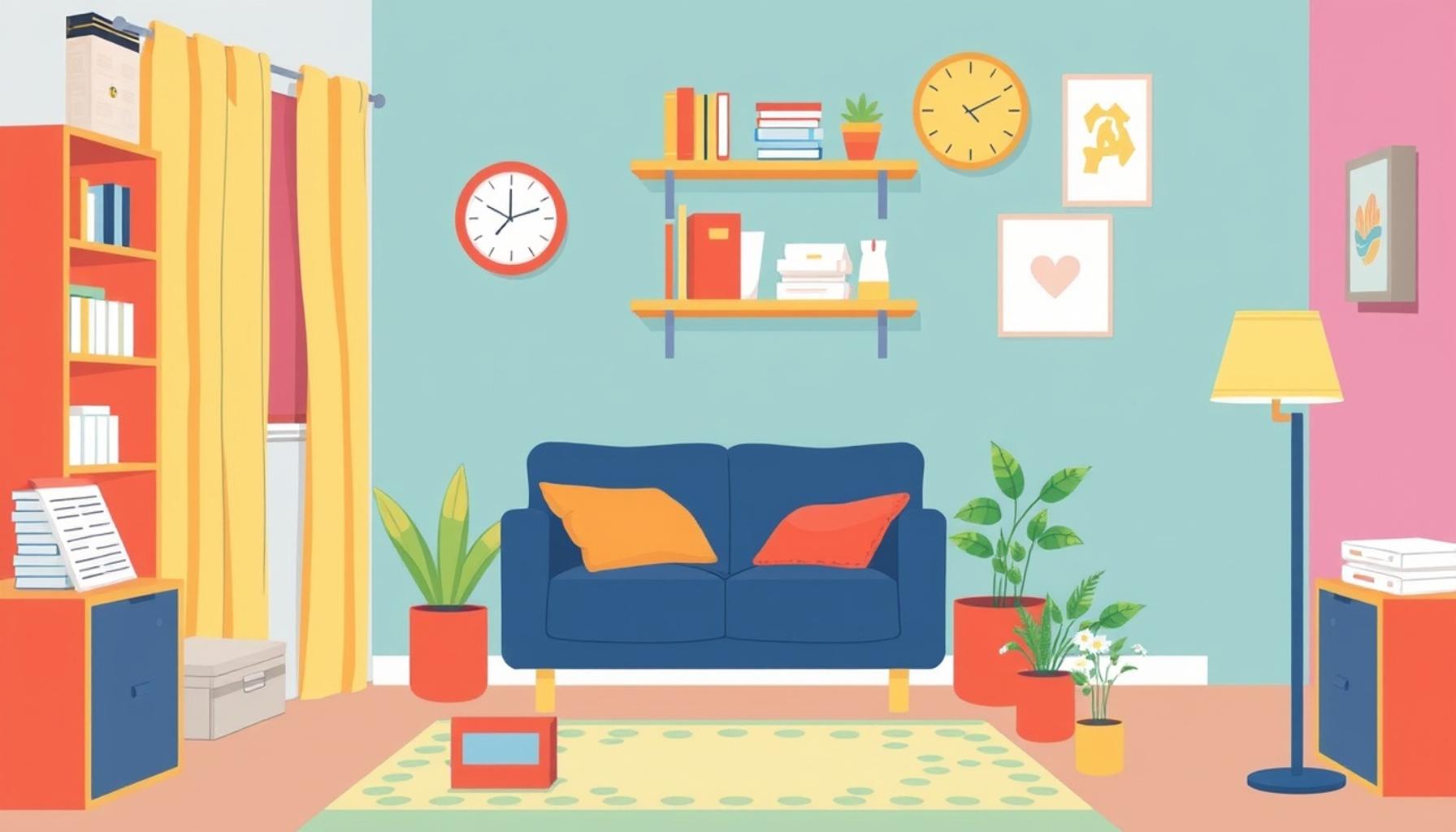
In our increasingly crowded environments, the pursuit of spatial efficiency has become essential. With urban living spaces becoming smaller and more expensive, maximizing every square foot is not just a luxury; it is a necessity. This concept stretches beyond mere organization—it challenges us to reevaluate our relationships with our possessions and spaces.
The Psychological Impact of Space
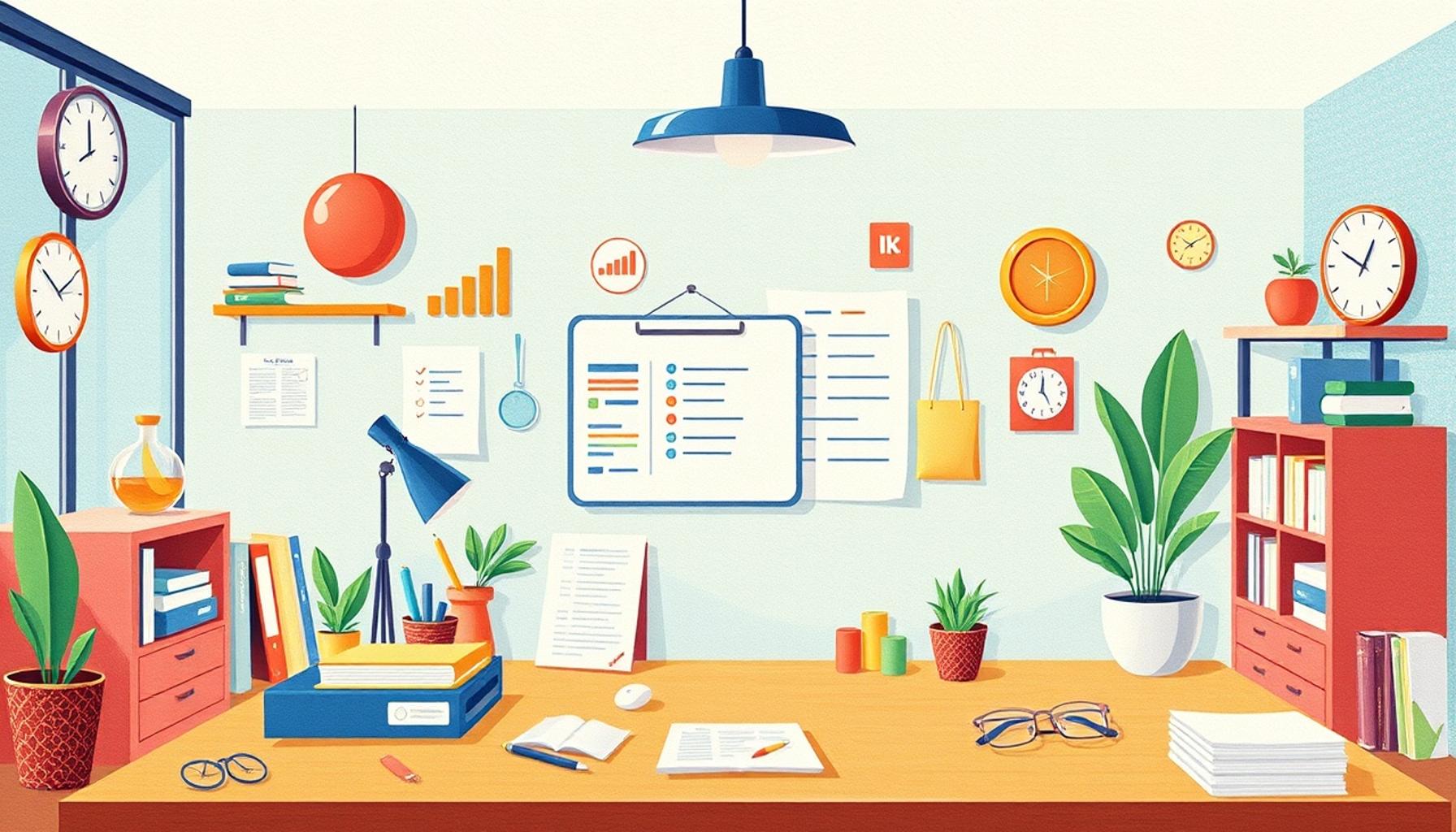
Consider the correlation between your living space and your mental health. Research has shown that a well-organized environment can significantly enhance productivity and mental clarity. When your surroundings are orderly, it minimizes distractions—think about how much easier it is to focus on work in a clean office compared to one scattered with papers and clutter. For example, a study from the Princeton Neuroscience Institute demonstrated that physical clutter in one’s surroundings can overload the brain’s ability to process information, ultimately leading to decreased focus and efficiency.
Benefits of Spatial Efficiency
When you achieve spatial efficiency in your living or working environment, several key benefits emerge:
- Increased focus: By reducing visual distractions through a tidy space, your brain can concentrate better on the tasks at hand.
- Improved mood: Maintaining clutter-free zones can significantly elevate your mental state, as studies suggest a clean and orderly environment contributes to a sense of control and calm.
- Enhanced functionality: Efficient layouts and organization lead to better resource utilization. For example, kitchen layouts that incorporate the principles of spatial efficiency often result in more streamlined cooking processes, saving time and reducing frustration.
Practical Steps Towards Efficiency
Implementing spatial efficiency doesn’t mean you need a complete lifestyle overhaul. Simple, incremental adjustments can lead to notable improvements. For instance, adopting minimalistic principles, such as the “one in, one out” rule, can help you maintain a clutter-free environment. Additionally, investing in multifunctional furniture—like a sofa bed or a coffee table with storage—ensures that your space is utilized to its fullest potential without overwhelming it with unnecessary items.
Real-Life Examples
Consider the tiny house movement, which emphasizes living with less and utilizing every inch of space effectively. Homeowners have transformed small structures into functional living spaces, showing how spatial efficiency can lead to a simpler, more fulfilling lifestyle. Another example is the rise of coworking spaces, where companies embrace open floor plans and shared resources to foster collaboration and innovation while maximizing the space available.
As we dive deeper into the concept of spatial efficiency, you will uncover practical strategies tailored for various environments. From homes cluttered with years of accumulated belongings to offices needing reorganization, the journey towards reclaiming your space—and your peace of mind—is within reach. Are you ready to discover how a little spatial awareness can transform your daily routine?
DISCOVER MORE: Click here to learn about time blocking
Redefining Your Relationship with Possessions
The journey toward achieving spatial efficiency begins with an examination of our possessions. In a society that often equates material belongings with success, the art of detachment involves redefining what we consider essential. Psychologists suggest that the emotional ties we form with items can lead to a cluttered environment, both physically and mentally. Understanding the significance we attach to each object can facilitate a more thoughtful approach to what we choose to retain in our spaces.
Understanding the Emotional Clutter
Many of us find ourselves holding onto items that are no longer useful simply because they evoke memories or once held value. This emotional clutter can create a sense of heaviness that weighs us down. A 2021 survey from the National Association of Professional Organizers found that 82% of Americans feel overwhelmed by the disorganization in their homes. Just as physical clutter can stifle creativity and productivity, emotional attachments to items can inhibit our ability to move forward and embrace a more simplified lifestyle.
Strategies for Letting Go
In order to embrace spatial efficiency, it’s essential to let go of the excess. Here are some practical strategies for assessing and detaching from your belongings:
- Evaluate necessity versus sentiment: When deciding whether to keep an item, ask yourself if it serves a purpose or if it simply triggers a memory. If it doesn’t actively contribute to your life, consider parting ways with it.
- Set criteria for retention: Create a set of guidelines to determine which items deserve space in your life. For example, consider keeping only items that spark joy or are used regularly within the last year.
- Start small: Begin with one area of your home, such as a drawer or a closet, and gradually expand your efforts. This focused approach can prevent overwhelm and make the process feel more manageable.
- Seek help or accountability: If detachment proves challenging, enlist the support of friends, family, or a professional organizer. Others can provide an objective perspective on what is truly necessary in your life.
The Cycle of Donation and Recycling
As you shift your mindset toward spatial efficiency, remember that letting go doesn’t mean wasting. Donating or recycling your belongings can provide others with opportunities while simultaneously decluttering your own space. Many organizations, such as the Salvation Army and Habitat for Humanity, welcome donations of gently used items, ensuring they find a new home rather than ending up in a landfill. By engaging in conscious decluttering, you are not only reorganizing your environment but also contributing to community sustainability.
As we continue to explore the art of detachment, remember that spatial efficiency is not just about clearing out physical space; it’s about creating an environment that reflects your values and enhances your well-being. The next step in this journey involves examining how efficient spaces can lead to a more balanced and fulfilling life, free from the burdens of excess.
| Category | Advantages |
|---|---|
| Minimalism | Encourages clarity and reduces distractions, allowing you to focus on what truly matters. |
| Efficiency | Maximizes space utilization, leading to better organization and a more harmonious living environment. |
| Financial Freedom | Reduces expenses by prioritizing experiences over possessions, ultimately enhancing your quality of life. |
| Mental Clarity | Promotes ease of mind as it creates a serene living space, essential for personal well-being. |
The theme of “The Art of Detachment: How Spatial Efficiency Can Transform Your Lifestyle” embraces the philosophy of minimalism, which is not only a design choice but a profound way to navigate life. As one begins to detach from the clutter of excess belongings, they often find that mental clarity follows. The practice emphasizes that every item serves a purpose, leading to well-organized environments that facilitate better focus and productivity.Moreover, embracing spatial efficiency can lead to financial freedom as individuals prioritize what is truly essential. By reducing unnecessary expenditures, you can invest in experiences that foster personal growth, ultimately enriching your life. This transformation encourages a shift from material accumulation to intentional living, where one can cultivate joy and fulfillment without the burden of excess.
DISCOVER MORE: Click here to learn about the power of time blocking!
Maximizing Space for Clarity and Functionality
As we venture deeper into the art of detachment, it’s essential to understand how spatial efficiency can profoundly enhance our daily lives. A well-organized space not only beautifies our environment but also cultivates a sense of peace and purpose. Research published in the Journal of Environmental Psychology highlights that clutter can significantly increase stress levels, leading to decreased productivity and overall life satisfaction. Therefore, maximizing space becomes crucial for fostering clarity and functionality in our everyday routines.
The Psychology of Space
The arrangement of our physical environment can influence our mental state significantly. For instance, a well-organized workspace can encourage creativity, while a cluttered one often hampers focus. According to a study by the Purdue University, individuals who worked in tidy spaces exhibited 26% greater productivity than those in disorganized settings. This implies that the way we utilize our space directly corresponds to our effectiveness and well-being.
Creating Multifunctional Spaces
In the face of evolving lifestyles, especially with the rise of remote working, creating multifunctional spaces is essential for optimizing spatial efficiency. Transforming a single room to serve multiple purposes, such as a home office, gym, and relaxation area, can maximize utility without requiring additional square footage. Tips for achieving this include:
- Incorporate modular furniture: Choose items that can be easily rearranged or repurposed according to need, such as foldable desks or expandable tables. This adaptability can refresh your space without significant investment.
- Utilize vertical space: Instead of relying solely on floor space, make use of walls for storage with shelving. Vertical gardens and wall-mounted storage solutions can add both aesthetic and functional value.
- Designate zones: Clearly define spaces for specific activities to avoid overlap. Create a calming reading nook separate from your work area to enhance focus without distractions.
Embracing Minimalism as a Lifestyle Choice
The concept of minimalism does not merely apply to physical items but embodies adopting a simplified lifestyle. Adopting this mindset involves being intentional with what we choose to keep, fostering a profound sense of liberation. In 2022, a study from the American Psychological Association revealed that individuals who embraced minimalism experienced a 33% decrease in anxiety levels compared to their cluttered counterparts. Such findings underscore the mental health benefits of a decluttered life.
Enhancing Serenity through Nature
Incorporating elements of nature into our living spaces can further enhance the concept of spatial efficiency. Natural elements, such as plants, can boost mood and productivity while creating a more serene environment. According to a 2019 study by the Journal of Physiological Anthropology, simply having indoor plants increases feelings of calm and improves cognitive function by 15%. Even small additions, such as succulents or air-purifying plants, can transform a room and make it feel more inviting.
Through understanding how spatial efficiency can maximize clarity and functionality, individuals can not only refine their living spaces but ultimately enrich their overall lifestyles. The journey of detachment paves the way to embracing the intentional use of space, leading to a more fulfilling life free from the burdens of excess. Whether through creating multifunctional areas, adopting minimalism, or integrating natural elements, the path to spatial efficiency offers lifelong benefits that extend far beyond mere organization.
DIVE DEEPER: Click here to discover the benefits of time blocking
Conclusion: The Transformational Power of Spatial Efficiency
In conclusion, mastering the art of detachment through spatial efficiency offers a powerful means of transforming not just our physical environments, but our entire lifestyles. The relationship between our surroundings and mental well-being cannot be overstated; a decluttered space lays the foundation for enhanced clarity, creativity, and productivity. By strategically organizing our spaces, we can cultivate atmospheres that resonate with tranquility and purpose.
As we adopt principles of minimalism, we free ourselves from the shackles of excess, allowing intentionality to define our possessions and spaces. The psychological benefits of a simplified life have been supported by research, confirming that embracing minimalism can lead to reduced anxiety and a greater sense of satisfaction. Additionally, the integration of multifunctional spaces and elements of nature injects flexibility and vitality into our daily routines, creating environments that nurture both our physical and mental health.
The journey of detachment encourages individuals to reassess their living conditions and rethink their interactions with physical objects. By prioritizing spatial efficiency, we unlock opportunities for greater joy and fulfillment. Whether through innovative design, mindful minimalism, or a touch of greenery, the path to enhancing our environments is within reach. As we delve deeper into this art, the transformative effects on our lifestyles become a testament to the adage: a less cluttered space fosters a more enriched and balanced life, creating a ripple effect that extends beyond our homes into every facet of our existence.

Beatriz Johnson is a seasoned minimalist and writer with a passion for simplifying the complexities of personal organization and decluttering. With over a decade of experience in the field, she specializes in topics like minimalist living, efficient organization strategies, and creating intentional spaces. Through her work, Beatriz empowers readers to make mindful decisions about their belongings, streamline their lives, and embrace a more organized and fulfilling lifestyle.