How to Create Relaxation Environments with Optimized and Minimalist Spaces
Understanding the Importance of Relaxation Environments
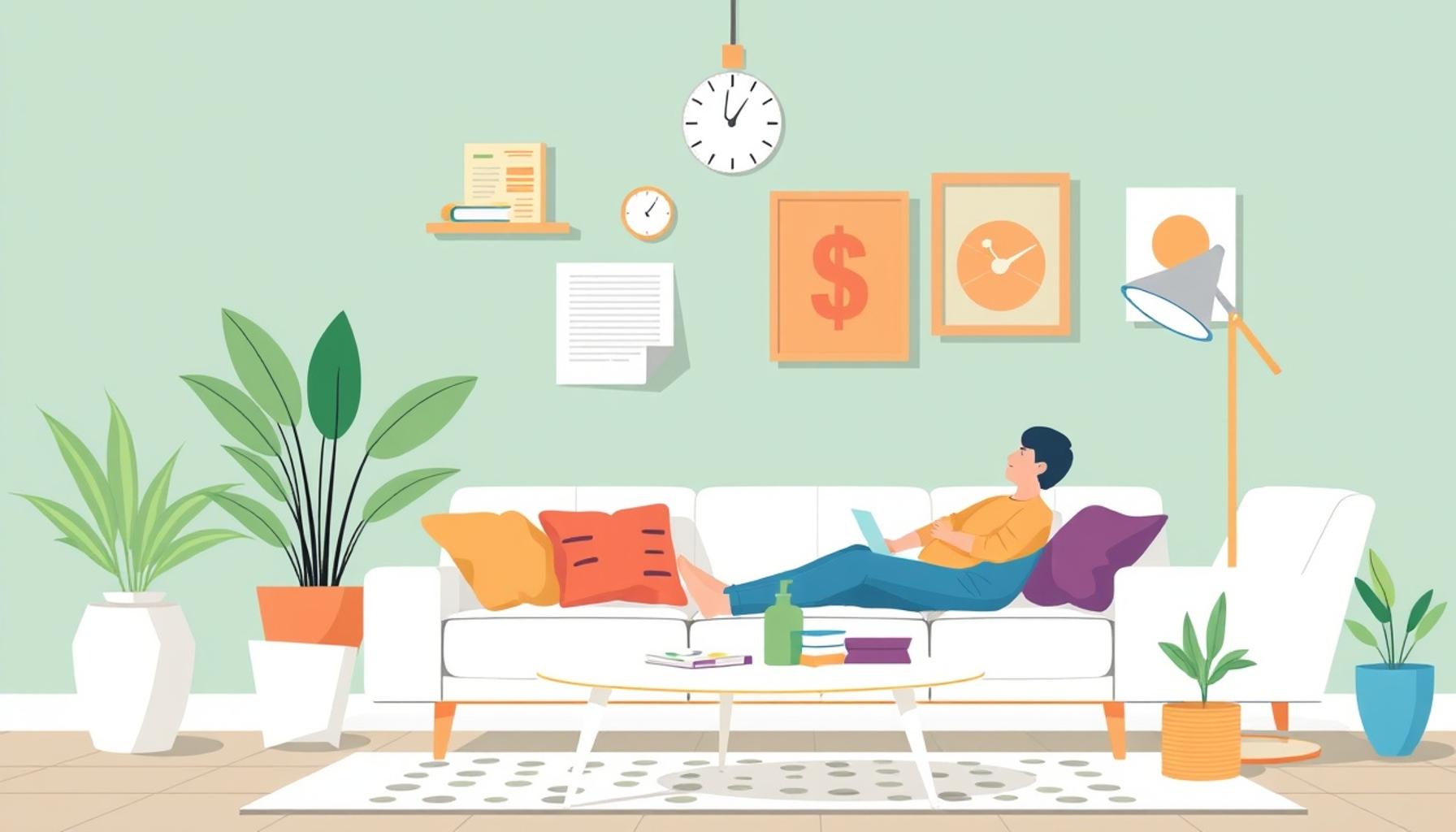
In a world where the hustle and bustle of daily life often feels overwhelming, the significance of relaxation environments has surged to the forefront of our societal consciousness. Urban life, with its incessant noise and chaotic schedules, can be a breeding ground for stress and anxiety. Consequently, the cultivation of peaceful spaces has become a priority for many, as they look to their homes and workplaces for a reprieve from the demands of modern living. By adopting optimized and minimalist design philosophies, individuals are not just decorating but consciously creating retreats that foster serenity and well-being.
What Are Relaxation Environments?
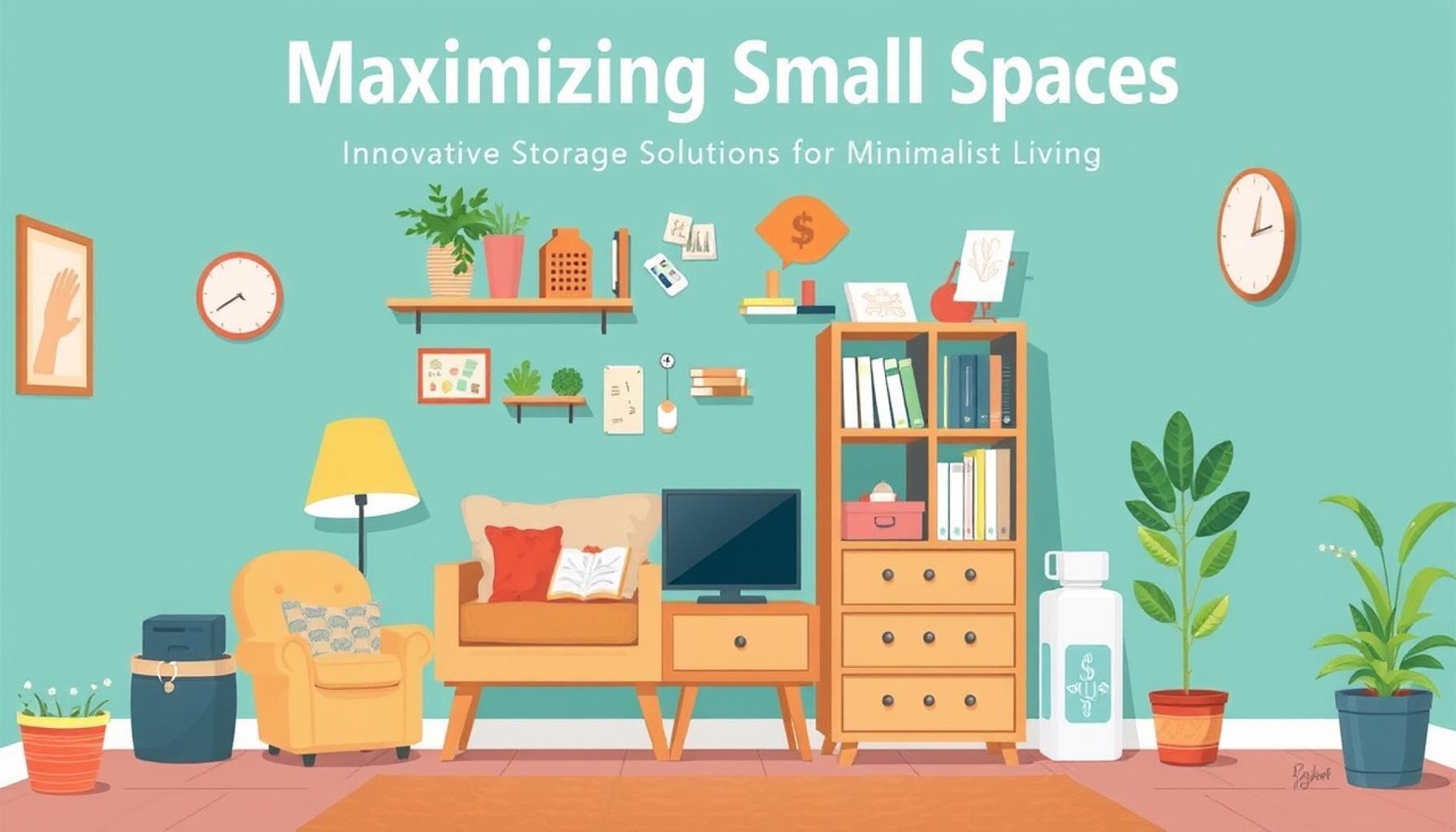
Decluttering plays a pivotal role in establishing these tranquil settings. The act of removing unnecessary items not only opens spaces visually but also mentally clears the mind, allowing for greater focus and relaxation. For instance, a living room void of excessive decor can provide a calming atmosphere conducive to unwinding after a long day.
Another essential aspect is the integration of natural elements. Studies have shown that exposure to nature can profoundly enhance our mood and reduce stress. This could involve decorating with indoor plants like snake plants or succulents—easy-to-care-for greenery that adds life to a room without overwhelming it. Additionally, maximizing natural light through strategically placed mirrors and sheer curtains can further enrich the ambiance, making spaces feel airy and open.
Functional Minimalism
Adopting a quality over quantity approach in furnishing helps emphasize functionality in a minimalist space. Choose well-crafted pieces that serve multiple purposes. For example, a stylish sofa bed can accommodate guests while also acting as a focal point in your living area, removing the clutter of both a sofa and a separate bed. Simple changes like these help maintain an organized environment that nurtures peace of mind.
Details for Creating Tranquil Spaces
To further enhance relaxing environments, consider the color palette. Calming hues like soft blues and greens can evoke feelings of tranquility and connection to nature. This choice is scientifically backed; colors can profoundly affect our mood and feelings of safety within a space.
Additionally, furniture selection should focus on sleek designs that blend seamlessly into the space while providing comfort and utility. Opt for furniture with clean lines and soft edges that invite relaxation rather than stress.
Lastly, pay attention to sound control in your space. Consider using soundproof materials for walls and floors, or incorporate soft sound-damping textures like thick rugs and curtains. This auditory serenity can significantly contribute to a peaceful atmosphere, allowing one to escape the harsh sounds of urban life.
Creating these relaxation environments is an evolving, ongoing endeavor. It invites individuals to practice patience and intentionality as they embrace the principles of minimalist design. As you embark on this journey, you may discover that simplicity does not just enhance your living space but profoundly uplifts your quality of life. Dive into the exploration of these serene surroundings, unlocking potential that may lead you to a more peaceful existence amidst the chaos.
Design Elements for Optimal Relaxation
Creating relaxation environments through optimized and minimalist spaces involves a careful selection of design elements that contribute to a serene atmosphere. In this process, aiming for simplicity while maximizing functionality is crucial. There are several fundamental principles to consider when designing these environments.
Focus on Layout and Space Allocation
The first step in crafting a relaxation environment is to evaluate the layout of your space. An open and uncluttered layout facilitates movement and promotes a sense of freedom. When arranging furniture, adhere to the following guidelines:
- Zone Your Space: Define areas in your home for specific activities such as reading, meditating, or unwinding with a cup of tea. This zoning helps create a structured yet relaxed feeling.
- Maintain Clear Pathways: Ensure that there is open space to walk through without obstacles. This not only enhances the flow of the room but also creates a calming environment.
- Prioritize Comfort: Choose seating options that are not only stylish but also comfortable, promoting relaxation. A well-placed lounge chair or a cozy nook can be instrumental in cultivating a tranquil atmosphere.
Incorporate Soft Textures
The right textures play a vital role in enhancing comfort within minimalist environments. Soft textiles can significantly contribute to a cozy ambiance. Consider integrating the following elements into your space:
- Layered Textiles: Use soft throws, plush cushions, and area rugs to add warmth and comfort to your minimalist setup.
- Natural Fabrics: Opt for materials like cotton, linen, and wool that breathe well and give a soothing feel. These fabrics enhance the tactile experience of your environment.
- Textured Surfaces: Include items with varying textures, such as a wooden coffee table or a woven basket, to create visual interest without cluttering the space.
Introduce Calming Scents
A crucial, yet often overlooked, aspect of creating a relaxing environment is the incorporation of soothing scents. Aromatherapy can be an effective tool for promoting calmness and reducing stress. Here are some popular options:
- Essential Oils: Utilize diffusers or oil burners with calming scents like lavender, chamomile, or eucalyptus.
- Candles: Scented candles not only illuminate a space but also add calming fragrances that contribute to relaxation.
- Herbal Incense: Light herbal incense during meditation or quiet moments to cleanse the air and promote a peaceful atmosphere.
By paying attention to layout, textures, and scents, you can take significant steps towards creating an optimized and minimalist relaxation environment. This deliberate approach will foster a setting that reduces stress and enhances overall well-being.
Creating relaxation environments within optimized and minimalist spaces involves careful consideration of various elements that promote tranquility and comfort. By focusing on simplicity, one can curate a space that fosters peace and relaxation.
Key Considerations for Designing Relaxation Environments
To effectively design spaces that enhance relaxation, you can consider the following key elements:
| Category | Description |
|---|---|
| Natural Lighting | Utilize natural light to enhance mood and reduce stress. |
| Color Palette | Opt for neutral tones that evoke calmness and serenity. |
| Furniture Selection | Choose minimalist furniture to avoid clutter and distractions. |
| Textural Variety | Incorporate soft textures to promote comfort and warmth. |
Moreover, incorporating elements such as indoor plants can greatly enhance the air quality and bring a sense of nature indoors. The use of aromatherapy with essential oils can also elevate the relaxing atmosphere, making the space feel inviting and peaceful.
Lastly, limit visual clutter by curating decor to only essential or meaningful items. This aligns with the minimalist philosophy that encourages intentionality in design, further aiding in the creation of a serene environment.
Natural Elements to Enhance Tranquility
Incorporating natural elements into your optimized and minimalist relaxation environment can significantly impact your mood and sense of peace. Nature not only soothes the mind but also can transform any space into a sanctuary. Here are effective ways to introduce the essence of nature into your home:
Add Greenery with Houseplants
Integrating houseplants into your living space is a simple yet powerful method to create a calming atmosphere. The presence of plants can enhance air quality and provide a sense of vitality. Consider these tips:
- Choose Low-Maintenance Plants: Select plants such as snake plants, pothos, or peace lilies that thrive with minimal care, making them perfect for any busy lifestyle.
- Create a Plant Corner: Dedicate a corner of your space to a variety of plants, enhancing both the aesthetic and the tranquil ambiance.
- Integrate Plant Shelves: Use vertical plant shelves to save space while showcasing your greenery. This allows for a more organized and minimalist look.
Utilize Natural Light
Lighting plays a fundamental role in establishing a relaxing environment. Natural light can uplift your mood and create warmth in any room. Here’s how to maximize its effect:
- Opt for Sheer Curtains: Use sheer window treatments to allow sunlight to filter in while maintaining privacy. This softens the overall look of the space, promoting relaxation.
- Strategically Place Mirrors: Position mirrors to reflect light, making rooms feel larger and brighter. This can create a more open and airy feel.
- Create Open Spaces: Avoid heavy furniture that blocks natural light sources. Keep furnishings low and spread out to facilitate a brighter environment.
Incorporate Natural Colors
The color palette of your space can significantly influence your mood and relaxation levels. Embracing earthy tones and muted colors can create a soothing background. Consider the following:
- Use Earthy Shades: Incorporate muted greens, browns, and soft blues to reflect nature and establish a connection to the outdoors.
- Add Accent Colors: Include soft pastels or gentle whites for accents through artwork, textiles, or decor. This adds depth without overwhelming the space.
- Create a Cohesive Look: Ensure that the colors you choose throughout your space complement each other, enhancing a peaceful and harmonious environment.
By thoughtfully incorporating natural elements such as houseplants, natural light, and a calming color palette, you can elevate your relaxation environment. These details work in harmony with the principles of minimalism to create a space that is not only aesthetically pleasing but also promotes tranquility and rejuvenation.
Conclusion
In today’s fast-paced world, the importance of creating relaxation environments cannot be overstated. By embracing the principles of optimization and minimalism, we can transform our living spaces into serene retreats that encourage mental clarity and emotional well-being. The integration of natural elements such as distinct houseplants, ample natural light, and a soothing color palette serves to harmonize the environment, setting the stage for relaxation and rejuvenation.
As you embark on this journey to create your own oasis, consider why each element matters. Houseplants, for instance, not only beautify your space but also improve air quality—a factor pivotal in promoting relaxation. Similarly, allowing natural light to pour into your home can significantly uplift your mood and overall ambiance. Finally, color is a powerful tool in creating a peaceful mindset; muted and earthy tones evoke the tranquility of nature, grounding you amidst life’s chaos.
Ultimately, the goal is to curate a space that resonates with you. Each choice should align with your personal aesthetics and functional needs, refreshing your spirit without the burden of excess. As you refine your surroundings, remember that a minimalist approach doesn’t signify emptiness; rather, it invites abundance in simplicity, crafting a sanctuary that fosters calmness and reflection. Embrace these principles, and watch your optimized space transform into a haven for relaxation, making it a vital cornerstone of your well-being.

Linda Carter is a writer and organization expert specializing in minimalism and personal organization. With extensive experience helping individuals create clutter-free, functional spaces and adopt mindful habits, Linda shares her knowledge on our platform. Her goal is to empower readers with practical advice and strategies to simplify their lives, stay organized, and achieve a sense of calm and balance in their daily routines.